LOS ANGELES — In an era defined by rapid technological acceleration, economic uncertainty, and a collective reckoning with mental health, individuals are increasingly searching for innovative frameworks to decode their internal landscapes. While clinical psychology and cognitive behavioral therapy (CBT) remain the gold standards for mental health, a parallel movement within modern wellness is gaining significant traction: the use of symbolic tools like Tarot for self-reflection, emotional excavation, and narrative reframing.
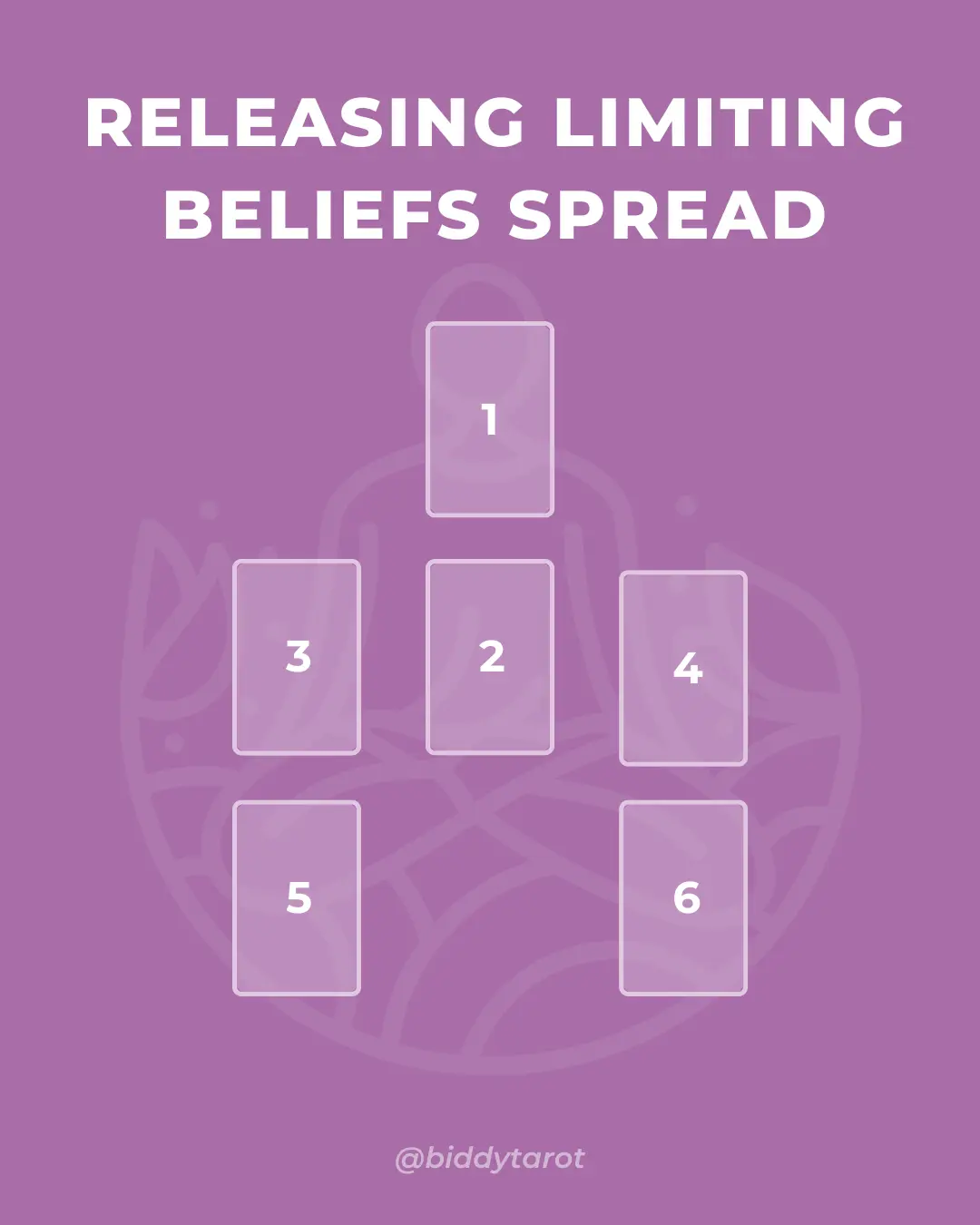
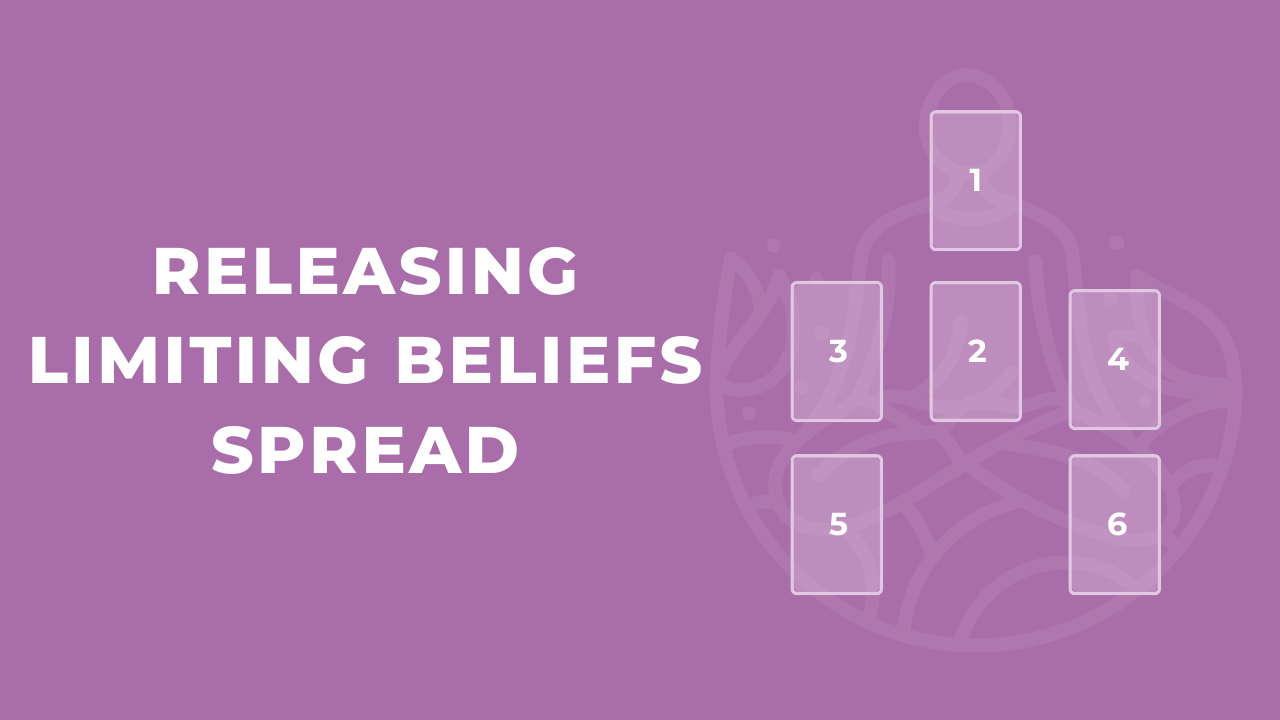
At the vanguard of this movement is Biddy Tarot, a globally recognized platform for intuitive living, which has officially released its latest psychological and spiritual wellness tool: the Releasing Limiting Beliefs Tarot Spread. Designed to help individuals identify, confront, and dismantle subconscious mental blocks, this structured card layout is capturing the attention of mindfulness practitioners, life coaches, and mental wellness advocates alike.
This comprehensive report explores the anatomy of the new tarot spread, the psychological mechanisms behind narrative reframing, the chronological evolution of intuitive self-care tools, supporting data on the modern wellness economy, official perspectives from mindfulness leaders, and the profound personal and cultural implications of rewriting our internal stories.
Main Facts: The Anatomy of the New Spread
The core premise behind the Releasing Limiting Beliefs Tarot Spread is deceptively simple yet psychologically profound: The stories we tell ourselves shape our reality.
Human beings are narrative creatures. From childhood conditioning to societal expectations, we accumulate a vast library of internal scripts. Some of these scripts act as empowering catalysts, reminding us of our resilience, strength, and boundless potential. However, a significant portion of our internal dialogue consists of quiet whispers of doubt, fear, and artificial limitation—the psychological glass ceilings that dictate what we believe we can achieve, earn, or experience.
The newly introduced tarot spread serves as an investigative mirror. Rather than predicting a fixed future—a common misconception of cartomancy—the spread is explicitly designed as a reflective diagnostic tool. It aims to:
- Uncover hidden narratives and subconscious blind spots that no longer serve personal growth.
- Provide a structured method for releasing these outdated fears with grace and intentionality.
- Empower individuals to step into a truer, freer, and more authentic version of themselves.
The release of the spread comes at a time when consumers are actively seeking hybrid practices that blend emotional introspection with creative, ritualistic self-care. By leveraging archetypal imagery, the spread bridges the gap between abstract emotional states and tangible, actionable insights.
Chronology: The Evolution of Modern Intuitive Wellness
To understand the significance of the Releasing Limiting Beliefs Tarot Spread, one must examine the broader timeline of how esoteric tools transitioned from the margins of counterculture into mainstream wellness regimens.
Phase One: The Mystical Margins (Late 20th Century)
For decades, tarot was largely associated with fortune-telling, occultism, and parlor entertainment. Readings were frequently transactional, focused heavily on external predictions ("Will I get the job?" or "Will I find love?"), and often shrouded in mystification. Mental health professionals and mainstream intellectuals largely dismissed the practice as superstitious or unscientific.
Phase Two: The Psychological Turn (Early 2000s)
As the self-help industry matured, forward-thinking practitioners began to reclaim tarot through a Jungian lens. Influenced by psychologist Carl Jung’s theories on archetypes and the collective unconscious, teachers began to reposition tarot cards not as magical arbiters of destiny, but as mirrors of the human psyche. The cards became visual stimuli—Rorschach tests for the soul—that allowed individuals to bypass cognitive defenses and access deep-seated emotional truths.
Phase Three: The Digital Wellness Boom (2010s–2020s)
The democratization of the internet transformed the wellness landscape. Platforms like Biddy Tarot spearheaded a cultural shift, stripping away the fear-based dogmas of traditional cartomancy and replacing them with empowerment-focused, secular frameworks. Tarot became accessible, inclusive, and directly tied to personal development.
Phase Four: The Post-Pandemic Introspection (2023–Present)
In the wake of global disruptions, mental wellness took center stage. Burnout rates soared, and traditional definitions of success were challenged. Consumers began demanding tools that addressed holistic well-being—mental, emotional, and spiritual. The launch of targeted spreads, such as the Releasing Limiting Beliefs layout, represents the pinnacle of this evolution: a fusion of mindfulness, psychological self-audit, and creative ritual designed to combat modern chronic stress and internalized pressure.
Supporting Data: The Rising Demand for Self-Reflection Tools
The introduction of specialized tarot spreads does not occur in a vacuum; it is backed by profound shifts in consumer behavior and the global wellness economy.
- The Wellness Economy Surge: According to data from the Global Wellness Institute (GWI), the global wellness economy has expanded past the $5.6 trillion mark, with mental wellness, mindfulness, and personal growth sectors registering some of the fastest growth rates. Consumers are spending more than ever on tools that promote emotional regulation and self-discovery.
- Shift Toward Preventative Mental Care: A study published by the American Psychological Association (APA) highlights a growing demand for accessible, daily mental health maintenance practices. While therapy remains essential, millions of individuals are turning to complementary modalities—such as journaling, meditation, and reflective spreads—to process daily stressors before they manifest as clinical burnout.
- The Rise of "Secular Spirituality": Demographic studies show a significant rise in individuals identifying as "spiritual but not religious." This group values practices that offer meaning, introspection, and community connection without adhering to dogmatic religious structures. Intuitive tools like tarot fit neatly into this secular-spiritual ethos, serving as secular meditation aids.
- Digital Engagement Metrics: Online platforms focusing on intuitive self-care have reported exponential year-over-year increases in traffic for educational guides, spreads, and mindfulness courses. The viral nature of visually striking card spreads on platforms like Instagram and Pinterest demonstrates a high consumer appetite for shareable, aesthetic tools that facilitate personal transformation.
Official Perspectives: Industry Leaders and Mental Health Advocates
The intersection of cartomancy and psychological reframing has generated significant discussion among wellness leaders, mindfulness practitioners, and mental health advocates.
Proponents of intuitive tools emphasize that spreads like the one introduced by Biddy Tarot function as structured brainstorming sessions for the subconscious. By assigning specific positions to cards—such as What belief is holding me back?, Where did this belief originate?, and What truth replaces it?—the practitioner is forced out of cyclical, looping thought patterns.
"When we are trapped in a limiting belief, our perspective is narrow and reactive," notes a prominent holistic psychotherapist based in New York. "Tools that break our normal cognitive routines—whether it’s a deep breathing exercise, a journaling prompt, or a thoughtfully designed tarot spread—create a pause between stimulus and response. That pause is where transformation happens."
Wellness educators also emphasize the importance of agency. Modern tarot practice firmly rejects fatalism. As emphasized in the guidelines for the Releasing Limiting Beliefs spread, the objective is not to discover what will happen to you, but to discover what you are ready to release. This shift from passive recipient of fate to active author of destiny aligns closely with the principles of empowerment psychology.
Skeptics, however, maintain that while tools like tarot can be useful for sparking creative writing or emotional self-reflection, they should not replace evidence-based clinical interventions for individuals suffering from severe trauma, anxiety, or depression. Responsible wellness platforms universally acknowledge this distinction, framing intuitive spreads as complementary self-care practices rather than medical treatments.
Implications: Rewriting the Internal Narrative
The launch of the Releasing Limiting Beliefs Tarot Spread carries profound implications for personal development, cultural self-awareness, and the future of the wellness industry.
1. Democratization of Introspection
By providing a clear, step-by-step framework, the spread lowers the barrier to entry for deep emotional work. Individuals do not need decades of esoteric study to benefit from the reflective power of the cards. They simply need curiosity, honesty, and a willingness to confront their inner dialogue.
2. The Power of Narrative Reframing
At its core, this practice is an exercise in cognitive reframing. Limiting beliefs—such as "I am not creative enough," "I am destined to fail," or "I don’t deserve success"—act as invisible anchors. By dragging these beliefs into the light of day through visual archetypes, individuals can examine their validity, trace their origins to past experiences, and consciously draft a new, empowering script.
3. Community and Shared Vulnerability
The call to action accompanying the spread—inviting users to share their insights and tag community pages on Instagram—highlights the social dimension of modern wellness. Healing in isolation can be daunting. By sharing epiphanies, struggles, and breakthroughs within a digital community, practitioners realize they are not alone in their battles against self-doubt. The internal glass ceiling is revealed to be a universal human obstacle, dismantled collectively through shared vulnerability.
4. Integration of Art, Intuition, and Science
As the wellness landscape continues to mature, the rigid boundaries separating logic from intuition, and science from art, are softening. The success of intuitive self-care tools proves that modern consumers value multidisciplinary approaches to well-being. Whether someone approaches the Releasing Limiting Beliefs spread as a form of active meditation, a psychological projection exercise, or a spiritual ritual, the end result is the same: greater self-awareness, emotional liberation, and the courage to step into a truer, freer version of oneself.
Conclusion
The release of the Releasing Limiting Beliefs Tarot Spread is more than just a new addition to the digital library of a popular wellness site; it is a timely reflection of our collective desire to break free from self-imposed limitations. In a world that constantly tells us who we should be, taking the time to pause, shuffle the deck, and ask the hard questions about our internal narratives is a radical act of self-preservation.
By transforming abstract anxieties into tangible symbols, this spread offers a roadmap for anyone ready to let go of old fears, rewrite their story, and realign with their highest truth. As individuals around the globe continue to share their spreads, insights, and breakthroughs online, one thing remains abundantly clear: the stories we tell ourselves may shape our reality, but with the right tools, we always have the power to pick up a pen and write a new chapter.