








Introduction: The Skin as a Mirror of Holistic Health
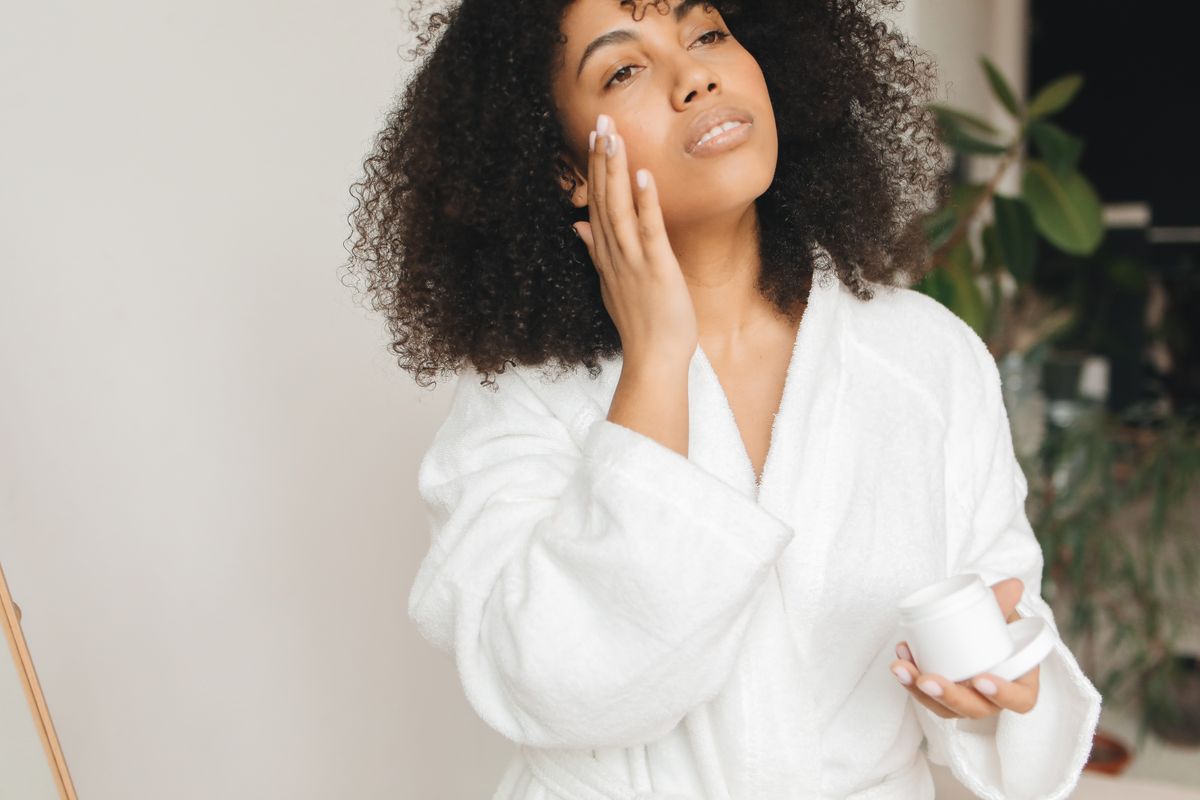
As the human body’s largest and most visible organ, the skin serves as a dynamic interface between our internal physiology and the external world. Far more than a mere mechanical barrier, integumentary health reflects the intricate interplay of internal nourishment, lifestyle habits, and environmental exposures. In recent years, a profound paradigm shift has taken place within dermatology and wellness circles. Consumers and practitioners alike are moving away from synthetic, harsh chemical formulations in favor of botanical traditions that have been cherished for centuries.
True skin health, experts emphasize, cannot be achieved solely through surface-level treatments. It requires a holistic commitment to nutrient-dense diets, effective stress management, adequate restorative sleep, regular physical activity, and the integration of healing herbs into daily routines. By embracing this dual approach—nourishing the body from the inside while applying gentle, plant-based remedies topically—individuals can unlock a sustainable, natural glow.
The Chronology of Botanical Beauty: From Ancient Traditions to Modern Science
The use of plants for therapeutic and cosmetic purposes is as old as human civilization itself. Understanding how we arrived at today’s botanical renaissance requires tracing a fascinating historical arc:
- Ancient Civilizations (c. 3000 BCE – 400 BCE): The ancient Egyptians were renowned for utilizing botanical oils, including rose and lily infusions, to protect their skin from the harsh desert climate. Similarly, traditional Ayurveda in India and Traditional Chinese Medicine (TCM) mapped out sophisticated pharmacopeias incorporating cooling aloe, restorative calendula, and adaptogenic herbs to balance the body’s internal humors and promote radiant skin.
- The Apothecary Era (Medieval to Renaissance): European monasteries and herbalists cultivated medicinal gardens, carefully documenting the astringent, anti-inflammatory, and vulnerary properties of common garden plants like chamomile, lavender, and plantain. Skincare during this era was entirely plant-based, relying on animal fats infused with floral distillates.
- The Synthetic Boom (Mid-20th Century): The advent of petrochemical industries revolutionized consumer products. Skincare shifted toward mass-produced, petroleum-derived bases, synthetic fragrances, and aggressive preservatives designed for extended shelf-life rather than deep physiological compatibility.
- The Modern Holistic Movement (Late 20th Century – Present): Driven by scientific revelations regarding the skin microbiome, endocrine disruptors, and environmental sustainability, a massive counter-movement has emerged. Contemporary botanical science now validates ancient wisdom, isolating the precise flavonoids, phytoestrogens, and antioxidants responsible for plant efficacy and bridging the gap between traditional herbalism and modern biochemistry.
Supporting Data and Dermatological Insights
The modern shift toward herbal skincare is strongly supported by emerging phytochemical research and consumer trends:
- Antioxidant Efficacy: Botanical extracts rich in polyphenols and flavonoids—such as those found in rose petals and hibiscus calyces—have been shown in dermatological studies to neutralize free radicals induced by UV radiation and urban pollution, thereby mitigating premature cellular aging.
- Phytoestrogenic Support: Clinical observations indicate that as natural estrogen levels decline during aging, skin experiences a significant reduction in collagen density, moisture retention, and elasticity. Herbs containing natural phytoestrogens, such as red clover, have demonstrated an ability to support extracellular matrix integrity.
- Consumer Shift: Market research underscores a double-digit annual growth in the "clean beauty" and botanical skincare sectors. An estimated 68% of consumers actively seek out products containing recognizable, plant-derived active ingredients, prioritizing skin barrier repair and anti-inflammatory properties over quick-fix synthetic alternatives.
Official Perspectives and Expert Consensus
Leading botanical institutions, holistic dermatologists, and herbal educators emphasize that the true power of herbs lies in their multi-systemic compatibility with human biology.
Dr. Elena Vance, a integrative dermatologist and botanical researcher, notes: "Synthetic skincare often attempts to override the skin’s natural functions with aggressive single-molecule compounds. In contrast, whole-plant extracts deliver a complex matrix of co-factors—vitamins, minerals, mucilage, and antioxidants—that work synergistically with the skin’s lipid barrier and microbiome rather than disrupting it."
Educational bodies like the Herbal Academy echo this sentiment, stressing that sustainable beauty is an educational journey. By teaching individuals how to identify, cultivate, and formulate their own plant-based remedies, practitioners foster a deeper connection to self-care that extends far beyond the bathroom mirror.
Eight of the Best Botanicals for Radiant Skin
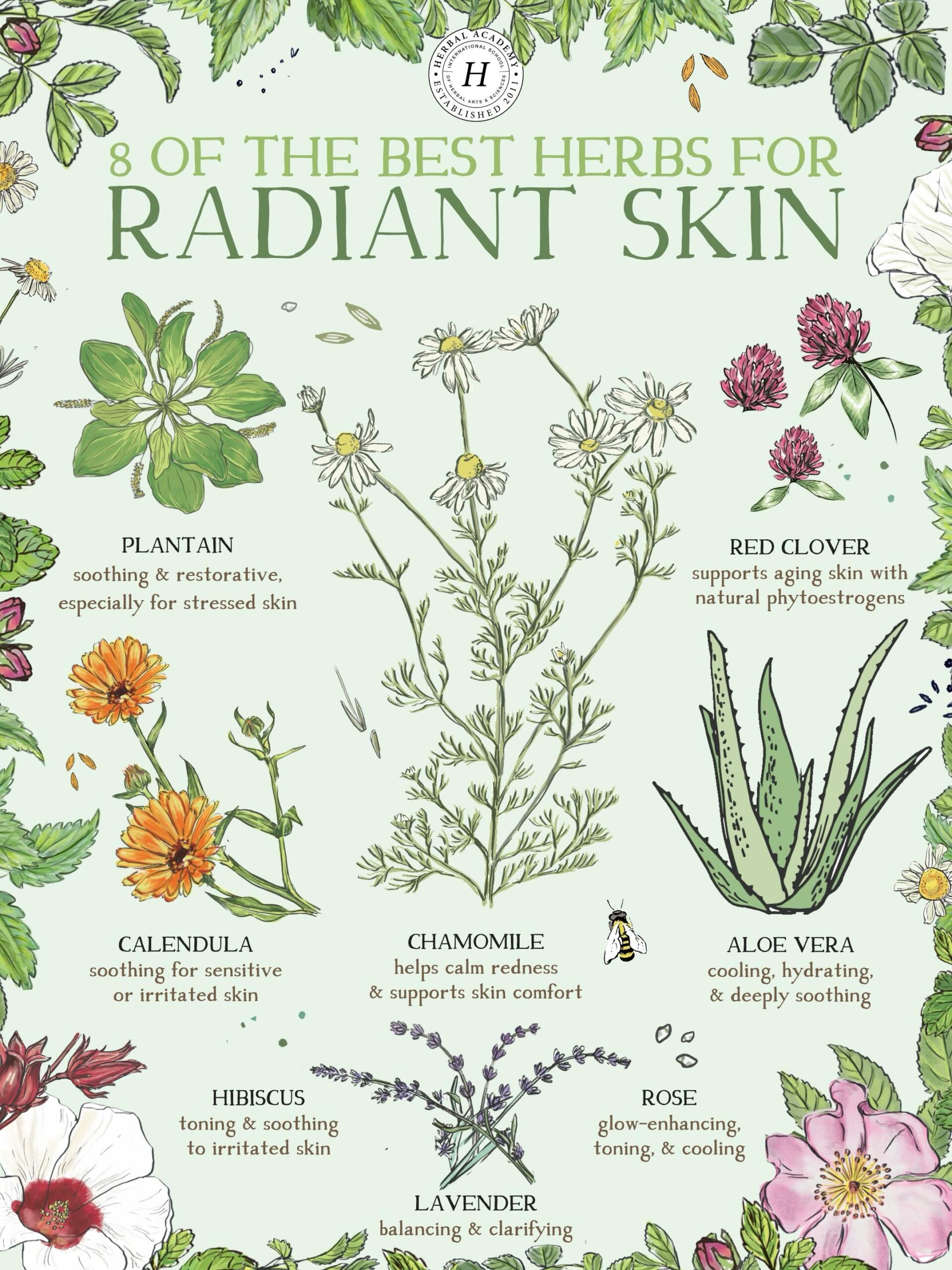
To help navigate the vast world of botanical skincare, herbal traditions highlight eight standout plants. Each offers unique chemical constituents that can be harnessed both internally (through teas, tinctures, and food) and topically (via serums, steams, and salves).
1. Rose (Rosa spp.)
The delicate petals of the rose have long been synonymous with luxury and gentle restoration. Rich in flavonoids, phenolic compounds, and essential vitamins, rose acts as a natural cooling agent that encourages skin softness and a balanced complexion. Its natural astringent and anti-inflammatory properties make it exceptionally useful for tightening pores and reducing under-eye puffiness.
- Application Ideas: Incorporate rose into your regimen via a Homemade Probiotic Rose Milk Cleanser, a hydrating Rose Helichrysum Skin Serum, a firming Wild Rose Undereye Cream, or a simple, refreshing batch of homemade rose water.
2. Calendula (Calendula officinalis)
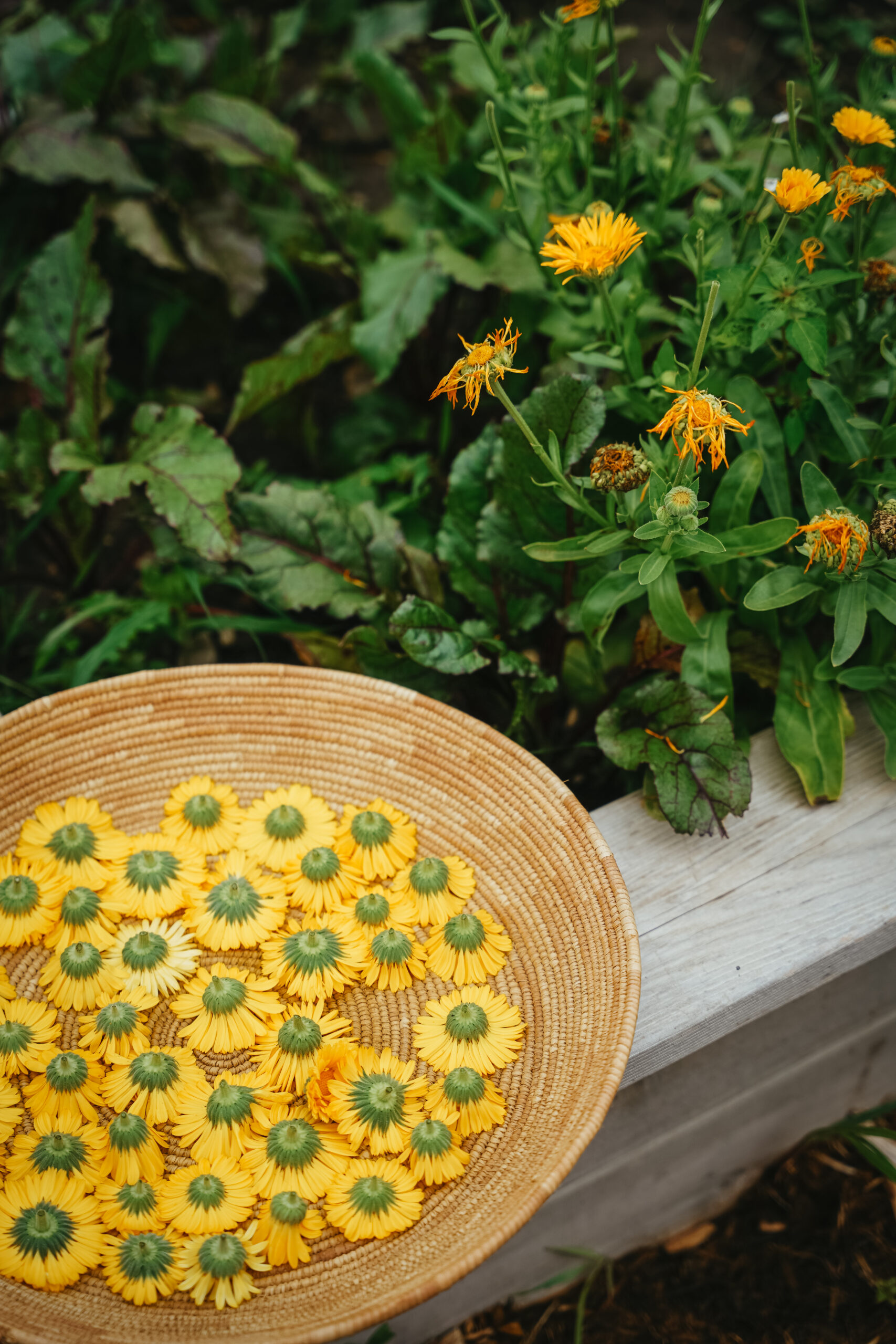
Instantly recognizable by its bright golden-orange blossoms, calendula is a powerhouse for dry, sensitive, or delicate skin types. It is celebrated for its deep hydration support and its ability to comfort irritated dermal tissue.
- Application Ideas: Soothe compromised skin barriers by utilizing a Gentle Calendula Lotion Recipe suitable for daily use, or opt for a richer, Shelf-Stable Calendula Cream designed to comfort intensely dry and inflamed areas.
3. Plantain (Plantago spp.)
Often overlooked as a common garden weed, plantain leaf is a premier vulnerary—an herb that actively supports skin recovery and cell proliferation. High in natural mucilage, plantain provides a deeply emollient, moistening quality that relieves stressed, wind-chipped, or overheated skin.
- Application Ideas: Blend dried or fresh leaf powders into a soothing Plantain Leaf Face Mask to deliver a direct dose of anti-inflammatory relief to troubled complexions.
4. Aloe (Aloe barbadensis)
Aloe vera is universally celebrated for its succulent, moisture-rich leaves. Deeply cooling and replenishing, aloe is the gold standard for soothing overheated skin—whether from sun exposure or daily inflammation. Its rich polysaccharide content helps smooth the appearance of fine lines while promoting microcirculation.
- Application Ideas: Combine aloe gel with botanical infusions in an Aloe-Calendula Cleanser that gently clarifies, moisturizes, and revitalizes all skin types.
5. Red Clover (Trifolium pratense)
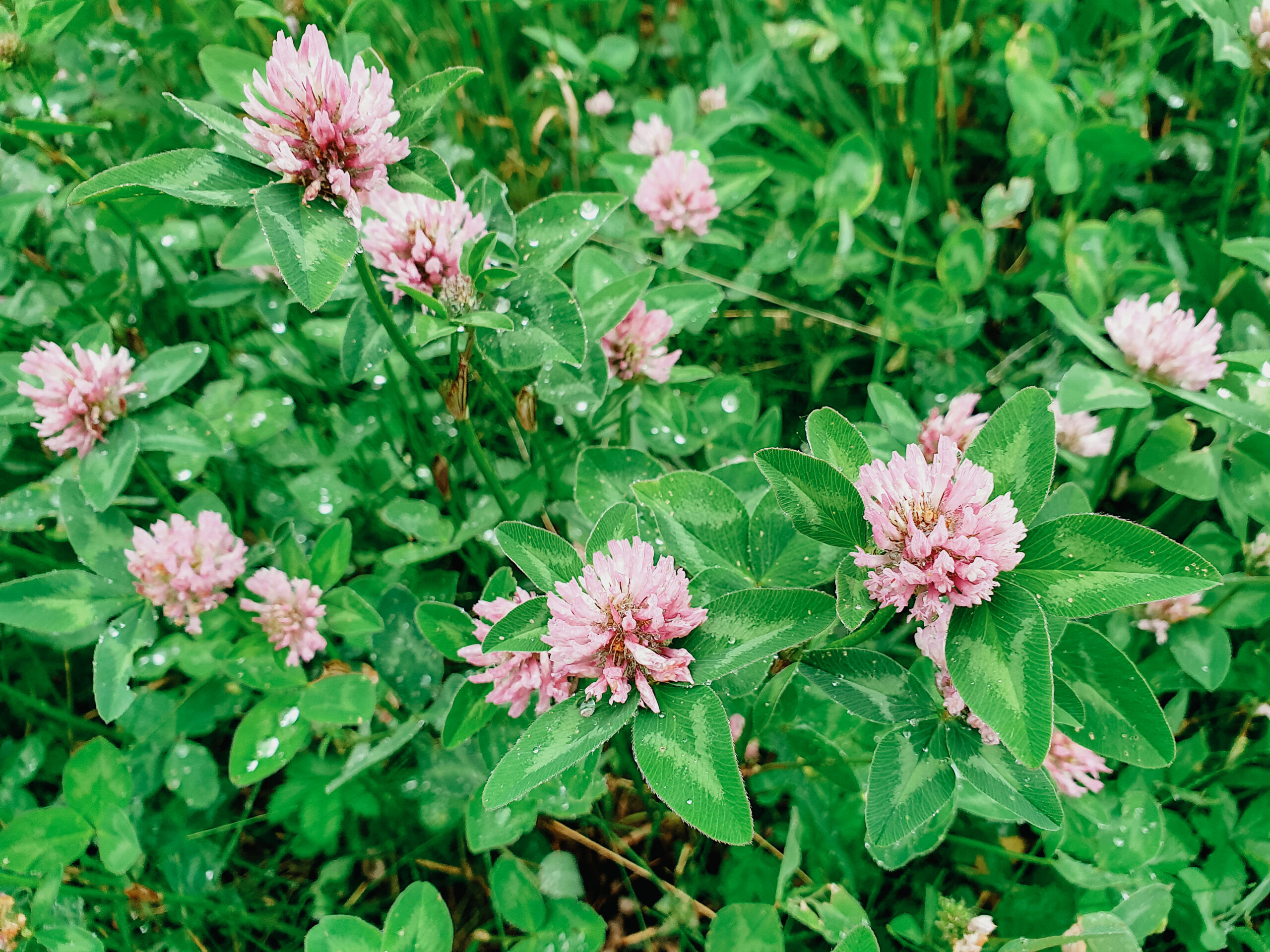
As the body matures, natural declines in estrogen can leave the skin thinner, drier, and more susceptible to structural laxity. Red clover aerial parts contain natural plant compounds known as phytoestrogens, which gently support skin elasticity, moisture retention, and structural integrity during hormonal transitions.
- Application Ideas: Support your skin from the inside out by sipping on a warm infusion of Red Clover Flower Tea or taking it as a daily herbal tincture.
6. Chamomile (Matricaria chamomilla)
Gentle enough for infants yet remarkably powerful, chamomile is one of the most versatile calming herbs in the herbalist’s toolkit. Its high concentration of bisabolol and chamazulene provides potent anti-inflammatory action, making it an ideal remedy for red, reactive, or eczema-prone skin.
- Application Ideas: Indulge in an aromatic Herbal Bath Tea with Chamomile and Rose to relax the nervous system while calming surface irritation, or clear and relax pores using a traditional Chamomile Facial Steam.
7. Hibiscus (Hibiscus sabdariffa)
Often referred to as "botanical Botox," hibiscus calyces are exceptionally rich in natural organic acids (including alpha-hydroxy acids) and powerful antioxidants. These compounds gently encourage cellular turnover, sweep away dull surface cells, and promote a vibrant, luminous complexion.
- Application Ideas: Nourish your system internally with an antioxidant-dense Hibiscus Jujube Tea Recipe, which helps promote a bright, glowing complexion from within.
8. Lavender (Lavandula spp.)
Beyond its universally beloved, anxiety-reducing aroma, lavender flower buds offer profound dermatological benefits. Lavender helps balance sebum production, clarifies congested skin, cools localized heat, and visibly reduces redness.
- Application Ideas: Experience its full spectrum of benefits by preparing a Lavender Infused Oil (fondly known among herbalists as "heaven in a bottle"), crafting DIY Lavender Bath Salts, or steaming with Lavender Shower Steamers to elevate your daily self-care ritual.
Broader Implications of the Botanical Movement
The resurgence of interest in herbal skincare carries significant cultural, economic, and ecological implications:
- Shift Toward Sustainable Agriculture: As demand for organic botanicals like calendula, chamomile, and rose surges, there is a corresponding economic incentive for regenerative farming practices. Small-scale organic herb growers are replacing monoculture chemical agriculture with biodiverse crop rotation.
- Empowerment Through Education: The DIY botanical movement democratizes wellness. By learning to formulate simple infusions, oils, and salves at home, consumers reduce packaging waste, eliminate exposure to microplastics and toxic preservatives, and regain agency over their personal care regimens.
- Integration of Traditional Knowledge: This cultural shift honors indigenous and ancestral herbal traditions, validating centuries of empirical observation through the lens of modern analytical chemistry.
Conclusion: Cultivating Lasting Radiance
Achieving and maintaining radiant skin is not a destination achieved by a single miraculous bottle, but rather an ongoing dialogue between our daily habits, our nutritional choices, and the botanical allies we invite into our lives. By honoring our body’s largest organ with nutrient-dense foods, restorative rest, stress mitigation, and the gentle touch of herbs like rose, calendula, and lavender, we cultivate a beauty that radiates from the deepest layers of our being.
For those eager to deepen their knowledge, a wealth of educational resources awaits. Whether you are looking to master botanical skincare formulation, explore the nuances of natural perfumery, or learn how to preserve your homemade creations safely, structured herbalism courses offer a transformative path forward into the world of natural wellness.