WASHINGTON — In an era dominated by high-tech chemical formulations and multi-step commercial regimens, a quiet revolution is taking root in kitchens, gardens, and botanical laboratories worldwide. Consumers are increasingly looking backward to move forward, turning to ancestral herbal traditions to address modern skin concerns.
Skin, as the human body’s largest and most exposed organ, acts as an intricate mirror reflecting overall internal health. Dermatologists and herbalists alike emphasize that true dermatological vitality cannot be achieved solely through surface-level treatments. Instead, it requires a holistic philosophy: a synergy of nutrient-dense whole foods, stress mitigation, restorative sleep, adequate physical activity, and the intelligent integration of therapeutic plants both internally and topically.
As botanical science gains rigorous traction in contemporary wellness, understanding the unique properties of nature’s most effective skin-supporting herbs offers a pathway to sustainable, radiant health.
Main Facts: The Holistic Blueprint of Botanical Skincare
The fundamental premise of herbal dermatology is dual-action nourishment: caring for the skin from the inside out and the outside in. Because the skin barrier absorbs and reacts to external applications while simultaneously depending on systemic blood circulation for nutrients, a comprehensive approach is essential.
Systemic Synergy: Skin health is intrinsically tied to lifestyle factors, including diet, stress management, hydration, and sleep. When these internal systems are out of balance, manifestations often appear as inflammation, dryness, or premature aging.
The Herbal Advantage: Unlike synthetic compounds that often target single pathways—sometimes at the expense of skin microbiome balance—whole-plant therapeutics deliver complex phytochemical matrices. These include antioxidants, flavonoids, mucilages, and natural phytoestrogens that work synergistically with human biology.
Versatility of Application: Botanical ingredients are uniquely versatile. They can be ingested as teas, tinctures, and infusions, or applied topically through tailored serums, salves, steams, and cleansing milks.
Chronology: From Ancient Apothecaries to Modern Botanical Laboratories
The use of plants for cosmetic and therapeutic skin restoration is far from a modern trend; it represents a continuous lineage spanning thousands of years of human history.
Ancient Antiquity (c. 3000 BCE – 400 CE): Civilizations in ancient Egypt, Greece, China, and India systematically utilized aromatic and medicinal plants for skin preservation. Cleopatra famously bathed in ass’s milk infused with rose petals, while Ayurvedic practitioners relied on botanical pastes and oils to heal wounds and maintain youthful complexions.
The Monastic and Herbal Revival (Middle Ages – 17th Century): European monasteries preserved the knowledge of medicinal herbs, cultivating physic gardens where plants like calendula and chamomile were grown specifically for salves, ointments, and soothing poultices. Herbalists like Nicholas Culpeper documented the astrological and physical signatures of plants used to clear blemishes and restore skin vitality.
The Synthetic Shift (Mid-20th Century): The post-war industrial boom introduced mass-produced synthetic cosmetics, petroleum-derived bases, and artificial fragrances. For decades, traditional herbal remedies were largely sidelined in favor of fast-acting, highly marketed chemical formulations.
The Contemporary Renaissance (21st Century): Driven by consumer demand for transparency, clean beauty, and environmental sustainability, the wellness industry has experienced a massive resurgence in botanical formulation. Educational institutions, such as the Herbal Academy, have emerged to bridge the gap between traditional herbalism and modern evidence-based skin science.
Supporting Data: 8 Powerhouse Herbs for Radiant Skin
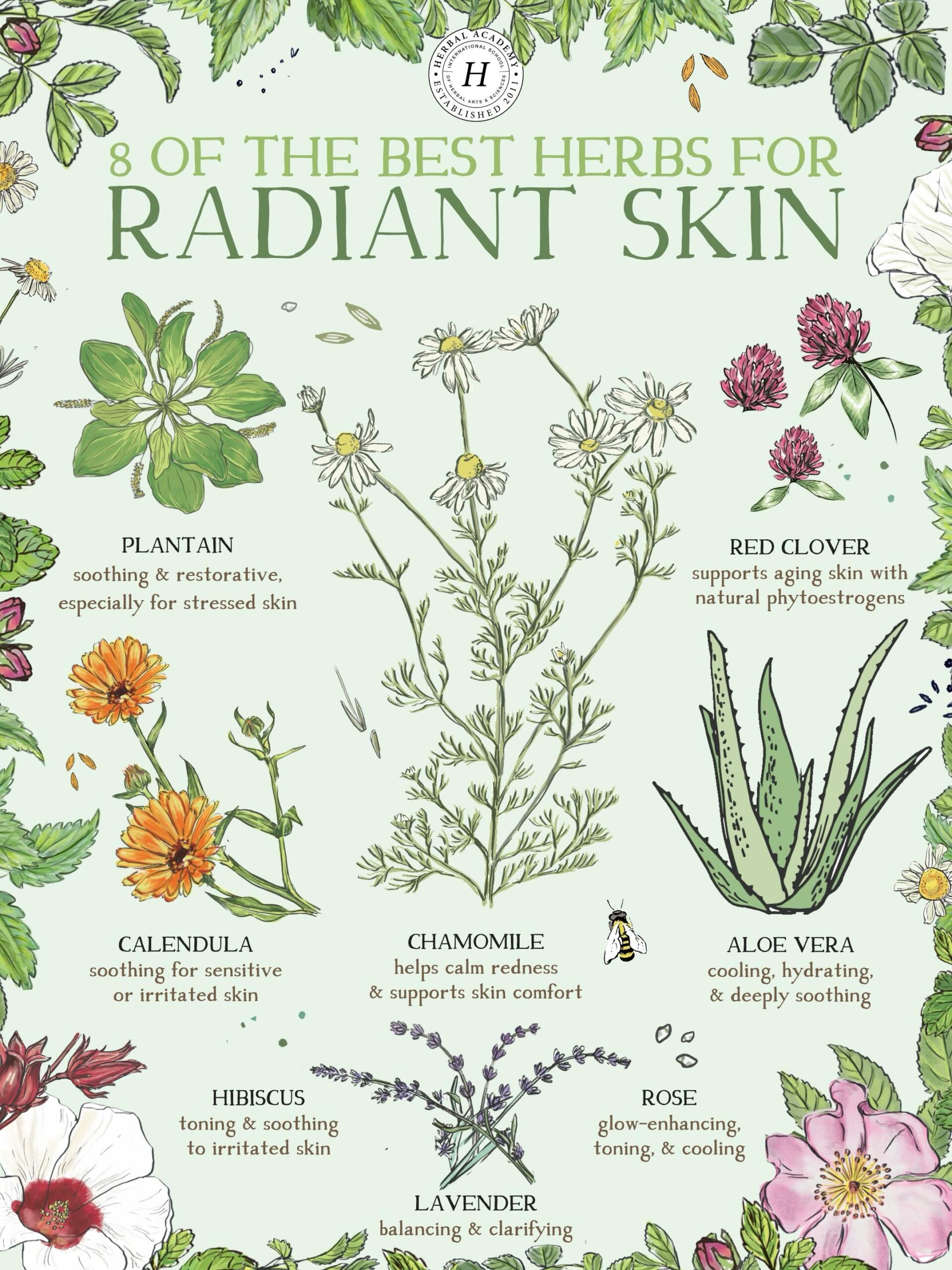
To help navigate the vast world of botanical skincare, herbal traditions and contemporary formulation practices highlight eight exceptional plants. Each offers distinct chemical profiles and targeted therapeutic benefits for various skin types and concerns.
Benefits: Rose petals are celebrated for providing gentle toning and cooling support, encouraging cellular softness and a natural, healthy glow. Packed with flavonoids and phenolic compounds, rose combats oxidative stress, making it particularly beneficial for mature skin needing healthy-aging support. Additionally, its natural astringent and anti-inflammatory properties make it a premier remedy for reducing under-eye puffiness.
Popular Preparations: Homemade Probiotic Rose Milk Cleanser, Rose Helichrysum Skin Serum, Wild Rose Undereye Firming Cream, and classic Rose Water.
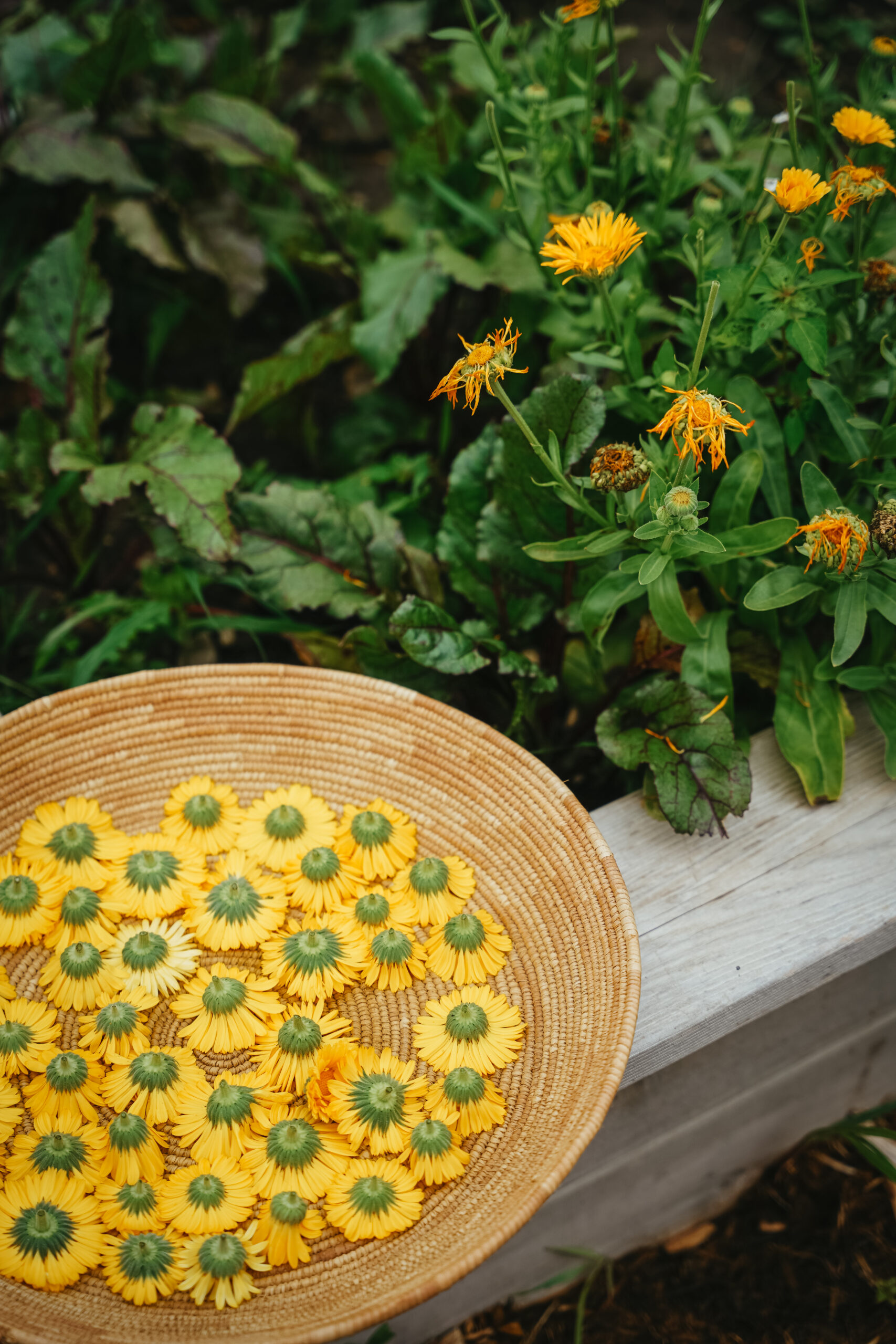
Benefits: Easily identifiable by its brilliant golden-orange blossoms, calendula is a cornerstone herb for dry, delicate, or irritated skin. It encourages rapid tissue restoration while locking in vital moisture. It is exceptionally gentle, rendering it safe and effective for sensitive and reactive complexions.
Popular Preparations: Gentle Calendula Lotions and shelf-stable restorative creams.
Benefits: Despite often being overlooked as a common garden weed, plantain leaf is a skin-recovery powerhouse. It boasts a high concentration of mucilage—a gel-like substance that provides deep, moistening emollience. Plantain calms stressed, inflamed skin and supports the natural healing of minor abrasions and irritations.
Popular Preparations: Nutrient-dense Plantain Leaf Face Masks and soothing botanical poultices.
Benefits: Aloe leaf gel is universally recognized for its ability to quench overheated, sun-exposed, or irritated skin. Beyond hydration, aloe contains active compounds that stimulate circulation, clear pores, and help smooth the appearance of fine lines and wrinkles.
Popular Preparations: Aloe-Calendula Cleansing washes and refreshing facial mists.
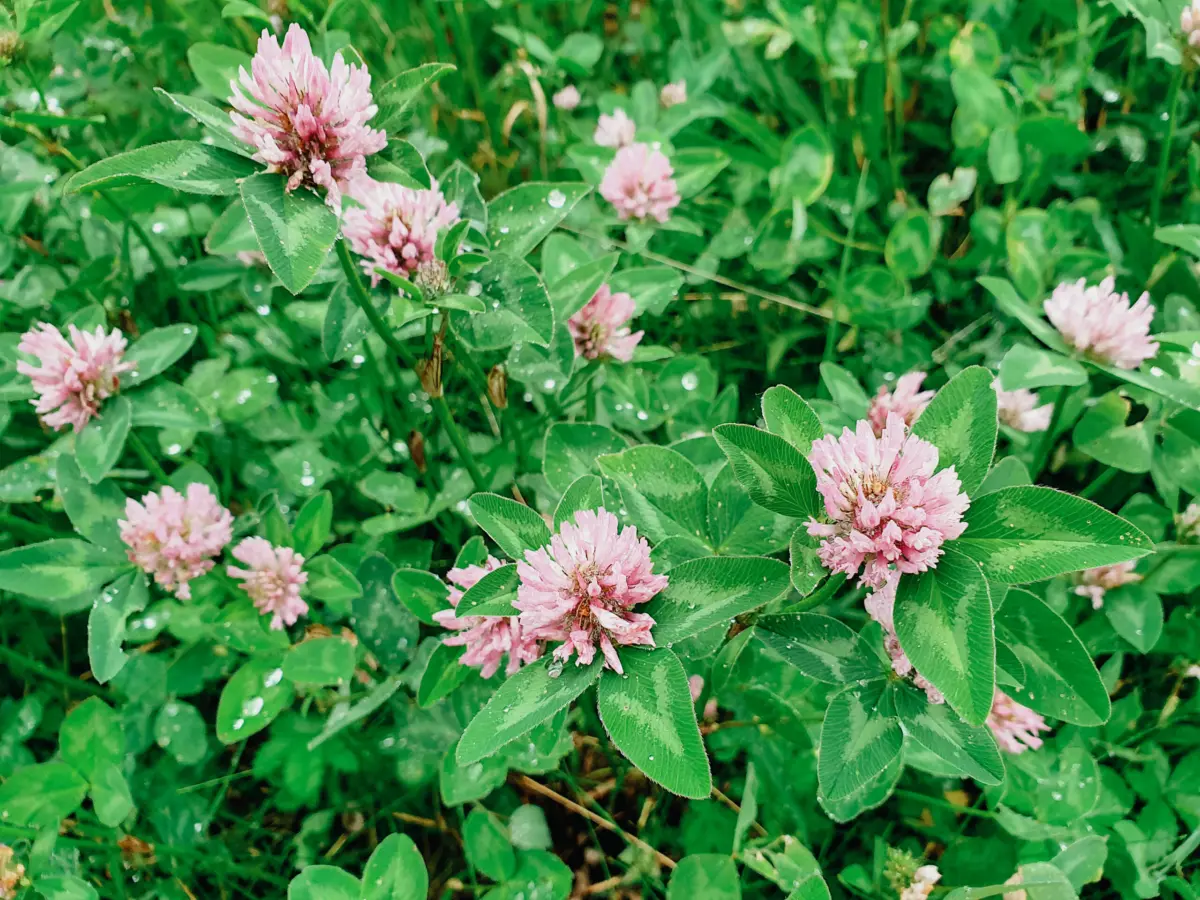
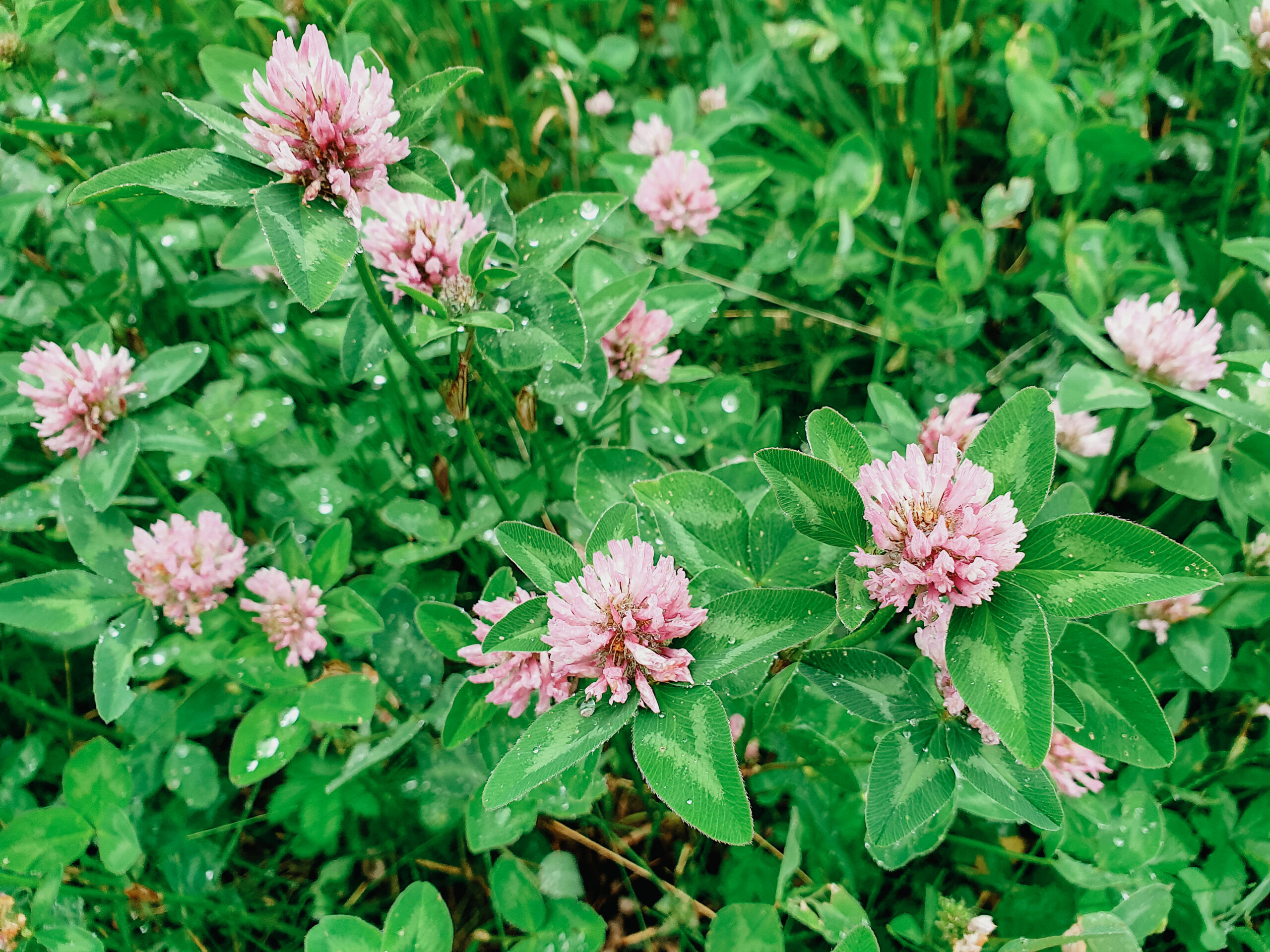
Benefits: As chronological aging progresses, natural estrogen levels decline, frequently resulting in thinner skin, reduced moisture retention, and accelerated wrinkle formation. Red clover aerial parts are rich in natural phytoestrogens (plant-based compounds mimicking estrogen), which help support skin elasticity, thickness, and overall hydration from within.
Popular Preparations: Nourishing Red Clover Flower Teas and internal herbal tinctures.
Benefits: Chamomile is widely regarded as one of the mildest yet most potent botanicals available. It excels at pacifying sensitive, easily reactive, or chronically dry skin. Its high bisabolol content delivers profound anti-inflammatory action, reducing redness and soothing micro-irritations.
Popular Preparations: Herbal bath teas combined with rose, and traditional facial herbal steams to purify pores.
Benefits: Often referred to as "botanical Botox," hibiscus calyces are naturally loaded with organic acids (including alpha-hydroxy acids) and powerful antioxidants. These compounds gently encourage cellular turnover, sweep away dull dead skin cells, and promote a vibrant, luminous complexion.
Popular Preparations: Antioxidant-rich Hibiscus Jujube Teas consumed to nourish the skin matrix systemically.
Benefits: Beyond its legendary, stress-relieving scent—which indirectly benefits the skin by lowering cortisol levels—lavender offers significant direct dermatological advantages. It helps balance sebum production, clarifies combination and blemish-prone skin types, cools localized inflammation, and enhances micro-circulation.
Popular Preparations: Lavender-infused oils ("heaven in a bottle"), DIY bath salts, and aromatic shower steamers.
Official Responses and Expert Perspectives
As the boundary lines between conventional dermatology and botanical wellness continue to blur, healthcare professionals and herbal educators are weighing in on the movement.
Dr. Elena Vance, a board-certified dermatologist specializing in integrative skin health, notes a distinct shift in clinical observations:
"For years, modern dermatology relied heavily on aggressive synthetic interventions to treat conditions like acne, eczema, and premature aging. While these treatments have their place, we are now seeing profound clinical benefits in patients who adopt an integrative approach. Ingredients like calendula, chamomile, and aloe provide essential barrier-supportive lipids and anti-inflammatory compounds that reduce our reliance on harsher synthetics, particularly for sensitive patient profiles."
Meanwhile, herbal educators emphasize the educational empowerment driving this consumer shift. A spokesperson for the Herbal Academy remarks:
"People are no longer content reading indecipherable ingredient labels on commercial cosmetics. They want a direct, transparent relationship with what goes onto their bodies. By returning to plant-based formulations, individuals are reclaiming autonomy over their wellness routines, learning how to listen to their skin’s unique needs, and utilizing time-tested botanical allies."
Implications: The Future of Clean Beauty and Self-Care
The burgeoning popularity of herbal skincare carries far-reaching implications for multiple industries, consumer habits, and environmental sustainability standards.
Shift in Consumer Education: The demand for botanical remedies is fueling a broader educational movement. Consumers are increasingly seeking out certified herbalism courses, workshops, and literature to understand botany, natural perfumery, and botanical preservation techniques, moving from passive buyers to active creators.
Sustainability and Ethical Sourcing: As the market for herbs like rose, calendula, and hibiscus expands, the beauty industry faces heightened scrutiny regarding agricultural practices. Sustainable, organic farming and wild-crafting ethics are becoming baseline expectations for brands wishing to appeal to the conscious consumer.
The Convergence of Science and Tradition: Rather than viewing traditional herbalism and modern dermatological science as mutually exclusive, the future points toward rigorous phytochemical research validating ancestral practices. Clinical trials isolating specific plant compounds are paving the way for advanced, biocompatible skincare lines.
Ultimately, achieving radiant skin is a holistic journey. By honoring the skin as a dynamic reflection of internal vitality and external care, individuals can harness the enduring wisdom of plant traditions to cultivate long-lasting health, beauty, and well-being.