








Main Facts
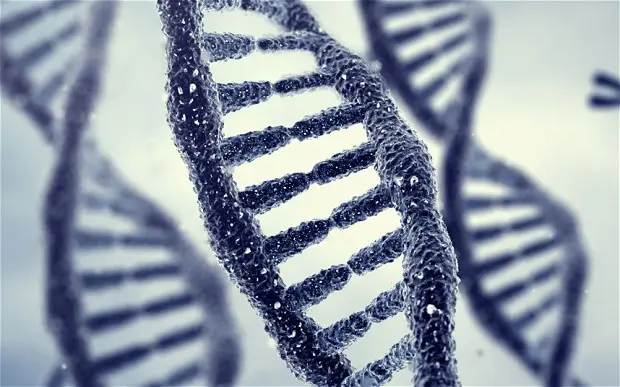
In the ongoing discourse surrounding human health, longevity, and environmental resilience, discussions of genetic damage typically center on the individual. We think of cellular mutations, localized radiation exposure, cancer risks, and the body’s innate capacity to heal itself within a single lifespan. However, a profound paradigm shift occurs when scientists and educators examine the implications of DNA damage not just for the living, but for the unborn.
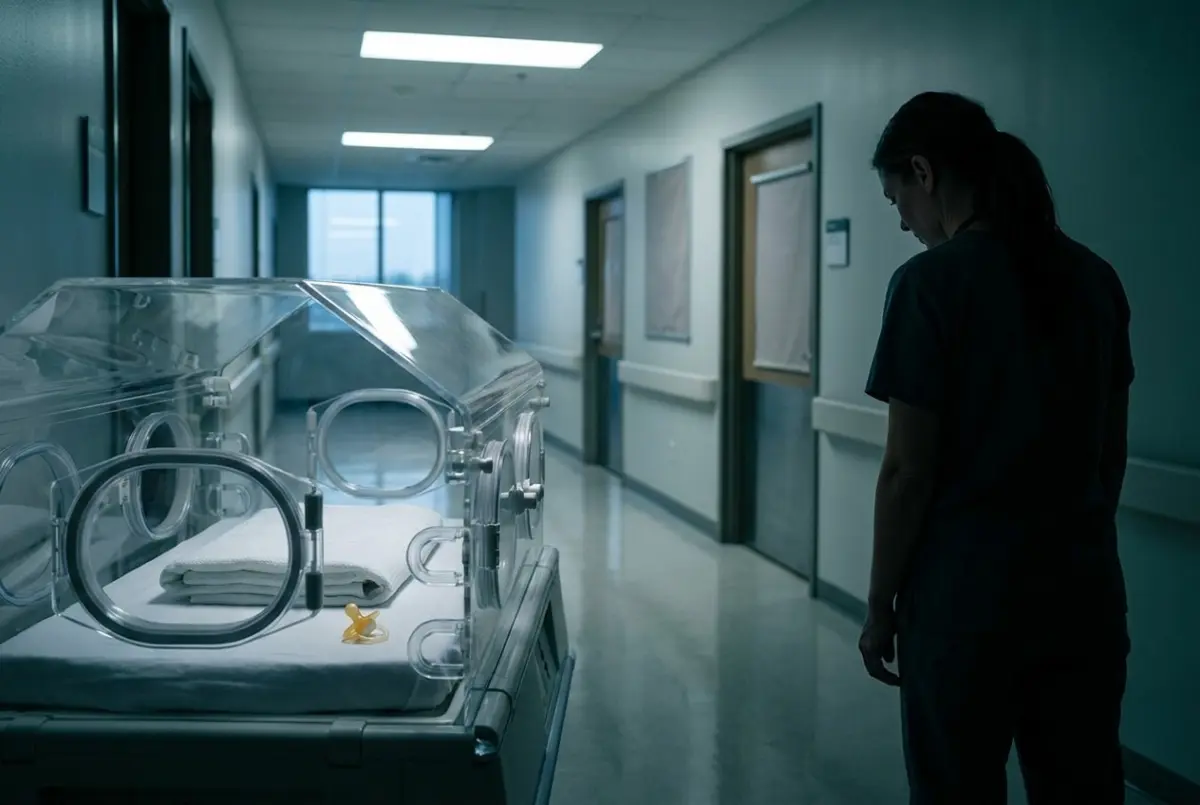
In Chapter 10 of the comprehensive educational course “UNBREAKABLE,” health educator and researcher Mike Adams expands the conversation of DNA integrity far beyond individual survival, steering it directly toward the preservation of the human germ line. The core premise of this installment asks a chilling, foundational question: What if the consequences of genetic damage do not end with the person exposed, but instead echo silently into the next generation?
The curriculum—streaming on BrightU—delineates how unrepaired or misrepaired genetic injuries in sperm and egg cells can introduce permanent mutations and chromosomal abnormalities into the biological inheritance passed to offspring. By examining the stark physiological differences between male and female reproductive biology, Adams highlights the compounding vulnerability of the human species to environmental stressors such as radiation, chemical toxins, and modern environmental hazards.
Furthermore, the course tackles the alarming concept of generational accumulation. If a parent passes down not only direct genetic mutations but also inherited deficiencies within their cellular DNA repair machinery, the subsequent generation may begin life with a severely compromised baseline of genetic resilience. By transitioning the definition of "survival" from personal longevity to the protection of a viable human lineage, “UNBREAKABLE” forces a re-evaluation of how modern society approaches environmental safety, nuclear preparedness, and cellular health.
Chronology
To understand how Chapter 10 fits into the broader thesis of “UNBREAKABLE,” it is necessary to examine the chronological progression of the 13-chapter curriculum and the historical evolution of how science views genetic vulnerability.
The Scientific Evolution of DNA Repair Research
- Mid-20th Century: Following the dawn of the atomic age and the widespread realization of the biological dangers of ionizing radiation, scientists began documenting how high-energy particles fracture DNA strands. Early assumptions held that heavily irradiated cells simply died, or that mutations resulted in immediate, localized pathologies like cancer.
- Late 20th Century: The discovery of sophisticated intracellular repair pathways—such as Non-Homologous End Joining (NHEJ) and Homologous Recombination (HR)—revealed that human cells possess intricate mechanisms to mend double-strand breaks. Research heavily emphasized somatic cells (non-reproductive cells) and how their breakdown contributes to aging and carcinogenesis.
- The 21st Century (The “UNBREAKABLE” Framework): Moving into the modern era, educators like Mike Adams recognized that environmental toxins, persistent electromagnetic fields, medical procedures, and potential nuclear fallout threats presented an unprecedented cumulative burden on human biology. The focus began shifting from reactive medical treatment to proactive cellular resilience, nutritional support, and, crucially, the protection of germline cells that bridge the gap between generations.
The Structural Arc of the “UNBREAKABLE” Course
- Chapters 1 through 9: The initial segments of the curriculum lay the microscopic groundwork. Viewers are introduced to the fundamental architecture of DNA, the mechanics of double-strand breaks, and the critical roles played by regulatory proteins such as BRCA1, 53BP1, and CHK1. Adams also explores how specific dietary and nutritional strategies may support the body’s natural cellular repair pathways.
- Chapter 10 (The Generational Pivot): This pivotal chapter bridges the gap between individual cellular survival and macro-level genetics. Here, the curriculum shifts focus from somatic tissues to germ cells (gametes), investigating what happens when reproductive cells sustain damage that biological repair machinery fails to correct.
- Chapters 11 through 13: The final chapters synthesize the course’s core lessons, addressing broad environmental exposures, spike protein concerns, practical preparedness frameworks, and long-term strategies for maintaining genetic stability in a rapidly changing world.
Supporting Data
The scientific principles underpinning the discussions in “UNBREAKABLE” are rooted in established radiobiology, genetics, and cellular biology. While Adams interprets these principles through a lens of holistic preparedness and systemic resilience, the underlying mechanisms of DNA damage, germline vulnerability, and repair deficiencies are subjects of intense study within the broader scientific community.
1. Somatic Versus Germline Mutations
To grasp the urgency of Chapter 10, one must understand the fundamental biological division between somatic cells and germ cells:
- Somatic Cells: Comprising the vast majority of the human body (skin, organs, bones, blood), somatic mutations affect only the individual carrying them. If a somatic cell suffers an uncorrected DNA break, it may result in cell death, senescence, or uncontrolled replication (cancer). However, these mutations generally die with the host and are not passed to biological offspring.
- Germ Cells (Sperm and Oocytes): These specialized reproductive cells carry the genetic blueprint to the next generation. A mutation occurring within a germ cell—or a failure of the repair mechanisms operating within sperm or eggs—becomes a permanent fixture of the zygote. Every cell in the resulting offspring inherits this altered genetic instruction set.
2. The Asymmetry of Reproductive Biology
Adams emphasizes a critical physiological distinction between male and female gametogenesis:
- Spermatogenesis: Men continuously produce new sperm throughout the majority of their adult lives through ongoing mitotic and meiotic divisions. While this continuous turnover allows for the clearance of many damaged cells, it also exposes germ cells to decades of cumulative environmental stressors, oxidative stress, and replication-associated mutations.
- Oogenesis: Biological females are born with a finite, predetermined pool of primordial follicles (eggs) formed during embryonic development. Unlike sperm, women do not generate new eggs throughout their lives. Consequently, every oocyte carried by a woman ages alongside her, accumulating environmental damage, radiation exposure, and metabolic wear-and-tear over decades without the benefit of cellular replacement. As Adams notes in the course, radiation-induced or toxin-induced mutations in these permanent germ cells are irreversible.
3. Key Cellular Repair Pathways Explored in the Curriculum
The “UNBREAKABLE” series dives deep into the molecular actors responsible for maintaining genomic stability:
- Non-Homologous End Joining (NHEJ): A primary pathway for repairing double-strand DNA breaks. While fast, NHEJ is error-prone because it directly joins broken ends without requiring a homologous template.
- Homologous Recombination (HR): A more accurate, template-dependent pathway utilized primarily during specific phases of the cell cycle to flawlessly repair double-strand breaks.
- Regulatory Proteins (BRCA1, 53BP1, CHK1): Crucial sentinels and signaling molecules that detect DNA damage, halt the cell cycle to allow for repair, and recruit downstream enzymatic machinery to fix chromosomal lesions. When these proteins are impaired—either through genetic inheritance or environmental toxicity—the cell’s capacity to protect its genome plummets.
Official Responses and Scientific Context
While independent researchers, holistic health advocates, and alternative media figures frequently sound the alarm regarding environmental mutagens, mainstream scientific bodies, public health agencies, and radiological protection organizations maintain specific protocols and consensus views on genetic risk.
The Mainstream Radiological Consensus
Organizations such as the International Commission on Radiological Protection (ICRP) and the United Nations Scientific Committee on the Effects of Atomic Radiation (UNSCEAR) have spent decades studying the hereditary effects of ionizing radiation.
- Historical Data: Extensive follow-up studies on survivors of the atomic bombings in Hiroshima and Nagasaki—specifically the Childhood Health Study evaluating children born to exposed parents—have historically found no statistically significant increase in severe hereditary genetic disorders directly attributable to radiation exposure, though laboratory studies on animal models clearly demonstrate that radiation induces heritable mutations.
- Current Public Health Stance: Mainstream agencies acknowledge that germline mutations can and do occur due to mutagenic agents (mutagens, ionizing radiation, certain chemotherapeutic drugs). However, regulatory bodies emphasize that biological repair mechanisms and natural selection (where heavily damaged embryos fail to implant or result in miscarriage) serve as robust filters against the widespread propagation of catastrophic genetic defects.
The Alternative and Proactive Perspective
Educators like Mike Adams challenge a purely passive reliance on natural biological filters, arguing that modern industrial societies face an unprecedented cocktail of persistent environmental stressors—ranging from background radiation and electromagnetic fields to chemical pollutants and novel biological agents—that threaten to overwhelm human adaptive capacities.
- The Principle of Precaution: The “UNBREAKABLE” framework operates on a precautionary principle: rather than waiting for epidemiological data to confirm widespread generational harm, individuals should proactively support their cellular repair mechanisms through targeted nutrition, minimization of avoidable exposures, and robust health optimization.
- Redefining Resilience: From this viewpoint, official assurances that modern exposure levels are "within acceptable limits" do not account for synergistic toxicities or the cumulative burden placed on the human germ line over multiple generations. Adams urges viewers to look past short-term personal survival and adopt a stewardship mindset toward humanity’s collective biological future.
Implications
The questions raised in Chapter 10 of “UNBREAKABLE” ripple outward, touching upon philosophy, ethics, public policy, and personal lifestyle choices. When genetic damage is reframed as a generational threat rather than an isolated medical event, the implications are vast.
1. The Ethics of Environmental Stewardship
If human actions—ranging from industrial pollution and nuclear energy management to widespread chemical usage—can induce permanent alterations in the human germ line, society faces a profound ethical dilemma. Environmental policies are traditionally evaluated based on their immediate impact on adult morbidity and mortality. Introducing the concept of generational DNA accumulation suggests that regulatory frameworks must account for the silent, long-term debt imposed on children who have yet to be conceived.
2. Personal Health as a Collective Responsibility
For the individual viewer, the realization that reproductive cells are vulnerable to daily lifestyle and environmental factors changes the meaning of self-care. Protecting one’s DNA is no longer solely about preventing personal fatigue, cognitive decline, or cancer; it becomes an act of biological preservation for future family members. This perspective empowers individuals to take active control of their diet, environmental toxin exposure, and stress levels to safeguard their genetic legacy.
3. The Future of Genetic Preparedness
As modern technology introduces new environmental variables—from advanced wireless communications to biotechnology applications—the need for comprehensive education regarding cellular resilience becomes paramount. Courses like “UNBREAKABLE” seek to bridge the gap between complex molecular biology and practical, actionable preparedness. By demystifying pathways like homologous recombination and highlighting the fragility of human gametes, the curriculum equips individuals with the knowledge required to navigate an increasingly complex technological and environmental landscape.
Ultimately, Chapter 10 leaves viewers with a defining query that transcends science, challenging the very definition of legacy: Will humanity simply focus on surviving the challenges of today, or will it proactively protect the biological integrity of the generations of tomorrow?
For those interested in exploring these concepts in exhaustive detail, the complete 13-chapter “UNBREAKABLE” course—featuring comprehensive breakdowns of DNA integrity, cellular repair pathways, radiation exposure, and nutritional resilience strategies—is available for streaming and purchase via Brighteon University.