









Main Facts
The modern global landscape sees millions of individuals pack their lives into suitcases each year, crossing continents in pursuit of higher education, career advancement, and a better standard of living. However, behind the glossy social media posts of airport departures and picturesque foreign landmarks lies a pervasive, rarely discussed public health issue: the profound, debilitating loneliness of the silent transition.
According to personal narratives and mental health advocacy frameworks, international students and expatriates frequently suffer from severe isolation masked by "cheerful compliance." The core conflict lies in the societal pressure to remain relentlessly grateful for life-changing opportunities. When individuals struggle in unfamiliar environments, they often invalidate their own emotional distress because others have endured harsher circumstances.
This psychological suppression manifests not just as sadness, but as physical ailments—chronic fatigue, somatic headaches, and sleep disturbances—ultimately underscoring a critical gap in institutional and social support systems for migrants. The central revelation of these lived experiences is that gratitude and grief can, and often do, coexist. True resilience is not found in emotional suppression, but in the radical, terrifying act of sharing an unedited truth: admitting when a transition is overwhelming.
Chronology: The Anatomy of a Silent Exile
To understand the trajectory of modern relocation trauma, one must examine its unfolding timeline—a progression moving from optimistic anticipation to systemic emotional exhaustion.
Phase 1: The Departure and the First Winter
The journey typically begins with a collective effort. Families, communities, and local networks pool resources, emotional support, and financial capital to send a student or worker abroad. The departing individual carries the weight of immense expectations, coupled with genuine excitement.
However, reality strikes during the initial seasonal shift—frequently the first winter. Plunged into an environment where the climate is physically punishing and social networks are nonexistent, the newcomer learns the art of cheerful lying. Simple interactions, such as answering "How are you settling in?", become linguistic performances. The phrase "Really well, thank you" becomes the most spoken—and least honest—sentence of their day.
Phase 2: The Micro-Triggers and the Grocery Aisle Breakdown
The tipping point rarely arrives in the form of a major catastrophe; instead, it is catalyzed by micro-triggers. A routine trip to a supermarket can transform into an emotional crisis. Searching for a familiar vegetable or comfort food item and finding empty shelves—or entirely different nomenclature—can undo months of forced composure.
For many, breaking down in front of frozen goods or household items feels humiliating. The immediate reaction is to wipe away tears, complete the transaction, and send an upbeat, curated photograph back home with smiley face emojis. This establishes a dangerous routine: struggle in private, perform in public, and report home as a contented postcard.
Phase 3: The Somatic Toll and the 3:00 AM Awakening
When emotional needs are repeatedly denied, the human psyche finds alternative exits. Without an outlet for genuine expression, loneliness transforms into physiological symptoms. Chronic headaches emerge. Sleep fails to restore energy. The individual begins snapping at the few acquaintances they have managed to make, subsequently drowning in self-loathing.
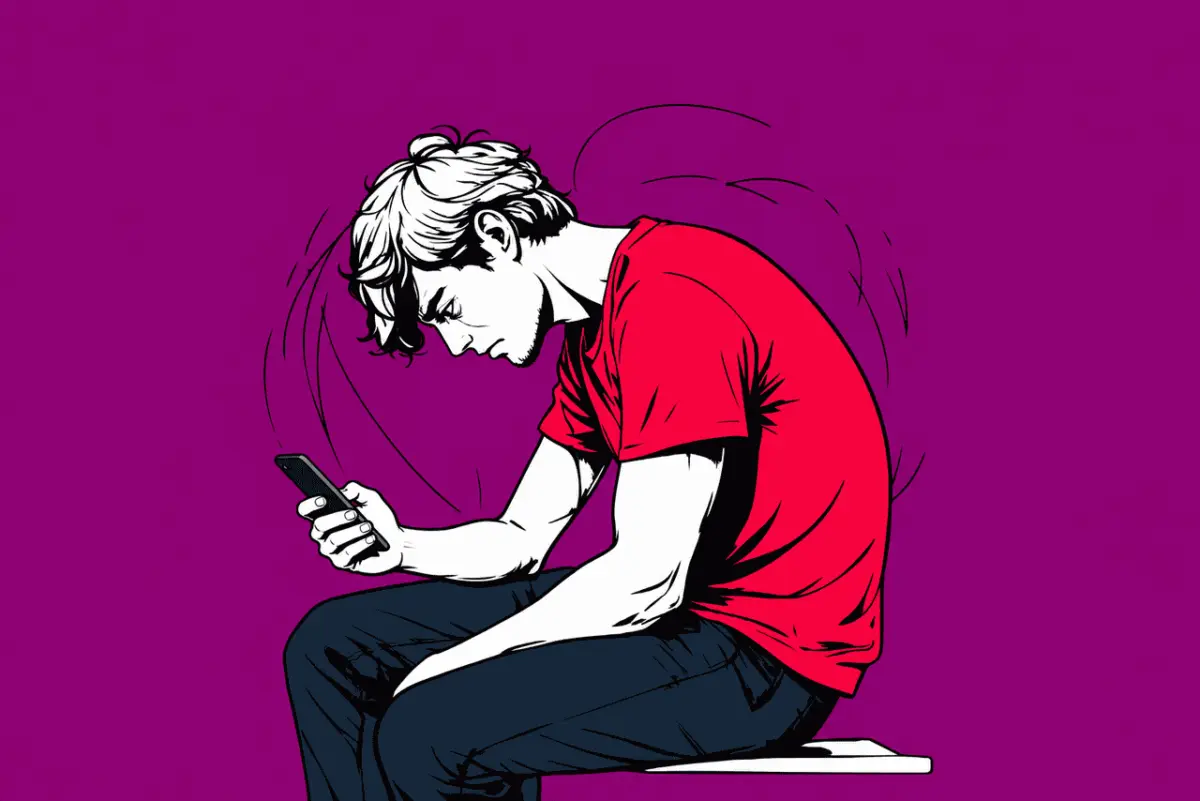
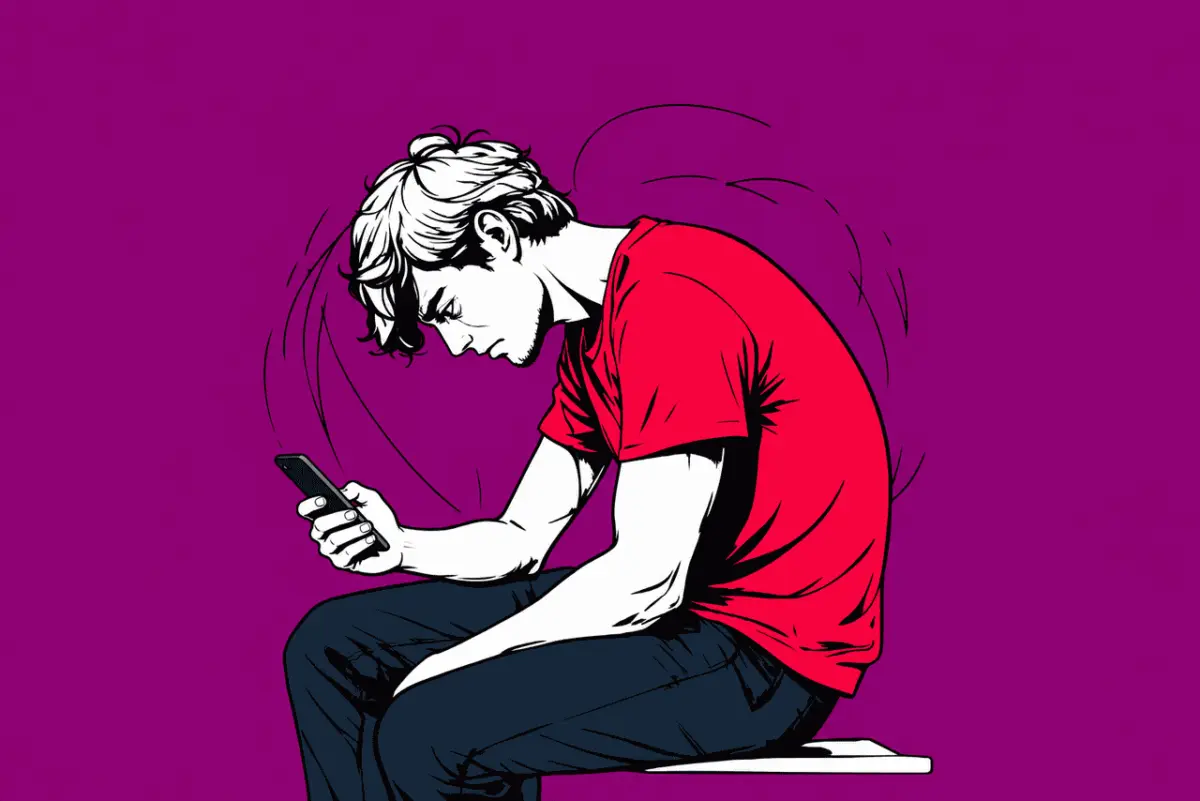
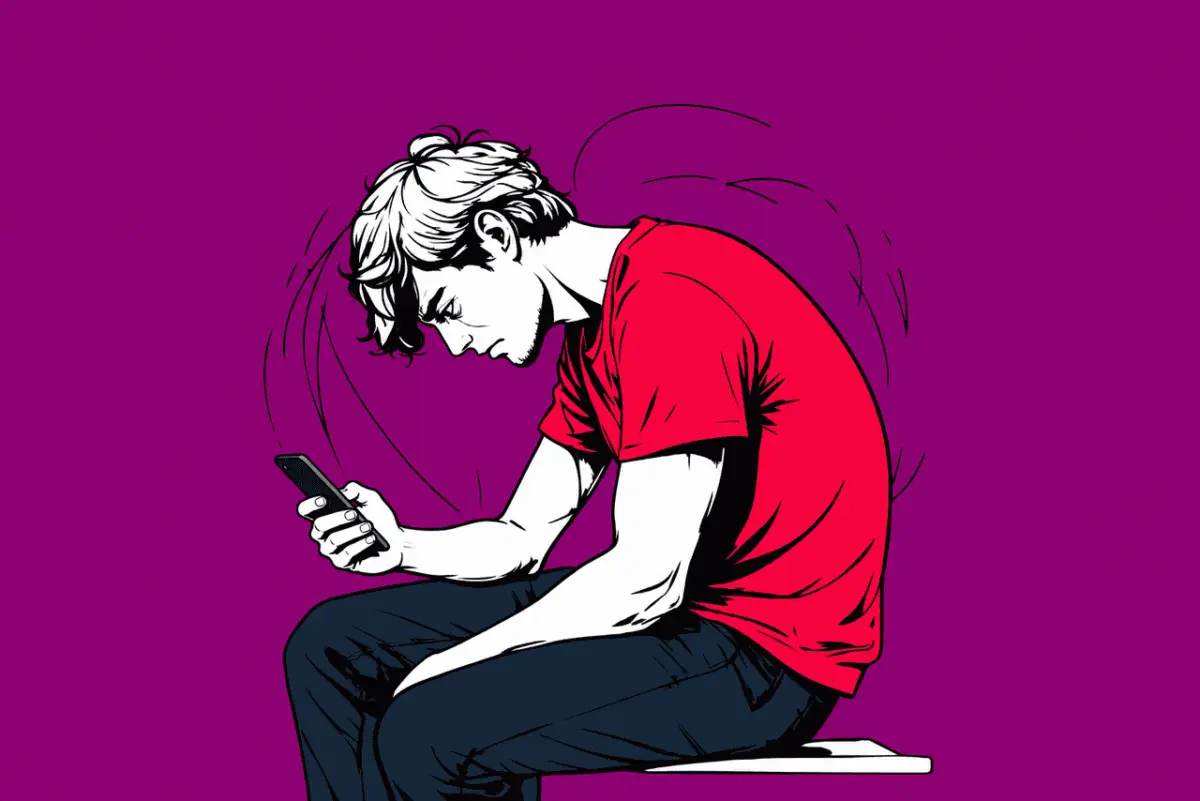
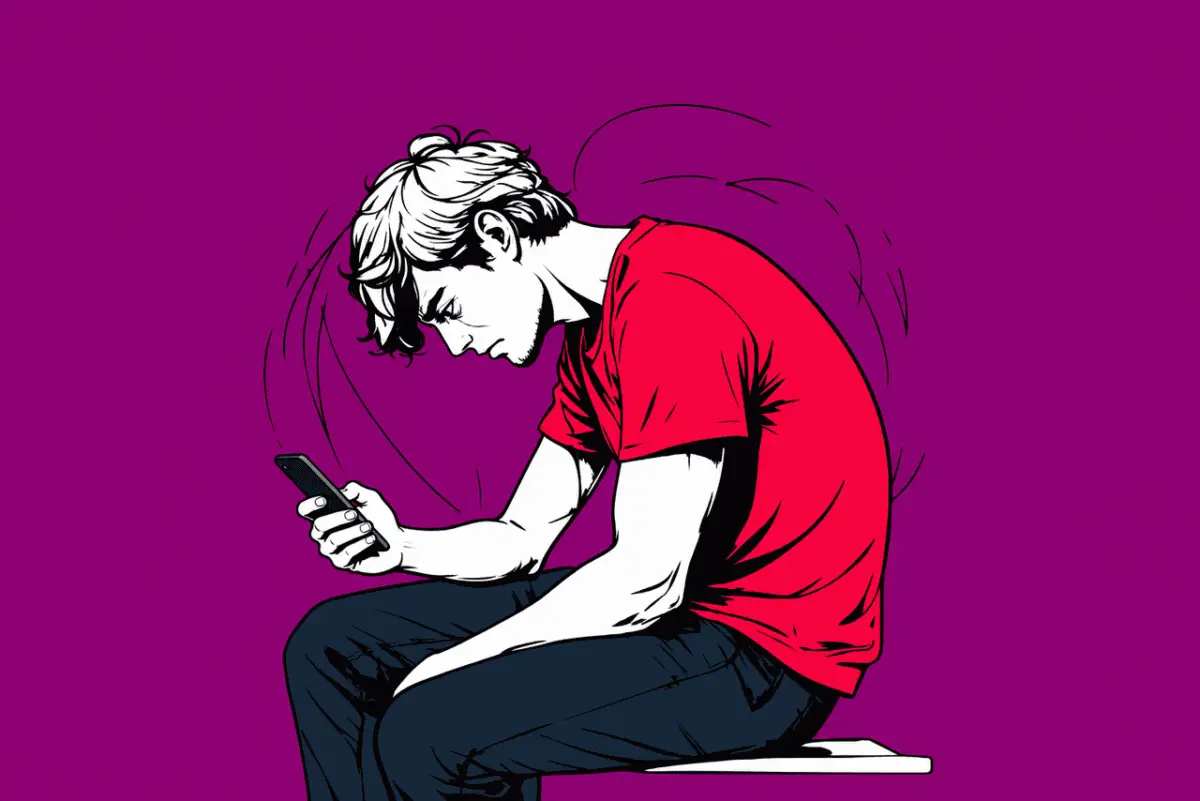
Nights become a loop of insomnia, marked by 3:00 AM scrolling through digital photo albums of a homeland that is continuing to thrive perfectly well in their absence. The internal rulebook—“Others have it worse,” “You chose this,” “You have no right to complain”—solidifies into an invisible prison.
Phase 4: The Crack in the Wall and the Power of "Me Too"
The architecture of this isolation finally fractures through minor, unexpected human contact. It often occurs when a stranger or a casual acquaintance bypasses the automated pleasantry. Instead of accepting "I’m fine," they pause. They hold space in the silence.
When the migrant finally drops their guard and admits, "Actually, I think I’ve been really lonely," they brace for rejection or toxic positivity. Instead, when the listener responds with a simple, "Yeah. Me too. It’s so much harder than people admit," the paper-thin walls of the self-imposed prison dissolve.

Phase 5: Rebuilding Through Radical Honesty
The aftermath of this confession does not instantly solve logistical problems, financial stress, or geographic distance. However, it initiates a behavioral shift. The individual begins practicing vulnerable communication—first with a cousin who admits to her own hidden years of weeping abroad, then with a neighbor, and eventually with a mental health professional. They discover a universal truth: needing support is not a synonym for being broken.
Supporting Data and Psychological Insights
While personal accounts provide the narrative texture of relocation trauma, empirical data from psychological and sociological studies illuminate the broader systemic scope of migrant and student isolation.
The Mental Health Landscape of International Transits
- Prevalence of Adjustment Disorders: Clinical psychologists specializing in cross-cultural transitions estimate that a significant percentage of international students experience clinically measurable levels of anxiety, adjustment disorder, or situational depression within their first twelve months abroad.
- The "Imposter Gratitude" Syndrome: Studies on expatriate adjustment highlight a phenomenon parallel to survivor’s guilt. Because the migration was voluntary and subsidized by familial or institutional hope, individuals internalize a belief that experiencing hardship is a personal failure. This leads to delayed psychological intervention, with individuals seeking help only when burnout reaches a critical threshold.
- Somatic Manifestations of Stress: According to behavioral medicine research, unexpressed emotional grief frequently translates into somatic complaints. Chronic fatigue syndrome, tension headaches, and gastrointestinal distress are frequently documented among individuals undergoing profound cultural dislocation, where standard diagnostic tests reveal no organic physical pathology.
The Role of Safe Spaces in Mitigating Burnout
Mental health advocacy groups, such as Hap Therapy Care, emphasize that distinguishing between standard stress and clinical burnout is vital for recovery. Structured screening tools—such as brief assessments for anxiety versus burnout—help individuals identify whether their symptoms stem from temporary environmental shock or chronic, unmanaged psychological depletion. The data consistently demonstrates that environments encouraging open dialogue drastically reduce the severity and duration of transition-related depressive episodes.
Official Responses and Institutional Perspectives
Educational institutions, immigration bodies, and mental health agencies are increasingly forced to re-evaluate how they onboard and support individuals moving across borders. Historically, institutional support has been limited to logistical assistance: visa processing, housing allocation, and academic orientation. Today, progressive entities are shifting toward holistic, emotionally intelligent integration models.
Universities and Student Services
- Beyond Academic Advising: Modern campus counseling centers are embedding peer-support networks specifically designed to combat international student isolation. Programs that pair newcomers with senior students who share cultural or linguistic backgrounds have shown measurable success in validating the emotional realities of moving abroad.
- De-stigmatizing Help-Seeking: Academic institutions are actively working to reframe mental health services. By integrating wellness check-ins into routine administrative touchpoints, universities aim to dismantle the cultural stigma that views therapy or counseling as an admission of weakness.
Corporate and Expatriate Mobility Programs
Forward-thinking corporations relocating employees internationally are expanding their duty-of-care frameworks. Rather than assuming financial compensation offsets the personal cost of relocation, human resources departments are incorporating trailing-spouse support, mental health stipends, and cross-cultural coaching. These initiatives acknowledge that an employee’s professional output is inextricably linked to their emotional stability and sense of belonging.
Implications: Re-defining Strength in a Globalized World
The stories of silent struggle and the subsequent journeys toward vulnerability carry profound implications for how we define strength, community, and empathy in the twenty-first century.
1. Dismantling the Myth of Self-Sufficiency
For generations, cultural narratives have glorified the "lone wolf"—the self-made individual who endures hardship without complaint. This article’s findings challenge that archetype entirely. True strength is not the capacity to absorb infinite pressure without cracking; rather, it is the courage to let a trusted person see the unedited version of one’s reality, even when the voice shakes. By redefining strength as relational rather than solitary, societies can foster environments where seeking help is viewed as an act of profound self-preservation.
2. Validating Intersecting Emotions
The coexistence of gratitude and grief is a vital framework for modern emotional literacy. Acknowledging that an individual can deeply appreciate an opportunity while simultaneously mourning the loss of their social fabric, cultural markers, and ease of communication prevents toxic positivity. It teaches communities that pain does not require a comparative hierarchy to be valid. One person’s suffering does not invalidate another’s; human hearts possess the capacity to hold immense thankfulness and deep sorrow at the exact same time.
3. A Call to Action for Everyday Interactions
Perhaps the most practical implication of this narrative is found in the everyday power of inquiry. The routine question, "How are you?" has become an empty social pleasantry, routinely answered by an automatic, defensive "Fine."
By adopting the behavior of the classmate who paused, waited through the silence, and held space for an honest answer, everyday individuals can become agents of psychological rescue. We do not need to fix each other’s problems, solve geopolitical barriers, or cure systemic isolation with a single conversation. Often, the most healing words available to human speech are simply: "Yeah. Me too."
As global mobility continues to define the human experience, recognizing the cracks in our shared facades allows the light of genuine human connection to finally get in.