Introduction: The Ultimate Summertime Wellness Treat
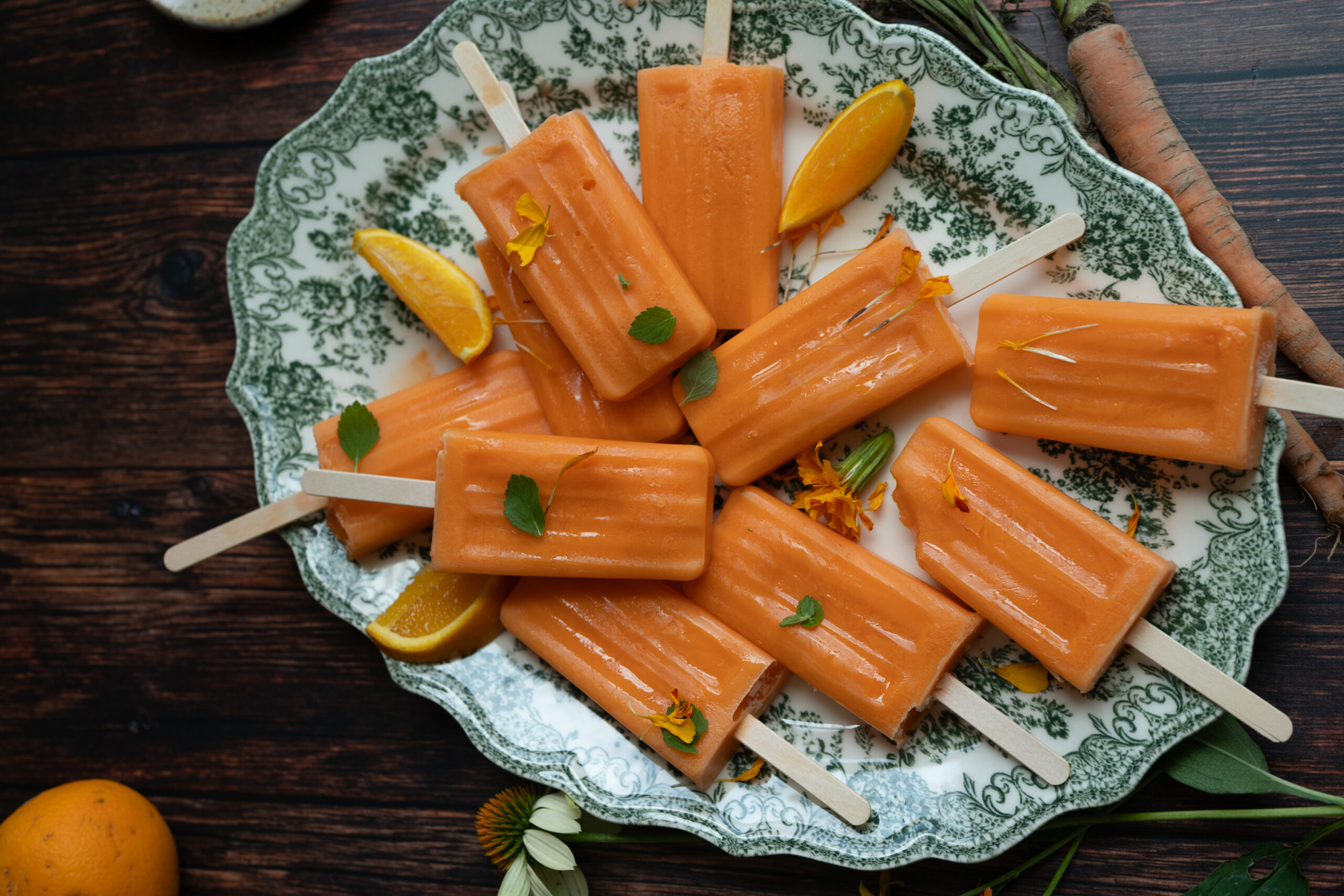
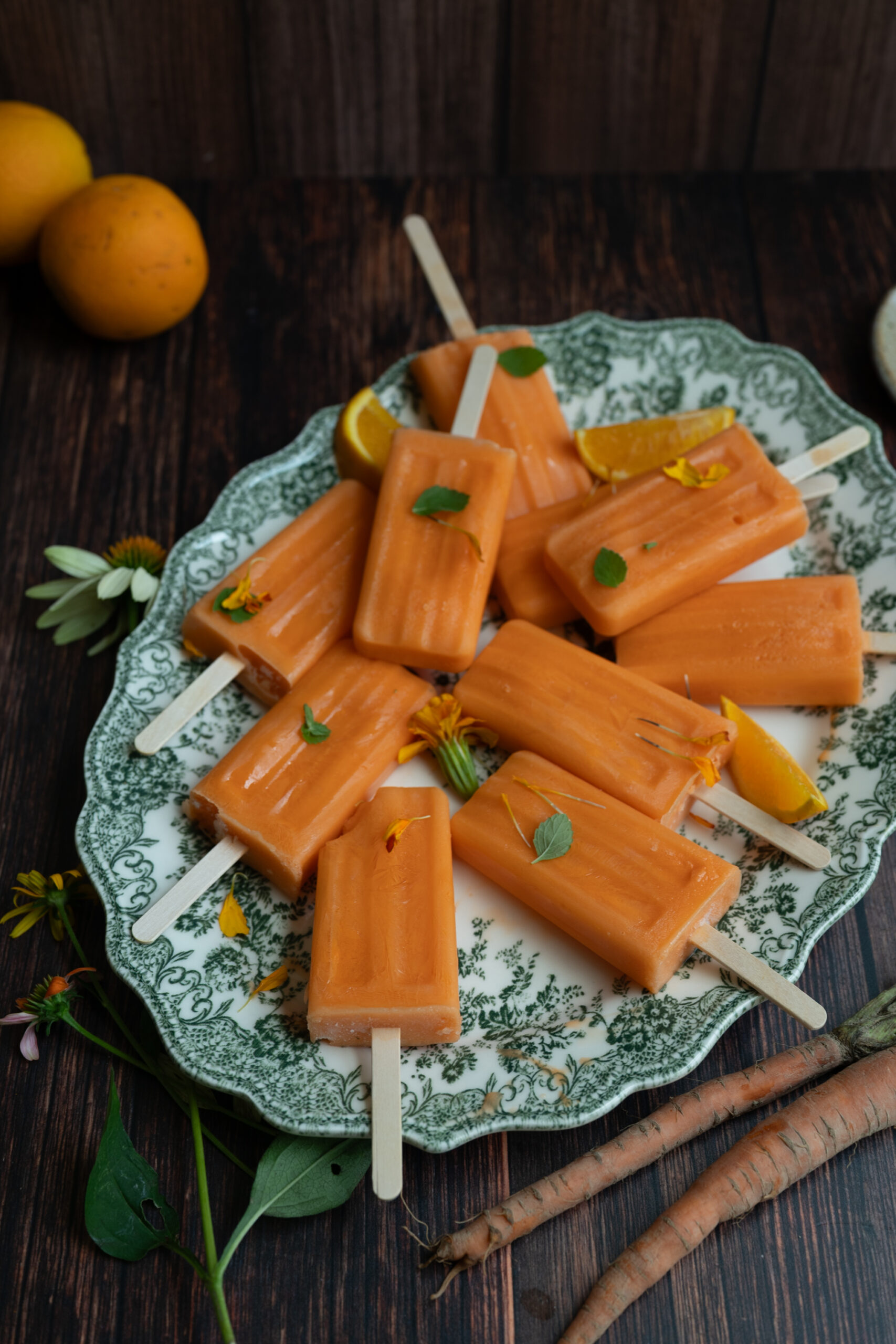
As the mercury climbs and the long, sun-drenched days of summer reach their peak, finding ways to stay cool without compromising health goals becomes a seasonal priority. Across backyards, patios, and kitchens, a quiet culinary and herbal revolution is taking place, transforming ordinary frozen desserts into functional nourishment. Enter the Vitamin C Carrot Calendula Orange Popsicles—a vibrant, golden-hued frozen treat designed to soothe the senses, combat heat-induced malaise, and provide robust support for skin, eyes, and immune health.
Crafted from a thoughtful blend of brewed calendula flower tea, fresh carrot juice, and fresh-squeezed orange juice, these popsicles bridge the gap between herbalism and modern nutritional science. Far from a standard sugary ice pop, this artisanal creation harnesses the power of natural antioxidants, carotenoids, and essential vitamins. As we dive into the anatomy of this sunny recipe, it becomes clear why these herbal popsicles are capturing the attention of wellness enthusiasts and culinary herbalists alike.
Main Facts: What Goes Into the Golden Mold?
At first glance, the Vitamin C Carrot Calendula Orange Popsicles command attention with their brilliant, sun-kissed coloration. However, their true value lies in the synergy of three core botanical and agricultural ingredients:
- Calendula Flowers (Calendula officinalis): Celebrated for centuries as a premier herbal remedy, calendula brings both historical gravitas and tangible health benefits to the recipe. Known historically as "an herb of the sun," these golden blossoms are packed with carotenoids that function as powerful antioxidants.
- Fresh Carrot Juice: Providing a subtle, earthy sweetness and a heavy dose of beta-carotene (which the human body converts into vitamin A), carrots lend structural substance and vibrant color while championing ocular and dermal health.
- Fresh-Squeezed Orange Juice: Delivering a tart, refreshing punch, orange juice is the recipe’s powerhouse of ascorbic acid (vitamin C). This essential nutrient plays a critical role in immune function, iron absorption, and internal collagen production.
Yielding approximately two and a half cups of liquid—which translates to 8 to 10 standard popsicles depending on mold size—this recipe requires minimal equipment, zero refined artificial sweeteners, and just a few minutes of active preparation time.
Chronology: From Garden Petals to Freezer Tray
Making these functional herbal popsicles is an accessible kitchen project that connects the creator to the traditional pacing of herbal medicine-making. The process unfolds in a simple, intentional timeline:
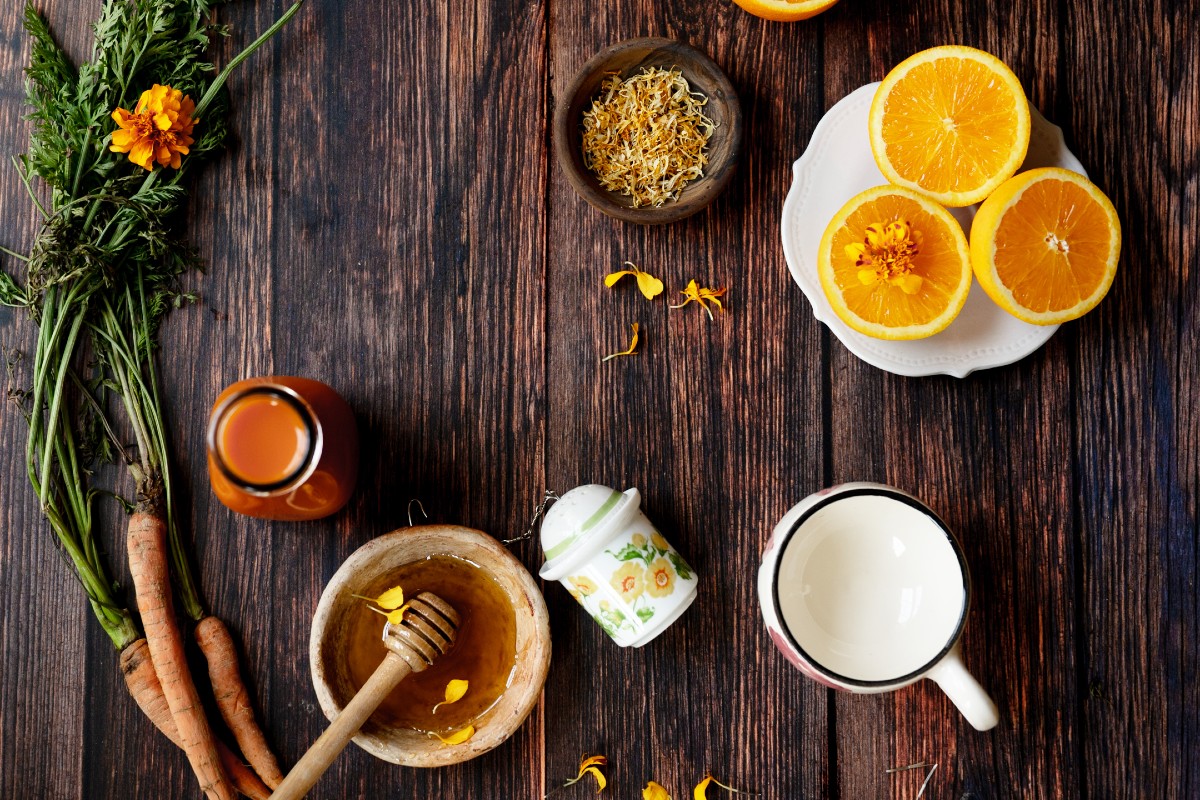
- Step 1: Botanical Infusion (The Foundation): The process begins with the preparation of calendula tea. One cup of freshly boiled water is poured over one tablespoon of dried calendula petals (or one to two calendula tea bags). The mixture is left to steep, covered, for 10 minutes to allow the water-soluble compounds and pigments to fully extract. Once steeped, the liquid is strained. If a touch of sweetness is desired, one tablespoon of raw honey is stirred into the warm tea before it is set aside to cool.
- Step 2: Blending the Juices: While the calendula tea cools to room temperature, the fresh components are gathered. One cup of high-quality carrot juice—whether fresh-pressed in a kitchen juicer or sourced pure from a trusted market—is measured out. Simultaneously, three to four medium, juicy oranges are hand-squeezed to yield half a cup of vibrant citrus juice.
- Step 3: Unifying the Elements: The cooled calendula tea, carrot juice, and fresh orange juice are combined in a pitcher or measuring cup, stirring gently to ensure an even distribution of flavors and nutrients. The resulting liquid exhibits a rich, amber-gold hue.
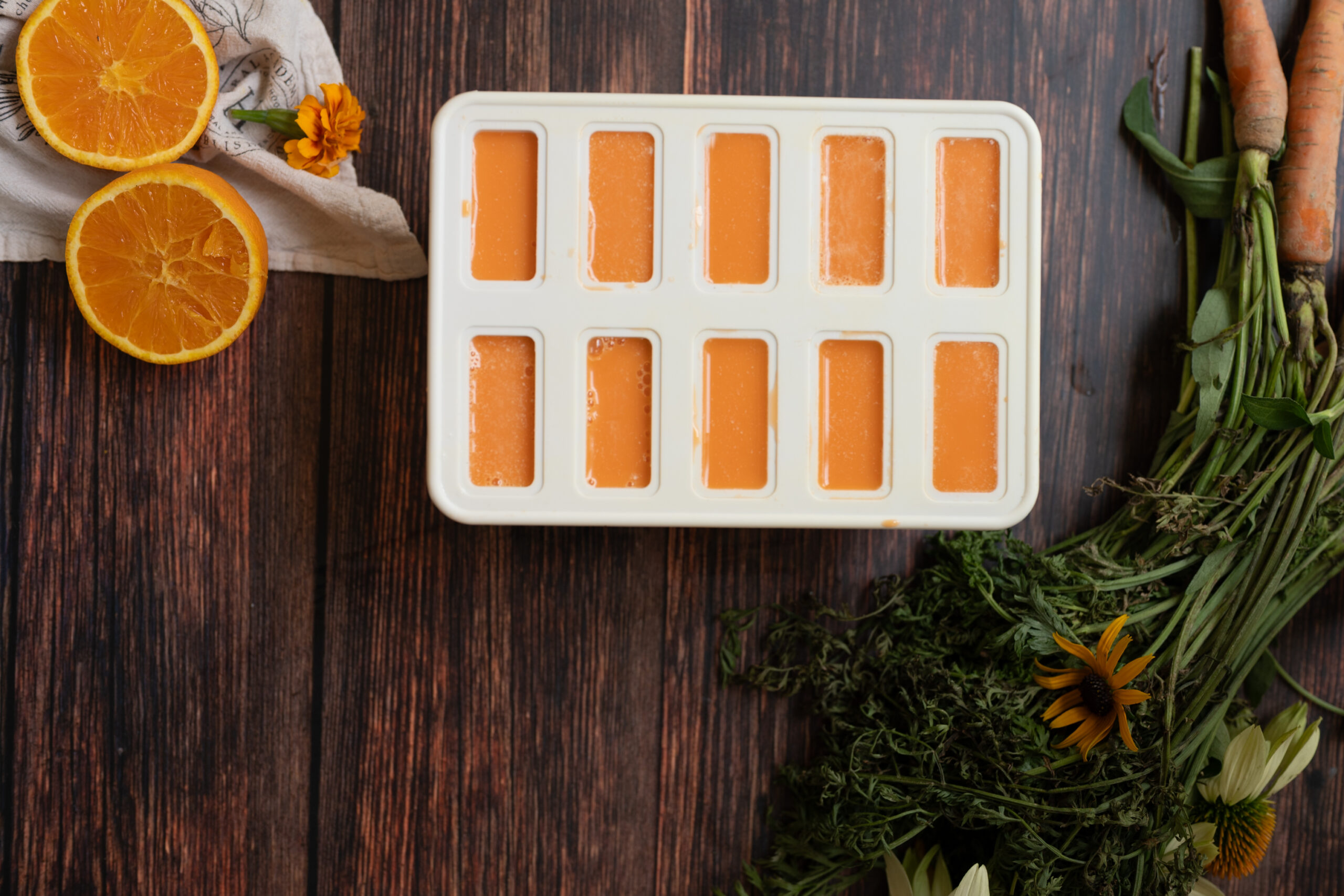
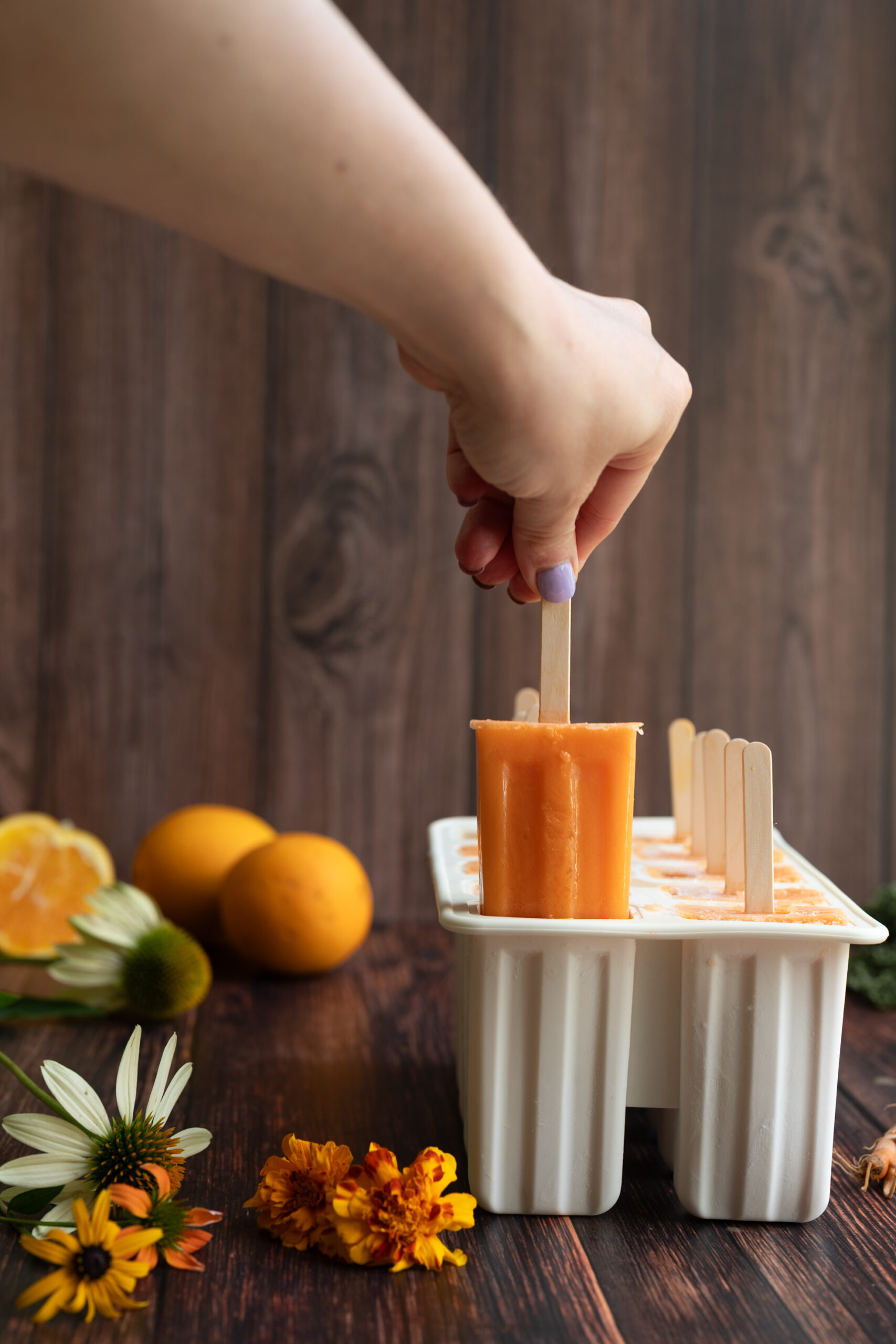
- Step 4: Molding and Freezing: The liquid mixture is carefully poured into popsicle molds, leaving a small amount of headspace for expansion during freezing. Sticks are inserted, and the mold is transferred to the freezer. Over the course of several hours, the liquid solidifies into a refreshing, nutrient-dense summer snack.
Supporting Data: The Herbal and Nutritional Profile
To truly appreciate why these popsicles are championed by herbalists, one must look closely at the data and traditional uses supporting each ingredient.

Calendula: The Vulnerary Sun Herb
Historically, 17th-century herbalist Nicholas Culpepper (1653/1850) categorized calendula as "an herb of the sun," noting its cheerful habit of opening its golden blossoms at sunrise and closing them at sunset. Modern and traditional herbalism validate this sunny disposition through its pharmacological properties:
- Topical and Internal Soothing: In holistic self-care guides, such as those by Marjory Neznek Groves (2016), calendula is recognized as a premier vulnerary (wound-healing) herb. It is frequently deployed in salves and creams for diaper rash, minor burns, and sunburns due to its gentle nature on sensitive skin.
- Internal and Antioxidant Actions: When consumed internally, calendula soothes the mucous membranes of the gut. Furthermore, its rich concentration of carotenoids provides systemic antioxidant support, safeguarding cardiovascular, ocular, and dermal tissues against oxidative stress (Tierra, 1988).
- Energetics: Herbal practitioners note that calendula possesses a cooling energy and promotes diaphoresis (sweating), making it an ideal ally for hot-weather wellness (Tierra, 1988).
Carrots: Dermal and Ocular Nourishment
Cross-cultural herbal traditions, including Ayurveda and traditional Chinese medicine, have long utilized carrots for their foundational health properties:
- Energetics and Tradition: While some traditions view carrots as having a neutral energetic profile, others classify them as slightly warming (Lad & Lad, 1994; Pitchford, 2002). Renowned Ayurvedic educator Vasant Lad (1994) highlights a classic blood-nourishing tonic combining fresh carrot and beet juice with a pinch of cumin.
- Beta-Carotene and Digestion: Carrots are universally recognized as a premiere source of beta-carotene. Both Eastern and Western frameworks acknowledge their mild laxative effects and their profound ability to support healthy vision and skin integrity.
Oranges: The Immune and Collagen Catalyst
Citrus fruits occupy a vital space in nutritional science primarily due to their exceptionally high vitamin C content:
- Collagen and Free Radical Defense: Vitamin C is indispensable for human physiology, serving as a structural cofactor in collagen and muscle formation while assisting in non-heme iron absorption.
- Skin Protection: Dermatological science notes that vitamin C functions as a potent antioxidant capable of neutralizing free radicals generated by environmental stressors, including ultraviolet (UV) radiation. By incorporating vitamin C internally, the body is better equipped to support skin resilience from the inside out.
Official Perspectives and Expert Insights
The intersection of modern dermatology, herbalism, and nutritional science provides a robust framework for consuming functional foods during the summer months. Leading herbal institutions, such as the Herbal Academy, emphasize that while outdoor sun exposure is crucial for natural vitamin D synthesis—a topic heavily explored in holistic health literature—excessive ultraviolet radiation inevitably exacts a toll on the body’s largest organ: the skin.
Expert practitioners advocate for a dual-action approach to summer wellness:
- External Protection: Utilizing physical barriers, mineral sunscreens, and shade to minimize UV damage.
- Internal Nourishment: Fortifying the body’s internal defenses with targeted dietary antioxidants.
By delivering a concentrated burst of carotenoids and ascorbic acid, recipes like the Vitamin C Carrot Calendula Orange Popsicles serve as an educational and culinary bridge, demonstrating how daily nutrition can actively support physiological resilience against seasonal stressors.
Implications: A Sustainable Blueprint for Seasonal Self-Care
The popularity of functional, herb-infused frozen treats points to a broader cultural shift toward mindful eating and proactive self-care. As consumers become increasingly discerning about the ingredients in commercial snacks—often loaded with refined sugars, artificial dyes, and preservatives—home-crafted herbal preparations offer a wholesome alternative.
Health and Lifestyle Implications
- Empowered Home Apothecaries: Simple recipes like this encourage individuals to explore culinary herbalism, transforming pantry and garden staples into accessible daily remedies.
- Sustained Summer Wellness: By integrating nutrient-dense foods that support immune function and skin health, individuals can better navigate the physiological demands of high-heat environments.
- Mindful Connection to Nature: Engaging with plants like calendula—which bloom abundantly through the warm months—fosters a deeper appreciation for seasonal eating and botanical medicine.
Ultimately, keeping a tray of golden, vitamin-rich popsicles in the freezer does more than offer a momentary reprieve from a hot afternoon. It represents a conscious choice to nourish the body with the vibrant colors and healing properties of the natural world, proving that health-conscious living can be both deeply pleasurable and refreshingly delicious.
References
- Culpeper, N. (1850). The complete herbal. Thomas Kelly. (Original work published 1653).
- Groves, M.N. (2016). Body into balance: An herbal guide to holistic self-care. Storey Publishing.
- Lad, V., & Lad, U. (1994). Ayurvedic cooking for self-healing (2nd ed.). The Ayurvedic Press.
- Pitchford, P. (2002). Healing with whole foods: Asian traditions and modern nutrition (3rd ed.). North Atlantic Books.
- Tierra, M. (1988). Planetary herbology. Lotus Press.