As the vibrant, fast-paced energy of summer yields to the crisp, reflective rhythm of autumn, nature issues a universal invitation to slow down. The transition between seasons marks more than just a drop in temperature; it signals a profound biological and psychological shift. For wellness practitioners and everyday individuals alike, this period offers an ideal window to realign daily routines with the natural world, fortify immune defenses, and cultivate intentional self-care.
Far from being a passive retreat indoors, autumn self-care is an active, mindful practice rooted in centuries of herbal tradition. By shifting our focus from external productivity to internal nourishment—crafting DIY herbal preparations, swapping light summer fare for warming roots, and intentionally clearing our schedules—we can build a resilient foundation for the colder months ahead.
The Autumnal Shift: Main Facts and Seasonal Transition
The official arrival of autumn brings cooler air, shorter days, and lower humidity levels. Biologically, these environmental changes demand adjustments from the human body. As indoor heating is activated and chilly winds sweep outdoors, skin and hair naturally lose moisture, while the immune system faces the annual onslaught of cold and flu pathogens.

Rather than waiting for winter ailments to strike, holistic health advocates emphasize preventative care. Herbalism teaches that seasonal alignment involves matching our dietary intake, topical routines, and mental pace to the demands of the environment. By incorporating nutrient-dense whole foods, botanical oils, and immune-supportive herbal remedies, individuals can seamlessly transition into the colder half of the year.
Chronology of Seasonal Wellness: A Holistic Timeline
Integrating autumn self-care into a busy modern lifestyle requires a structured, chronological approach. Wellness experts suggest pacing lifestyle adjustments across the season to avoid burnout and maximize the therapeutic benefits of plant allies.
- Early Autumn (September): Reflection and Pantry Revamp. The season begins with looking backward to evaluate the goals and growth experienced during the spring and summer. Concurrently, individuals begin clearing out summer pantries, replacing light fruit-infused waters with herbal decoctions, and stocking up on heavier, warming grains.
- Mid-Autumn (October): Immune Fortification and Topical Care. As temperatures drop steadily, the focus shifts toward proactive immune defense. This is the prime window to brew batches of fire cider, elderberry elixirs, and soothing broths. Topically, botanical oils and rich hair serums are introduced to combat environmental drying.
- Late Autumn (November and Beyond): Deep Rest and Slower Living. As daylight diminishes to its annual minimum, the body naturally craves deeper rest. This final phase of the autumn cycle encourages the intentional clearing of social and professional calendars, allowing for quiet reflection, nervous system restoration, and the enjoyment of warming, spiced culinary creations.
Supporting Data and Traditional Wisdom
The transition from summer to autumn is supported by both modern nutritional insights and traditional herbal knowledge. Clinical observations and historical herbal practices consistently highlight the importance of seasonal shifts in diet and lifestyle:

- Immune Resilience: Studies on elderberry (Sambucus nigra), astragalus, and medicinal mushrooms indicate that regular consumption of immune-modulating herbs can significantly reduce the duration and severity of seasonal respiratory infections.
- Hydration from Within: While summer hydration relies heavily on water and fresh fruits, cold-weather hydration requires healthy fats and oils. Incorporating olive oil, avocado oil, ghee, and coconut oil helps maintain the skin’s lipid barrier against harsh winds and indoor heating.
- Nutritional Density: The metabolic energy required to maintain core body temperature in winter increases the demand for complex, slow-burning carbohydrates. Whole grains like buckwheat, quinoa, and amaranth provide sustained energy and support metabolic health far better than the light, cooling salads of summer.
Official Perspectives and Expert Insights
Leading voices in botanical medicine emphasize that self-care is not a luxury, but a biological necessity during seasonal transitions. Educators from prominent herbal institutions point out that modern society often pushes individuals to maintain a uniform pace year-round, ignoring the innate human need for hibernation-adjacent rest.
"As we notice the days of fall growing colder and daylight growing shorter, nature is inviting us to slow down and discover ways to embrace a slower pace of life," notes herbal education literature. "One way you can do that is by leaving blank spaces on the calendar. Sometimes we keep our schedules so busy that we have to intentionally leave days on the calendar blank and create space for rest."
Experts also highlight that the best self-care is educational. By building a foundational understanding of plant medicine, individuals empower themselves to take control of their health outcomes, utilizing local flora and time-tested recipes to navigate seasonal shifts safely and effectively.

9 Ways to Practice Fall Self-Care
1. Reflect on Your Growth and Lessons Learned
Earlier in the year, many wellness enthusiasts engaged in a spring life reset, setting fresh intentions and health goals. The turning of autumn provides a natural checkpoint to reflect on that growth. Journaling about the lessons learned over the spring and summer months allows for emotional processing and mental clarity, closing one chapter before opening another.
2. Moisturize Your Skin and Hair with Botanical Oils
Cooler air and indoor heating strip the skin and hair of natural moisture. Botanical oils offer a deeply nourishing remedy. Combining herbs with nutrient-rich carrier oils—such as jojoba, argan, sweet almond, avocado, or olive—creates powerful topical treatments. DIY herbal hair serums and calendula-infused rosehip oils are exceptional for restoring softness and protecting the skin barrier.
3. Replace Summer Salads with Nourishing Broths and Root Vegetables
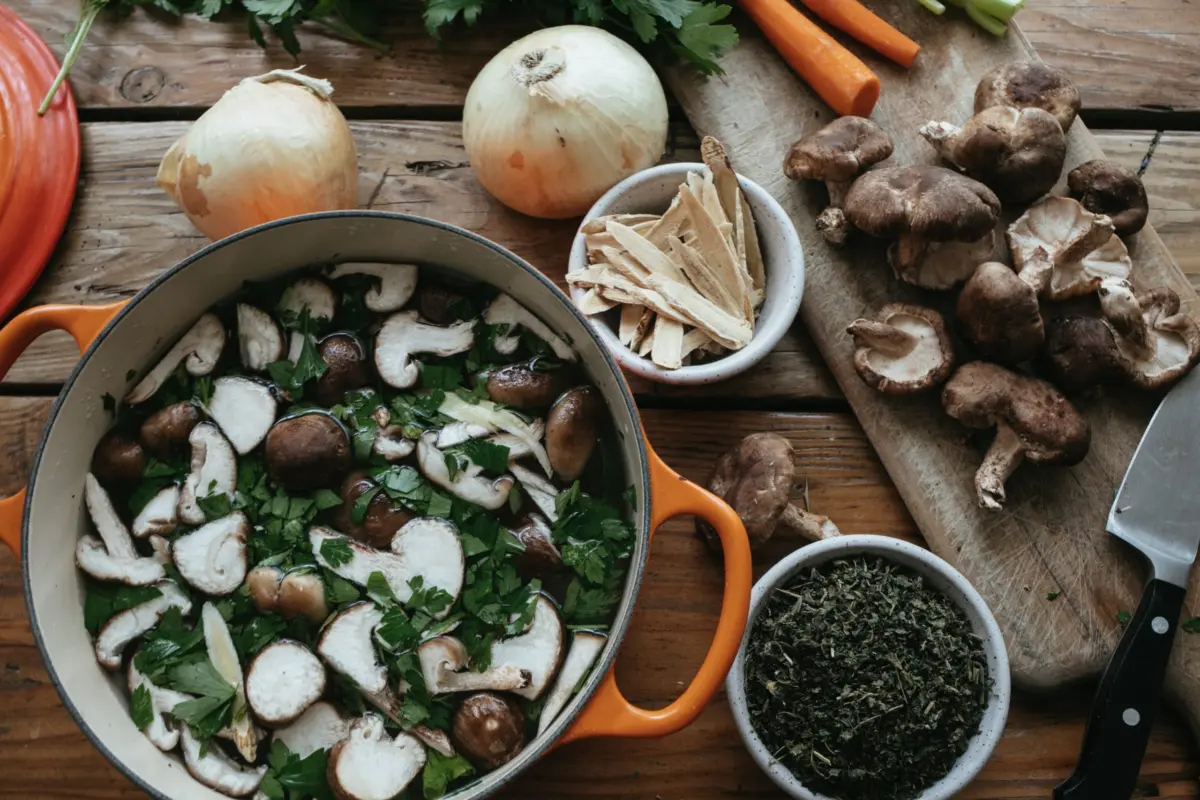
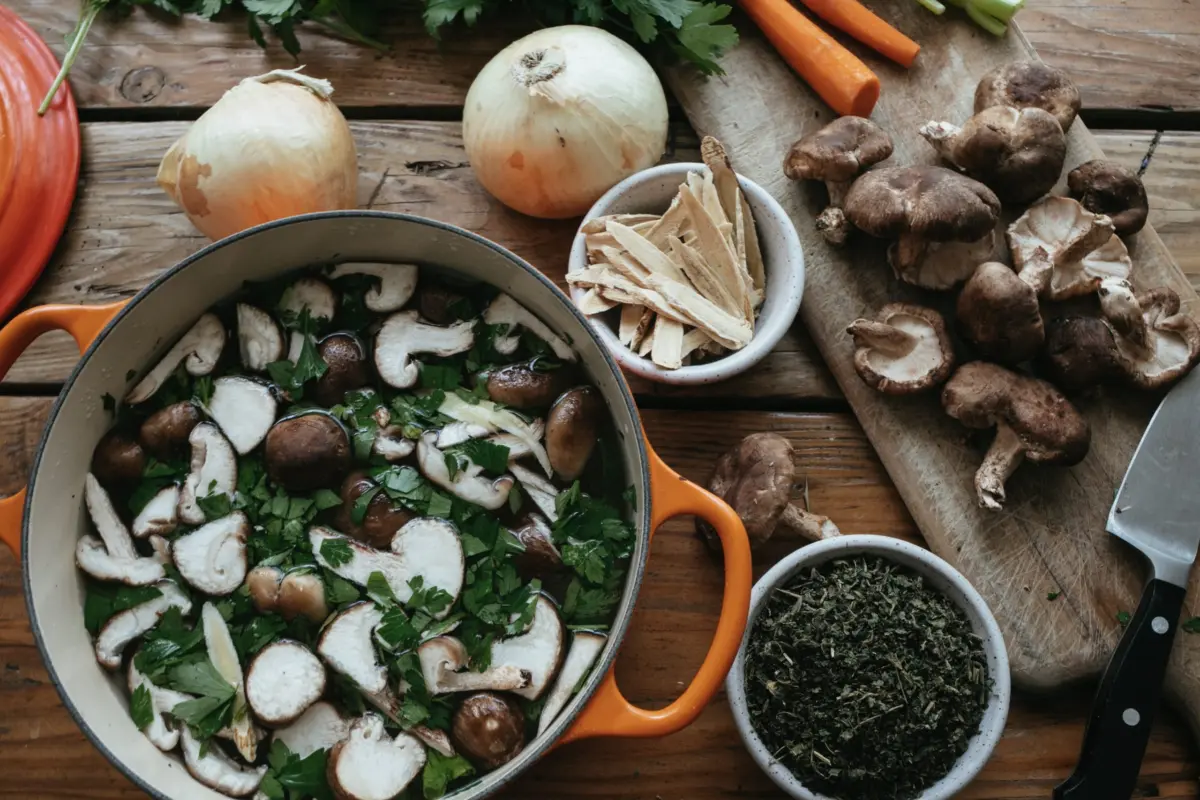
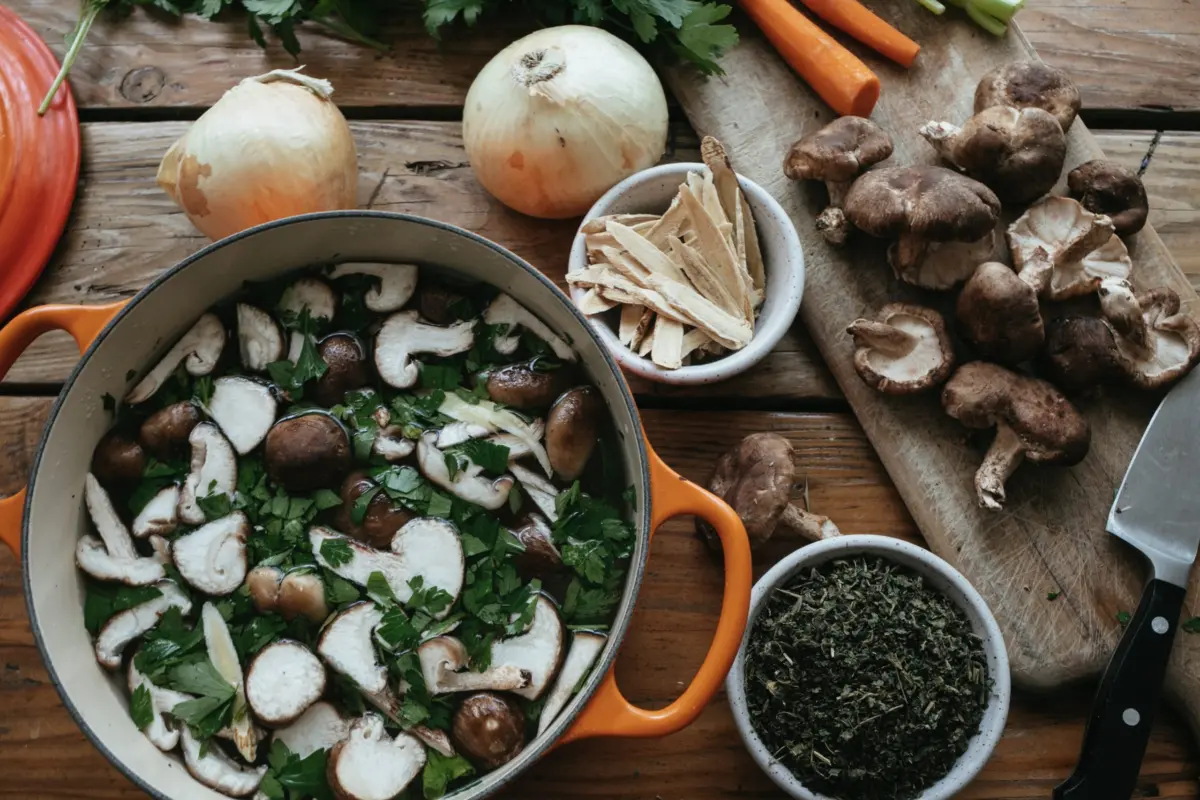
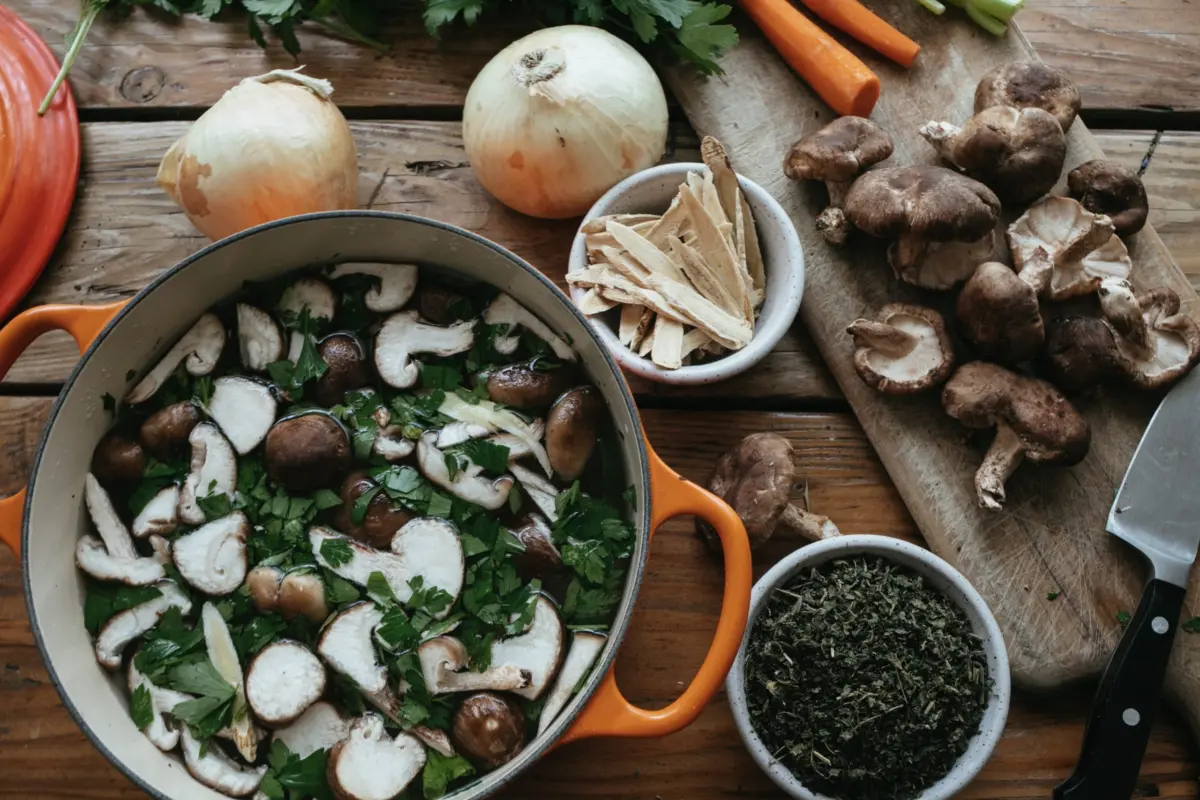
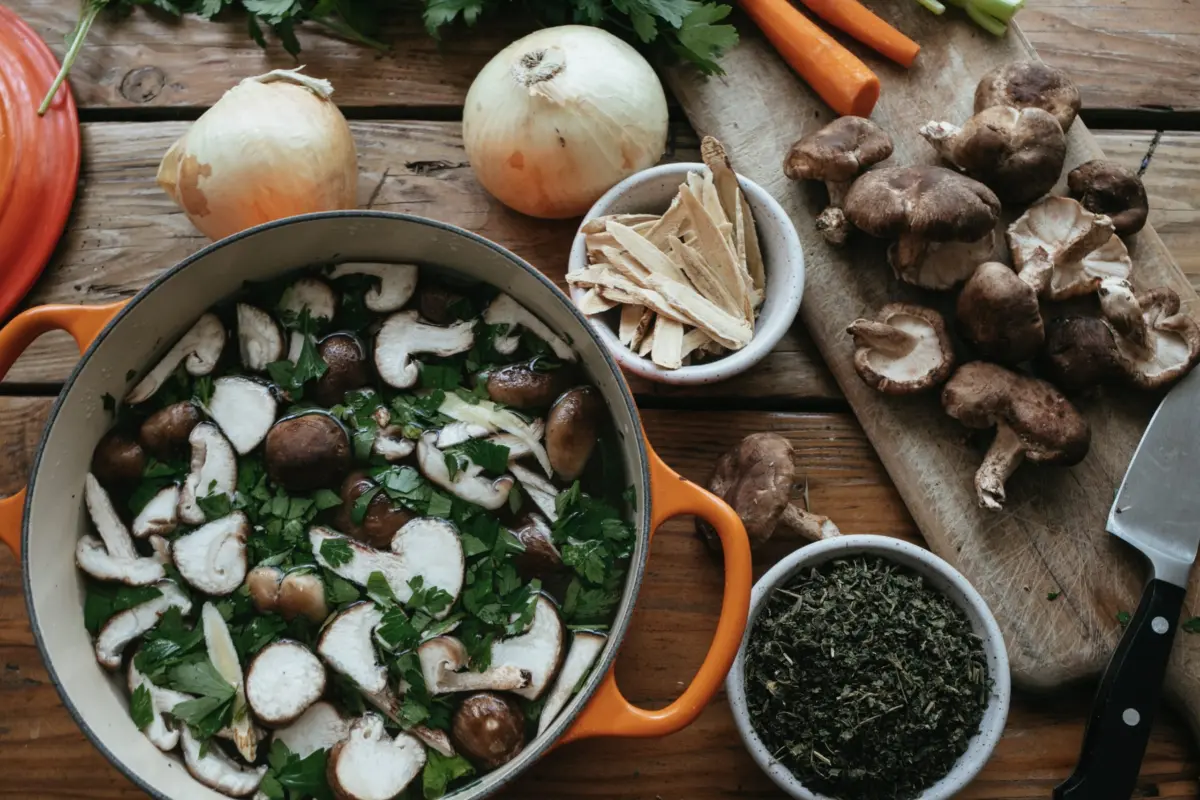
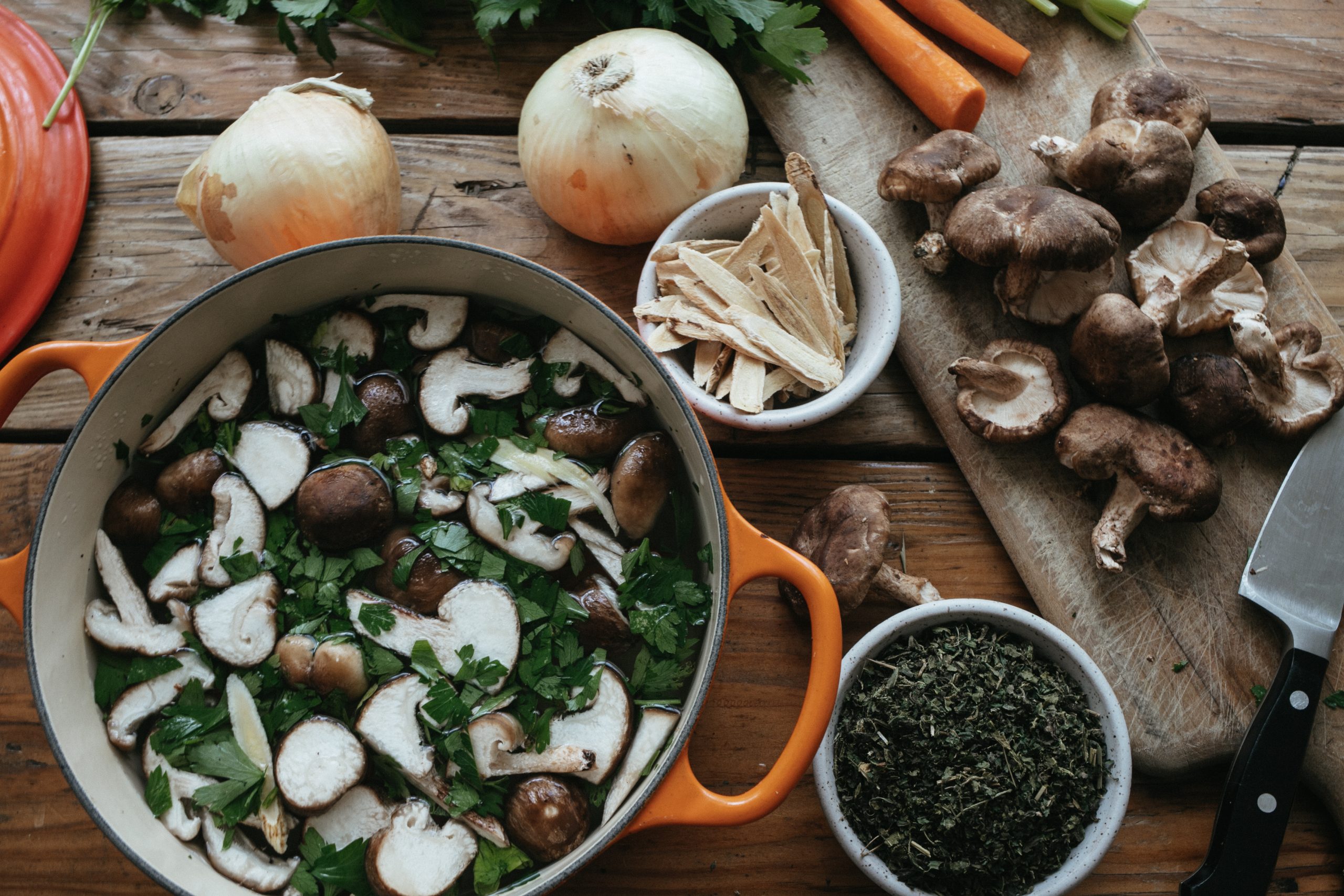
While crisp summer salads shine in warm weather, the body requires deeper, warmer nourishment as winter approaches. Transitioning to broths and root vegetables provides internal heat and comfort. Excellent culinary additions include a simple ginger decoction, astragalus chai with bone broth, and mineral-rich mushroom immunity broths enhanced with astragalus and calendula.
4. Consume More Healthy Oils
Healthy fats are essential year-round for cardiovascular and immune health, but they play a starring role in cold-weather wellness. Consuming higher quantities of olive oil, avocado oil, ghee, and coconut oil keeps the immune system robust and hydrates the skin from the inside out. High-protein crostini with olive oil or cacao granola made with coconut oil are delicious ways to incorporate these beneficial fats.
5. Revise and Restock Your Pantry with Heavier Grains
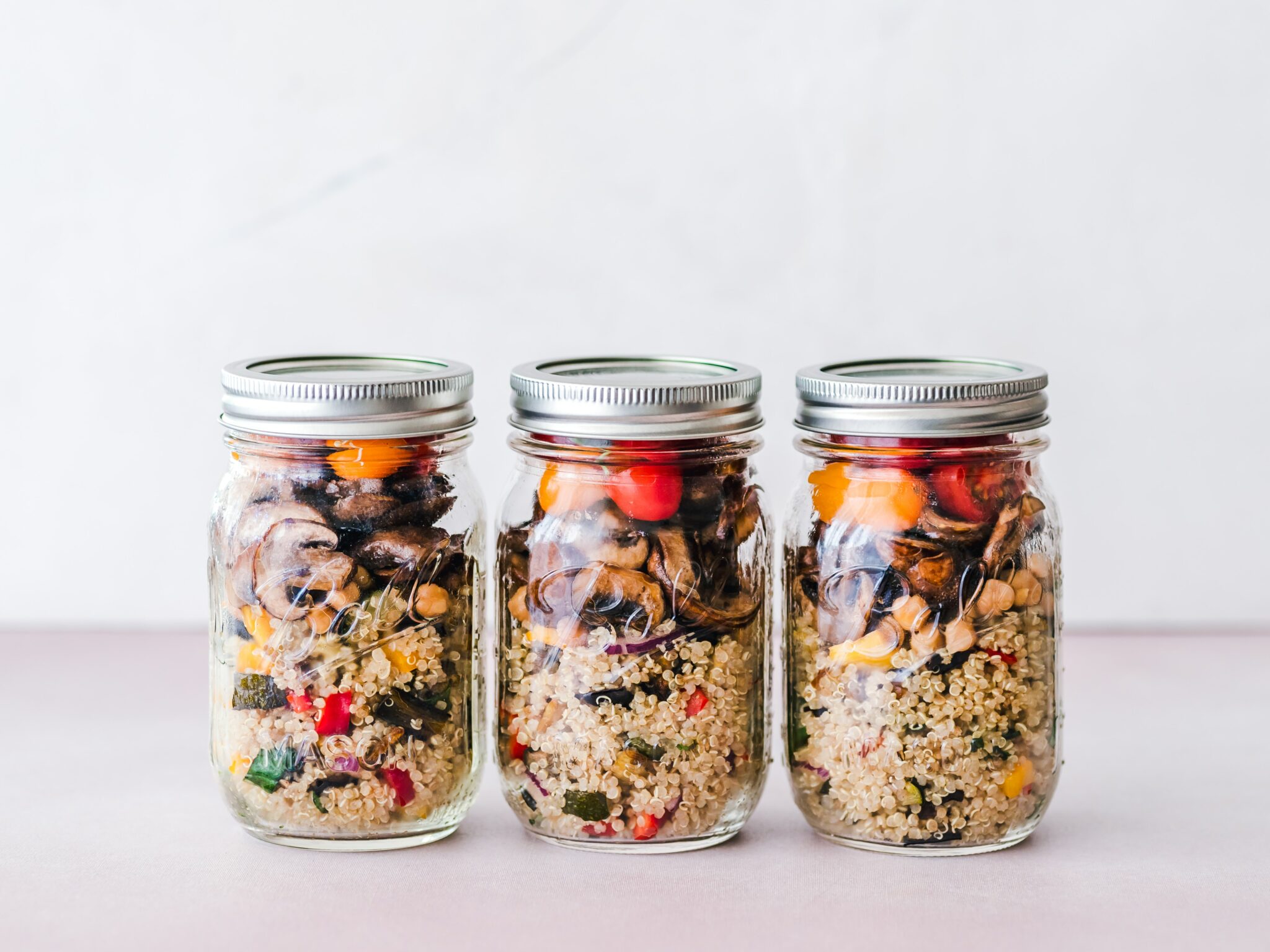
Winter demands extra caloric energy to maintain body temperature. Nutrient-dense, grounding whole grains—often described as foods that "stick to your ribs"—provide sustained energy and internal warmth. Stocking the pantry with heavier grains like quinoa, buckwheat, amaranth, and barley sets the stage for hearty meals like buckwheat pasta with spinach pesto or lentil and quinoa stews.
6. Stock Up on Syrups, Elixirs, and Fire Cider
Autumn is the premier harvesting and brewing season. Stocking the medicine cabinet with herbal syrups, elixirs, and fire cider provides a frontline defense against seasonal pathogens. Utilizing antiviral and antibacterial herbs in preparations like unexpected fire cider recipes, elderberry-calendula cold and flu elixirs, and fever-ease syrups ensures preparedness for winter ailments.
7. Swap Fruit-Infused Waters for Herbal Teas and Decoctions
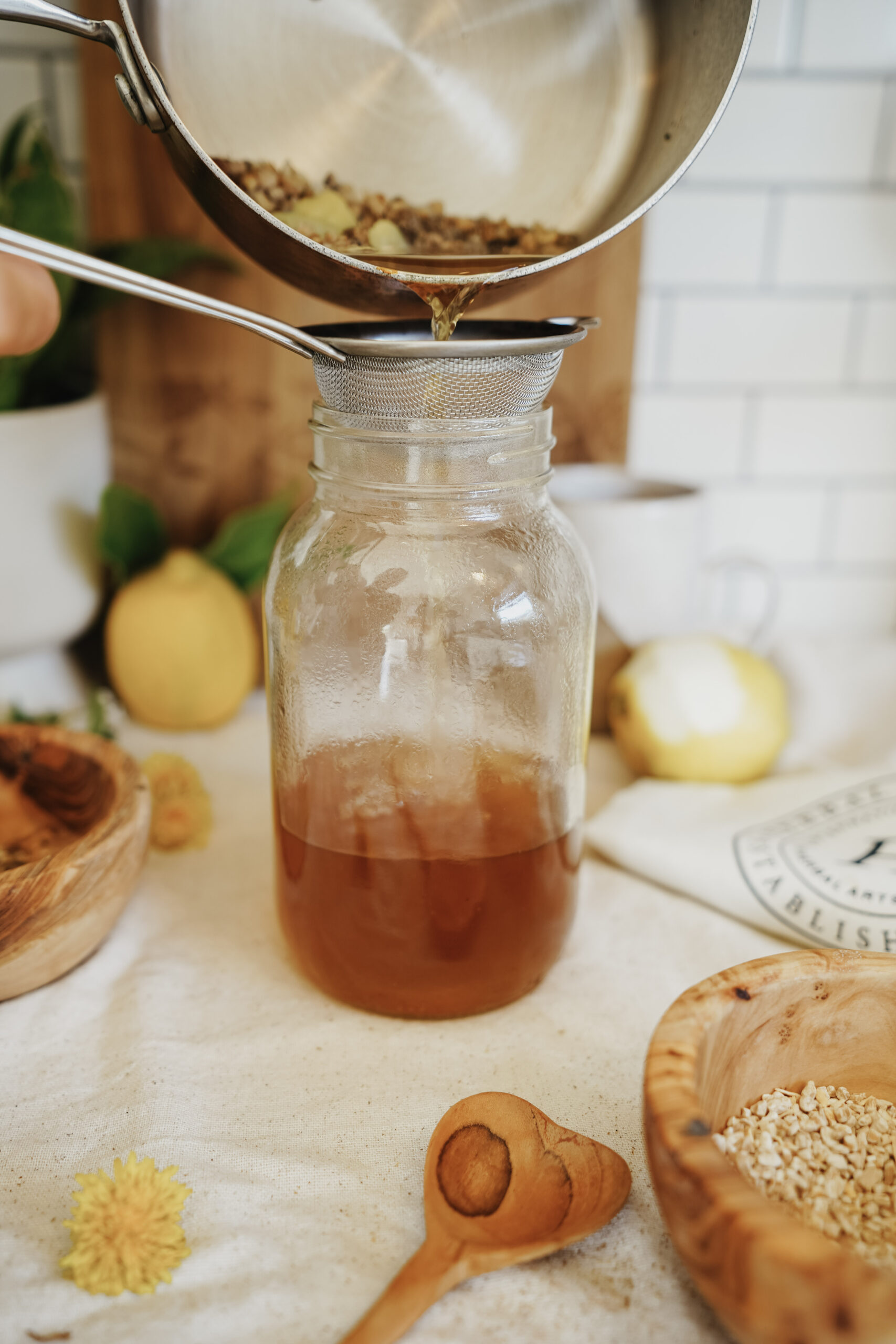
Refreshing fruit waters belong to summer. Autumn calls for the comforting ritual of warming teas and decoctions. While a tea gently infuses delicate plant parts like leaves and flowers, a decoction extracts medicine from tough roots, bark, and seeds by gently simmering them. Autumn root tea tonics, French apple cinnamon tea, and herbal hot cocoas offer seasonal hydration and deep comfort.
8. Leave Blank Spaces on the Calendar
The biological imperative to slow down during shorter daylight hours is frequently ignored in favor of holiday hustle. Intentional rest is vital for nervous system restoration and mental rejuvenation. By purposely leaving blank spaces on the calendar, individuals can honor their need for stillness, supported by nervine herbs that encourage deep relaxation and restful sleep.
9. Add Warming Spices to Your Recipes
Aligning the palate with autumn rhythms involves incorporating warming culinary spices. Cinnamon, ginger, and turmeric stimulate digestion, improve circulation, and impart comforting flavors to seasonal dishes. Trying apple compotes with digestive spice blends, spiced caramels, or exploring autumn spices designed for the herbalist’s kitchen can dramatically elevate both culinary enjoyment and physical wellbeing.
Implications for Personal Health and Lifelong Learning
The embrace of autumn self-care extends far beyond a seasonal checklist; it represents a philosophical shift toward self-reliance and holistic health literacy. When individuals take the time to brew their own remedies, bake with nutrient-dense grains, and honor their need for rest, they deepen their relationship with the natural world.
Ultimately, the journey of herbalism and self-care is infinite. As practitioners delve deeper into botanical skin care, mushroom identification, and home herbal preparations, they realize that learning never stops. By treating seasonal transitions as opportunities for education and growth, individuals can build a resilient framework of health that sustains them through autumn, winter, and across the entire wheel of the year.