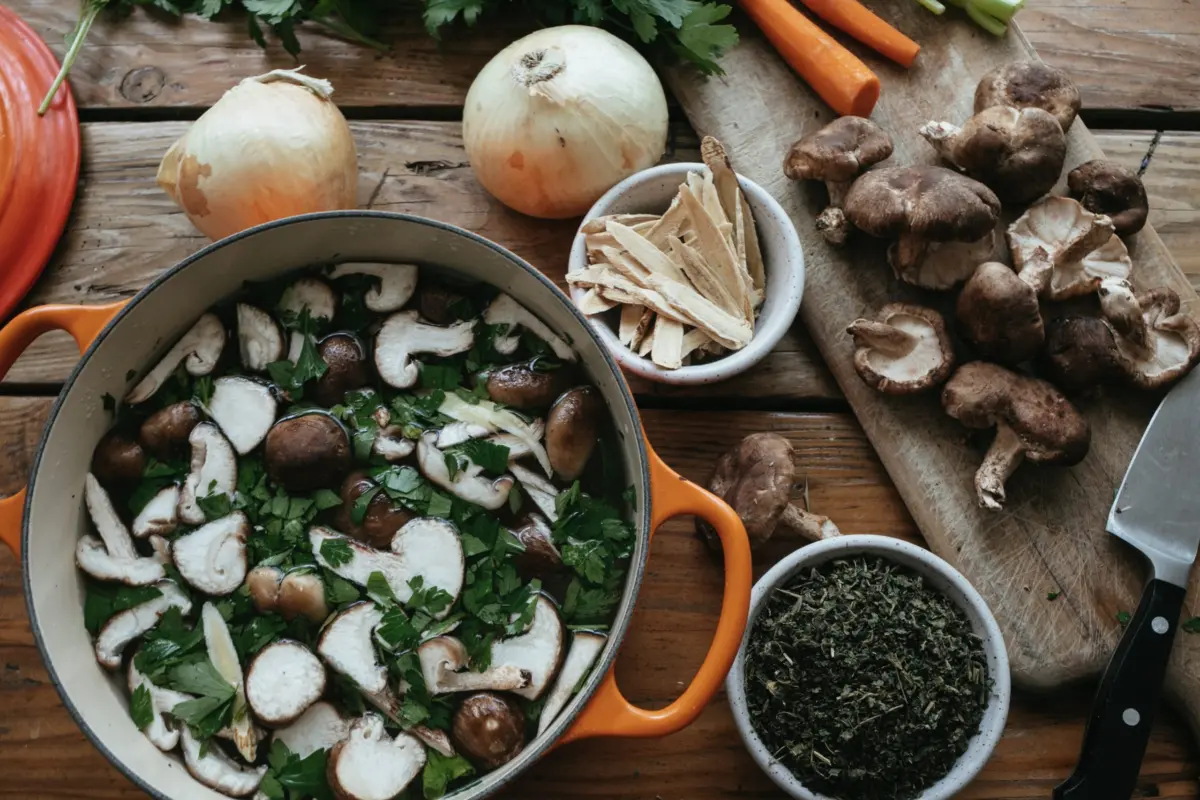
As the scorching days of summer officially yield to the crisp, brisk air of autumn, nature undergoes a profound and visible transformation. Leaves shift from vibrant greens to rich ambers, golds, and crimsons, while the daylight begins to wane, signaling both flora and fauna to wind down. For human beings, this seasonal pivot serves as an essential biological and psychological cue. It is no longer a time for the outward-facing, high-energy bustle of summer; rather, autumn invites us inward. It is a season to embrace a slower flow, fortify our immune defenses for the colder months ahead, and anchor ourselves in intentional, seasonal self-care.
In this comprehensive guide, we explore nine holistic ways to align your mind, body, and spirit with the rhythms of autumn, utilizing DIY herbal preparations, nutrient-dense seasonal nourishment, and mindful lifestyle adjustments.
Main Facts: The Shift Toward Seasonal Self-Care
The transition between summer and autumn is characterized by declining temperatures, lower humidity, and a natural shift in the body’s physiological demands. According to holistic health practitioners and herbalists, maintaining wellness through these seasonal changes requires a deliberate departure from the habits of warm-weather months.

Where summer calls for cooling foods (like crisp salads and iced fruit waters) and high-activity schedules, autumn demands internal warming, deep nourishment, and nervous system restoration. By transitioning to a routine rich in botanical oils, grounding whole grains, immune-boosting elixirs, and warming spices, individuals can actively fortify their bodies against seasonal ailments while nurturing mental clarity.
Chronology: Aligning Your Routine with the Turning of the Seasons
To successfully navigate the transition from summer’s vibrancy to winter’s stillness, wellness experts recommend a structured, phased approach to self-care.
Phase 1: Reflection and Reset (Early Autumn)
- Reflect on Growth and Lessons Learned: Following the goal-setting momentum of a spring life reset, early autumn provides the ideal psychological window to look back. Journaling about the year’s triumphs, challenges, and personal evolution helps close the energetic loop of the active seasons, clearing mental space for introspection.
- Declutter the Schedule: As the days shorten, resist the urge to overcommit. Intentionally clearing blocks of time on your calendar allows for "languid learning" and unhurried living, which are vital for nervous system health.
Phase 2: Outer and Inner Nourishment (Mid-Autumn)
- Transitioning Skincare: Cooler air and indoor heating strip the skin and hair of natural moisture. Mid-autumn is the time to introduce botanical oils—such as jojoba, argan, sweet almond, and avocado—into daily routines via DIY hair serums and facial oils.
- Pantry and Diet Makeover: Swap light summer salads for grounding, nutrient-dense root vegetables, warming broths, and heavier whole grains like quinoa, buckwheat, and barley. This provides the body with the sustained thermal energy required to maintain core temperature.
Phase 3: Defense and Preparation (Late Autumn)
- Stocking Immune Allies: Before the peak of cold and flu season arrives, home herbalists should brew and bottle protective preparations. Fire ciders, elderberry elixirs, and herbal cough syrups serve as foundational tools to help the body resist seasonal pathogens.
Supporting Data: The Science and Tradition of Herbal Wellness
The practices recommended for autumn self-care are deeply rooted in both traditional herbalism and modern nutritional science.

- Lipid Replenishment: Dermatological studies consistently support the use of plant-based botanical oils (such as rosehip and argan) for restoring the skin’s lipid barrier during low-humidity months, preventing transepidermal water loss.
- Thermal Nutrition: Nutritional physiology notes that complex, whole carbohydrates (heavier grains) and healthy fats (ghee, olive, and avocado oils) require more energy to digest—a process known as diet-induced thermogenesis—which naturally helps generate internal body heat during cold weather.
- Immune Modulation: Herbs traditionally used in autumn broths and decoctions, such as Astragalus membranaceus and medicinal mushrooms (like Reishi and Shiitake), contain bioactive compounds like polysaccharides and beta-glucans, which are clinically recognized for supporting immune system function and resilience.
Official Perspectives: Insights from Herbal Educators
The transition into autumn self-care is heavily championed by botanical educators and holistic institutions, such as the Herbal Academy. Industry experts emphasize that true self-care extends beyond superficial luxuries; it is rooted in ecological and physiological literacy.
"One of the best ways to practice self-care is by building your foundation in herbalism," notes educational outreach from botanical practitioners. "The more we learn about the body systems and how we can support our wellbeing with plant allies during different seasonal shifts, the more we realize that the learning never stops."
Experts advocate for continuous education through focused study—such as specialized botanical skincare courses, mushroom foraging and preparation modules, and foundational mini-courses on crafting herbal remedies. By learning how to harvest, preserve, and utilize local flora, individuals cultivate a profound sense of self-reliance and environmental connection.

Implications: 9 Ways to Practice Fall Self-Care
To help integrate these concepts into daily life, here are nine actionable pathways to a restorative, health-filled autumn season:
1. Reflect on Your Growth and Lessons Learned
Take out a journal and review the intentions you set earlier in the year. Acknowledge your personal victories, process the lessons hidden within setbacks, and write down fresh, grounding intentions for the slower months ahead.
2. Moisturize Your Skin and Hair with Botanical Oils
Combat the drying effects of indoor heating and brisk winds by swapping synthetic lotions for plant-based oils. Formulate a DIY Herbal Hair Serum using argan or jojoba oil, and nourish your facial skin with a restorative Calendula Rosehip Oil blend.
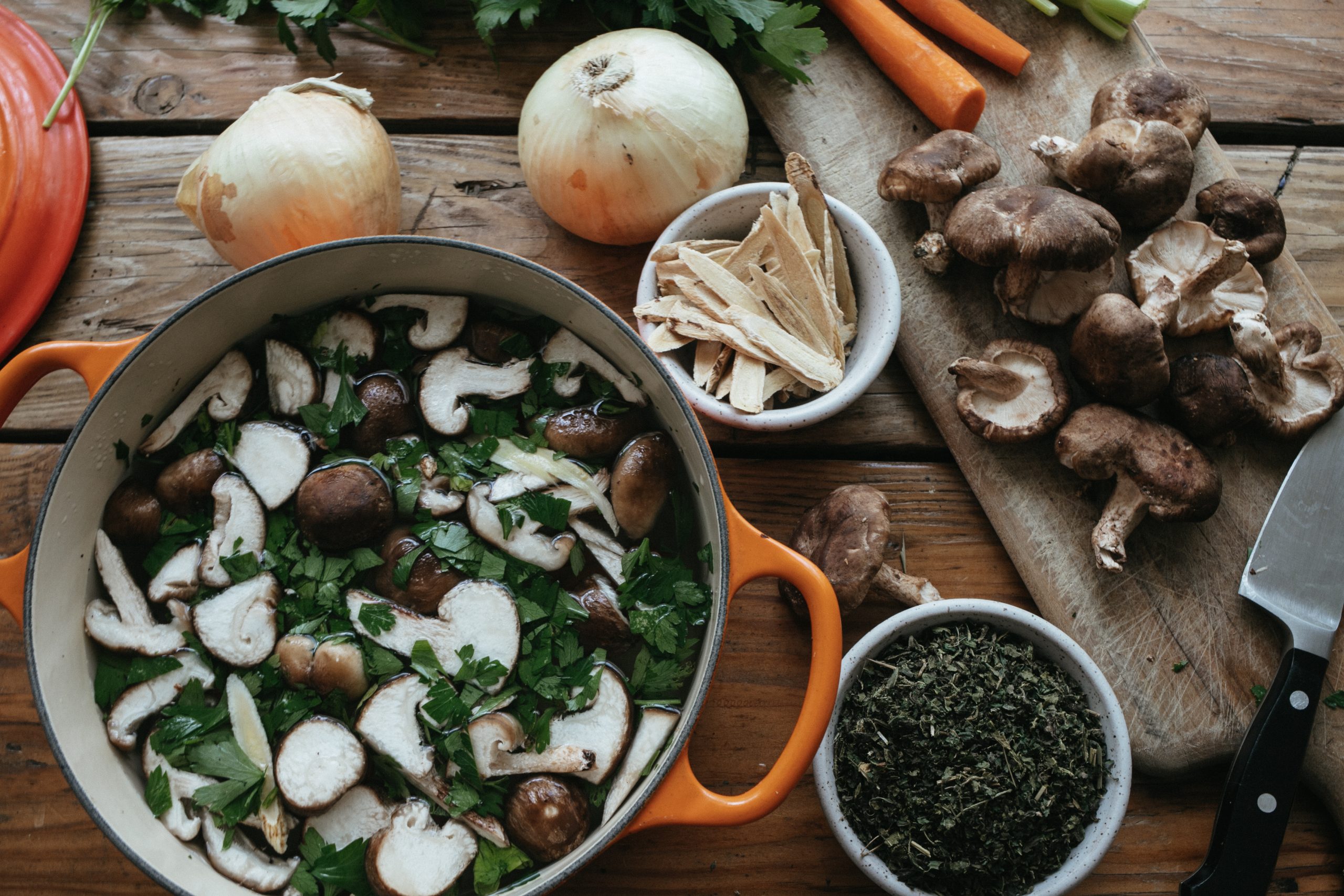
3. Replace Summer Salads with Nourishing Broths and Root Vegetables
Pivot away from raw, cooling foods and embrace nutrient-dense warmth. Incorporate hearty meals and drinks into your weekly menu, such as:
- Simple Ginger Decoction
- Astragalus Chai With Bone Broth
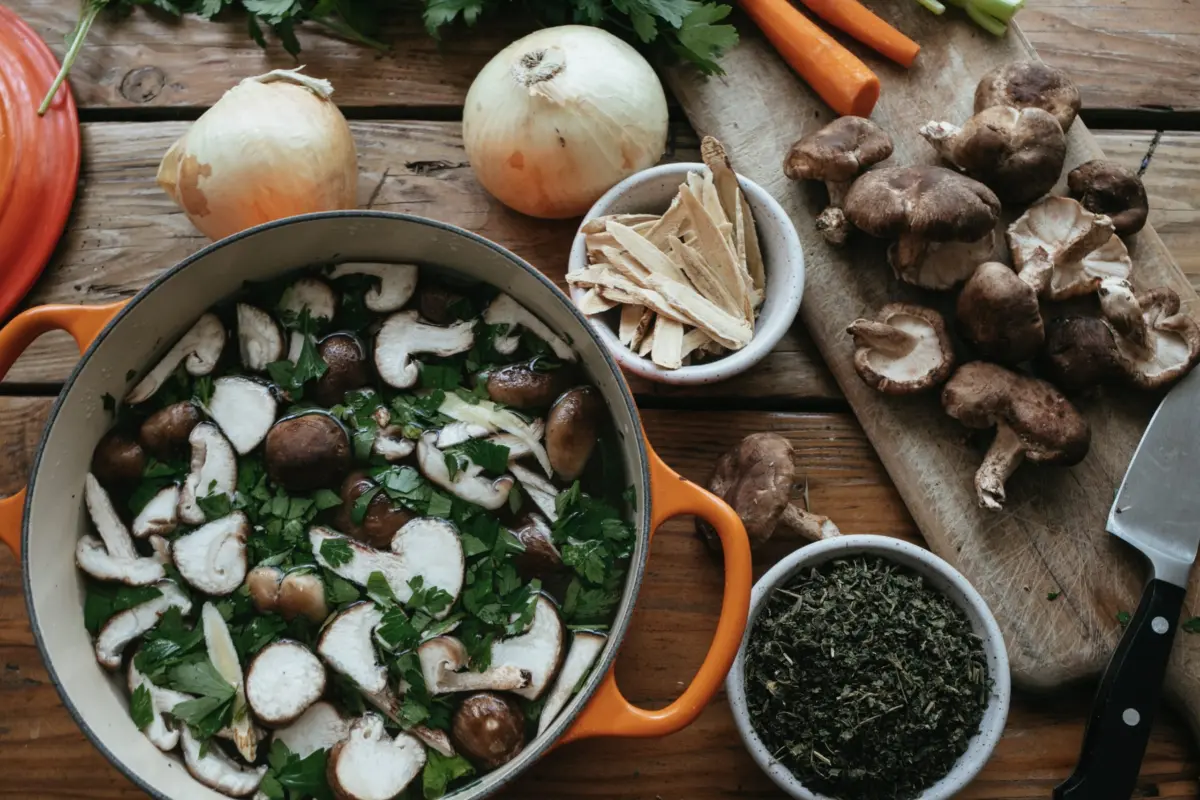
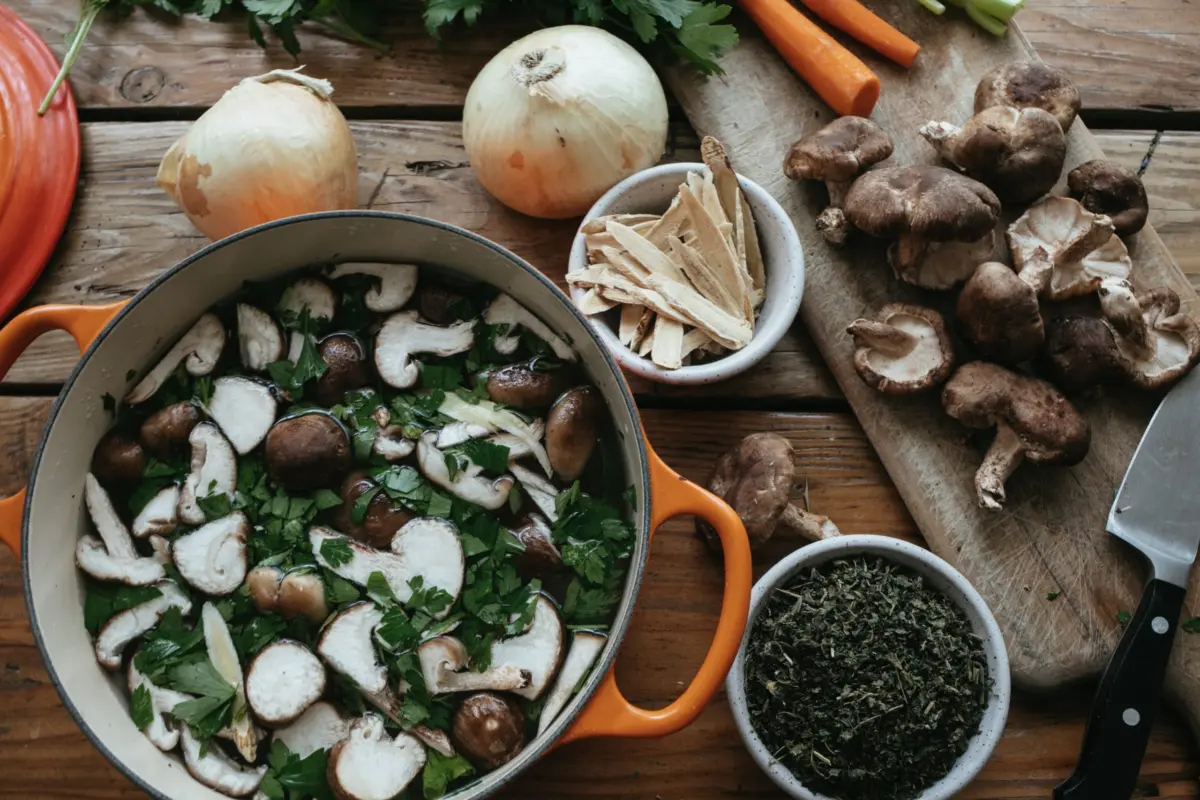
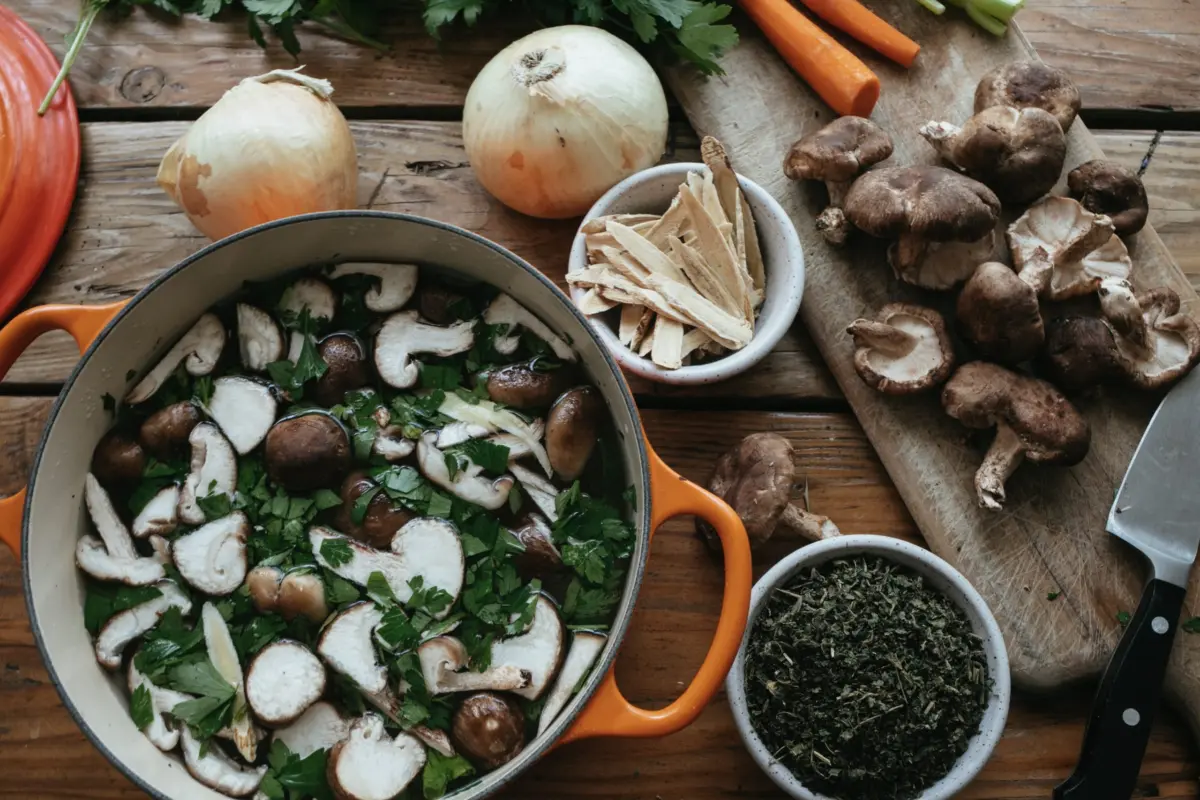
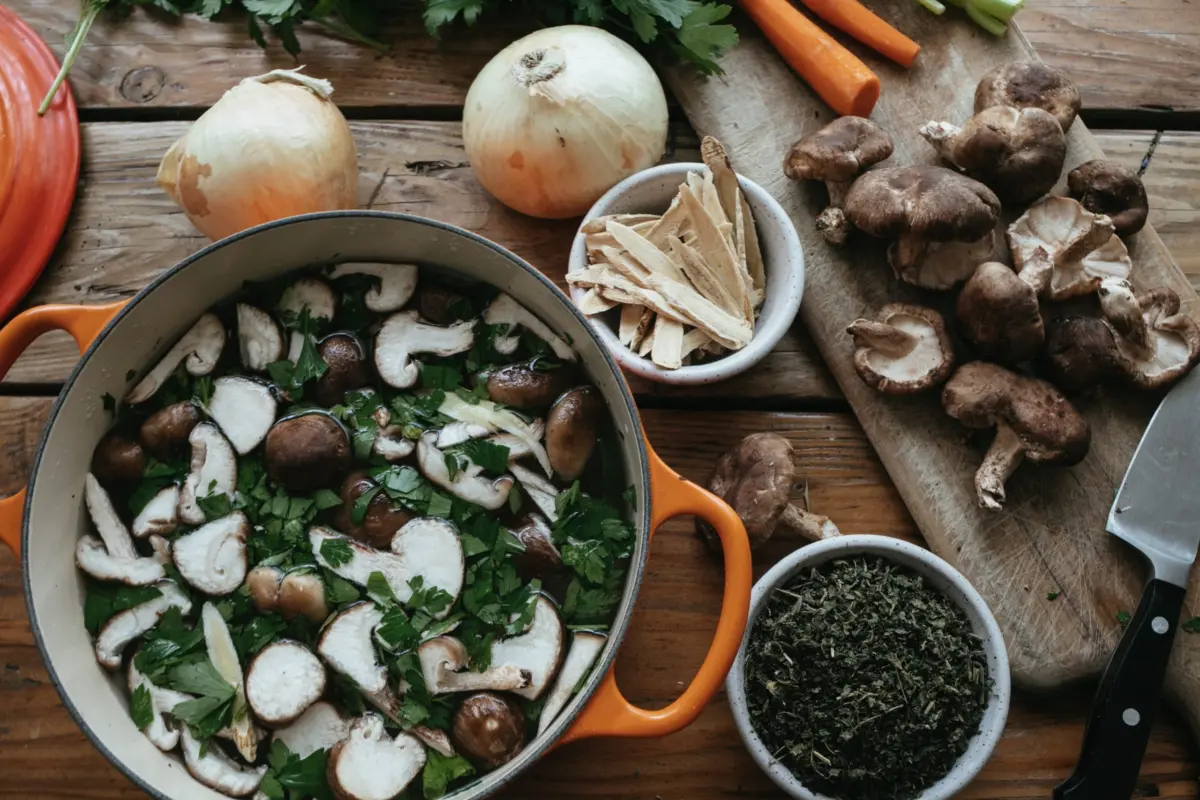
- Mushroom Immunity Broth with Astragalus and Calendula
4. Consume More Healthy Oils
Healthy fats are non-negotiable during colder months, supporting cardiovascular health, sustained energy, and internal skin hydration. Increase your intake of cold-pressed olive oil (ideal for dishes like High-Protein Pea & Mint Crostini), coconut oil (great for homemade granolas), and avocado oil for higher-heat cooking.
5. Revise and Restock Your Pantry with Heavier Grains
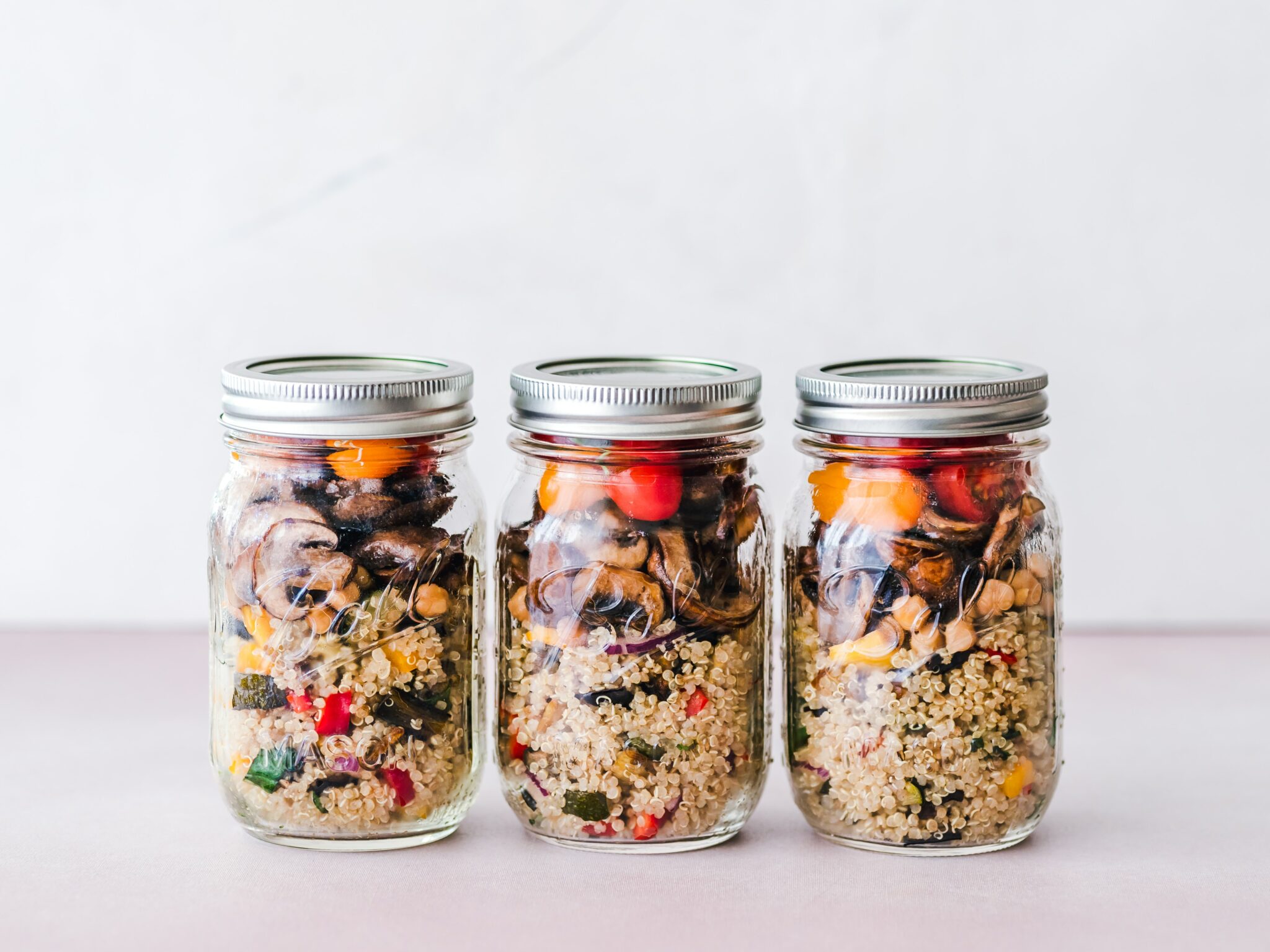
To keep your body warm and satiated, stock your pantry with complex, nutrient-dense whole grains that "stick to your ribs." Quinoa, buckwheat, amaranth, and barley are excellent bases for seasonal dishes like Buckwheat Pasta with Spinach Pesto or a Hearty Lentil and Quinoa Stew.
6. Stock up on Syrups, Elixirs, and Fire Cider
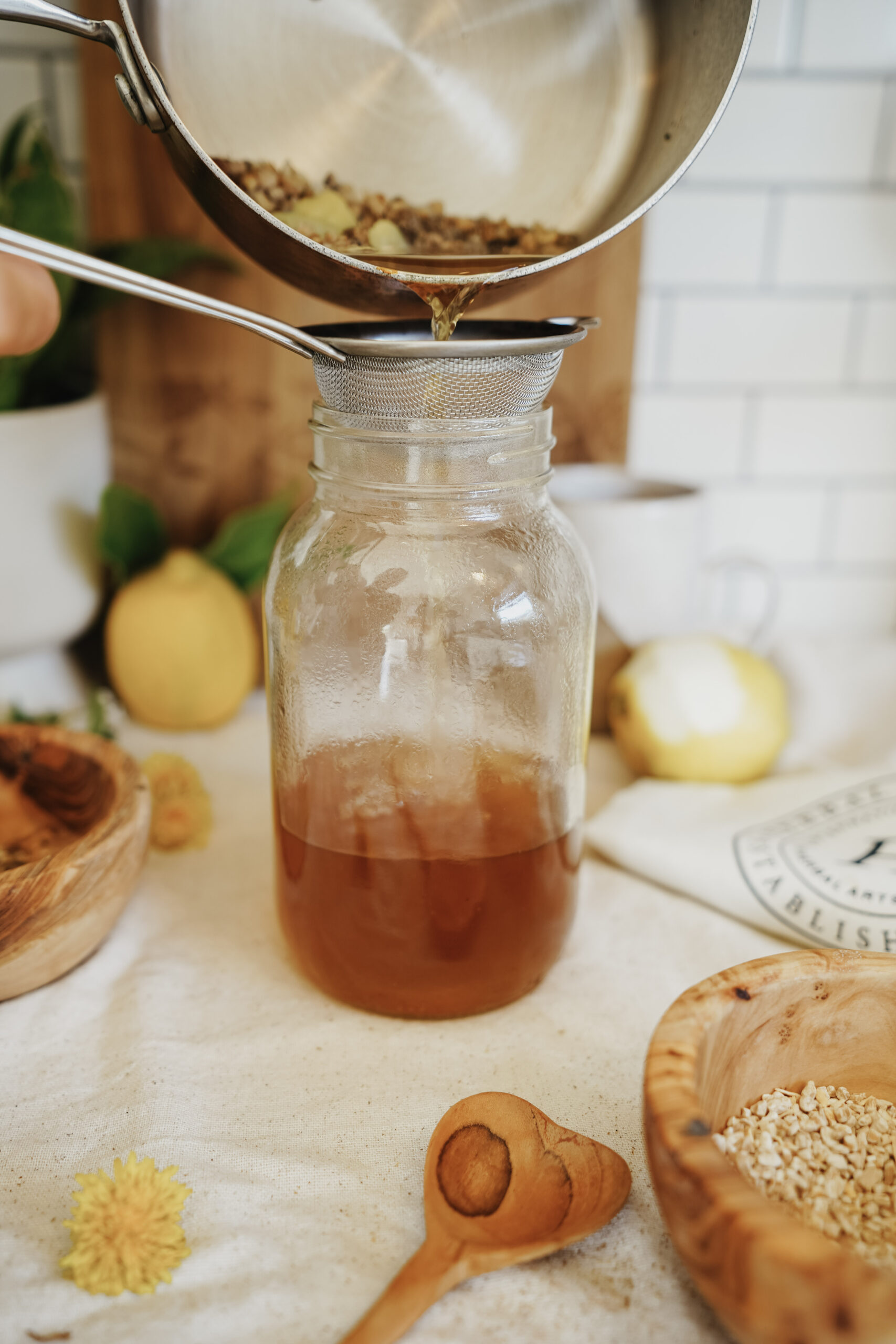
Proactively build your home apothecary before winter illnesses peak. Crafting preparations utilizing antimicrobial and antiviral herbs can safeguard your respiratory and immune health. Essential recipes to brew now include:
- A Must-Try Fire Cider Recipe Using Unexpected Herbs
- Elderberry Calendula Cold and Flu Elixir
- Herbal Fever Ease Syrup
7. Swap Fruit-Infused Waters for Herbal Teas and Decoctions
Hydration remains critical in autumn, but the delivery method should change. Transition from iced fruit waters to teas (gentle infusions of delicate leaves and flowers like the Autumn Root Tea Tonic or French Apple Cinnamon Tea) and decoctions (gently simmered roots, barks, and seeds).
8. Leave Blank Spaces on the Calendar
Combat modern burnout by intentionally designing whitespace into your weekly planner. Embracing a slower pace allows your nervous system to reset. Support this mental downtime with restorative herbs like chamomile, ashwagandha, or skullcap, as detailed in guides on 5 Herbs That Promote Rest.
9. Add Warming Spices to Your Recipes
Align your palate with the thermal profile of autumn by incorporating carminative, warming spices into your cooking and baking. Cinnamon, turmeric, ginger, cardamom, and clove stimulate digestion and generate inner warmth. Try incorporating them into an Apple Compote with Digestive Spices or exploring Spiced Caramel Recipes as seasonal treats.
Conclusion
Autumn is not merely a season of transition; it is an invitation. By stepping away from the relentless pace of summer and leaning into the time-honored traditions of herbalism, mindful nutrition, and intentional rest, we can support our bodies through the physiological demands of colder weather. Whether you are brewing a pot of mushroom immunity broth, massaging botanical oils into dry skin, or simply leaving an afternoon completely blank on your calendar, every mindful choice is a step toward profound, holistic wellness.