Main Facts: The Hidden Water Cost of Everyday Habits
For decades, well-meaning environmental advice has centered on individual micro-habits around the house. Turn off the tap while brushing your teeth, fix that dripping faucet, and, most famously, shave two minutes off your daily shower. The narrative is familiar, frequently broadcast in public service announcements and lifestyle magazines alike: make this minor sacrifice, and you are actively helping to save the planet.
But how much impact do these daily bathroom habits actually have when measured against the broader global ecosystem?
When crunching the numbers, the math reveals a startling mismatch between where we focus our conservation anxiety and where the real resource consumption lies. While shortening a shower by two minutes yields respectable water savings on paper, it pales in comparison to the hidden water footprint embedded in our daily dietary choices—specifically, the animal products on our plates.
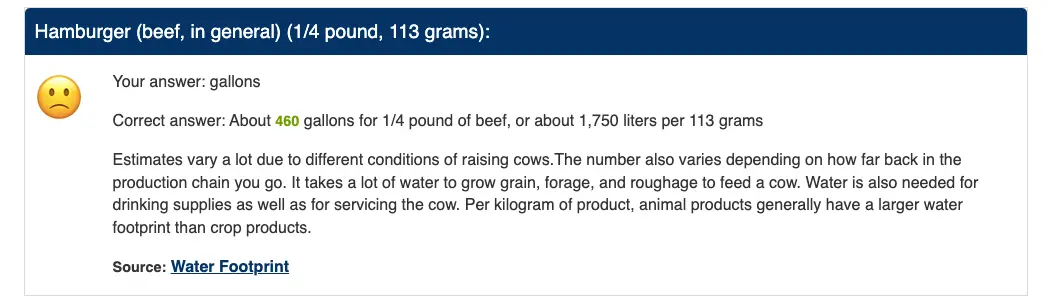
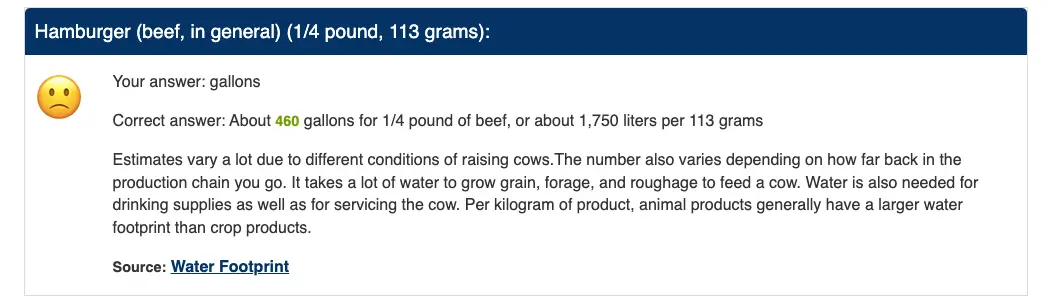
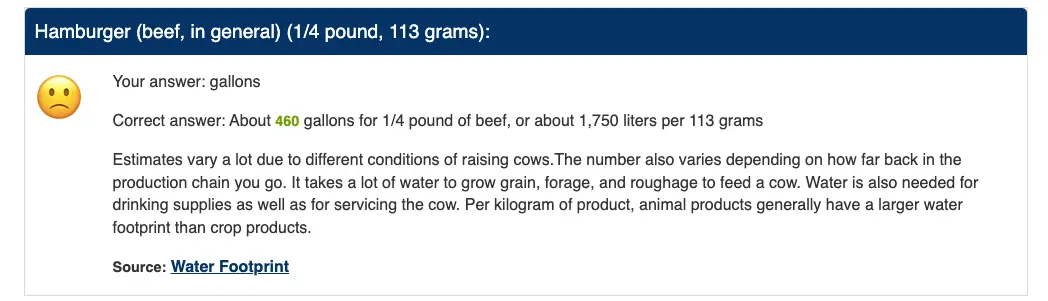
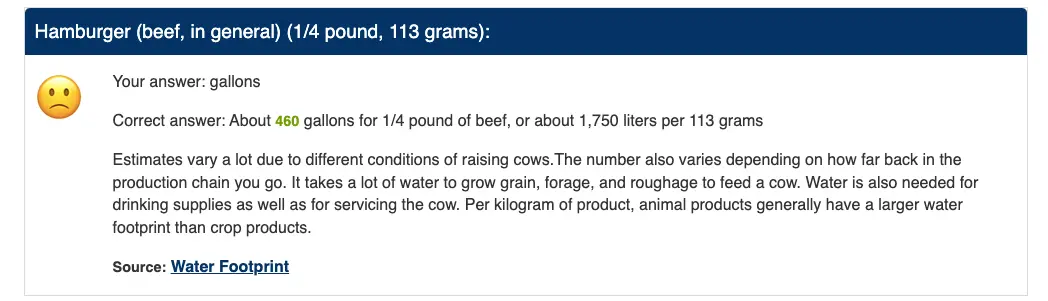
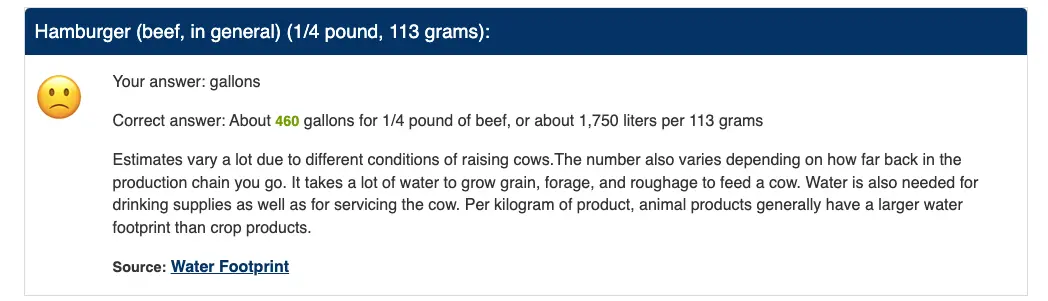
According to data compiled by the U.S. Geological Survey (USGS), the water required to produce common foodstuffs, particularly beef and chicken, dwarfs domestic water use. A single quarter-pound of beef demands approximately 460 gallons of water to produce—scaling up to a staggering 1,840 gallons for a full pound. Put into perspective, eating one single pound of beef consumes more water than cutting two minutes off your daily shower for an entire 365-day year.
For consumers aiming to live more sustainably without feeling like everyday life is an exercise in deprivation, this realization shifts the focus away from the bathroom and toward the kitchen. Rather than enduring colder, shorter showers, environmentalists argue that shifting dietary habits offers a vastly more impactful, low-friction route to true resource conservation.
Chronology: The Evolution of Water Conservation Messaging
The Era of Domestic Efficiency (1970s–1990s)
The modern environmental movement’s approach to water conservation took shape during the energy and resource crises of the late 20th century. As municipal water systems faced increasing strain from growing urban populations and recurring droughts, governments and utilities targeted the most visible points of residential consumption: faucets, toilets, and showers.

During this period, regulatory milestones like the U.S. Energy Policy Act of 1992 mandated maximum flow rates for plumbing fixtures, cementing the 2.5-gallon-per-minute (gpm) standard for showerheads. Public awareness campaigns naturally followed suit, teaching generations of citizens to view personal hygiene as a primary arena for environmental stewardship. Shortening showers became the default symbol of eco-friendly living—tangible, easily measurable, and directly tied to a domestic utility bill.
The Rise of Embedded Resource Accounting (2000s–2010s)
As sustainability science matured, researchers began looking beyond direct, pipe-to-tap water usage to calculate "virtual water" or "water footprints"—a concept popularized by academic Hoekstra in the early 2000s. This methodology accounted for the total volume of freshwater consumed throughout the entire supply chain of a product, from agricultural irrigation to industrial processing.
The USGS and international bodies began releasing consumer-facing tools, such as the food impacts water calculator, to educate the public on lifecycle resource consumption. These tools illuminated a counterintuitive truth: the vast majority of human water consumption is invisible, hidden inside manufactured goods and, most prominently, agricultural supply chains.
The Shift Toward Dietary Intervention (Present Day)
Today, environmental strategists increasingly challenge the effectiveness of behavior-change campaigns that hyper-focus on domestic habits while ignoring systemic drivers of resource use. Articles and analyses by sustainability advocates—such as eco-entrepreneur and author Scott Cooney—highlight the disparity between household water conservation and agricultural water footprints. The modern conservation dialogue is shifting away from guilt-driven domestic cutbacks toward high-impact, systemic consumer choices, such as plant-forward eating, which reduce environmental strain without requiring individuals to sacrifice their comfort in the shower.
Supporting Data: Breaking Down the Numbers
To understand why a dietary shift eclipses domestic water-saving measures, one must examine the metrics provided by hydrological and agricultural research institutions.
The Shower Math
Let us evaluate the standard advice to shorten a shower by two minutes:

- Flow Rate: A traditional, low-efficiency showerhead uses roughly 2.5 gallons per minute (gpm).
- Daily Savings: Cutting 2 minutes saves $2 times 2.5 = mathbf5text gallons$ per day.
- Annual Savings: Multiplying by 365 days yields $mathbf1,825text gallons$ saved per year.
While saving over 1,800 gallons annually sounds significant, it is useful to measure this against the water intensity of livestock agriculture.
The Agricultural Burden
According to the USGS water content calculator:
- A 1/4-pound beef burger accounts for approximately 460 gallons of water.
- Scaling this up, one pound of beef requires roughly 1,840 gallons of water. This staggering figure accounts for the irrigation of feed crops (like alfalfa and corn), drinking water for cattle, and processing.
The Equivalence Paradox
When comparing these figures directly, the results challenge conventional wisdom:
- One pound of beef requires 1,840 gallons of water.
- Saving 1,825 gallons via short showers takes 365 days of daily discipline.
- Using a 2.5 gpm showerhead, it takes 736 minutes (over 12 hours) of continuous showering to consume the same amount of water found in just one pound of beef.
Put simply, an individual can take a 12-hour shower—or consume a single pound of beef—and use essentially the same volume of water.
Official Responses and Expert Perspectives
As public awareness tools like the USGS calculator gain traction, resource management experts, agricultural scientists, and sustainability advocates are weighing in on how society should prioritize conservation efforts.
The Agricultural Perspective
Agricultural economists point out that livestock production is inherently resource-intensive because of trophic efficiency—the loss of energy and water as you move up the food chain. Crops must be grown, harvested, transported, and fed to livestock over months or years, accumulating a massive water footprint before the meat ever reaches a grocery store shelf.

Water authorities in drought-prone regions, particularly in the American West, increasingly recognize that agricultural water management holds the key to regional water security. While residential restrictions are vital during acute municipal shortages, long-term sustainability requires addressing the agricultural sector, which accounts for the lion’s share of freshwater withdrawals in many countries.
The Sustainability Movement
Sustainability consultants and green entrepreneurs argue that environmental advocacy must pivot toward strategies that yield the highest return on effort without inducing "eco-fatigue."
"We’re all about saving the planet, but doing so without it ever feeling like a sacrifice," notes Scott Cooney, serial eco-entrepreneur and author.
Forcing consumers to obsess over minor domestic rationing can create friction and burnout. By contrast, strategically substituting carbon- and water-intensive proteins with plant-based alternatives—or simply reducing meat consumption—allows individuals to slash their environmental impact exponentially with minimal disruption to their daily routines.
Implications: A New Framework for Eco-Friendly Living
The realization that dietary choices outweigh domestic habits carries profound implications for how individuals, corporations, and policymakers approach environmental education and resource management.
1. Redefining "Sacrifice" in Sustainability
Traditional environmental messaging has often relied on asceticism—asking people to use less, endure less, and feel uncomfortable in the name of the greater good. This framing can alienate the general public.

By utilizing lifecycle data, sustainability advocates can reframe conservation around efficiency and leverage. Eating a delicious plant-based meal or choosing alternative proteins does not feel like a deprivation in the same way that standing under a freezing, truncated stream of water does. By aligning environmental action with high-leverage choices, consumers can achieve massive impact with less psychological friction.
2. Policy and Corporate Responsibility
While individual consumer choices matter, the data also highlights the necessity of systemic reform. Water pricing models in agriculture, subsidies for water-intensive crops in arid regions, and corporate supply chain transparency are critical battlegrounds for water security. Governments and agribusinesses must invest in regenerative agriculture, drip irrigation, and alternative protein development to reduce the baseline water intensity of the global food supply.
3. Smarter Educational Campaigns
Public service announcements must evolve beyond simplistic tropes about turning off taps. Educational frameworks managed by agencies like the USGS, EPA, and local municipalities should direct public attention toward the invisible drivers of resource depletion. By empowering citizens with accurate, comprehensive data regarding their food choices, society can foster a more strategic, impactful culture of conservation—one where every drop counts, starting in the kitchen.