By The Mythical Realm Editorial Board
Published: Special Feature
1. Main Facts: The Phenomenon of Modern Mythological Profiling
In an era dominated by algorithmic data tracking and hyper-rationalized digital profiling, millions of internet users are voluntarily turning away from corporate personality tests in favor of something decidedly more fantastical. The pursuit of self-discovery has taken a turn toward the ancient and arcane, with online personality quizzes determining users’ "mythical creature soulmates" surging in popularity across digital platforms.
At the center of this cultural trend are interactive questionnaires like the popular assessments hosted by BuzzFeed and specialized lore hubs like The Mythical Realm. These quizzes bridge the gap between contemporary pop-psychology and deep-rooted folklore, asking participants to choose between soaring above the clouds as a majestic griffin, plumbing ocean depths as an intuitive water nymph, or navigating mortal realms with the cunning intellect of a mythological trickster.
Far from being mere idle internet fodder, these quizzes tap into a profound psychological desire for escapism and identity construction. By translating human traits into legendary archetypes—such as the noble centaur, the freedom-seeking griffin, the enigmatic trickster, or the healing-focused mermaid—these assessments provide a playful yet resonant mirror for modern individuals seeking to understand their place in an increasingly complex world.
2. Chronology: From Ancient Oral Traditions to Viral Digital Quizzes
To understand why millions of people today are eager to find their inner beast, one must trace the evolutionary journey of how humanity interacts with myth.
Antiquity and the Oral Tradition (Pre-500 BCE)
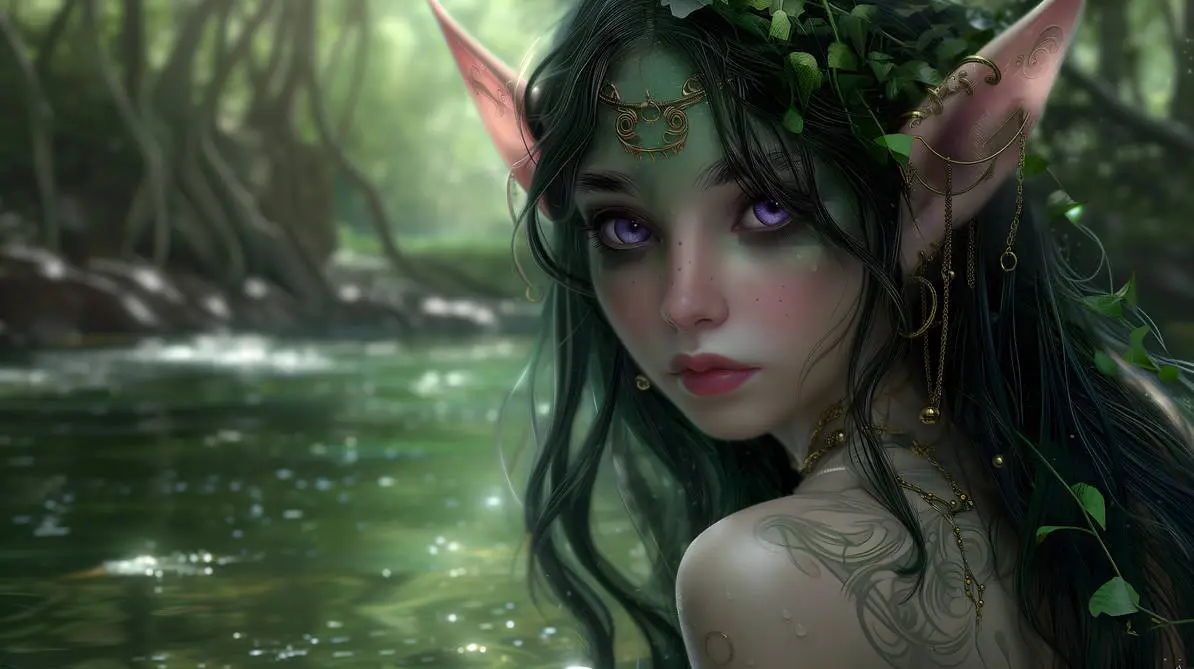
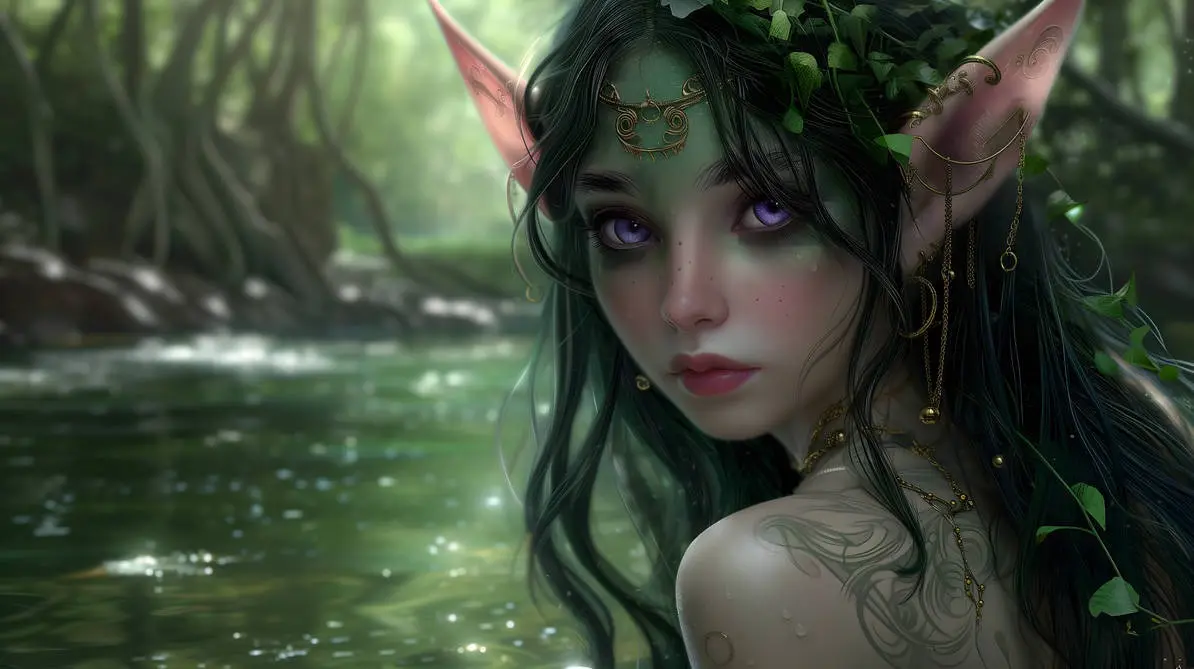
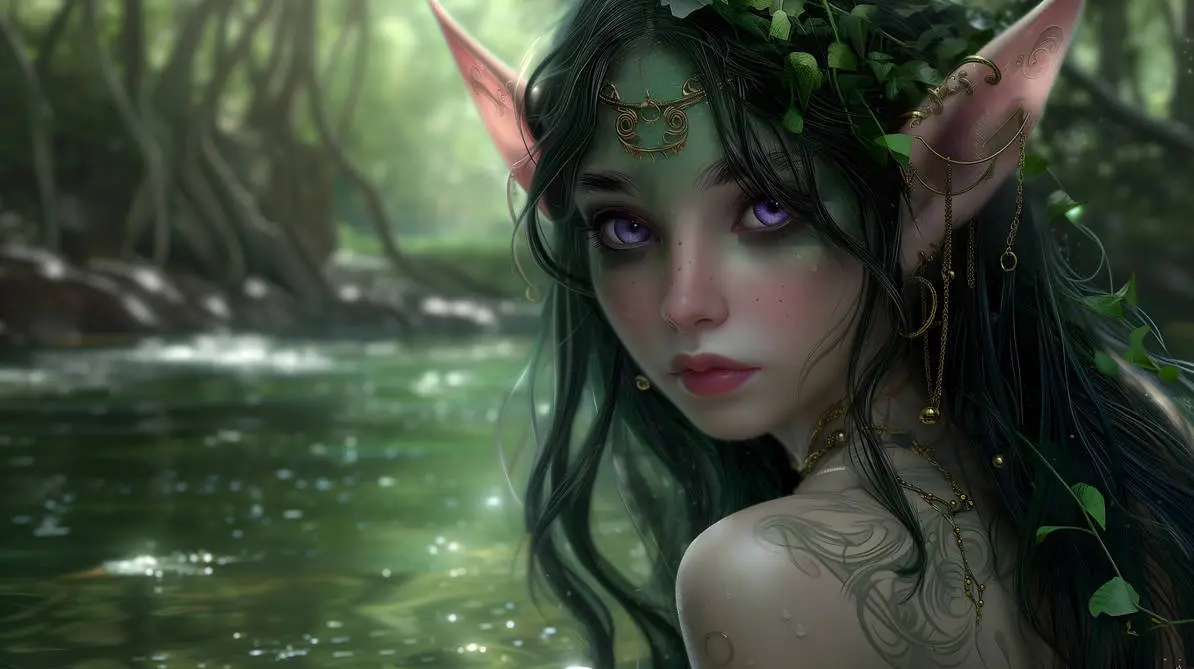
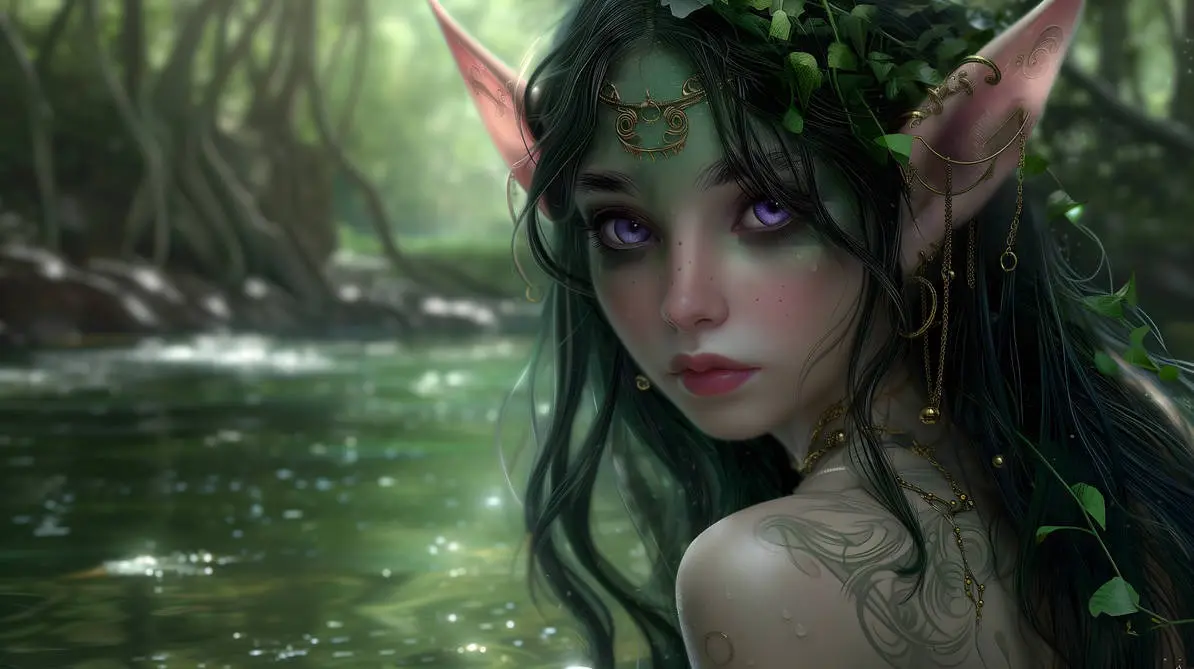
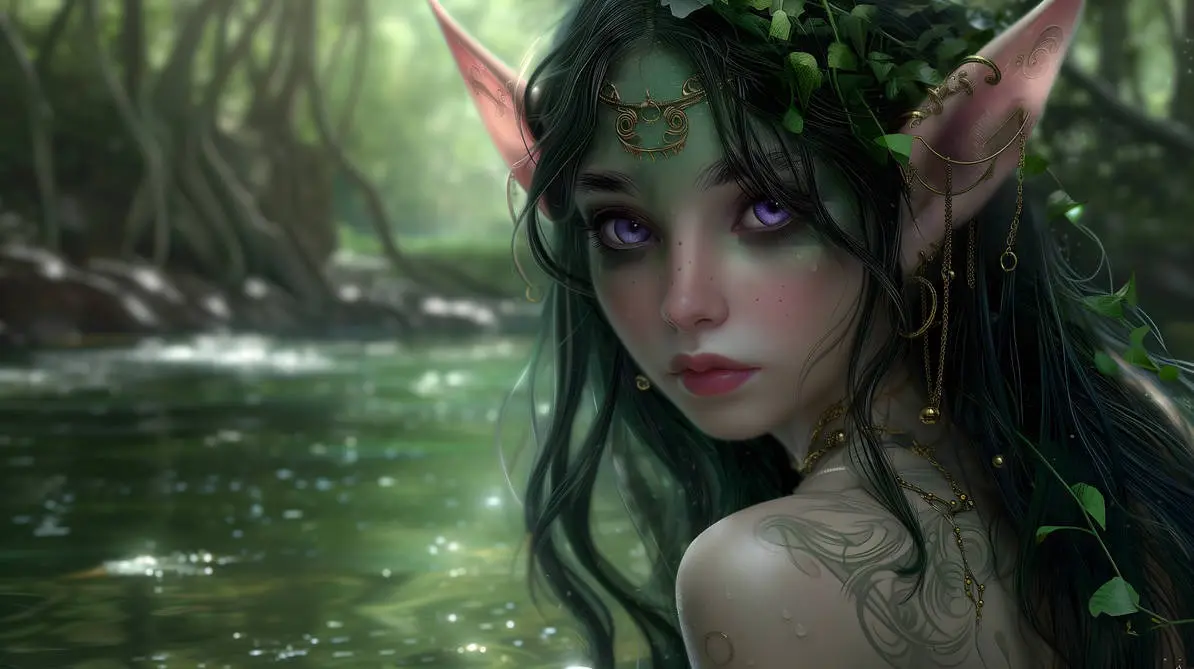
Long before the advent of the internet or even the written word, ancient civilizations used mythical creatures to explain the inexplicable forces of the natural world. Water nymphs like Aeliana—beautifully captured in classic digital illustrations by artists such as Bogi380—were not just characters in stories; they were living explanations for rushing rivers, secluded springs, and unpredictable tides. Griffins guarded gold in Scythian lore, while centaurs represented the duality of human civilization and untamed animalistic nature.
The Literary and Fantasy Renaissance (Mid-to-Late 20th Century)
With the publication of J.R.R. Tolkien’s works, C.S. Lewis’s Chronicles of Narnia, and later tabletop role-playing games like Dungeons & Dragons, mythical creatures transitioned from objects of religious or cautionary folklore into vessels for personal identification. Fans no longer just listened to stories about elves, griffins, and centaurs; they began to roleplay as them, choosing races and classes that reflected their ideal versions of themselves.
The Rise of Digital Pop-Psychology (Early 2000s–Present)
As the internet matured, static questionnaires evolved into dynamic, shareable content. The early days of web-based personality testing—often crude and text-based—paved the way for rich, media-integrated quizzes. Platforms recognized that users loved sharing their results on social media. Today, mythical creature quizzes combine high-fantasy artwork, vivid scenario-based questioning, and instant categorization, turning self-reflection into a gamified, viral experience.
3. Supporting Data: The Anatomy of the Mythical Creature Quiz
What makes these quizzes so magnetically engaging? A closer look at the structural mechanics of a typical mythical creature assessment reveals a careful calibration of psychological projection and imaginative storytelling.
Scenario-Based Decision Making
Rather than asking direct, clinical questions about introversion or extroversion, mythological quizzes place the user inside fantastical scenarios:
- Exploring a hidden jungle temple vs. solving a mysterious riddle.
- Flying high above the clouds vs. diving deep into ocean mysteries.
These choices are psychological proxies. According to behavioral analysts who study gamified testing, scenario-based prompts bypass analytical defenses, allowing users to make instinctive choices based on their core desires rather than how they believe they ought to act.

The Four Archetypes and Their Behavioral Correlates
A cross-sectional analysis of results from popular mythical creature quizzes reveals four primary behavioral profiles that appeal to modern test-takers:
- The Centaur (Mostly A’s): Characterized by a strong connection to the earth, leadership qualities, and a bridging mentality. Centaur-types often see themselves as mediators between chaos and order, possessing a grounding presence in professional and social environments.
- The Trickster (Mostly B’s): Defined by quick wit, adaptability, and a penchant for pushing boundaries. Trickster-types thrive in dynamic environments where lateral thinking and humor are valued over rigid adherence to rules.
- The Griffin (Mostly C’s): Epitomizing boundless curiosity and intellectual ambition. Griffins are driven by a thirst for discovery, valuing perspective, elevation, and mastery over their chosen domains.
- The Mermaid (Mostly D’s): Representing emotional intelligence, intuition, and restorative energy. Mermaid-types are often deeply empathetic, finding solace in natural rhythms and possessing a calming, healing effect on those around them.
4. Official Responses and Expert Perspectives: Why We Look to Myth for Meaning
Cultural historians, psychologists, and folklorists have weighed in on why contemporary society maintains such a fierce attachment to beings that science tells us do not exist.
Dr. Aris Thorne, a professor of cultural mythology at the Institute for Imaginative Studies, notes that humans have always used non-human entities to map the complexities of the human soul.
"We live in an age of hyper-specialization and data-driven categorization," Dr. Thorne explains. "People feel boxed in by personality tests that label them as four-letter acronyms like ‘INTJ’ or assign them corporate management styles. Mythical creatures offer an alternative vocabulary for the soul. To be told you are a griffin rather than a ‘high-achieving extrovert’ restores a sense of poetry, scale, and wonder to self-examination."
Furthermore, psychologists point to the concept of imaginative escapism as a vital coping mechanism in the 21st century. In a climate marked by global anxieties, economic uncertainty, and technological saturation, engaging with ancient folklore allows individuals to step outside their immediate reality.
"When someone imagines riding a sleek underwater chariot or soaring on giant wings, they are exercising cognitive flexibility," says Dr. Elena Rostova, a specialist in recreational psychology. "It’s a brief, harmless psychological vacation that reactivates the childlike capacity for wonder."
5. Implications: The Intersection of Imagination and Future Reality
While taking a quiz to find out if you are a water nymph, centaur, or trickster is primarily an exercise in lighthearted entertainment, the cultural implications of this trend run deeper than surface-level fun.
The Preservation of Folklore in the Digital Age
As traditional oral storytelling traditions fade, digital media serves as the modern hearth around which legends are kept alive. By transforming ancient beasts into interactive quiz results, internet culture ensures that generations raised on smartphones remain familiar with the names, traits, and mythologies of centaurs, griffins, and sirens. These digital touchpoints often act as gateways for younger audiences to explore classical literature, anthropology, and world history.
The Human Need for Enchantment
Perhaps the most significant takeaway from the popularity of these quizzes is humanity’s enduring resistance to total disenchantment. Even as scientific instruments map the deepest ocean trenches and telescopes peer to the edges of the observable universe, our collective imagination refuses to be boxed in by cold facts.
As the concluding sentiment of many mythological profile assessments reminds us: The real magic lies within you. Whether science eventually discovers undiscovered marvels in the deep sea or deep space, the capacity to dream up creatures of majesty and mystery remains one of humanity’s defining traits. Until then, millions will continue to click "Start Quiz," eager to discover whether they belong in the clouds, the forests, or the deep blue sea.