By [Author Name]
Published: Environmental Policy & Sustainable Living Desk
Main Facts: The Hidden Water Footprint in Everyday Choices
For decades, well-meaning environmental advice has centered on individual household habits. Turn off the tap while brushing your teeth, fix leaky faucets, and, most famously, shorten your daily shower. The prevailing narrative suggests that by sacrificing a few minutes of hot water luxury each morning, citizens can actively participate in global water conservation.
However, recent data and sustainability analyses challenge the efficacy of this micro-focus. While cutting two minutes from a daily shower yields an admirable savings of roughly 1,825 gallons of water per year, it represents a drop in the bucket compared to the massive, invisible water footprints embedded in our daily consumption—most notably, our food choices.
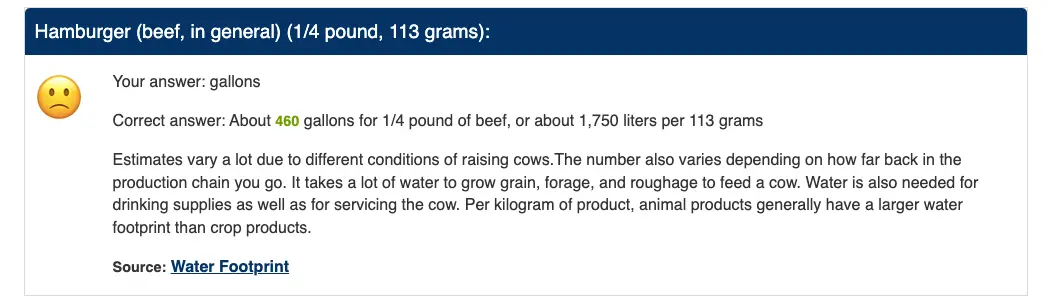
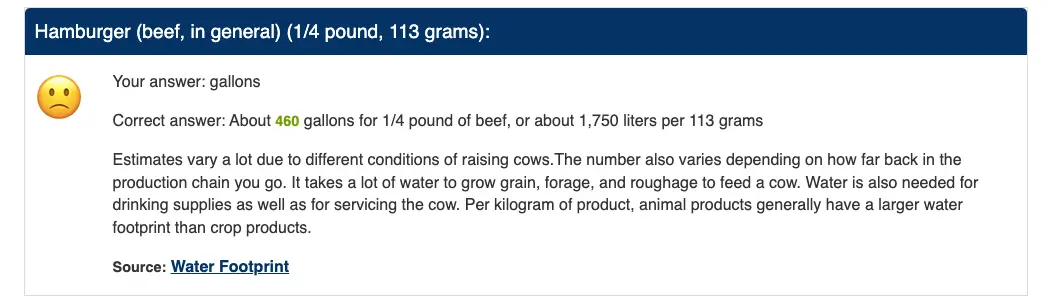
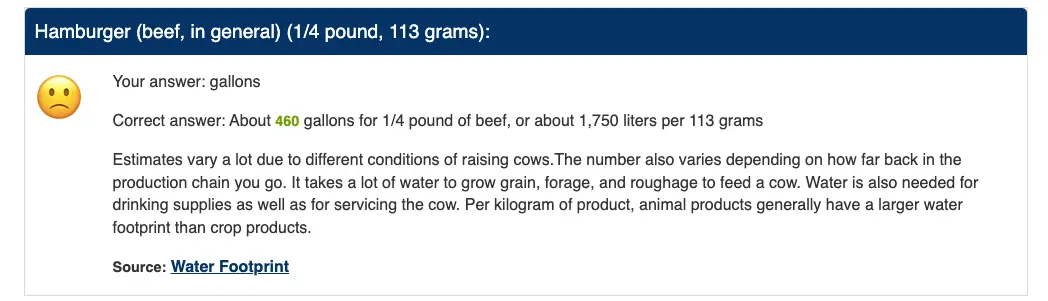
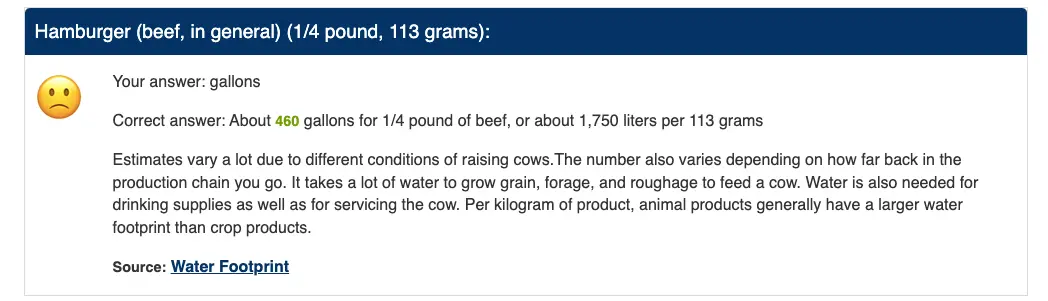
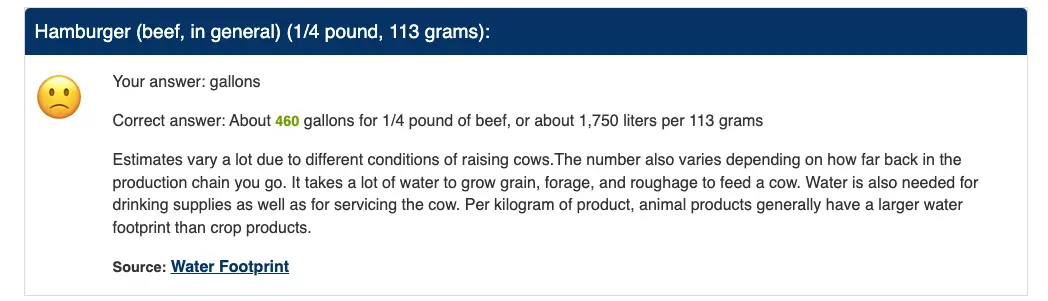
According to data compiled by the United States Geological Survey (USGS), the water required to produce common dietary staples vastly overshadows direct household use. Most startlingly, a single quarter-pound of beef requires approximately 460 gallons of water to produce—scaling up to an astonishing 1,840 gallons for a single pound. When weighed against traditional conservation measures, the math reveals a surprising reality: eating a single pound of beef consumes more water than shortening your shower by two minutes every single day for an entire year.

Chronology: The Evolution of Eco-Advice and Water Awareness
The Era of Direct Conservation (1970s–1990s)
The modern environmental movement, taking shape after the establishment of the Environmental Protection Agency (EPA) and the first Earth Day in 1970, initially focused on direct, visible resource consumption. Campaigns targeted domestic behaviors: turning off lights, recycling paper, and reducing water use at the tap. The shower timer became a household staple during drought crises, particularly in arid regions like the American Southwest and California.
The Rise of Life-Cycle Assessments (2000s–2010s)
As environmental science matured, researchers moved beyond direct use (what flows from the tap) to lifecycle analysis (LCA), examining the embedded resources required to manufacture goods and grow food. Organizations like the USGS, the Water Footprint Network, and academic institutions began calculating the "virtual water" tied to global commodities. This shift exposed a blind spot in public awareness: consumers could be diligent about turning off bathroom faucets while unknowingly consuming thousands of gallons of water through their grocery carts.
The Modern Paradigm: Impact vs. Sacrifice (Present Day)
Today, sustainability experts are re-evaluating how conservation messaging is delivered. Traditional messaging often relies on the language of "sacrifice"—asking people to give up comfort (shorter showers, colder homes). Contemporary environmental strategists, however, argue that meaningful sustainability does not need to feel like a penalty. By redirecting consumer focus toward high-impact, low-friction changes—such as shifting dietary habits rather than modifying bathroom routines—individuals can achieve exponentially greater conservation outcomes without feeling deprived.
Supporting Data: Crunching the Numbers on Water Usage
To truly understand the scale of water consumption, it is necessary to examine the metrics provided by water resource agencies and agricultural researchers.

Domestic Water Use vs. Agricultural Footprints
- The Shower Metric: A traditional, low-efficiency showerhead flows at approximately 2.5 gallons per minute. Shaving two minutes off a daily shower saves 5 gallons per day. Over a 365-day year, this totals 1,825 gallons.
- The Beef Metric: Producing one pound of beef requires roughly 1,840 gallons of water, heavily driven by the irrigation of feed crops (such as alfalfa and corn) and the drinking water required by livestock over their lifespan.
- The Equivalence Equation: At 2.5 gallons per minute, consuming one pound of beef is mathematically equivalent to taking a continuous, 736-minute (over 12 hours) shower.
The USGS Water Calculator
To help the public visualize these disparities, the USGS developed interactive tools, including the food impacts water calculator. Users who take the quiz frequently report severe underestimations regarding animal agriculture. While fruits, vegetables, and grains require varying amounts of irrigation, meat products—particularly beef and, to a lesser extent, chicken and pork—occupy an entirely different tier of resource intensity.
Official Responses: Perspectives from Sustainability Experts and Scientists
Environmental scientists and sustainability consultants have increasingly advocated for a pivot in public communication strategies.
Scott Cooney, a serial eco-entrepreneur, sustainability consultant, and author, emphasizes the psychological friction inherent in traditional environmental advice. "You hear it often enough—want to save the planet? Try shaving two minutes off your shower every day," Cooney notes. "And yes, you could, of course, do that. But doesn’t that feel like a sacrifice? We’re all about saving the planet, but doing so without it ever feeling like a sacrifice."
Resource management officials echo these sentiments regarding consumer blind spots. While municipal water authorities must manage local infrastructure and promote domestic conservation—especially during drought conditions—agricultural water management remains the primary frontier for systemic water savings.

Water economists argue that public messaging has historically focused on domestic use simply because it is visible to the end consumer. Turning off a running tap provides immediate, tactile feedback. By contrast, the water used to grow a steak in Nebraska or California is invisible by the time the product reaches a supermarket shelf in New York or London. Bridging this awareness gap requires institutional transparency, better labeling, and educational tools that reframe how consumers evaluate their daily footprint.
Implications: What This Means for the Future of Sustainable Living
The realization that dietary choices dwarf domestic habits in water resource impact carries profound implications for policy, consumer behavior, and marketing within the green movement.
1. Reframing the "Sacrifice" Narrative
For decades, conservation has struggled against a PR problem: it is frequently marketed as a lifestyle downgrade. Asking citizens to take shorter, colder showers reinforces the idea that ecological health requires personal deprivation. By highlighting high-impact, low-friction alternatives—such as substituting a few beef meals per week with plant-based alternatives—advocates can achieve massive conservation metrics while maintaining, or even enhancing, quality of life and health.
2. Shifting Focus to Agricultural Reform
While individual dietary choices matter, the data ultimately points toward systemic agricultural reform. As global populations rise and climate change strains water tables in major agricultural basins, farming practices must evolve. Innovations in drip irrigation, regenerative agriculture, and alternative proteins will play a critical role in decoupling food production from intensive water extraction.

3. Empowering Informed Consumers
Tools like the USGS food water calculator represent a crucial step forward in consumer empowerment. When individuals are equipped with accurate data regarding virtual water, consumption patterns begin to shift organically.
Ultimately, the choice is not mutually exclusive; individuals can still take shorter showers if they choose. However, understanding the numbers offers a liberating perspective for the modern environmentalist: saving water is not about enduring a colder, shorter morning routine. It is about understanding the broader systems of production that sustain us, and making smarter, more informed choices at the dinner table.