By [Author Name]
Published: May 2026
Main Facts
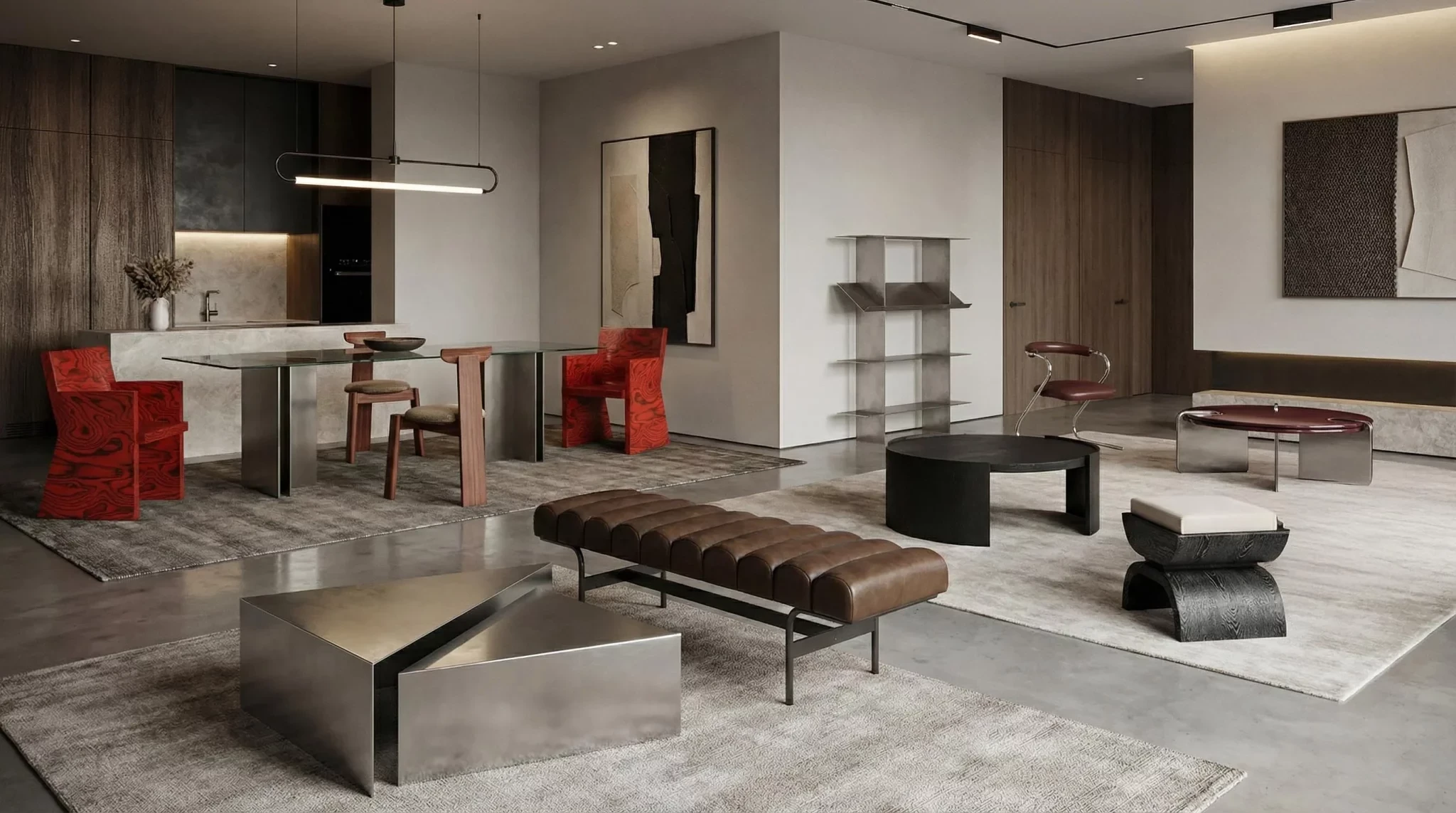
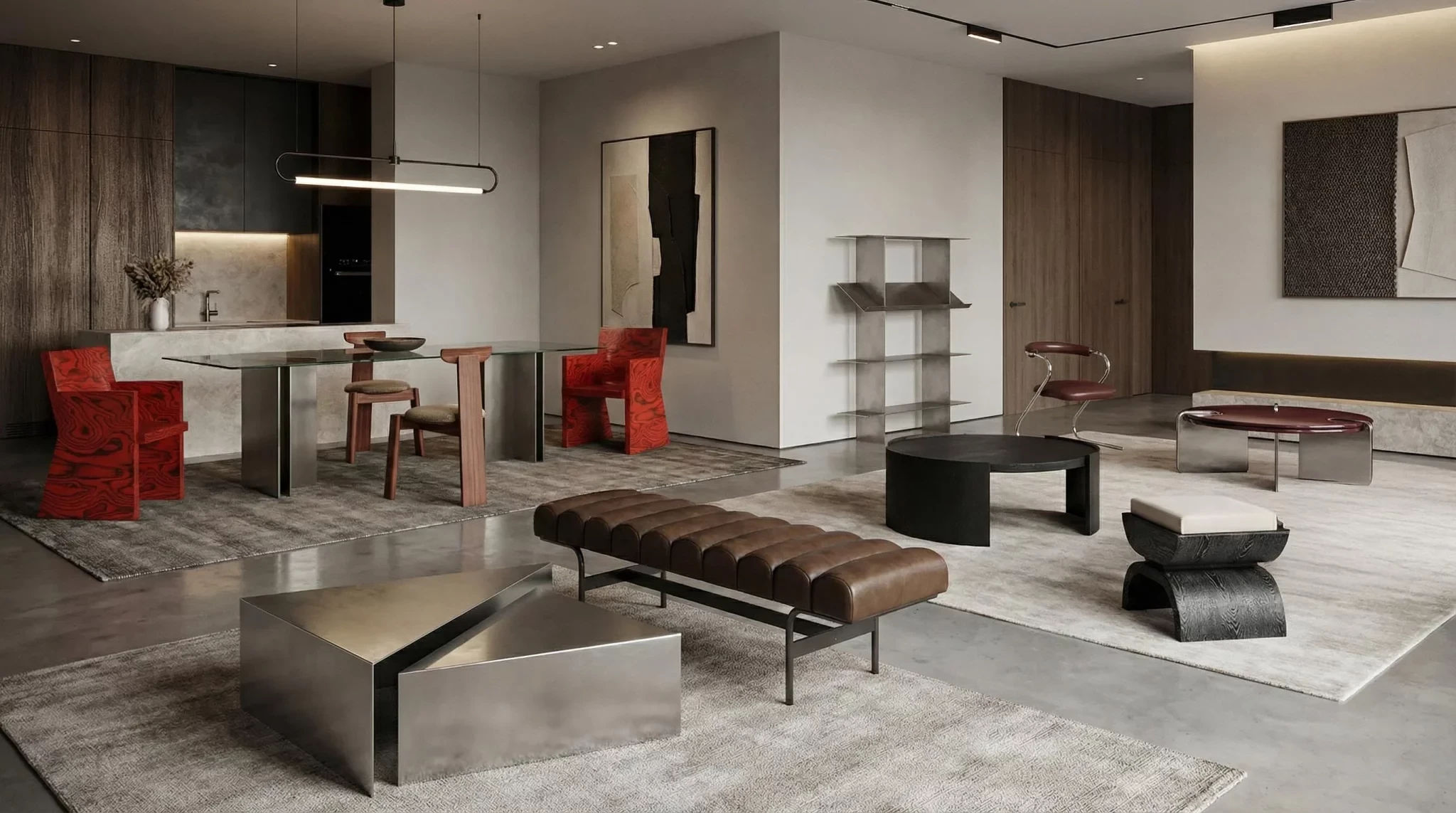
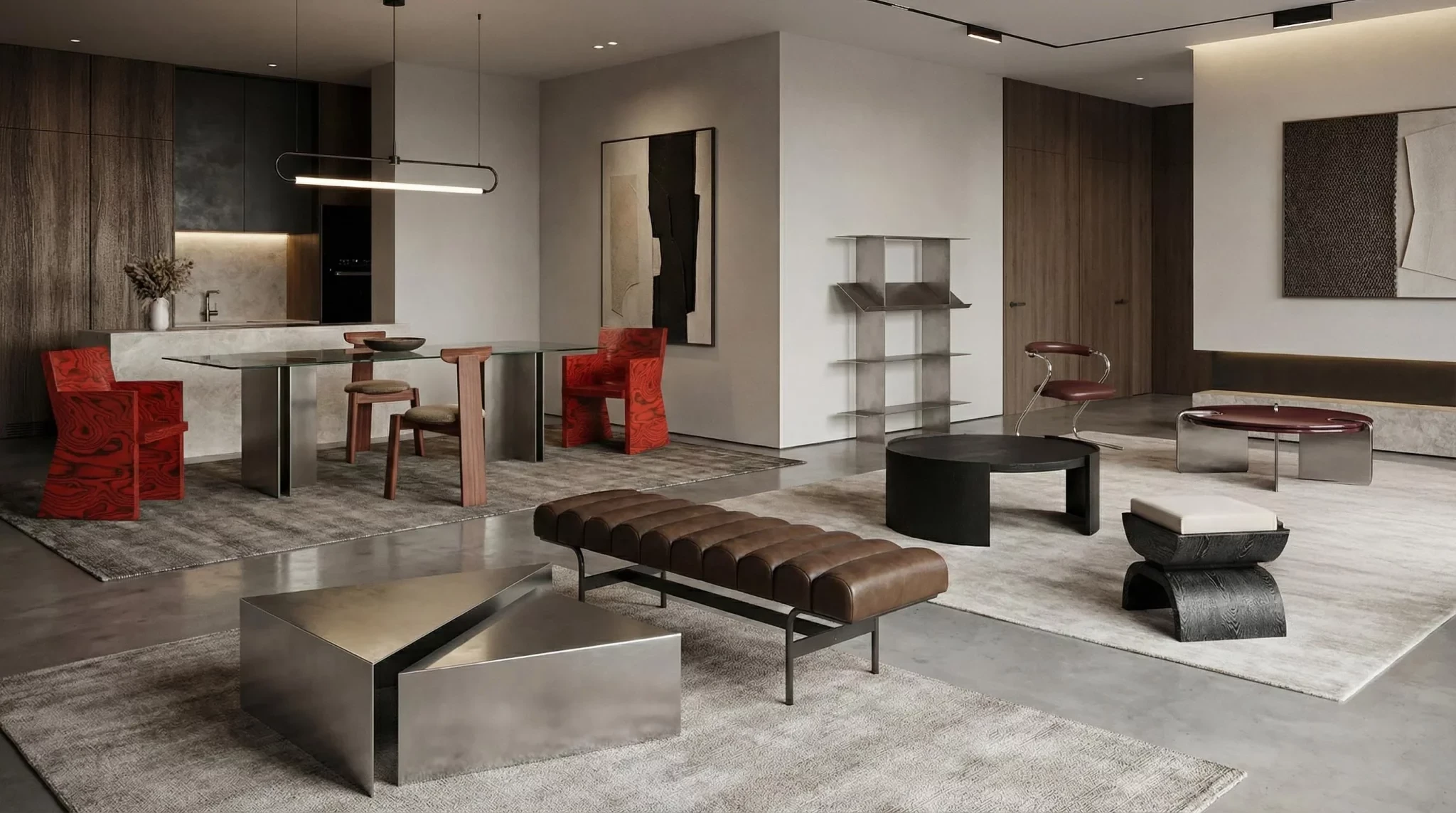
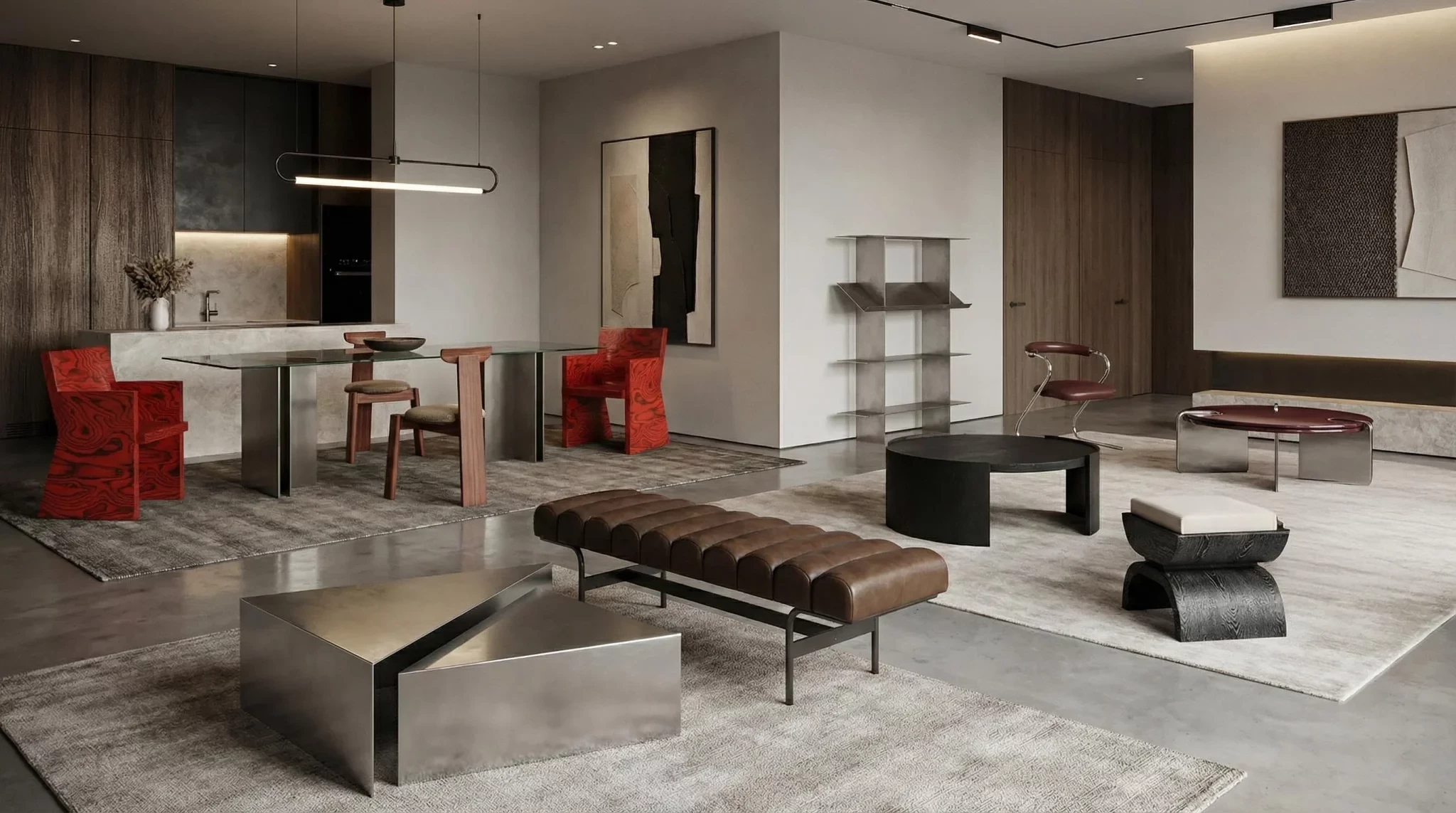
In the industrial waterfront neighborhood of Red Hook, Brooklyn, a 7,000-square-foot workshop hums with a distinct kind of creative energy. This is Piscina—a hybrid design studio, fabrication lab, and communal workshop founded by Cuban-American artist Natalie Shook. Far from a quiet, white-walled gallery that occasionally displays finished goods, Piscina is a bustling hive of production where woodworkers, ceramicists, and metalsmiths collaborate under one roof.
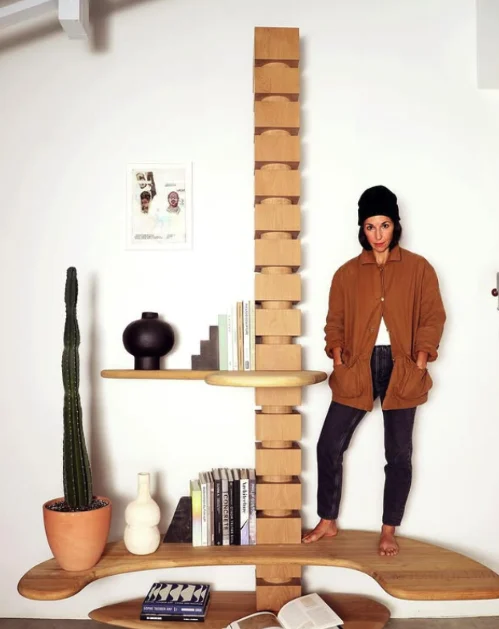
The studio burst onto the national design scene at the International Contemporary Furniture Fair (ICFF) in 2022, capturing both the Best New Designer and Best in Show honors. Their debut collection, anchored by a striking architectural solid oak shelving unit, defied easy categorization. Blurring the line between fine art, sculpture, and functional furniture, Piscina’s objects carry the physical weight and conceptual depth of a space where dozens of artisans solve complex structural problems simultaneously.
At the heart of this enterprise is Shook, a Midwest-raised artist who spent her formative years convinced she was a painter, only to discover a profound calling for carpentry, fabrication, and tangible, weight-bearing design. Today, Piscina operates as an ecosystem of diverse talents—a manifestation of Shook’s philosophy that an artist does not need to be confined to a single medium to have a singular voice.
Chronology
To understand the trajectory of Piscina, one must trace the evolution of its founder, whose artistic journey spans decades, geographies, and mediums.
- Early Years (Midwest Upbringing): Natalie Shook commits to a daily artistic practice starting at age 14. Raised in the American Midwest, her early creative output is rooted firmly in two-dimensional work, laying the groundwork for a lifelong dedication to form, composition, and visual storytelling.
- The Move to New York (Cooper Union): Seeking to formalize her education, Shook relocates to New York City to study painting at the prestigious Cooper Union. It is during this period that her artistic worldview undergoes a seismic shift. Rather than finding fulfillment solely on the canvas, she discovers a powerful magnetic pull toward materials she can physically manipulate: wood, metal, and ceramics.
- The Pivot to Fabrication: Shook abandons the canvas for the workbench. She develops a deep affinity for carpentry and architectural fabrication, gravitating toward objects that "held weight"—things people could sit on, lean against, or touch. This hands-on exploration of volume and structure sets the stage for a multidisciplinary career.
- Founding Piscina in Red Hook, Brooklyn: Recognizing the isolation often experienced by independent makers in New York, Shook establishes Piscina in Red Hook. The 7,000-square-foot facility is designed not just as a private studio, but as a collaborative ecosystem where creators across various disciplines can share tools, ideas, and expertise.
- ICFF 2022 Breakthrough: Piscina makes its official public debut at the International Contemporary Furniture Fair. The studio stuns critics and judges alike, walking away with the coveted Best New Designer and Best in Show awards. The centerpiece of the collection—a towering, architecturally inspired solid oak shelving unit—instantaneously establishes the collective as a major force in contemporary American design.
- Present Day: Piscina continues to operate out of its Red Hook headquarters, functioning daily as an active production floor, incubator for emerging craftspeople, and source of boundary-pushing furniture and objects.
Supporting Data
The operational scale and design ethos of Piscina are reflected in several key metrics and physical attributes that define the studio’s output:
- Workspace Dimensions: 7,000 square feet of dedicated industrial workspace located in Red Hook, Brooklyn.
- Collaborative Capacity: A dynamic environment accommodating upwards of 20 artists and fabricators actively problem-solving and producing work concurrently.
- Key Materials Utilized: Solid domestic and exotic hardwoods (predominantly oak), high-fire ceramics, and cast iron.
- Award Recognition: Best New Designer and Best in Show at the International Contemporary Furniture Fair (ICFF) 2022.
- Design Philosophy Metric: 100% of sketches and preliminary hand-drawings are treated as primary documentation rather than secondary ephemera, directly informing the structural integrity of the final objects.
Official Responses and Creative Philosophy
The philosophy driving Piscina moves away from traditional, siloed artistic production. In interviews and statements regarding the studio’s workflow, Shook and her collaborators emphasize the power of collective intelligence.
"She is, it turns out, many people trying to be one person. That’s not a problem. That’s the whole point of Piscina."
This perspective redefines how a design studio functions. In an industry historically dominated by individual auteurs taking sole credit for mass-produced or outsourced goods, Piscina embraces radical transparency regarding its communal roots.

Furthermore, the studio has been vocal about its approach to the creative process, particularly regarding the translation of initial ideas into physical form:
"Drawing by hand gives form to thought. Rather than presenting works as secondary materials, Piscina considers them primary—intimate documents of creative intuition. The sketches become the objects. The objects carry the sketches inside them."
This methodology ensures that every piece leaving the Red Hook workshop—whether it is a towering oak shelving unit or a delicate cast-iron vessel—retains the raw, unadulterated energy of its inception.
Implications
Piscina’s success and operational model carry significant implications for the future of American craft, furniture design, and urban manufacturing.
1. The Revival of Collaborative Urban Manufacturing
As real estate pressures squeeze makers out of metropolitan centers like New York City, spaces like Piscina’s 7,000-square-foot Red Hook workshop demonstrate the viability of shared-resource industrial hubs. By pooling overhead, tools, and talent, contemporary artisans can sustain high-end production without retreating to rural outposts. This model preserves urban craftsmanship and keeps the pipeline of local manufacturing alive.
2. Blurring the Lines Between Fine Art and Functional Design
For decades, the art market and the design market maintained strict boundaries. A painting belonged on a wall; a chair belonged under a body. Piscina’s breakout success at ICFF highlights a growing consumer and critical appetite for objects that resist categorization. When furniture possesses the structural audacity and emotional resonance of sculpture, it challenges collectors to reevaluate how they interact with domestic spaces.
3. A Shift Away from Industrial Anonymity
In an era dominated by flat-pack furniture and algorithmic design trends, the market is experiencing a profound counter-movement toward provenance and tactile authenticity. Objects that "carry the energy of a room where twenty people are solving problems at once" offer consumers an antidote to mass production. Buying a Piscina piece—such as their signature solid oak shelving unit—is an investment in human narrative, localized labor, and uncompromising material honesty.
Ultimately, Natalie Shook and the collective at Piscina have proven that stepping away from the canvas was not a departure from art, but an expansion of it. By building a space where materials hold weight and ideas are hammered into physical reality, they are quietly shaping the architectural and material vocabulary of modern design.