










As the summer season shifts into autumn across the Northern Hemisphere, millions of students, educators, and lifelong learners find themselves entering the familiar rhythm of the back-to-school season. Whether returning to a traditional physical classroom or diving into independent online enrichment—such as comprehensive natural wellness programs like the Herbal Academy’s Family Herbalist Path Package or The Mushroom Course—the transition often demands a sudden shift in daily pacing, increased mental stamina, and heightened cognitive focus.
While academic ambition is a powerful driver for personal growth, the abrupt leap from the relaxed schedules of summer to the high-demand environment of the academic year can take a toll on the nervous system. To combat academic burnout and ease this seasonal shift, wellness experts increasingly advocate for simple, achievable daily rituals. Integrating intentional plant-based practices doesn’t require an elaborate, time-consuming setup; rather, small, accessible habits rooted in herbalism can profoundly support cognitive function, ease stress, and foster holistic wellbeing.
Main Facts: The Intersection of Seasonal Transition and Herbal Support
The transition into the academic year is a critical period for mental health and cognitive performance. As coursework increases, learners frequently experience mental fatigue, screen-time strain, and disruptions to sleep hygiene. Herbalism offers a time-tested, complementary approach to addressing these exact challenges.
- Cognitive Enhancement: Certain herbs, such as matcha and lemon balm, contain compounds that naturally support memory, sustained energy, and mental clarity without the jittery side effects of over-caffeination.
- Nervous System Regulation: Aromatherapy, grounding exercises, and targeted botanical soaks can physically signal the body to down-regulate from a state of acute stress or intense focus.
- Seasonal Promotions: Capitalizing on the psychological "fresh start" of the autumn season, educational institutions like the Herbal Academy are offering sitewide promotions—up to 40% off online herbal courses through September 15, 2026—to encourage individuals to invest in personal enrichment and self-care.
Chronology: Aligning with the Rhythm of Autumn
The integration of herbal practices into a back-to-school routine follows a natural daily chronology, moving the learner intentionally from morning wakefulness through deep study, physical grounding, and finally, evening recovery.
Morning: Setting the Cognitive Baseline
The day begins as learners transition from rest to productivity. This is the optimal window to introduce nootropic and energizing botanicals that enhance memory retention and mental focus for upcoming lectures or study blocks.
Mid-Day: Interrupting the Digital Strain
As hours spent in front of computer screens accumulate, learners risk mental exhaustion, eye strain, and nervous system fatigue. Mid-day chronological checkpoints require stepping away from monitors to engage the physical senses through outdoor grounding and tactile exploration.

Late Afternoon to Evening: Physical Decompression
Following intensive study sessions, the body often holds physical tension—particularly in the lower extremities from walking across campuses or foraging in the field. Late afternoon offers a transitional space for restorative therapies, such as botanical foot soaks, to relieve muscular strain.
Night: Signaling Rest
The final phase of the daily chronology involves training the nervous system to disengage from active analytical thinking. Implementing a dedicated evening unwinding ritual closes the loop on the day’s cognitive labor, ensuring restorative sleep.
Supporting Data: Understanding the Mechanism of Botanical Rituals
The efficacy of incorporating herbal rituals into an academic routine is backed by both traditional use and modern wellness insights regarding stress reduction and cognitive health.

1. Matcha Lemon Balm Gummies for Morning Focus
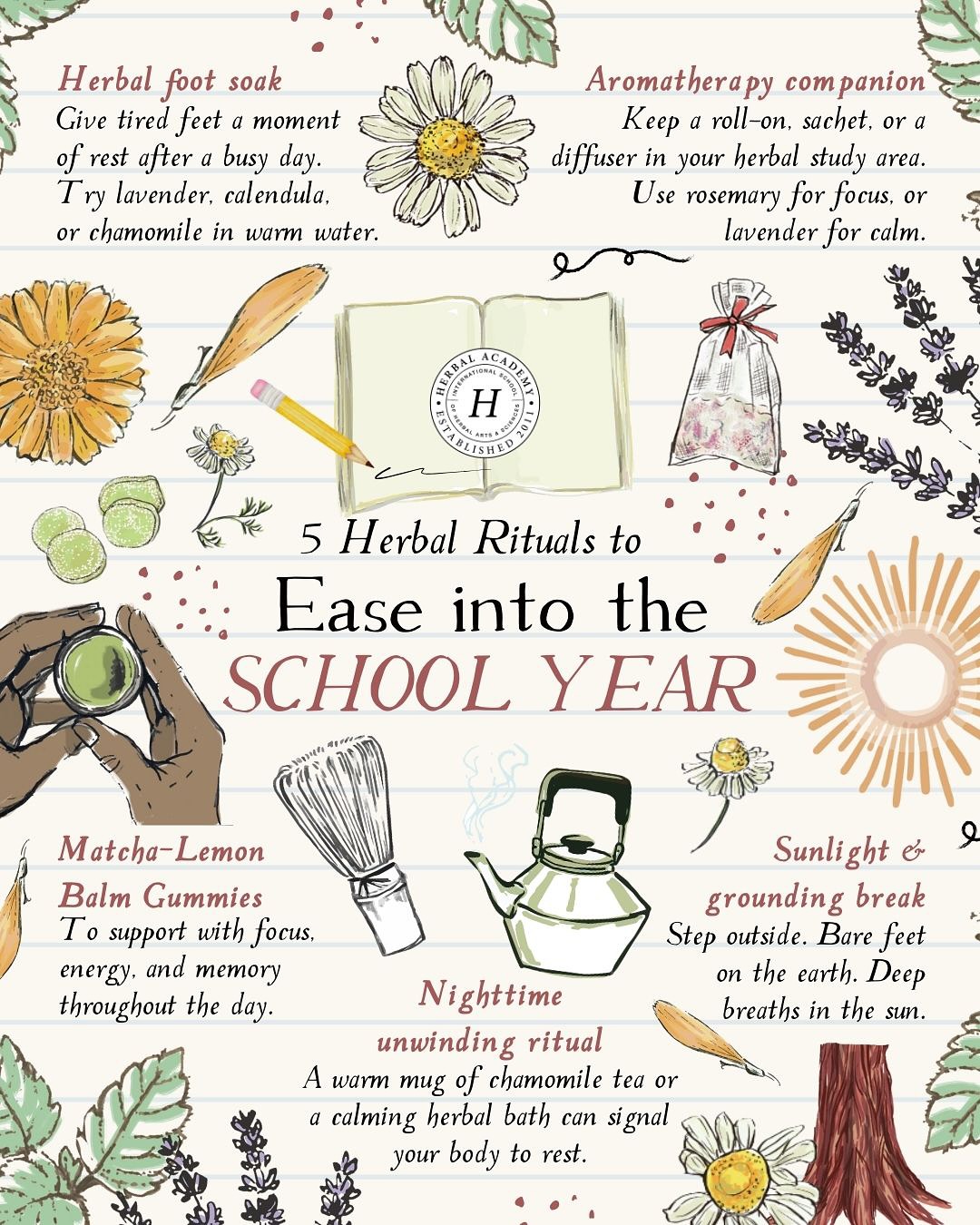
Combining ceremonial-grade matcha with lemon balm creates a synergistic approach to morning cognition. Matcha provides a steady release of L-theanine and clean caffeine, promoting calm alertness and sustained focus. Meanwhile, lemon balm (Melissa officinalis), a classic nervine herb, is traditionally used to soothe mild mental tension and support memory. Preparing these as homemade gummies provides a tart, enjoyable, and portable routine builder for busy mornings.
2. Aromatherapy Companions for Study Sessions
Olfactory stimulation directly impacts the limbic system—the emotional and memory center of the brain. Incorporating essential oil roll-ons, room diffusers, or herbal sachets during study sessions utilizes specific botanical profiles:
- Rosemary (Salvia rosmarinus): Traditionally associated with cognitive performance, memory retention, and mental sharpness.
- Lavender (Lavandula spp.): Renowned for its calming properties, helping to mitigate test anxiety and acute stress.
- Mint (Mentha spp.): Delivers a crisp, invigorating sensory jolt that combats afternoon brain fog.
3. Sunlight and Grounding Breaks
Extended periods of online learning or desk work tether students to digital devices. Clinical observations consistently link excessive screen time with physical tension, tension headaches, and elevated anxiety. Incorporating brief sensory breaks—such as stepping outside for direct sunlight, tending a garden, drawing a botanical specimen, or preparing a wholesome snack—pulls the individual out of a hyper-focused mental loop and reconnects them with somatic awareness.

4. Herbal Foot Soaks for Physical Recovery
Whether navigating a large university campus or engaging in field botany and mushroom foraging inspired by specialized coursework, physical mobility places significant stress on the feet and lower limbs. An herbal foot soak utilizing Epsom salt combined with anti-inflammatory and relaxing botanicals—such as chamomile (Matricaria chamomilla), calendula (Calendula officinalis), and lavender—works via transdermal absorption and warm hydrotherapy to reduce muscle stiffness and soothe weary feet.
- Standard Preparation: Combine ½ cup of fresh herbs (or ¼ cup dried) with 1 cup of Epsom salt in a basin. Steep in hot water for a few minutes, adjust to a comfortable temperature, and soak for 15 minutes.
5. Nighttime Unwinding Rituals
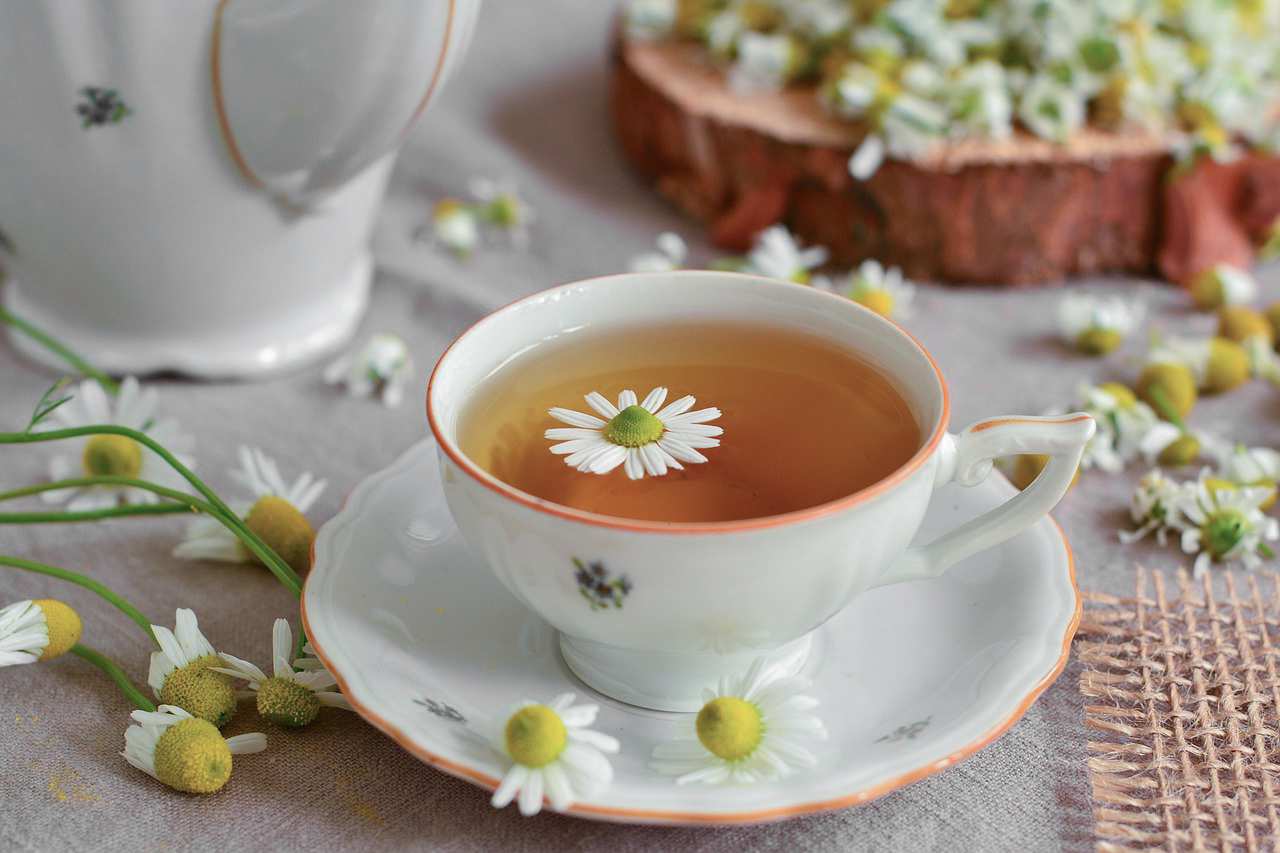
Establishing a predictable evening routine conditions the nervous system for sleep. Drinking a warm cup of chamomile tea or taking an herbal-infused bath serves as a physiological anchor, signaling that the academic day has officially concluded.
Official Responses and Perspectives
Wellness educators and herbalists emphasize that the modern back-to-school season should not be approached solely as a period of academic trial, but rather as an opportunity for holistic self-investment.
"This time of year is a powerful psychological reset," notes curriculum developers at the Herbal Academy. "As individuals transition into more structured learning environments—whether virtual or in-person—the tendency is to push the body harder. However, sustainable education relies on sustainable self-care. Herbal practices that support this transition do not need to be elaborate; they simply need to be consistent, achievable, and aligned with personal rhythms."
Educators stress that modern online learning formats offer unprecedented flexibility, allowing students to study from any location. However, this freedom must be intentionally balanced with physical grounding to prevent digital burnout. By framing education as an act of self-nourishment rather than pure obligation, learners are more likely to achieve long-term academic success and psychological resilience.
Implications: Investing in Long-Term Wellbeing
The broader implications of adopting intentional herbal rituals during the back-to-school season extend far beyond the immediate academic term. By embedding mindfulness, herbal self-care, and somatic breaks into a daily schedule, learners cultivate habits of lifelong wellness.
- Burnout Prevention: Proactive stress management prevents the accumulation of chronic fatigue, keeping learners engaged and enthusiastic about their studies through the darker, colder months of late autumn and winter.
- Empowerment Through Skill-Building: Engaging with hands-on herbalism—such as formulating study gummies, crafting aromatherapy blends, or studying plant medicine through structured online paths—transforms passive consumers of education into active participants in their own health and vitality.
- Financial and Personal Growth Incentives: With seasonal educational discounts (such as the Herbal Academy’s 40% sitewide savings running through September 15, 2026) lowering the barrier to entry for formal botanical studies, more individuals are empowered to make personal development a core priority of their autumn routine.
Ultimately, the back-to-school season serves as an annual invitation to realign our priorities. By pairing academic curiosity with the grounding, restorative power of simple herbal rituals, learners can approach the months ahead with clarity, resilience, and a deep sense of calm wellbeing.