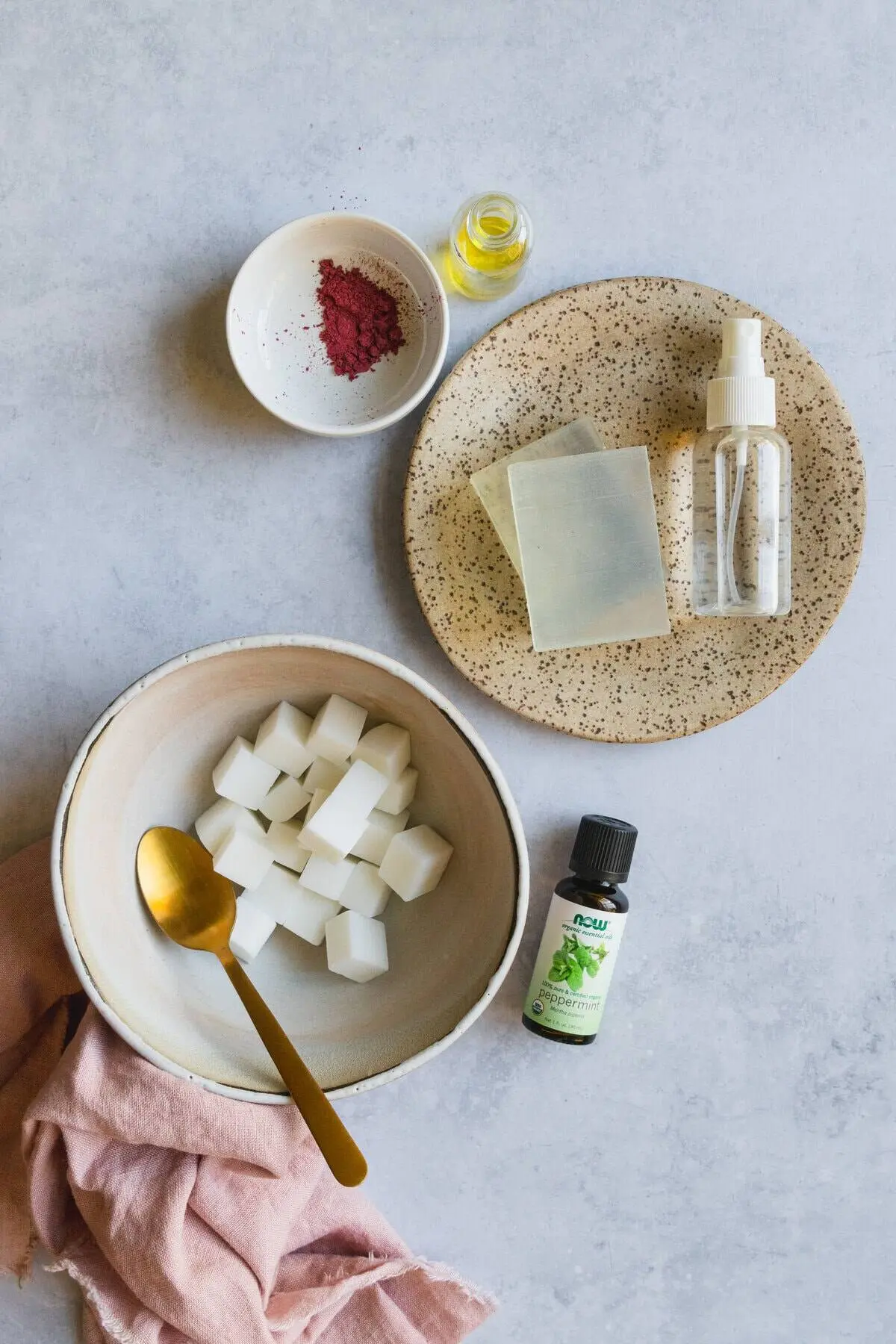
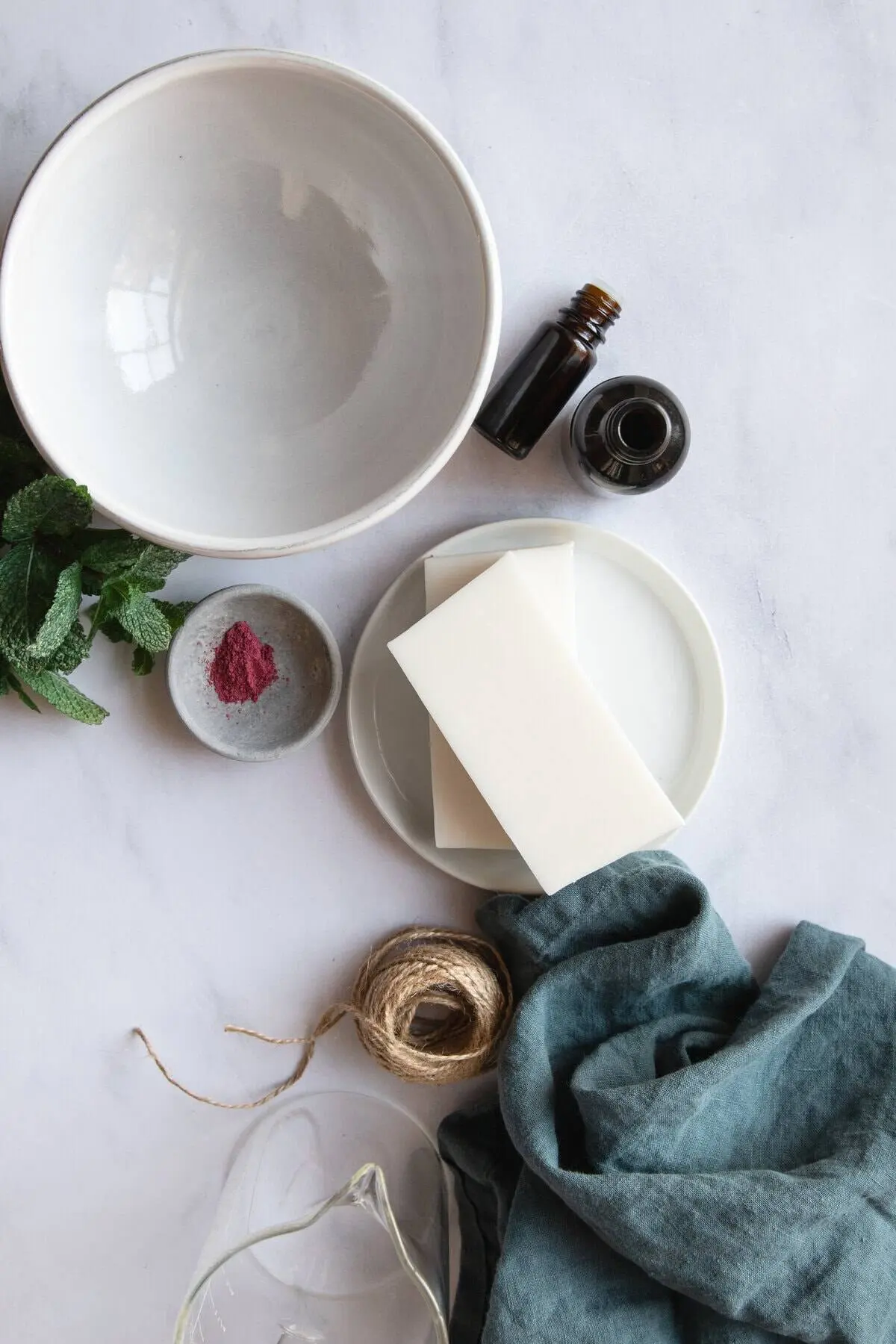
WASHINGTON — In an era defined by constant digital connectivity and fast-paced consumerism, a growing demographic of hobbyists is turning inward. From sourdough baking to plant-based fabric dyeing, tactile domestic arts are experiencing a massive renaissance. Among them, soap making has quietly surged to the forefront of the wellness and craft spaces.
Offering a meditative escape from screens, modern soap making has evolved far beyond industrial chemical production. Today’s creators are looking to accessible, customizable methods like "melt-and-pour" soap bases to recreate luxury commercial cosmetics at home. A prime example capturing the attention of DIY enthusiasts across social media is a striking, pink-hued, peppermint-scented creation: a precise homemade dupe of Lush’s cult-favorite "Snow Fairy" soap.
Combining nourishing shea butter, hydrating glycerin, soothing aloe vera, and invigorating essential oils, this craft project bridges the gap between artisanal luxury and accessible home economics.
The Chronology of the Craft: From Hobby to Masterpiece
Creating an embedded, multi-layered artisan soap like the Snow Fairy copycat is not a five-minute craft; it is a deliberate, multi-stage artistic process that requires patience, precision, and an understanding of chemical temperatures.
Phase 1: Preparation and the Embedded Elements (Hours 1–2)
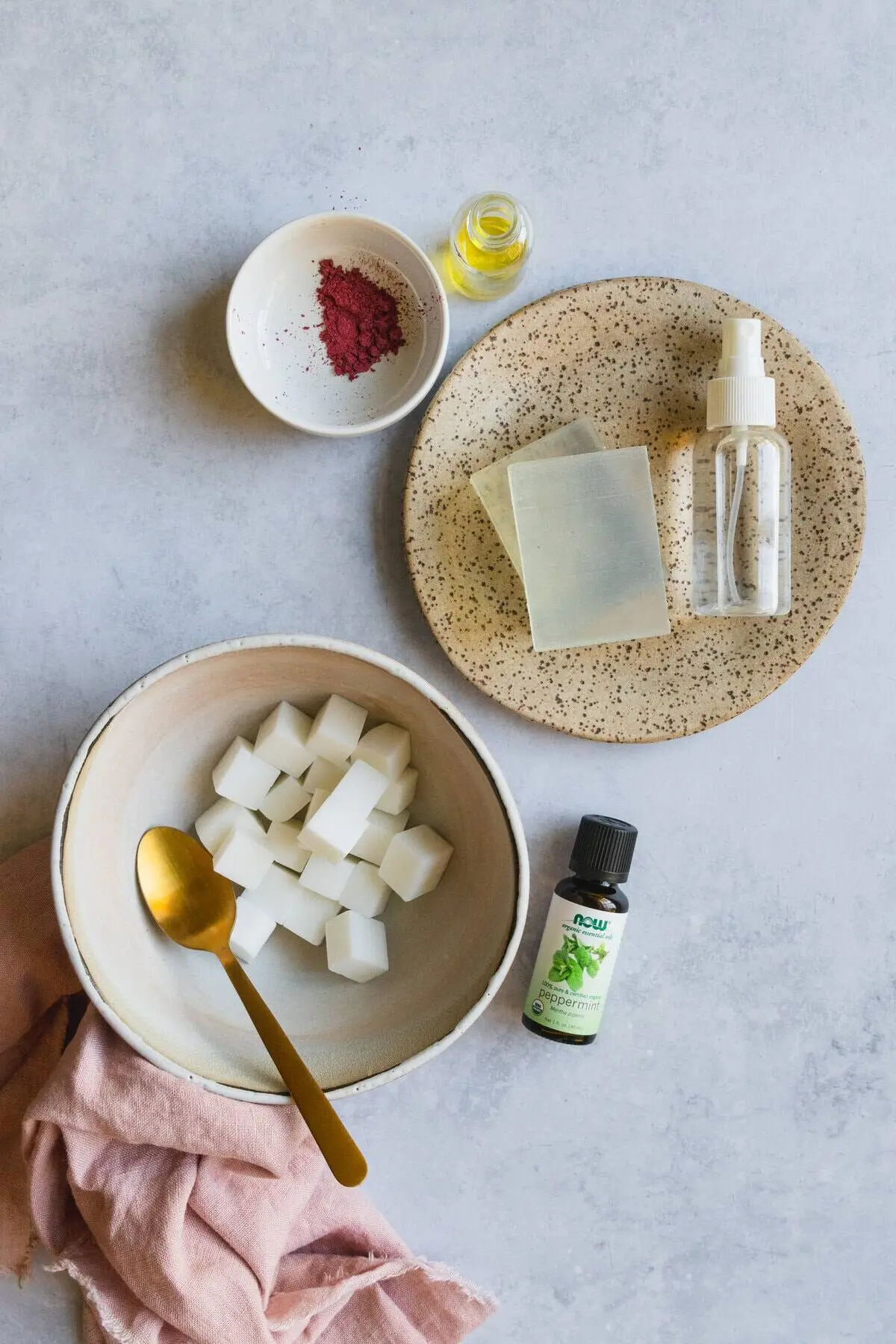
The process begins days or hours in advance by preparing the internal design elements. Creators melt clear glycerin soap bases in a microwave-safe container using short, 30-second intervals to prevent scorching.
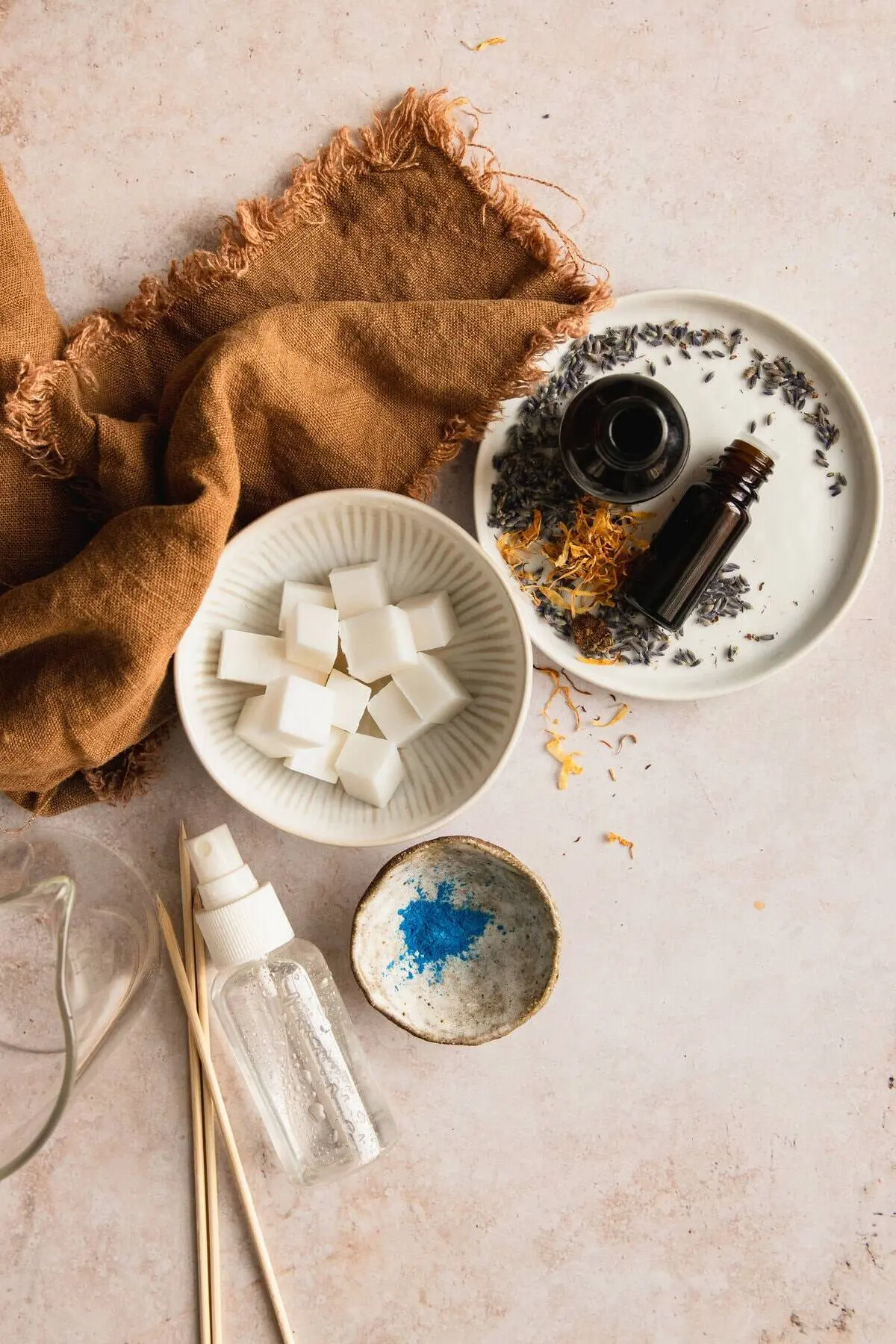
Coloring: A small amount of pink mica powder is whisked into the liquid base to achieve a vibrant, translucent hue.
Molding: The colored liquid is poured into a specialized column mold—often shaped like stars or geometric patterns—supported by a stable cookie sheet.
The Cut: Once cooled and solidified (typically after an hour), these inner shapes are extracted and sliced into distinct stars, squares, triangles, and rectangles.
Phase 2: The Shea Butter Base and Temperature Control (Hours 3–4)
With the inner elements ready, the focus shifts to the outer body of the soap loaf.
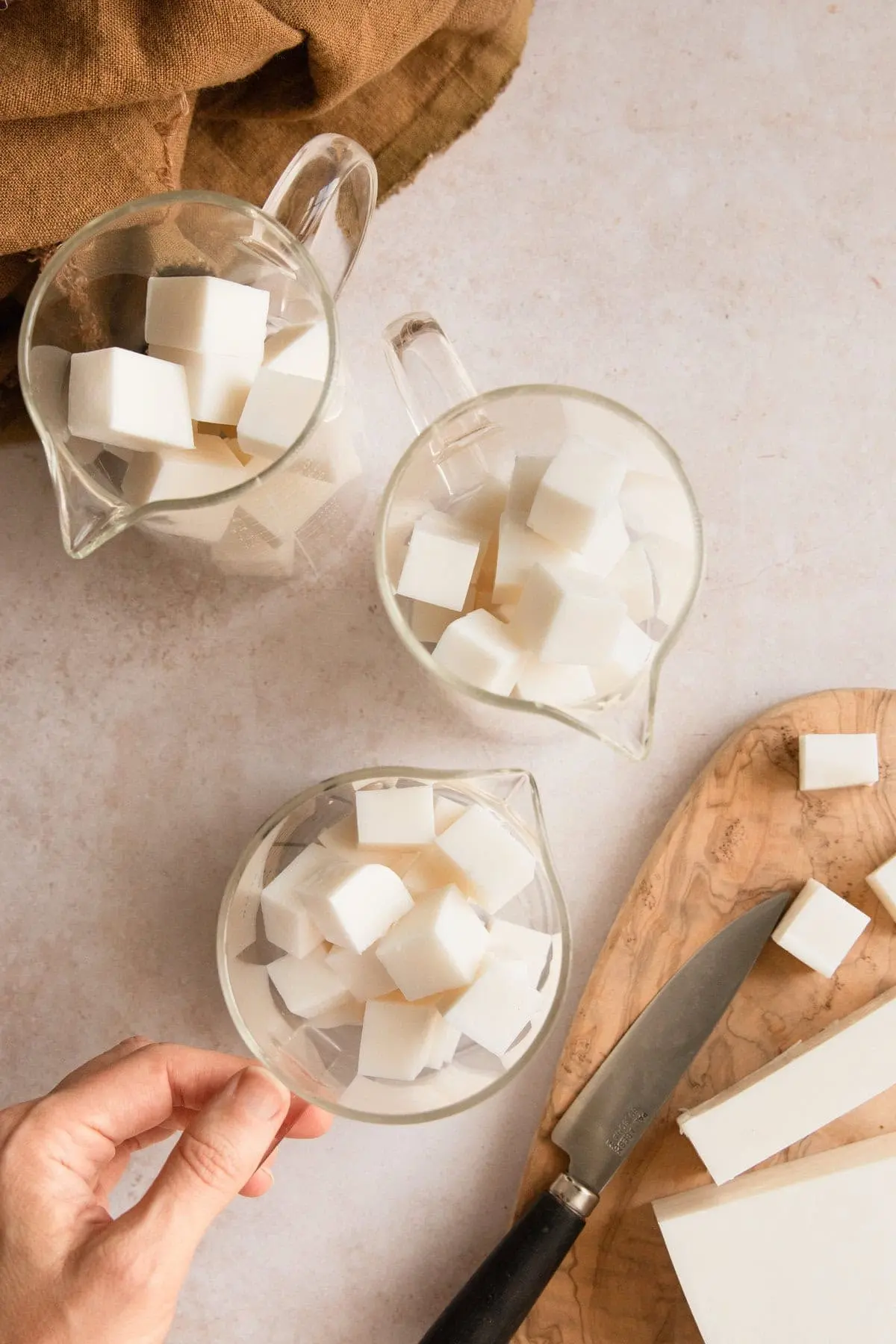
The Blend: The crafter chops and melts a rich shea butter soap base, incorporating skin-soothing ingredients like rice bran oil, aloe vera gel, and festive peppermint essential oil.
The Critical Threshold: Temperature management is vital during this step. The liquid shea base must cool to precisely 140°F–145°F. If poured too hot, it will melt the pre-formed inner shapes into the outer layer, ruining the distinct geometric design. If allowed to cool too much, it will solidify prematurely in the mixing bowl.
Phase 3: Layering and Final Curing (Hours 4–5 and Beyond)
The final assembly requires meticulous layering inside a rectangular soap mold:
A shallow base layer of white or pink soap is poured, spritzed with rubbing alcohol to eliminate air bubbles, and allowed to set for 15 to 20 minutes.
The pre-cut geometric and star shapes are spritzed with alcohol (crucial for adhesion between layers) and placed onto the semi-set base.
Subsequent layers of soap are poured over the shapes in batches, interspersed with continuous spritzes of rubbing alcohol to bond the layers seamlessly and banish surface bubbles.
Once the entire loaf is filled, it cures undisturbed for 2 to 3 hours—or overnight—before being unsaddled from the mold and sliced into thick, 1-inch artisan bars.
Supporting Data: The Economics and Chemistry of Melt-and-Pour
The appeal of melt-and-pour soap making lies in its unique intersection of low barrier-to-entry and high customization potential.
Cost Efficiency: While commercial luxury soaps like those from Lush can retail for upwards of $10 to $15 per 3.5-ounce bar, a bulk DIY batch yielding 8 robust bars typically requires an upfront material investment of around $30. This reduces the cost-per-bar significantly, making it an economically viable option for holiday gift-giving.
Shelf Life and Longevity: Properly formulated melt-and-pour soaps boast a shelf life of up to one year when stored correctly. Because the base is already saponified by commercial manufacturers, crafters bypass the hazardous handling of raw lye (sodium hydroxide) required in traditional cold-process soap making, making the kitchen-table environment considerably safer.
Chemical Integrity: The inclusion of functional additives serves a dermatological purpose. Rice bran oil is rich in Vitamin E and fatty acids, which help lock in moisture during cold winter months, while aloe vera provides anti-inflammatory relief for dry, irritated skin. Peppermint essential oil supplies natural antimicrobial properties alongside its signature cooling sensation.
Official Responses and Expert Insights
Industry artisans and dermatological advocates have weighed in on the growing trend of sophisticated home cosmetics.
"There is a profound psychological benefit to slow-craft movements," notes Stephanie Pollard, a prominent DIY lifestyle creator and author of the Snow Fairy copycat guide. "Soap making allows you to enter a blissful flow state. When you can take everyday ingredients and produce something that rivals high-end retail shelves—while tailoring the skin-nutrients precisely to your body’s needs—it shifts your relationship with consumer goods entirely."
Skin-care specialists emphasize the practical benefits of controlling cosmetic ingredients. Store-bought holiday soaps frequently rely on synthetic detergents (syndets), artificial foaming agents, and heavy synthetic fragrances that can strip the skin’s natural lipid barrier. By utilizing a natural glycerin and shea butter foundation supplemented by pure essential oils, home creators avoid common allergens and irritants.
However, experts caution that proper technique is non-negotiable. "Rubbing alcohol is not optional in melt-and-pour crafting," warns chemical safety advisories within the soap-making community. "Spritzing between layers lowers surface tension, prevents microscopic air pockets from forming structural weaknesses, and ensures the soap bars don’t shear apart during use."
Implications: The Shift Toward Sustainable, Handcrafted Self-Care
The popularity of projects like the DIY peppermint-shea soap highlights a broader cultural shift. Consumers are increasingly valuing transparency, sustainability, and the mindful utilization of time.
Environmental Impact: By creating cosmetics at home, crafters significantly reduce single-use plastic packaging associated with commercial liquid soaps and bath products. Leftover soap scraps can easily be re-melted and recycled into new batches, producing zero waste.
The "Gifting Economy": Handcrafted holiday gifts carry personal sentiment that mass-produced retail items cannot replicate. As economic pressures mount and consumers seek more meaningful, less materialistic ways to celebrate holidays, personalized bath and body products have become standard currency in thoughtful gift-giving.
Mindfulness and Mental Health: In a post-pandemic landscape where burnout remains prevalent, tactile hobbies that demand undivided attention serve as a form of active mindfulness. Counting down the minutes as soap layers cool forces creators to step away from digital devices, grounding them in a tangible, physical reality.
As winter approaches and indoor activities take precedence, the kitchen counter continues to transform into a laboratory of sensory creativity. Projects like the copycat Snow Fairy soap prove that luxury is no longer confined to luxury storefronts—it can be melted, poured, and sliced right at home.