By Alan U. Dalul
Published: August 22, 2026
Main Facts
For nearly a year, Venezuelan immigrant, writer, and pagan columnist Alan U. Dalul found himself suspended in the complex and unforgiving machinery of the United States immigration system. Following the expiration of his employment authorization on November 7, Dalul entered a period of enforced professional silence. As an immigrant actively navigating the green card application process alongside his U.S.-citizen husband, Dalul faced strict legal prohibitions against generating any form of income.
The stakes were absolute: any action interpreted by U.S. Citizenship and Immigration Services (USCIS) as unauthorized employment or an attempt to generate revenue carried the severe risk of triggering deportation proceedings. This legal vulnerability fostered intense psychological distress, characterized by chronic anxiety, insomnia, and debilitating nightmares.
Despite the profound trauma of this institutional limbo—a reality shared by countless families facing systemic immigration hurdles—Dalul utilized the crucible of his isolation to reevaluate his spiritual framework. Rather than allowing despair to entirely consume his craft, he distilled his magical practice down to its most essential elements. His experience offers a profound meditation on resilience, shedding light on the intersections of modern bureaucracy, mental health, and contemporary witchcraft.
Chronology
The trajectory of Dalul’s ordeal and subsequent return to public writing encompasses a precise sequence of legal milestones and personal adaptations:
- November 7, preceding year: Dalul’s employment authorization formally lapses, halting his ability to work or legally publish and promote new material for The Wild Hunt. In the weeks leading up to this deadline, he undergoes an intense burst of writing, racing against the legal clock to produce columns before being silenced by bureaucratic constraints.
- November through August: A protracted, multi-month period of enforced professional inactivity. Dalul and his husband compile extensive documentation for his adjustment-of-status application while managing the severe economic and psychological fallout of joblessness.
- Ongoing (Spring–Summer): Amid escalating mental health strains—culminating in a visit to a crisis care center just weeks prior to his return—Dalul begins implementing a minimalist spiritual routine, relying on simplified rituals, non-traditional prayer formats, and musical witchcraft to maintain his well-being.
- August 22, 2026: Dalul officially reemerges in the pages of The Wild Hunt, publishing a vulnerable retrospective detailing the psychological toll of the immigration process and the hard-won lessons he acquired as a witch during his silence.
Supporting Data and Context
The psychological and logistical challenges faced by Dalul are part of a broader, well-documented crisis within the United States immigration framework. While individual experiences vary, the systemic strain of adjustment-of-status periods frequently leads to acute psychological trauma, isolation, and financial instability.
Data compiled by advocacy groups, legal watchdogs, and investigative journalists frequently highlights the perils of the U.S. immigration apparatus. Reports from organizations such as the Project on Government Oversight (POGO) routinely document systemic flaws within detention and monitoring facilities, while public health data underscores the high rates of anxiety, depression, and trauma experienced by applicants trapped in bureaucratic backlogs.
For Dalul, these systemic realities translated into tangible physical and mental health struggles. The inability to afford consistent professional therapy compounded the weight of his isolation. However, rather than operating in a vacuum, his coping mechanisms drew from a rich web of contemporary resources—ranging from online support communities and mental health disclosures to the broader landscape of modern paganism and pop culture witchcraft.
Official Responses and Systemic Realities
While USCIS operations and processing times dictate the day-to-day realities of applicants like Dalul, institutional responses to the broader backlog crisis often emphasize administrative volume and security protocols. However, critics and immigration advocates argue that the human cost of these delays—manifesting as sudden employment gaps, forced family separations, and severe psychological distress—receives insufficient institutional mitigation.
The strict binary enforced by federal regulations—where maintaining legal status requires absolute economic inactivity during specific processing windows—creates an environment of perpetual anxiety. For mixed-status families, the fear of administrative missteps is ever-present. Official guidelines leave little room for error, meaning that creative endeavors, freelance writing, or minor digital engagements can inadvertently become high-stakes legal liabilities.

Implications for Modern Witchcraft and Spirituality
Dalul’s enforced hiatus forced a radical reassessment of what constitutes a valid spiritual practice under duress. His reflections articulate several paradigm shifts that resonate deeply within the broader pagan and magical communities:
1. Radical Minimalism: Less Can Be Much More
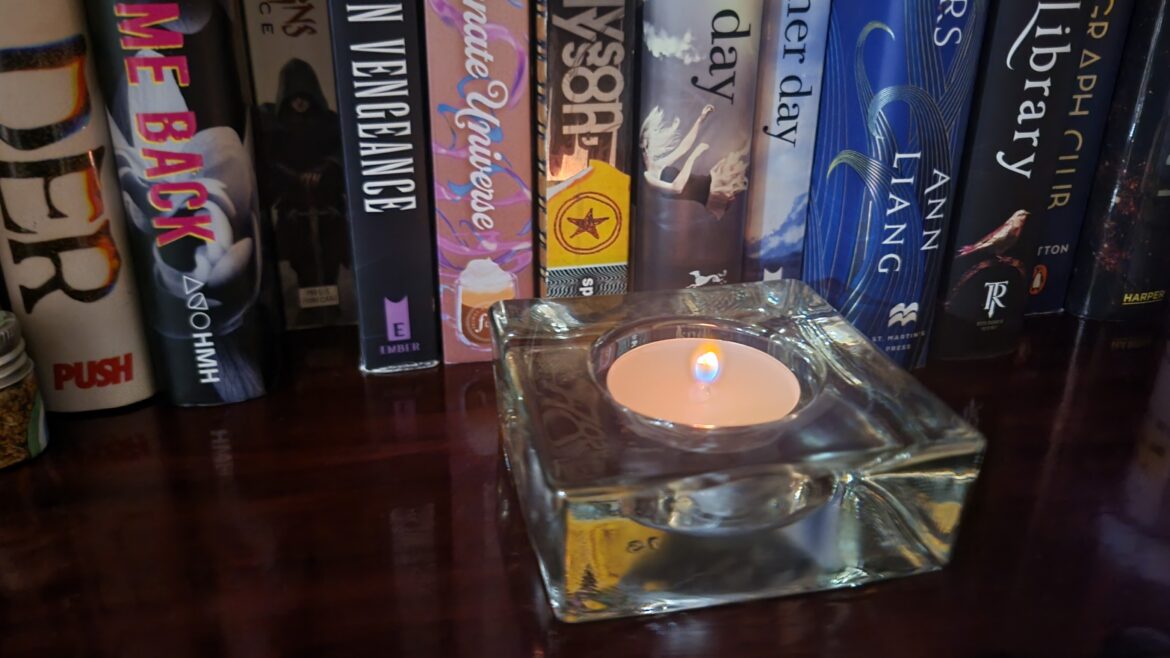
When chronic stress, clinical anxiety, and insomnia strip away an individual’s energy, elaborate rituals become impossible to sustain. Dalul discovered that survival required stripping his practice down to its bones. By reducing his nightly devotions to the lighting of just two candles—one dedicated to the Divine/Absolute and another to his blood ancestors—he maintained a lifeline to hope. This demonstrates that authentic magical connection does not require grand theater; simple, consistent acts of reverence carry immense sustaining power.
2. The Fluidity of Naming the Divine
Language shapes reality, yet traditional theological labels can sometimes feel heavy or restrictive during periods of crisis. Transitioning from specific deity names to conceptual frameworks like "the Great Spirit" or "the Divine/Absolute" allowed Dalul to bypass the emotional fatigue associated with traditional prayer. This linguistic shift offers a valuable tool for practitioners experiencing spiritual burnout or existential disillusionment.
3. Redefining Prayer Beyond Transaction
Mainstream religious conditioning often frames prayer as a transactional endeavor—a mechanism exclusively used to petition for favors or divine intervention. Dalul’s journey cultivated a practice rooted in spontaneous gratitude. Recognizing milestones, however small, and expressing authentic appreciation to the spirits and unseen forces transformed prayer from a petition of lack into an exchange of mutual recognition.
4. Recognizing the Vulnerability of the Body as a Temple
Spiritual communities frequently romanticize the human body as an untouchable sacred temple, often ignoring the very real deterioration caused by trauma, aging, and illness. Dalul challenges this toxic positivity by acknowledging that physical vessels do, in fact, break down. Walls crack, lights dim, and health falters. Accepting physical changes—such as weight gain or mental health plateaus—without self-judgment is presented as an act of profound preservation: keeping the temple standing so that it may eventually be repaired.

5. Cultivating Intentional Consciousness and Rootedness
Parenthood and public controversy taught Dalul the value of verbal and energetic conservation. With limited free time and heightened public scrutiny, modern practitioners must curate their words and focus with surgical precision. Simultaneously, his reliance on "musical witchcraft"—drawing solace from artists ranging from Faun and Lady Gaga to Lindsey Stirling—reinforces that cultural heritage and ancestral roots are not exclusively bound to antiquity. Music can serve as a potent, portable grimoire for the modern witch.
Conclusion: Pressure and Patience
Diamonds are forged under immense pressure, and bread requires a period of quiet rest to rise. For Alan U. Dalul, the past year has been an agonizing exercise in both. While the trauma of his legal limbo was stark—requiring crisis intervention care just weeks before his public return—his ability to extract wisdom from adversity speaks to the enduring resilience of the human spirit.
As he steps back into the light of public discourse and creative output, Dalul’s journey serves as a powerful testament to the fact that spiritual practice is not a static set of rules, but a living, breathing adaptation to life’s harshest trials. What comes next is not merely a resumption of his previous work, but the emergence of a deeper, more refined iteration of writer, father, and witch.