





By: Editorial Staff
Published: Special Investigative Report
Main Facts: The Hidden Human and Environmental Cost of the Crystal Trade
The global demand for healing crystals, minerals, and metaphysical stones has experienced an unprecedented boom over the last decade. Once confined to niche occult shops and localized holistic markets, the crystal industry has evolved into a multibillion-dollar juggernaut fueled by social media aesthetics, wellness culture, and mainstream commercial retail. However, this skyrocketing popularity has cast a harsh light on an inconvenient truth: the supply chain behind these glittering symbols of peace, healing, and positive energy is frequently opaque, unregulated, and fraught with severe ethical violations.
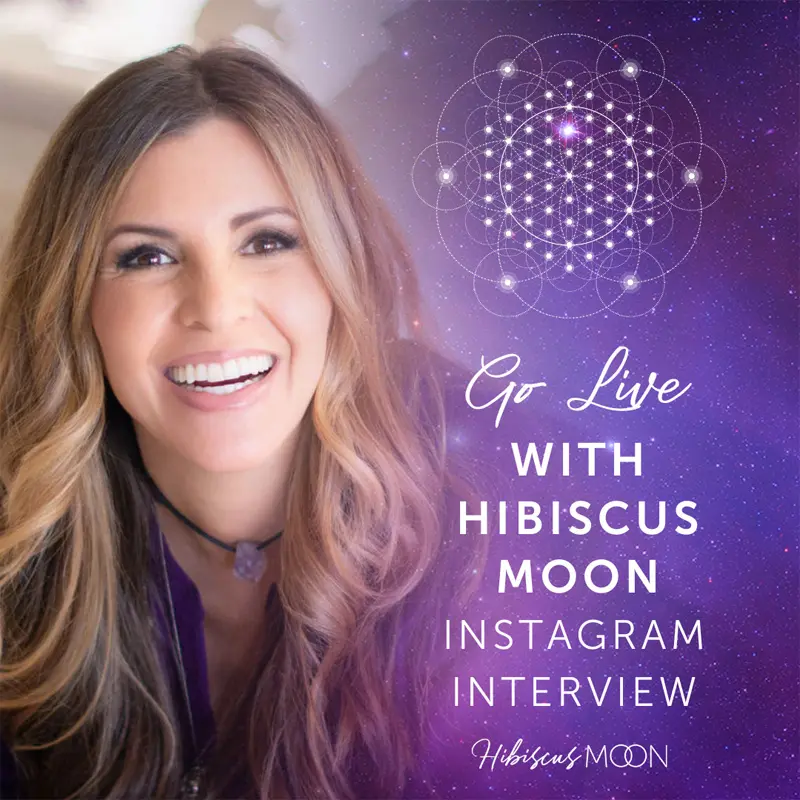
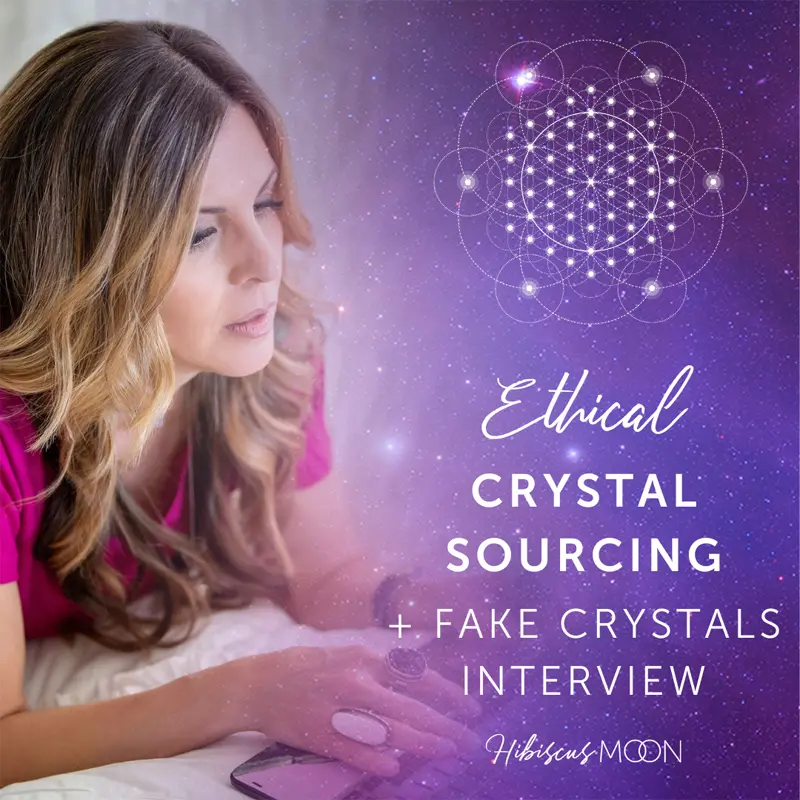
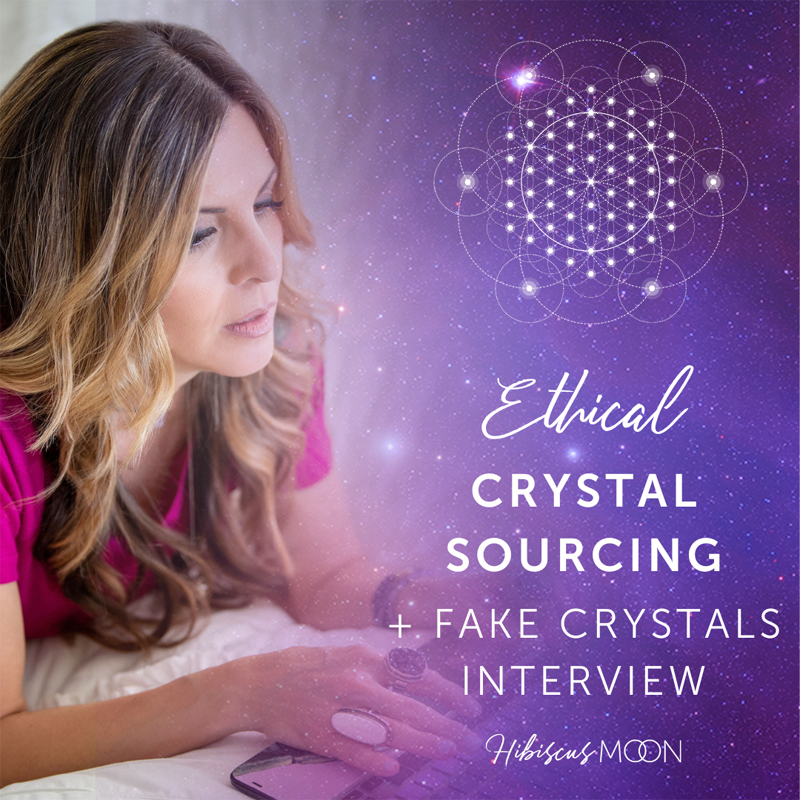
In a recent broadcast, crystal expert and educator Hibiscus Moon sat down for a live interview with Barbie—widely known in the digital community as "Cold Brew Barbie"—to tackle this exact issue. The conversation plunged headfirst into the controversial topic of ethical crystal sourcing, unpacking how raw minerals are extracted from the earth and examining whether consumers can truly trust the labels attached to their favorite stones.
At its core, ethical crystal sourcing refers to the procurement of minerals through methods that prioritize environmental sustainability, fair labor practices, safe working conditions, and fair wages for miners. Unlike major commodities like gold or diamonds, the gemstone and mineral market lacks standardized, globally recognized regulatory frameworks. Consequently, many crystals are harvested in developing nations—such as Madagascar, the Democratic Republic of Congo, Brazil, and India—where small-scale artisanal mining is often the primary driver of local economies.
While artisanal mining provides vital income for impoverished communities, it frequently takes place in hazardous conditions. Miners often work without basic safety gear, facing risks of tunnel collapses, exposure to toxic dusts, and chronic injuries. Furthermore, child labor and exploitative middle-man pricing structures remain persistent challenges within unmonitored supply chains. When consumers purchase crystals without inquiring about their origin, they may inadvertently support labor abuses and environmental degradation that directly contradict the metaphysical properties of harmony and healing they seek from the stones.
Chronology: From Ancient Rituals to a Modern Industrial Boom
To understand how the modern crystal market reached this ethical crossroads, it is necessary to examine the trajectory of mineral extraction and consumption over time.
Ancient and Traditional Use
For millennia, crystals and precious stones were utilized by ancient civilizations—including the Egyptians, Greeks, Chinese, and Mayans—for medicinal, decorative, and spiritual purposes. Because extraction methods were largely manual and localized, the environmental footprint was minimal, and trade networks were typically small-scale and direct.
The New Age Resurgence (Late 20th Century)
The contemporary crystal healing movement began to take shape during the New Age movement of the 1970s and 1980s. During this period, demand for quartz, amethyst, and other healing stones grew steadily. Shops catering to alternative spirituality emerged in urban centers across North America and Europe, with suppliers relying on traditional import networks that, while largely unregulated, operated on a much smaller volume.
The Social Media Explosion (2015–Present)
The landscape changed drastically with the advent of platforms like Instagram and TikTok. Aesthetics centered around self-care, meditation, and home decor propelled crystals into the mainstream. Mega-retailers, lifestyle brands, and online boutiques began mass-marketing crystals as essential wellness commodities. This sudden spike in consumer demand outpaced existing supply chain infrastructure, encouraging rushed, high-volume extraction methods that largely bypassed environmental and labor safeguards.
The Awakening and Live Discussions (Recent Years)
As consumer awareness caught up with the commercial boom, a counter-movement emerged. Industry educators, ethical advocates, and creators like Hibiscus Moon and Cold Brew Barbie began leveraging live interviews, podcasts, and digital content to shine a light on the hidden realities of the trade. These discussions forced a reluctant industry to begin acknowledging the urgent need for transparency, traceability, and reform.
Supporting Data: Transparency and Market Realities in the Crystal Industry
Quantifying the ethical footprint of the crystal market presents unique challenges due to the informal nature of artisanal mining. Nevertheless, industry data, trade reports, and investigative journalism shed light on the scope of the problem.
- Lack of Traceability: Industry estimates suggest that upwards of 80% of metaphysical crystals originate from small-scale artisanal mines in the Global South. Due to multiple layers of middlemen, brokers, and wholesalers, over 70% of retail sellers cannot accurately trace a crystal back to the specific mine or cooperative where it was extracted.
- Environmental Impact: Unlike large-scale industrial mining, which is subject to rigorous environmental impact assessments, artisanal mining frequently leads to uncontrolled deforestation, soil erosion, and the chemical contamination of local water sources—particularly through the unmonitored use of heavy metals and acids in mineral processing.
- Economic Disparity: While retail markups on polished and raw crystals can range anywhere from 300% to over 1,000% by the time a stone reaches a boutique shelf, miners at the grassroots level typically receive a fraction of a percent of the final sale price, trapping them in cycles of poverty despite backbreaking labor.
- Consumer Awareness Shift: Recent market surveys indicate a growing consumer demand for ethical alternatives. Over 60% of millennial and Gen Z wellness consumers state they would pay a higher price for wellness products if the supply chain could verify fair labor and eco-friendly practices.
Official Responses: Industry Stakeholders and Advocates Respond
As scrutiny intensifies, various players within the crystal community, mining sector, and advocacy groups have begun responding to the crisis of unethical sourcing.
Wholesalers and Retailers
Major wholesale distributors are increasingly facing direct questioning from boutique owners regarding the origins of their inventory. In response, some progressive suppliers have started forging direct relationships with mining cooperatives in countries like Brazil and Arkansas (USA), cutting out predatory middlemen to ensure that miners receive fair compensation. However, industry insiders note that "greenwashing"—where companies market stones as "ethically sourced" simply because they sound natural or spiritual, without verifiable proof—remains a widespread issue.
Independent Educators and Influencers
During their live conversation, Hibiscus Moon and Cold Brew Barbie emphasized that education is the primary weapon against ignorance in the crystal market. Rather than calling for a total boycott of crystals—which could devastate the legitimate artisanal mining communities that rely on the trade for survival—advocates argue for conscious consumerism. This involves asking difficult questions of suppliers, demanding transparency, and supporting businesses that prioritize fair-trade principles.
Labor and Environmental Watchdogs
Non-governmental organizations (NGOs) monitoring global supply chains continue to lobby for the establishment of international certification standards similar to those seen in the diamond industry (such as the Kimberley Process, though it has its own flaws). Watchdogs stress that until governments in source countries and consumer nations enact stricter import regulations, the onus largely falls on buyers and retailers to police their own purchasing habits.
Implications: What the Future Holds for Crystal Lovers and the Industry
The growing awareness surrounding ethical crystal sourcing carries profound implications for everyone involved in the metaphysical community—from the miners pulling quartz from the earth to the consumers displaying geodes in their homes.
For the Consumer
The era of blind consumption is coming to an end. Crystal enthusiasts are being forced to reconcile their spiritual practices with the physical realities of the earth. Buying a crystal should no longer be treated as a casual, disposable transaction. Instead, consumers are encouraged to view their stones with deeper reverence, researching the origins of their pieces, buying from reputable dealers who visit their source mines, and understanding that true positive energy cannot be extracted through exploitation.
For Business Owners
Metabolic shops, online crystal boutiques, and wellness brands must adapt to rising ethical standards. Businesses that fail to provide transparency regarding their supply chains risk losing credibility among an increasingly discerning customer base. Conversely, those that invest in ethical sourcing and transparent storytelling will likely position themselves as trusted leaders in the next evolution of the wellness economy.
For Mining Communities
Sustainable reform has the potential to transform artisanal mining from a dangerous, exploitative enterprise into a dignified, sustainable livelihood. By fostering direct trade relationships, paying living wages, and implementing safe environmental practices, the crystal industry can support local economies without destroying them.
Ultimately, as Hibiscus Moon and Cold Brew Barbie highlighted in their illuminating discussion, shining a light on these uncomfortable truths is the first step toward lasting change. By staying educated, asking the right questions, and demanding accountability, the crystal community can help ensure that the energy embodied in these natural wonders is genuinely pure from the ground up.