









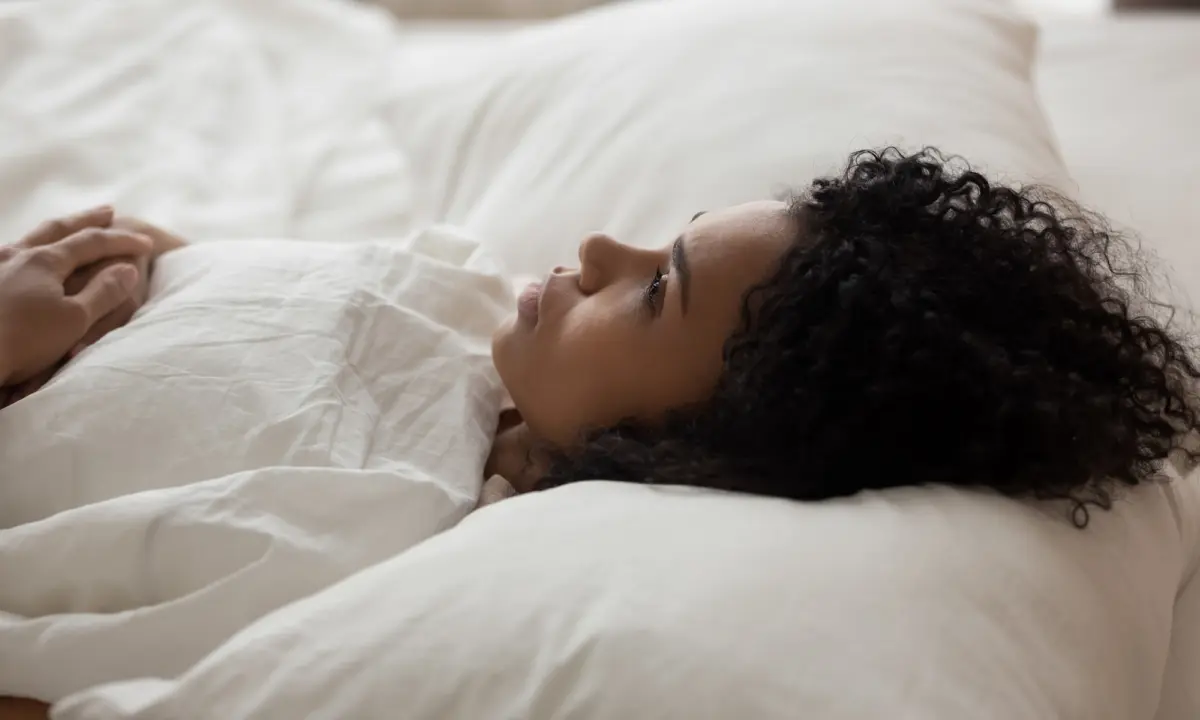
August 21, 2026 — For millions of women navigating the transitional phases of perimenopause and menopause, waking up at 2 a.m. drenched in sweat is an all-too-familiar, deeply frustrating reality. Pajamas are damp, pillows are soaked, and the prospect of slipping back into a peaceful slumber is instantly replaced by wide-awake frustration.
For decades, medical professionals, researchers, and patients alike have broadly grouped night sweats and hot flashes together. Both are hallmark vasomotor symptoms triggered by fluctuating hormonal levels—specifically declining estrogen—that disrupt the body’s internal thermostat. However, a compelling new study published in the medical journal Menopause suggests that these two symptoms may not impact a woman’s rest equally.
When it comes to sleep disruption and daytime fatigue, night sweats emerge as the far more destructive force.
Main Facts: Unpacking the Menopause Sleep Study
The newly released research investigates a vital question that has long been overlooked in women’s health: Do hot flashes and night sweats lead to different levels of sleep disruption and low energy, or do they share an identical impact?
To find out, researchers designed an observational study tracking 841 women between the ages of 40 and 60—a prime demographic experiencing the physiological shifts of midlife. The study categorized participants into four distinct symptom groups:
- The Control Group: Women experiencing neither hot flashes nor night sweats.
- The Hot Flash Only Group: Women dealing exclusively with daytime or nighttime surges of internal heat without excessive sweating.
- The Night Sweat Only Group: Women suffering exclusively from nocturnal perspiration episodes.
- The Combination Group: Women experiencing both hot flashes and night sweats.
Participants self-reported their experiences regarding sleep difficulties, energy levels, and daily habits through standardized questionnaires. Crucially, the research team adjusted for external confounding variables that are known to influence sleep quality—such as age, specific menopausal stages, mood fluctuations, and underlying joint discomfort.
The results offer a stark reality check for how medicine views menopausal symptoms. Women suffering from night sweats alone were nearly twice as likely to report severe sleep trouble compared to women experiencing neither symptom. Even more alarming, they were more than twice as likely to report chronic low energy.
Conversely, hot flashes occurring in isolation did not show a statistically significant connection to sleep trouble or low energy. Women who experienced only hot flashes reported sleep quality and energy levels roughly comparable to the control group of women experiencing neither symptom. While women dealing with both symptoms reported poorer overall sleep habits, the stark divide highlighted night sweats as the primary catalyst for nocturnal misery.
Chronology: How the Investigation Unfolded
To understand the significance of this study, it helps to look at the broader timeline of how menopause research has evolved.
- The Historical Paradigm: For generations, medicine treated vasomotor symptoms as a single monolithic category. Hot flashes and night sweats were routinely viewed as two sides of the same coin—differing only in whether they occurred during waking hours or while asleep. Treatment protocols historically focused on systemic hormone replacement therapy (HRT) or lifestyle adjustments aimed at reducing overall body temperature, without differentiating the neurological or physical wake-up triggers of sweat versus heat.
- The Midlife Health Shift (2020–2024): In recent years, a cultural and medical renaissance in women’s health has prioritized granular data regarding perimenopause. Specialists began noting anecdotal complaints from patients who claimed that waking up wet was far more jarring than simply feeling warm. However, empirical data comparing the two was sparse.
- The Current Study (2026): Researchers analyzed the cohort of 841 women aged 40 to 60, carefully isolating symptoms to measure subjective sleep disruption, sleep hygiene, and daytime sleepiness. By controlling for confounding factors like mood disorders and joint pain, the study isolated the physiological toll of night sweats, culminating in the publication of these findings in Menopause.
Supporting Data and Clinical Insights
While the findings are illuminating, researchers emphasize the limitations inherent in the methodology. Because this was an observational study relying on self-reported questionnaires, it establishes a strong correlation rather than direct causation. It remains technically unproven that night sweats directly cause sleep pathology, though the clinical rationale is robust.

Furthermore, an interesting nuance emerged regarding daytime sleepiness: while nighttime awakenings spiked significantly for the night sweat groups, excessive daytime sleepiness (measured via standardized scales) remained relatively uniform across all four groups. This suggests that menopausal women may be suffering from chronic, low-grade exhaustion and sleep fragmentation rather than outright excessive daytime somnolence—a subtle distinction that can easily be misdiagnosed or missed during routine clinical check-ups.
Why Night Sweats Pack a Greater Punch
From a physiological and psychological perspective, the discrepancy between hot flashes and night sweats makes intuitive sense.
- The Threshold of Awakening: A mild or moderate hot flash can sweep over a sleeping woman without fully rousing her from deep or REM sleep. Her body’s autonomic nervous system may manage the thermal surge internally.
- The Sensory Shock of Dampness: A night sweat, by contrast, involves heavy perspiration that dampens pajamas, sheets, and pillows. This introduces a sudden sensory shock—wet, cold, and sticky discomfort.
- The Recovery Delay: Once a woman is jolted completely awake by night sweats, her cognitive faculties activate. She is forced to process the discomfort, decide whether to change her clothes or linens, wait for her body to stop perspiring, and struggle to regulate her core temperature. This prolonged wakefulness shatters sleep architecture, making it notoriously difficult to fall back within the standard 20-minute window.
Over weeks, months, and years, these repeated micro-awakenings chip away at sleep efficiency, eroding cognitive function, emotional resilience, and physical vitality.
Official Responses and Expert Recommendations
Medical professionals specializing in women’s health have welcomed the study, noting that it validates what patients have reported for decades.
"We often hear patients say, ‘I can handle feeling warm during the day, but waking up drenched at 3 a.m. ruins my entire next day,’" says Dr. Elena Vance, a board-certified gynecologist and menopause specialist. "This research gives empirical weight to those patient experiences. It tells us we need to target night sweats aggressively, not just as a comfort issue, but as a critical sleep medicine issue."
Sleep medicine experts echo these sentiments, emphasizing that fragmented sleep is just as detrimental to long-term cardiovascular and metabolic health as outright sleep deprivation.
Actionable Strategies for Managing Night Sweats
For women dealing with frequent nocturnal sweating, sleep and hormone specialists recommend a multi-pronged approach to optimize the sleep environment:
- Optimize Bedding and Sleepwear: Ditch heavy synthetics that trap heat and moisture. Opt for moisture-wicking, breathable fabrics like bamboo, linen, or lightweight cotton.
- Control Ambient Temperature: Keep the bedroom cool—ideally between 60°F and 67°F (15°C to 19°C). Utilize cooling mattress pads, gel pillows, or targeted bedside fans.
- Mind Dietary Triggers: Reduce evening consumption of known vasodilation triggers, including alcohol, spicy foods, and caffeine, which can intensify nocturnal temperature spikes.
- Consult a Healthcare Provider: If night sweats are persistent, severe, or severely impacting your daytime quality of life, schedule an appointment with a gynecologist or primary care physician. Medical interventions—ranging from low-dose hormone therapy to non-hormonal prescription options (such as specific neurokinin 3 receptor antagonists or select SSRIs/SNRIs)—can dramatically reduce the frequency and severity of vasomotor episodes.
Implications for the Future of Menopause Care
The publication of this study marks a shifting paradigm in how we understand and treat the menopausal transition. By proving that night sweats carry a uniquely punishing toll on sleep and energy, the research challenges clinicians to refine their diagnostic and treatment frameworks.
No longer should night sweats be treated as a mere cosmetic or minor inconvenience bundled under the umbrella of "hot flashes." Instead, they must be recognized as primary disruptors of sleep health that demand targeted, individualized interventions. For the millions of women lying awake in damp sheets, this research is a long-overdue validation—and a promising step toward more personalized, effective medical care in midlife and beyond.