





Introduction
In an era dominated by high-stress desk jobs, remote work setups, and constant screen time, chronic tension in the neck and shoulders has become an almost universal physical burden. As modern society grapples with rising rates of musculoskeletal discomfort, ergonomic strain, and mental fatigue, individuals are increasingly turning away from quick-fix pharmaceutical solutions and toward holistic, time-tested self-care therapies.
Enter the heated herbal neck wrap—a simple, comforting, and remarkably effective home-crafted remedy designed to nestle into the tense nooks and crannies of the upper body. By combining moist heat therapy with the gentle, calming power of botanical aromatherapy, this simple sewing project delivers spa-grade relaxation straight to your living room.

This comprehensive guide explores the structural mechanics of making your own weighted thermal wrap, the physiological benefits of heat and aromatherapy, step-by-step instructions, safety protocols for microwave usage, and broader implications for daily wellness and stress management.
Main Facts & Overview: What is a Heated Herbal Neck Wrap?
A heated herbal neck wrap is a segmented, fabric-based pouch filled with heat-retaining grains—most notably flaxseed or white rice—and infused with dried aromatic flowers such as lavender, chamomile, rose, or jasmine. When warmed briefly in a microwave, the filling absorbs thermal energy and releases it gradually alongside soothing botanical fragrances.

Key Components of the Wrap:
- The Outer Shell: Crafted from natural, breathable, and microwave-safe fabrics like 100% cotton, flannel, or linen. Synthetic materials (such as polyester, nylon, or acrylic) are strictly avoided due to their propensity to melt, off-gas harmful chemicals, or catch fire under high heat.
- The Thermal Filling: Flaxseed is widely considered the gold standard. It boasts a high natural oil content that retains heat exceptionally well while providing a fluid, conformable weight that drapes effortlessly over the cervical spine and shoulders. White rice serves as a viable, budget-friendly alternative.
- The Aromatherapy Infusion: Dried organic flower blossoms—specifically French lavender—release volatile essential oils when heated, offering proven relaxation and mood-lifting benefits through inhalation.
- The Fastening System: Integrated twill tape ties allow the user to secure the wrap comfortably around the neck, ensuring continuous, hands-free contact with sore muscle groups.
Chronology: The Evolution of Heat Therapy and DIY Self-Care
The use of thermal therapy to alleviate pain and induce relaxation is deeply rooted in human history, evolving from ancient traditions to modern DIY movements.
- Ancient Roots: Civilations dating back to ancient Greece, Rome, and China utilized hot stones, thermal baths, and heated sand or herbal poultices to treat muscle sprains, rheumatism, and fatigue.
- The Rise of Commercial Heating Pads: The 20th century introduced electric heating pads and commercial gel packs. While convenient, these often lacked targeted ergonomic design and portability, tethering users to electrical outlets.
- The Craft Revival (Late 20th to Early 21st Century): As consumers sought more natural, chemical-free home goods, crafters began repurposing scrap fabrics and pantry staples like rice and corn to create handmade heating pads.
- The Integration of Aromatherapy: Modern wellness culture merged thermal therapy with botanical scents, incorporating lavender and chamomile to address both physical muscle tension and psychological stress simultaneously.
- Present Day: Home-craft tutorials and DIY wellness solutions have surged in popularity, driven by remote-work lifestyles, mindfulness trends, and a cultural shift toward sustainable, handmade self-care items.
Supporting Data: Why Flaxseed and Aromatherapy Work
Understanding the science behind the materials helps explain why this simple DIY project yields such profound therapeutic results.

1. The Physics of Flaxseed
Flaxseed (Linum usitatissimum) is uniquely suited for microwaveable heating pads. Unlike water-filled hot water bottles or stiff gel packs, flaxseeds are small, smooth, and oily. The oil content inside the seed allows it to absorb microwave energy efficiently, holding onto heat for 20 to 30 minutes—the optimal window for safe thermotherapy without risking skin irritation or burns. Furthermore, the loose seeds shift dynamically, allowing the wrap to mold precisely to the cervical contours of any body type.
2. The Neurological Impact of Moist Heat
Applying localized heat to the neck and shoulders triggers vasodilation—the widening of blood vessels. This increases blood flow to tight, ischemic muscle tissue, delivering vital oxygen and nutrients while clearing out metabolic waste products like lactic acid. Simultaneously, heat signals sensory receptors in the skin to block pain signals traveling to the brain, inducing immediate muscular relaxation.

3. The Power of Botanical Aromatherapy
Lavender (Lavandula angustifolia) has been extensively studied for its anxiolytic (anti-anxiety) properties. When heated, the botanical compounds (such as linalool and linalyl acetate) vaporize into the air. Inhalation of these compounds stimulates the limbic system—the brain’s emotional control center—leading to reduced heart rates, lower cortisol (stress hormone) levels, and enhanced mental clarity.
Step-by-Step Instructions: How to Make Your Own Heated Herbal Neck Wrap
Completing this project takes approximately one hour and requires basic sewing machine proficiency.

Materials & Supplies Needed:
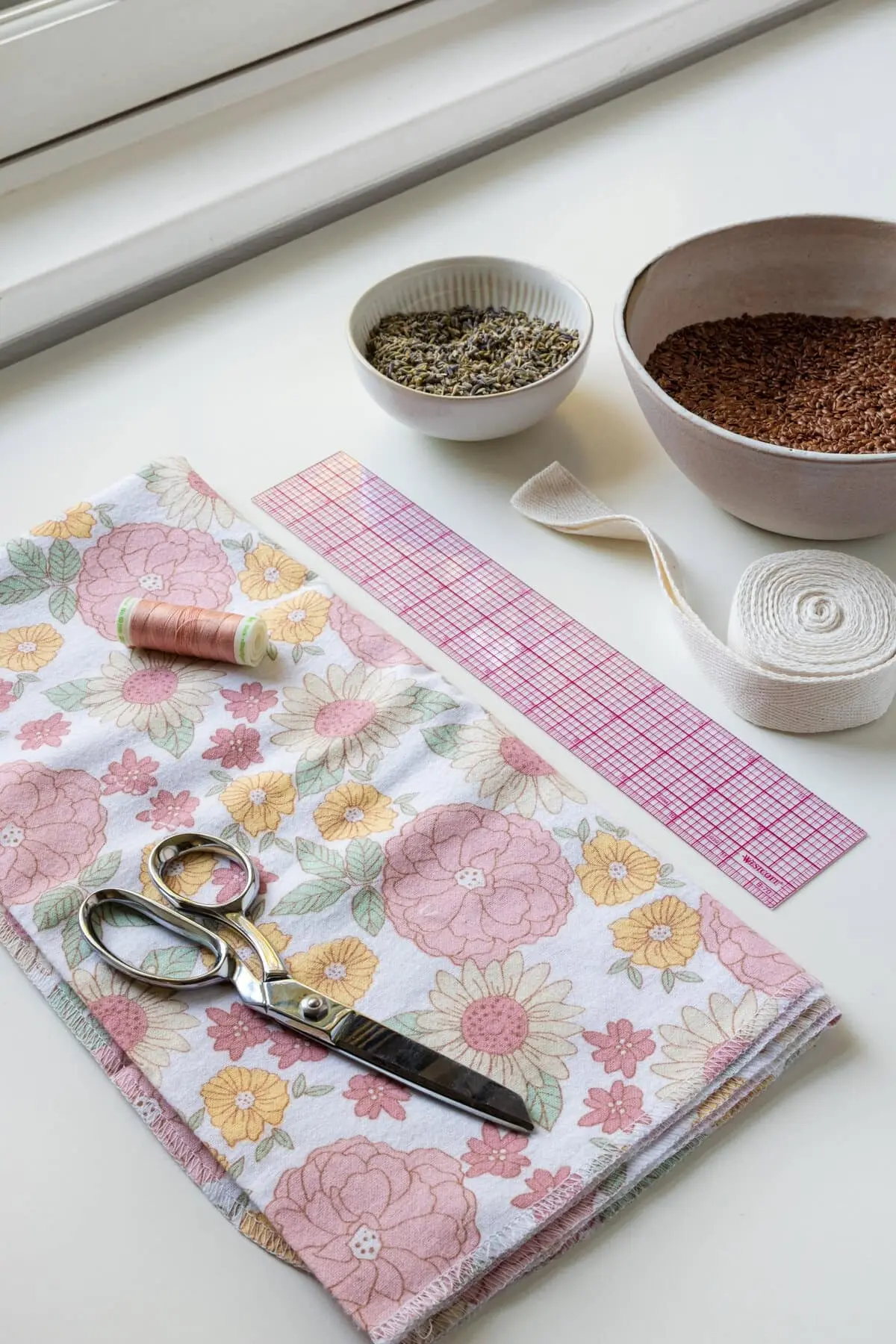
- Natural Cotton or Flannel Fabric: Cut to a finished dimension of approximately 6 inches wide by 24 inches long (allow for seam allowances).
- Twill Tape: Two 12-inch strips for ties.
- Filling: 2 to 3 cups of clean flaxseed (or white rice).
- Botanicals: ¼ cup of dried lavender blossoms (or chamomile, rose, or jasmine).
- Sewing Notions: Matching thread, sewing machine, iron and ironing board, straight pins, fabric marker, measuring tape, and a small funnel.
Construction Steps:
1. Preparing the Main Tube
- Fold your fabric in half lengthwise ("hot dog style") with the right sides facing together, ensuring the long raw edges line up precisely.
- Using a ½-inch seam allowance, sew along the entire length of the open seam.
- Turn the fabric tube right-side out and press it flat with a hot iron for a crisp finish.
2. Adding the Closure and Ties
- On one of the short ends, fold the raw fabric edge inward by ½ inch and press with the iron.
- Insert the ends of your twill tape into the folded opening on either side and pin securely in place.
- Topstitch straight across the short end to close it securely and anchor the twill tape ties. Remove your pins.
3. Creating Internal Channels (Baffling)
- Starting at the newly closed end, measure 1.5 inches down from the top edge and draw a faint horizontal guideline.
- Measure 1.5 inches in from the left edge and draw a vertical line running lengthwise down the wrap, stopping 2 inches short of the bottom edge.
- Measure 1.5 inches to the right of the first vertical line and draw a second parallel line. You should now have three distinct vertical columns.
- Sew a straight stitch along each of these two vertical lines. Crucial Note: These channels prevent the flaxseed from shifting entirely to one end, ensuring even weight distribution across your shoulders.
4. Filling the Wrap
- In a mixing bowl, thoroughly combine your flaxseed and dried lavender blossoms.
- Using a wide-necked funnel (or carefully pouring by hand), add about ½ cup of the mixture into the top open channels. Shake the fabric to distribute the filling evenly down into the bottom compartments.
- Continue filling each column until the wrap is almost full—leave a little bit of empty space (slack) so the wrap remains flexible and can comfortably drape around your neck.
5. Final Sealing
- Fold the raw edges of the final open end inward by ½ inch, press with an iron, and tuck the remaining ends of the twill tape into the outer corners.
- Pin the opening shut and secure it with a sturdy topstitch across the top edge. Your herbal neck wrap is officially complete!
Official Guidelines & Safety Protocols for Microwave Use
While DIY heating pads are wonderful wellness tools, improper use can lead to scorching, fabric damage, or fire hazards. Adhere strictly to the following safety protocols:
- Heating Time Limits: Microwave the wrap in 30-second intervals. Never exceed a total heating time of 90 seconds in a standard microwave. Overheating causes the natural oils in flaxseed (or the starches in rice) to scorch, dry out, and potentially combust.
- Fabric Selection Audit: Never use synthetic blends, polyester thread, metallic prints, or plastic-based embellishments. Natural fibers only (cotton, linen, flannel).
- Rice-Specific Precaution: If you substitute flaxseed with white rice, place a small ceramic cup filled with water inside the microwave alongside your neck wrap. Because rice has a much lower oil content than flax, it dries out rapidly under microwave radiation; the cup of water restores ambient humidity and prevents scorching.
- Temperature Testing: Always test the temperature of the wrap on the sensitive skin of your inner wrist before placing it against your neck or allowing children or elderly individuals to use it.
- Storage & Maintenance: Store the completely cooled wrap in a clean, dry environment, preferably inside a sealed plastic bag if storing it in the freezer for cold therapy. Discard and replace the wrap if it develops a burnt smell or if the fabric begins to thin significantly.
Implications: The Broader Impact on Holistic Well-Being
The DIY heated herbal neck wrap represents more than just a clever craft project; it is emblematic of a broader cultural movement toward self-reliance, preventative care, and mental health stewardship.

1. Democratization of Wellness
High-end spa treatments, specialized orthopedic devices, and commercial heating products can be cost-prohibitive. By utilizing accessible pantry staples (rice/flaxseed), garden botanicals, and leftover fabric scraps, individuals can curate professional-grade wellness therapies for a fraction of the commercial cost (often under $15). This empowers households to take active control of their physical comfort and pain management.
2. Combating Digital Fatigue
As remote work blurs the boundaries between professional obligations and personal rest, workers often struggle to disconnect at the end of the day. Rituals like warming an herbal neck wrap at 4:00 PM serve as psychological touchstones—signaling to the brain and body that the workday has concluded, cortisol levels can drop, and the transition to evening relaxation has begun.

3. Sustainability and Zero-Waste Crafting
In a consumer landscape dominated by disposable plastics and mass-produced goods, making a durable, reusable cloth wrap aligns with sustainable living principles. Furthermore, crafters can easily empty, wash, and refill the fabric shell when necessary, extending the lifecycle of the product indefinitely.
Frequently Asked Questions (FAQ)
1. What fabric works best for a DIY neck wrap?
Any organic, natural fiber fabric works best. Cotton, flannel, and linen are exceptional choices because they are soft, breathable, and completely safe to heat in the microwave. Always avoid synthetic fabrics like polyester, rayon, or nylon, which can melt or release unpleasant odors.

2. Can I use essential oils instead of dried flowers?
Yes. If you prefer not to use dried botanicals, you can add 5 to 10 drops of high-quality therapeutic essential oil (such as lavender, eucalyptus, or chamomile) directly to the flaxseed mixture before filling the wrap.
3. Can I use this heated neck wrap as a cold pack?
Absolutely. Seal the wrap inside a clean plastic freezer bag and place it in the freezer for 2 to 3 hours. Cold therapy is excellent for reducing acute inflammation, soothing tension headaches, or refreshing tired eyes.

4. How long does a DIY neck wrap last?
With proper care and regular use, a well-constructed fabric wrap can last several years. If the fabric wears thin or the filling develops a stale or scorched odor, simply empty the contents, wash the fabric, and sew a fresh batch.