





Main Facts: The August 1st Convergence of Heritage
August 1 marks a unique nexus on the cultural calendar, bridging ancient agrarian milestones with contemporary celebrations of regional identity across the British Isles and Ireland. Historically recognized as the opening of the harvest season, the date hosts parallel observances including the Anglo-Saxon festival of Lammas and the Gaelic tradition of Lughnasadh (or Lúnasa). In modern times, August 1 has also been designated as Yorkshire Day—an annual celebration of the culture, history, and civic pride of England’s largest historic county.
The 2026 observance of Yorkshire Day carries heightened civic significance as the official host town duties fall to Goole, located in the East Riding of Yorkshire. The designation coincides with Goole’s bicentenary, marking 200 years since its development as the United Kingdom’s furthest inland port. Across the county, municipalities, civic organizations, and grassroots groups are preparing an array of public events, ranging from classical music galas in Bradford to historic trail walks in York, alongside traditional readings of the Yorkshire Declaration of Integrity.
| Key Event / Tradition | Geographic Origin | Historical Roots / Inception | Primary Focus |
|---|---|---|---|
| Lammas ("Loaf Mass") | Anglo-Saxon England | Early Medieval | Blessing of the first grain harvest and bread-making |
| Lughnasadh / Lúnasa | Ireland | Pre-Christian Celtic | Harvest festival named for the deity Lugh; Gaelic cultural preservation |
| Yorkshire Day | Yorkshire, England | 1975 (linked to 1759 battle) | Civic pride, regional history, and community cohesion |
Chronology: From Ancient Harvests to Civic Pride
  [Pre-Christian Era]          [1759]                 [1975]               [1985]             [2026]
   Lughnasadh origins      Battle of Minden        Yorkshire Day        Yorkshire Society    Goole hosts
 (Gaelic harvest rites)  (White rose symbolism)     established       coordinates celebrations  Bicentenary
Agrarian Rhythms: Lughnasadh and Lammas
The historical foundation of August 1 rests on the agrarian cycle. Long before modern municipal observances, communities across northern Europe marked this period as the transition into the autumn harvest.
- Lughnasadh (Lúnasa): Originating in Ireland, Lughnasadh was dedicated to the Gaelic god Lugh and served as an ancient harvest assembly. Uninterrupted practices persist in several regions of Ireland, where the event remains intertwined with the modern Irish language (Gaeilge) and regional folklore. Recent demographic data indicates a steady revival in Gaeilge speakers, providing renewed cultural relevance to these traditional names and customs.
- Lammas: Derived from the Old English hlaf-maesse ("Loaf Mass"), Lammas represents the early Christianization of northern harvest rituals. Congregants brought loaves of bread baked from the season’s first yield of wheat to local churches to be blessed. This ritual marked both gratitude for survival and the official commencement of the grain harvest.
Military History and the Genesis of Yorkshire Day (1759–1975)
While Lammas and Lughnasadh claim ancient roots, Yorkshire Day is a 20th-century innovation with deep ties to 18th-century military history.
- The Battle of Minden (1759): On August 1, 1759, during the Seven Years’ War, British and Hanoverian forces defeated French troops at the Battle of Minden in Germany. According to military tradition, regiment soldiers—including the 51st Foot (later the King’s Own Yorkshire Light Infantry, now integrated into The Rifles)—plucked white roses growing near the battlefield and attached them to their headgear. The white rose, already established as the emblem of the House of York, became enduringly tied to August 1.
- Establishment in 1975: In 1975, amid sweeping UK local government reorganizations under the Local Government Act 1972—which modified traditional county boundaries—the Yorkshire Ridings Society established August 1 as Yorkshire Day. The initiative sought to preserve regional identity, historic boundary awareness, and dialect.
- Formalization in 1985: To establish standardized protocols and expand participation, the Yorkshire Society assumed oversight of the event in 1985. The society introduced an official rotation system, selecting a different municipal host—designated as the "Yorkshire Day Town"—each year.
Supporting Data and Regional Context
   Yorkshire Regional Context
  ┌─────────────────────────────────────────────────────────┐
  │  Historic Symbol:  The White Rose of York              │
  │  Host 2026:        Goole (East Riding of Yorkshire)     │
  │  Inland Reach:     ~50 miles from the North Sea         │
  │  Oath Recitation:  11:39 AM annually in York            │
  └─────────────────────────────────────────────────────────┘
The Geography of Goole and the 2026 Bicentenary
Goole’s selection as the host town for 2026 highlights the economic and industrial heritage of the East Riding. Known historically as the "port in green fields," Goole is situated approximately 50 miles inland along the River Ouse and the Humber Estuary, making it the most inland port in the United Kingdom.
- Bicentenary Milestone: Founded as a modern canal port in 1826 by the Aire and Calder Navigation Company, Goole marks its 200th anniversary in 2026.
- Economic Heritage: The port historically facilitated the export of Yorkshire coal and manufacturing goods. Today, it remains an operational hub for maritime logistics and industrial processing, serving as a gateway between Yorkshire’s agricultural interior and international shipping routes.
Language, Dialect, and Identity
Yorkshire Day also highlights the preservation of regional linguistics. The Yorkshire dialect, rooted in Old English and influenced by Old Norse vocabulary introduced during the Viking settlement of Danelaw, functions as a major marker of local identity. Terms such as lass (girl or woman) and regional idioms remain active parts of everyday communication.

Similarly, commentators point to the parallel effort in Ireland, where Gaeilge has experienced a measurable surge in interest among younger populations, reinforcing how regional language preservation remains central to cultural identity movements across the British Isles.
Official Responses and Civic Celebrations
Goole Municipal Program
As the designated host for 2026, Goole Town Council and local community organizations have organized a structured civic agenda designed to highlight the town’s industrial heritage and county standing. The official program includes:
- Civic Breakfast: An gathering of regional mayors, civic leaders, and invited delegates.
- Procession of Mayors: A formal parade featuring municipal leaders from across North, South, West, and East Yorkshire in full mayoral regalia.
- Civic Service of Thanksgiving: A non-denominational ceremony honoring the region’s historic contributions.
- Formal Luncheon: A gathering focused on fostering intra-regional economic and cultural partnerships.
County-Wide Public Events
Beyond the official host town, municipal authorities and private institutions across Yorkshire have announced public programming tailored to various demographics:
- Bradford (West Yorkshire): St. George’s Hall will host the inaugural Yorkshire Proms, presenting classical orchestral works celebrating regional musical talent.
- York (North Yorkshire): The historic county town features a family-focused "Seagull Trail" navigating the medieval timber-framed buildings of The Shambles and surrounding market squares.
- Carlton Towers (East Riding): The Victorian Gothic estate will host an outdoor mini-festival featuring traditional fairground attractions, live music, and classic entertainment such as Punch and Judy shows.
       Selected 2026 Yorkshire Day Observances
┌──────────────────┬──────────────────────────────────────────┐
│ Location         │ Event Focus                              │
├──────────────────┼──────────────────────────────────────────┤
│ Goole            │ Host Town Ceremonies & Bicentenary Parade│
│ York             │ Declaration Recitation & Historic Trails │
│ Bradford         │ Inaugural "Yorkshire Proms" Concert      │
│ Carlton Towers   │ Heritage Festival & Family Programming   │
└──────────────────┴──────────────────────────────────────────┘
The Yorkshire Declaration of Integrity
A foundational element of Yorkshire Day observances is the public reading of the Yorkshire Declaration of Integrity (commonly referred to as the Yorkshire Oath). By tradition, the declaration is read aloud at 11:39 AM in the city of York. The specific timing refers back to 876 AD, acknowledging the year when Anglo-Scandinavian governance was formally established in the region.
The text affirms loyalty to the Crown, asserts the geographic integrity of the county’s historic boundaries (the North, West, and East Ridings), and emphasizes community cohesion. Notably, the declaration defines regional identity through civic commitment rather than strictly by birthright, establishing that residency and loyalty to the community are sufficient to claim a Yorkshire identity.
Implications: Civic Identity, Heritage Tourism, and Modern Community
The ongoing celebration of August 1 events—spanning ancient harvest traditions, linguistic preservation, and county-wide civic rituals—reflects broader socio-economic and cultural trends.

1. Heritage Tourism and Economic Impact
Events surrounding Yorkshire Day provide a measurable boost to local economies, particularly in host towns like Goole and high-density tourist centers like York. Municipal investment in cultural programming yields direct revenues for hospitality, retail, and regional transport networks, highlighting the value of historic heritage in modern regional development.
2. Modern Civic Inclusivity
The contemporary framing of regional pride—epitomized by the Yorkshire Oath—reflects an evolving approach to local identity. By explicitly defining belonging through community contribution rather than ancestry, civic organizations use traditional observances to foster social cohesion within increasingly diverse populations.
3. Cultural Continuity in a Globalized Era
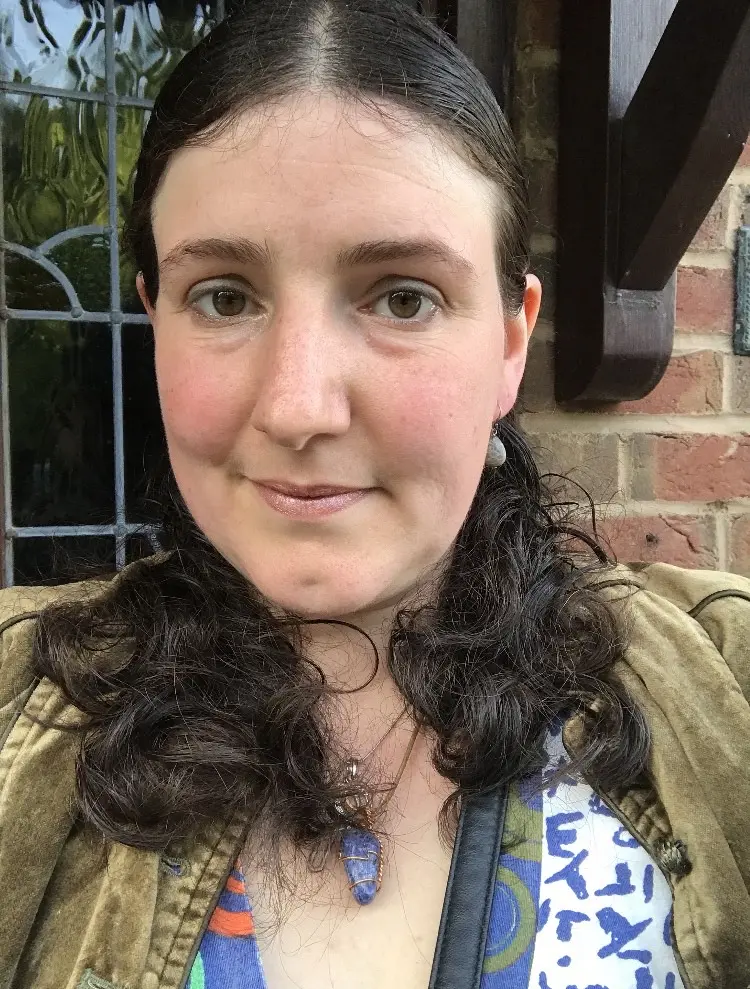
The parallel persistence of Gaelic harvest traditions, Anglo-Saxon agricultural milestones, and regional dialect celebrations demonstrates a sustained public desire for local identity. Modern figures within folkloric and literary circles—such as Yorkshire-based author, poet, and environmental advocate Mabh Savage—emphasize that these observances bridge historical research with active community engagement, ensuring that regional heritage remains dynamic rather than static.
Whether through civic parades in Goole, classical performances in Bradford, or individual gatherings across the Ridings, August 1 continues to serve as an important focal point for community identity, historical continuity, and civic pride in Northern England.