








By The Global Health & Culture Desk
In an era dominated by wellness culture, self-care mantras, and the constant digital curation of mental health, a new cultural lexicon has emerged. Phrases like “protecting my energy,” “setting boundaries,” and “protecting my peace” have transitioned from clinical psychology offices into the mainstream vernacular. Printed on water bottles, embroidered on sweatshirts, and deployed as bio captions across social media platforms, these concepts are widely accepted as the bedrock of modern emotional well-being.
Yet, a growing conversation among emotional health experts suggests that these well-intentioned catchphrases are frequently being co-opted. Instead of serving as tools for healthy emotional regulation, they are increasingly used to justify a sophisticated form of avoidance—masking fear and discomfort behind the socially acceptable guise of self-care.
A recent personal account shared by author and emotional sovereignty advocate Dakota J. Dawson has brought this cultural blind spot into sharp focus. Dawson’s narrative exposes a painful and common reality: the psychological mechanisms we employ to shield ourselves from distress often end up shifting the burden of trauma onto the people who love us most.
The Anatomy of Avoidance: A Case Study in Modern Isolation
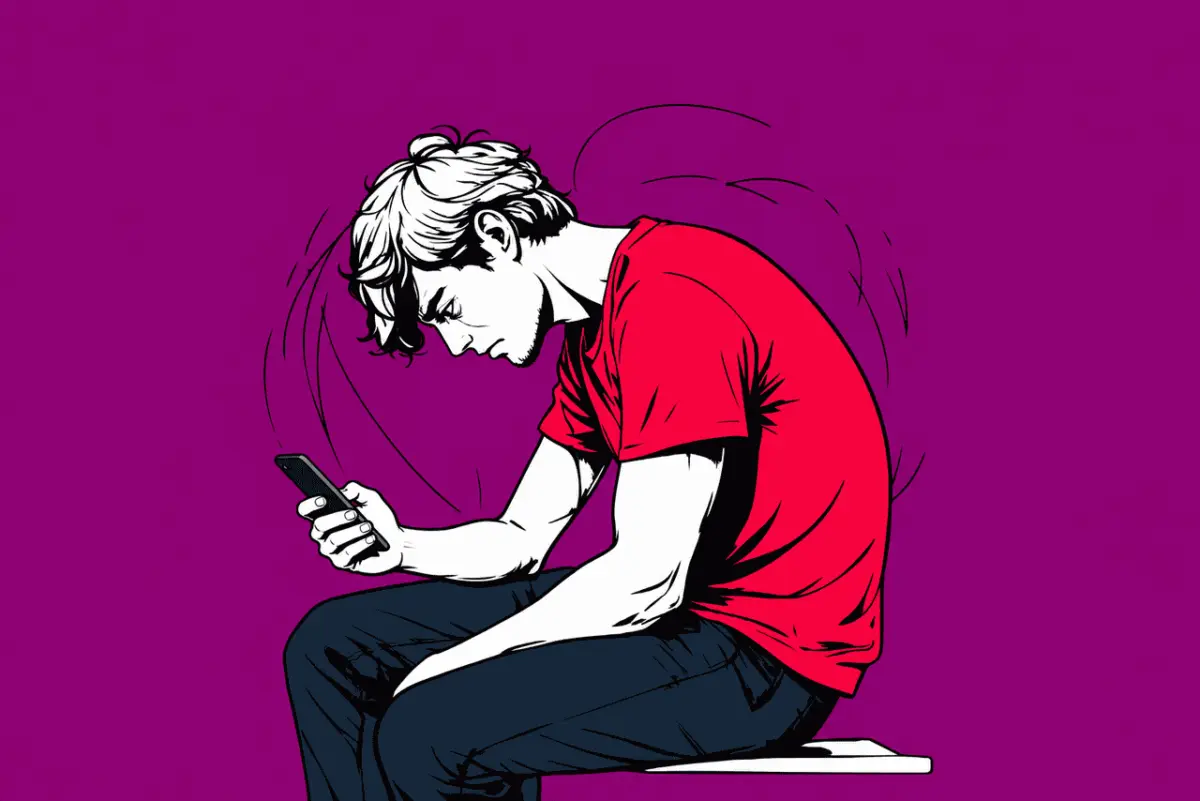
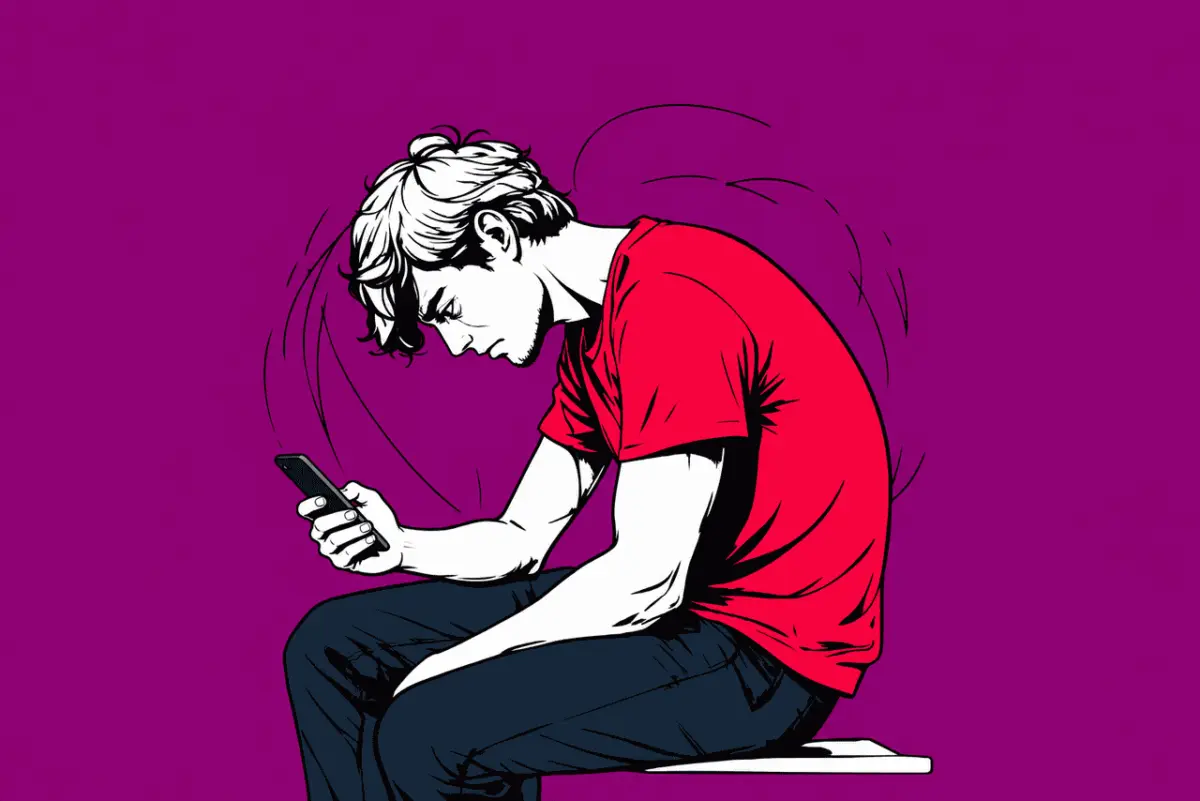
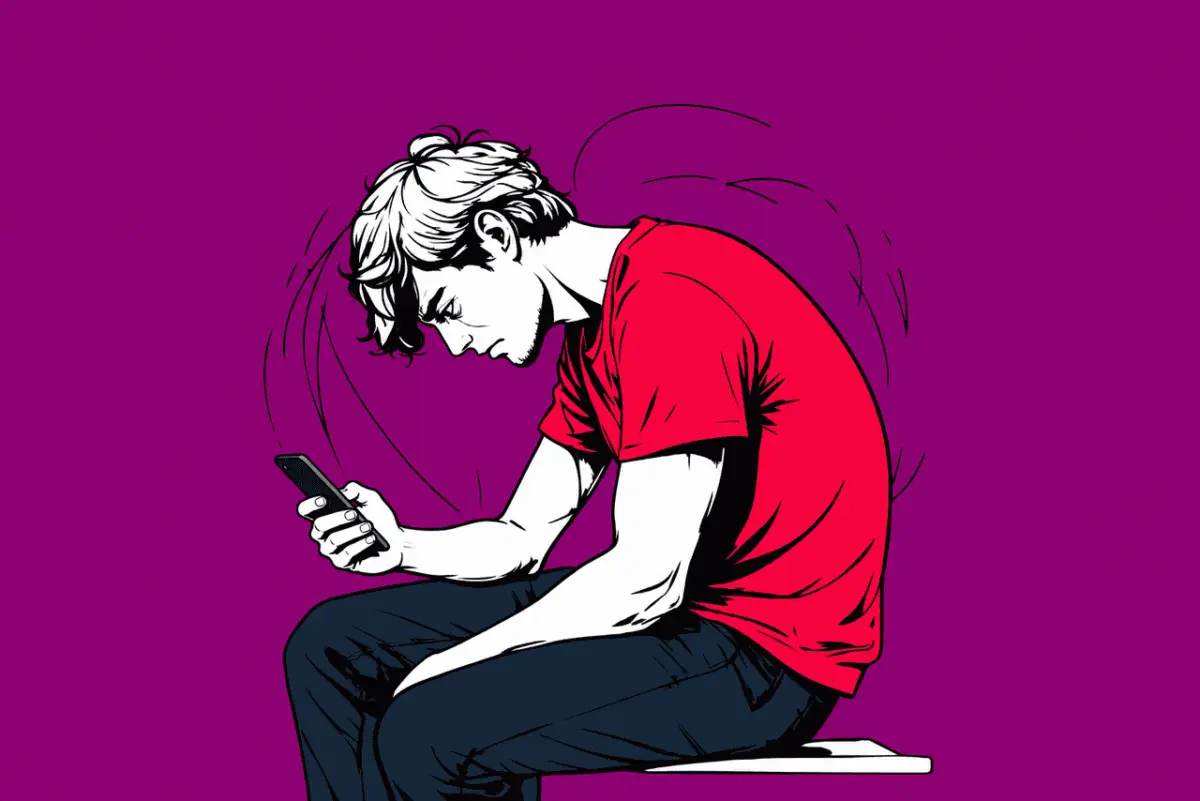
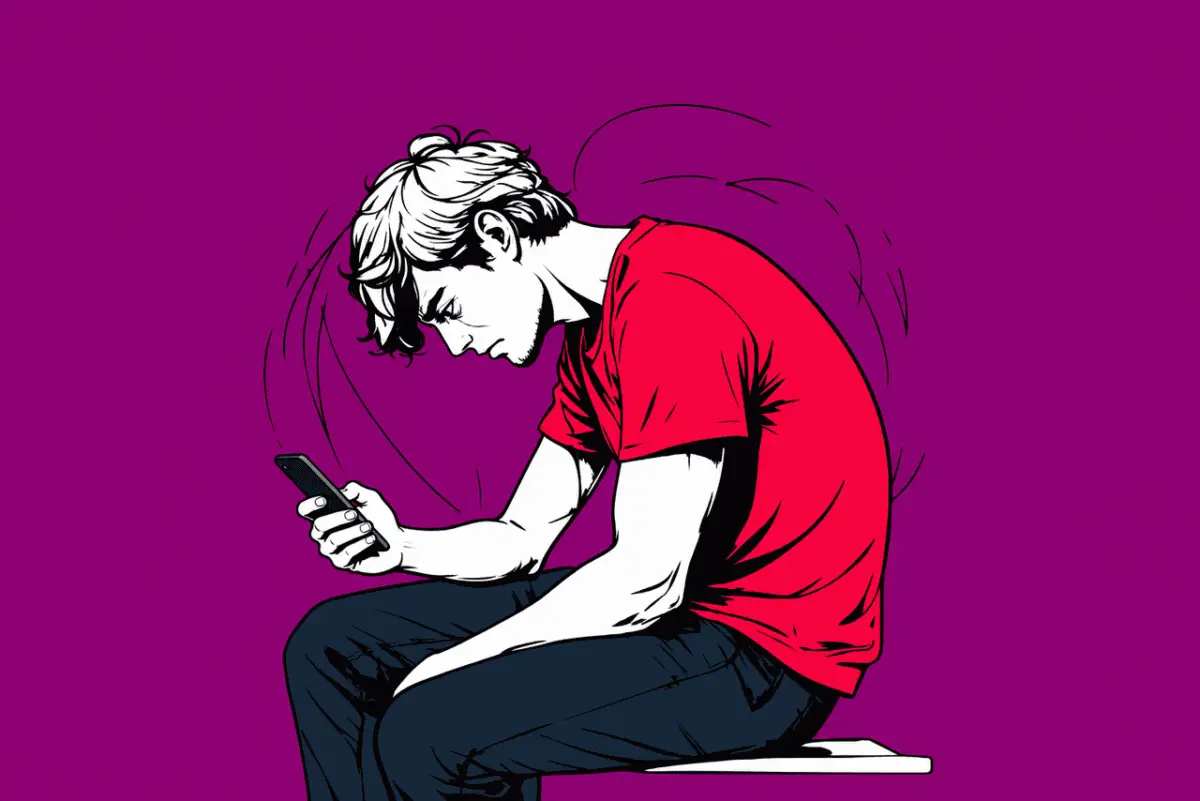
The narrative centers on a sequence of events that began with a series of ignored phone calls. Over the span of three weeks, Dawson’s sister attempted to make contact four times. Each instance triggered a visceral physical reaction—a tightening in the chest—prompting Dawson to place her phone face-down and deliberately ignore the communication.
At the time, this behavior was framed as an exercise in boundary-setting. Months earlier, their father had undergone medical diagnostic testing. Although definitive results had not yet been finalized, an unmistakable, heavy silence had settled over the family’s group chat. Sensing the impending delivery of life-altering news, Dawson chose retreat.
“I told myself I was busy. I told myself I’d call her back when I had more emotional bandwidth,” Dawson reflected. “I told myself, genuinely believing it, that avoiding this call was a form of self-care. It is astonishing, looking back, how completely I convinced myself that hiding was the same thing as healing.”
This avoidance manifested in increasingly subtle, psychologically complex ways. Text messages from the sister were left intentionally unread under the rationalization that an unread message had not technically been "received." When friends inquired about the family’s situation, Dawson deflected with rehearsed wellness talking points: "I’m trying not to think about it too much—I’m protecting my energy."
Outwardly, Dawson’s life mirrored the gold standard of contemporary self-care. Yoga practice increased exponentially, morning meditations became a daily ritual, and professional obligations that required high emotional stakes were declined under the banner of conserving personal resources. On paper, it was a masterclass in wellness. Beneath the surface, however, it was strategic paralysis.
Chronology of a Crisis: From Silence to the Reality Check
The emotional dam broke on a Thursday, a day chosen by circumstance to shatter a fragile illusion.
- Two Months Prior: The father undergoes routine medical tests. Initial silence falls over the family, signaling potential health complications.
- Three Weeks Prior to the Call: The sister begins attempting to reach out. The phone rings four times over a 21-day period; all calls and subsequent text messages are deliberately ignored or left unread.
- The Intervening Period: Dawson engages in hyper-vigilant wellness behaviors—excessive yoga, morning meditation, and social withdrawal—mistakenly categorizing these activities as emotional boundary maintenance.
- The Thursday Call: The notification finally arrives, not from the sister, but from the mother, whose voice bears the flat, exhausted tone of someone who has exhausted all emotional reserves. The diagnosis is confirmed.
- The Aftermath: Dawson sits on the kitchen floor, mentally cataloging the avoidance patterns. Within the hour, Dawson returns the sister’s call, initiating a conversation that reframes the entire dynamic of the family’s shared trauma.
When the news finally arrived via the mother, the reality of the situation set in not with immediate tears, but with a profound, sobering inventory of missed connections. The sister had spent weeks trying to warn Dawson precisely to prevent her from experiencing the shock of a cold voicemail, desperately hoping to spare her the isolation of processing the diagnosis alone.
When Dawson finally returned the call, the sister answered instantly, laying bare the prolonged anticipation of her vigil. In a twist of profound emotional grace, the sister revealed her internal monologue during the weeks of silence: "I kept thinking maybe you already knew somehow, and you just needed space. I didn’t want to push."
Instead of holding Dawson accountable for her absence, the sister had absorbed the silence, reframing it as a compassionate gesture and carrying the immense psychological weight of the impending crisis entirely on her own shoulders.
Supporting Data: The Mental Health Costs of Digital-Age Isolation
While personal narratives illuminate the human cost of emotional avoidance, psychological research increasingly supports the premise that modern wellness culture can inadvertently foster isolation.
According to recent studies in behavioral psychology and interpersonal relationships, the widespread commodification of "boundaries" has created a cultural environment where discomfort is treated as a pathology rather than a normal part of the human experience.
- The Paradox of Connectivity: Despite being more digitally connected than at any point in history, sociological data indicates that rates of loneliness and the burden of unshared emotional labor within families have risen steadily over the past decade.
- The "Wellness Shield" Phenomenon: Mental health professionals note a growing trend among clients who use clinical or therapeutic language—such as "protecting my peace" or "detoxifying relationships"—as a defense mechanism to evade difficult conversations, grief, and accountability.
- The Cost to Caregivers: When one family member withdraws under the banner of self-care during a collective crisis, the remaining family members experience a measurable increase in caregiver burnout, anxiety, and depressive symptoms. The physical and emotional labor does not disappear; it is simply redistributed unevenly.
Clinical psychologists emphasize that true emotional regulation involves expanding one’s capacity to tolerate distress, whereas avoidance temporarily lowers distress at the high cost of long-term relational fracture and internal anxiety.
Official Perspectives and Expert Responses
Mental health clinicians and authors who specialize in emotional sovereignty and interpersonal dynamics have weighed in heavily on the cultural shift toward radical individualism disguised as wellness.
Dr. Elena Vance, a clinical psychologist specializing in family systems and trauma recovery, notes that the boundary movement has been significantly distorted by digital media.
“There is a profound difference between a healthy boundary and an emotional moat,” Dr. Vance explains. “A boundary is designed to manage our own behavior and protect us from exploitation or abuse. Avoidance, on the other hand, is designed to regulate our discomfort by escaping reality. When people use wellness slogans to justify abandoning their loved ones during a crisis, they aren’t practicing self-care—they are outsourcing their emotional labor to the people around them.”
Dawson, expanding on the themes presented in her work and her book UNSHACKLED: How to Break Free from Overthinking, Emotional Chaos, and Self-Sabotage, emphasizes that the catalyst for healing is often found precisely where we are most afraid to look.
“Peace is not the absence of conflict, but the ability to cope with it,” Dawson notes, echoing a foundational truth of emotional resilience. “Real peace doesn’t ask you to disappear from the people who need you. It asks you to find a way to stay—steady enough, resourced enough, honest enough—even when staying is hard.”
Subsequent to the diagnosis, Dawson made a deliberate choice to alter her approach. When the father’s treatment officially commenced weeks later, Dawson attended the initial appointment. Sitting in the stiff-backed chairs of the oncology waiting room alongside her sister—who silently reached over to hold her hand—Dawson experienced a profound realization. The environment was clinical, sterile, and undeniably heavy, yet it offered a genuine sense of peace that months of meditative avoidance and ignored phone calls could never replicate.
Implications for Modern Wellness Culture
The implications of this cultural reckoning extend far beyond individual family dynamics. They strike at the very heart of how contemporary society defines wellness, resilience, and community.
1. Redefining "Self-Care"
The wellness industry must reckon with the commodification of comfort. True self-care is not a guarantee of a stress-free, friction-free existence; rather, it involves building the internal fortitude required to show up for life’s inevitable tragedies and complexities. When self-care requires the sacrifice of authentic human connection, it ceases to be healing and becomes a form of escapism.
2. Shifting from Isolation to Co-Regulation
Human beings are biologically wired for co-regulation—the process by which nervous systems calm and stabilize through connection with others. By retreating behind digital walls and wellness mantras, individuals often deprive both themselves and their support networks of the mutual resilience required to weather major life disruptions, such as terminal or chronic illness diagnoses.
3. Cultivating Emotional Honesty
The transition from avoidance to genuine engagement requires a fundamental shift in self-awareness. It demands that individuals audit their motives when invoking boundaries. As Dawson suggests, asking oneself a single, honest question can dismantle months of self-deception:
- Am I protecting my peace, or am I just protecting myself from feeling something I don’t want to feel yet?
Ultimately, the story of missed phone calls and unread messages serves as a poignant reminder for a digitally fatigued society. True peace is not found by running away from the storm, but by learning how to stand in the room when it hits—together.