






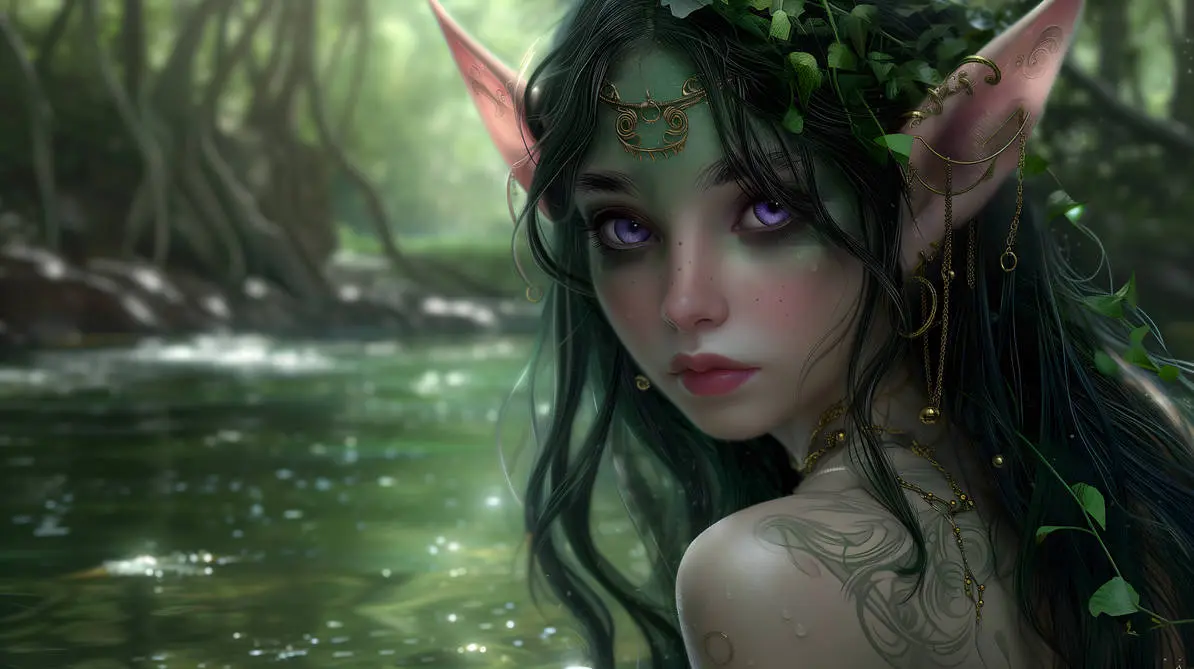
By the Mythical Realm Special Features Desk
Published: October 2023
Main Facts
In an era dominated by digital self-discovery, personality assessments have evolved far beyond the clinical frameworks of the Myers-Briggs Type Indicator (MBTI) or the Enneagram. Today, internet users flock by the millions to whimsical, highly imaginative quizzes designed to answer a singular, fundamental question: Which mythical creature are you?
From the majestic, cloud-soaring griffin to the deep-dwelling, intuitive mermaid, these interactive evaluations tap into deep-seated psychological archetypes, ancient folklore, and the enduring human desire to find identity within fantasy. Recently, platforms like The Mythical Realm and viral hits featured across networks like BuzzFeed have captured the public imagination, transforming ancient mythological tropes into personalized badges of honor.
Far from being mere trivial entertainment, these quizzes operate at the intersection of modern psychological self-projection and ancient storytelling. By evaluating a participant’s preferences—ranging from hidden jungle temples to underwater chariots—these assessments assign archetypal identities such as the Centaur, the Trickster, the Griffin, or the Mermaid. The phenomenon raises a compelling question: Why are modern humans so eager to define themselves through the lens of beasts that never existed?
Chronology of the Mythological Personality Quiz Phenomenon
To understand how we arrived at digital quizzes that categorize individuals as water nymphs or forest sprites, one must trace the evolution of personality testing and its intersection with internet culture.
Antiquity to the 19th Century: Archetypes and Folklore
Long before the advent of the internet or even printed questionnaires, human societies used mythical creatures to make sense of human behavior and moral philosophy.
- Ancient Greece and Rome: Philosophers and poets utilized mythological beasts—such as the wise centaur Chiron or the cunning sirens—as personifications of human virtues and vices.
- The 20th Century (Carl Jung): Psychologist Carl Jung introduced the concept of "archetypes" rooted in the collective unconscious. He argued that figures like the trickster, the wise old man, and the maiden are universal motifs shared across all human cultures, laying the groundwork for modern personality categorization.
The Late 20th Century: Magazine Quizzes
- The Print Era: Throughout the 1970s, 1980s, and 1990s, print magazines popularized the "Which [X] Are You?" format. While initially focused on pop culture or standard lifestyle traits, these quizzes trained generations of readers to equate their personal choices (favorite colors, weekend activities) with packaged identities.
The 2010s to Present: The Viral Digital Age
- Rise of Social Media Platforms: With the advent of Facebook quizzes and dedicated content sites, personality assessments became hyper-viral.
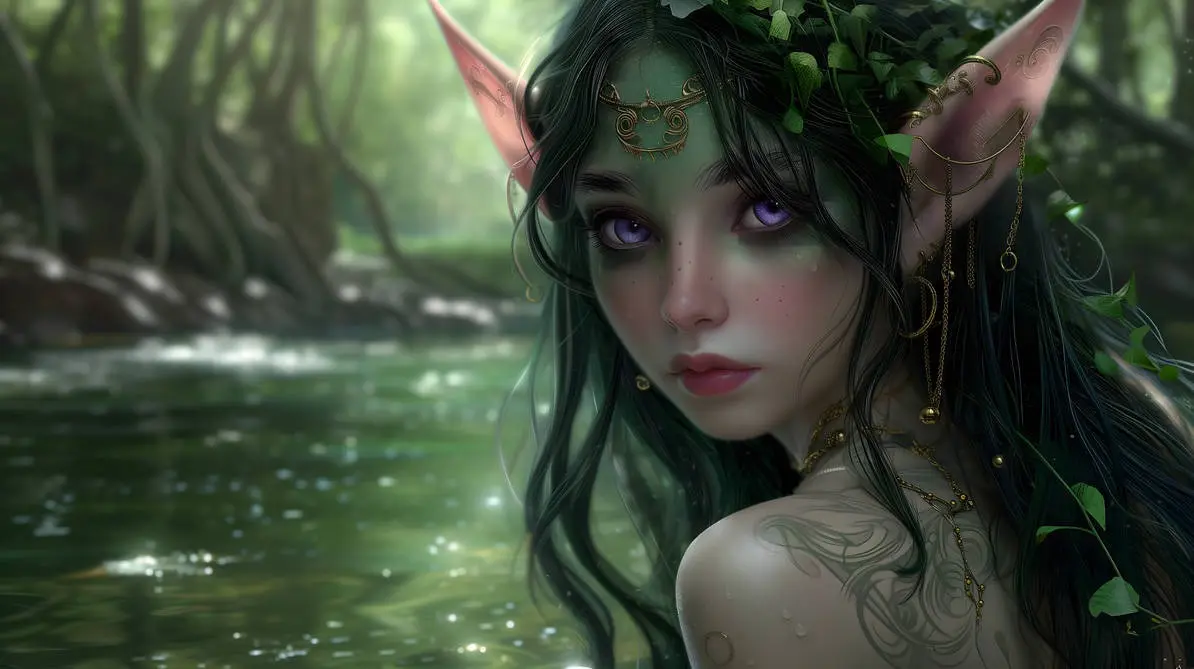
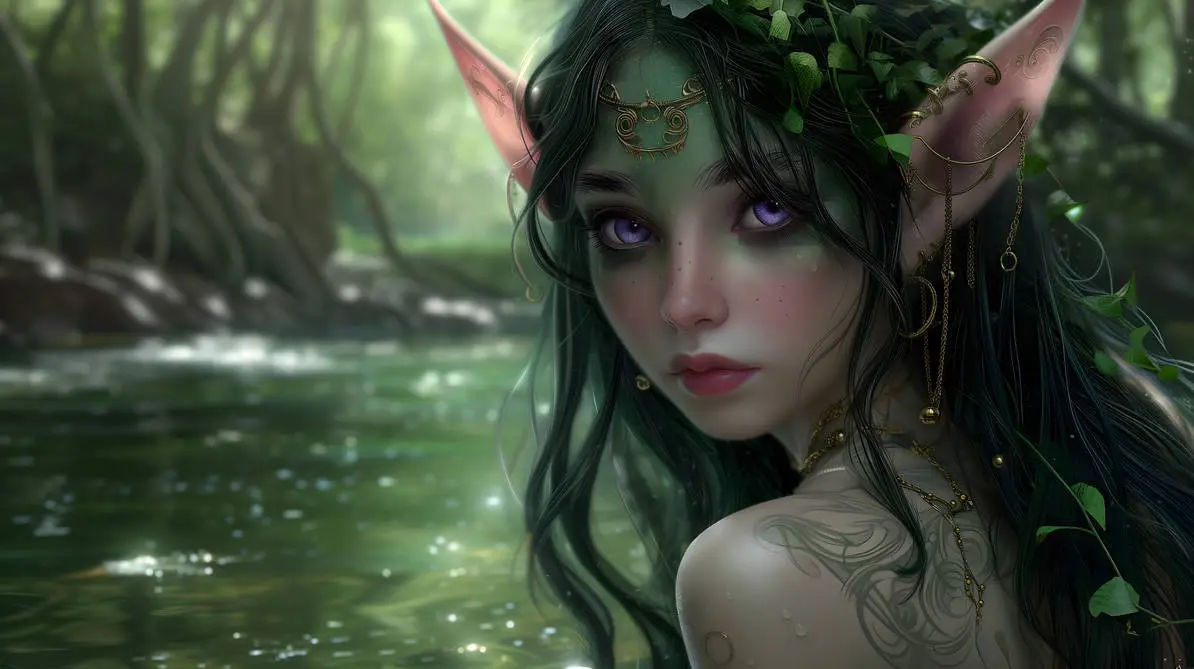
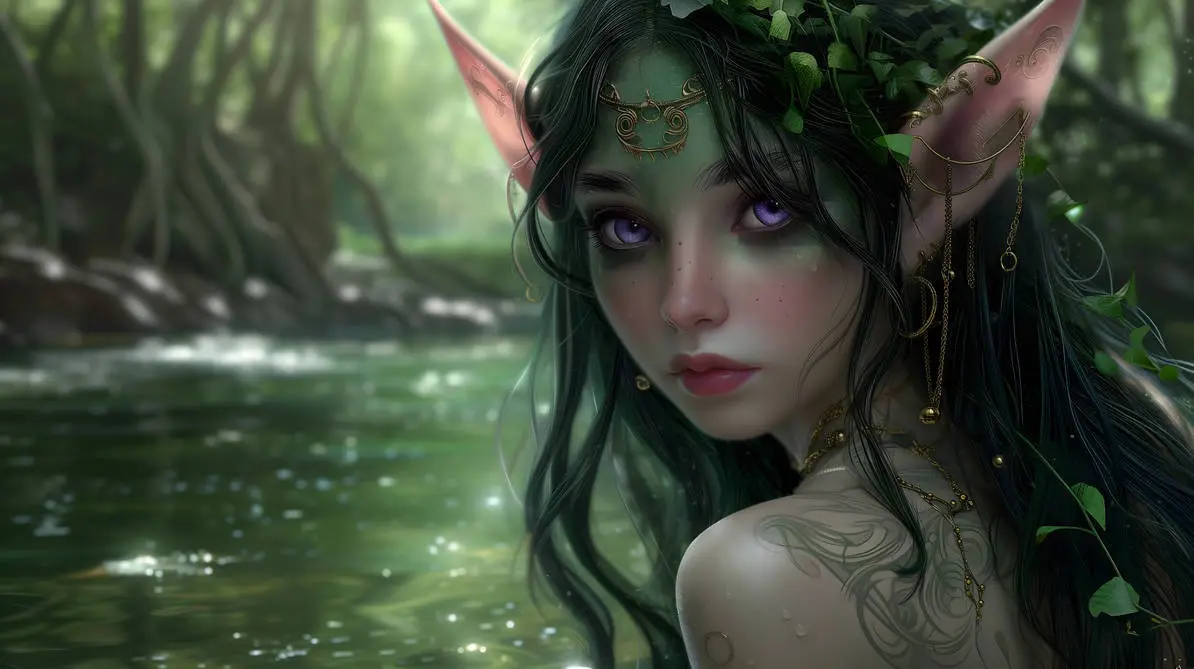
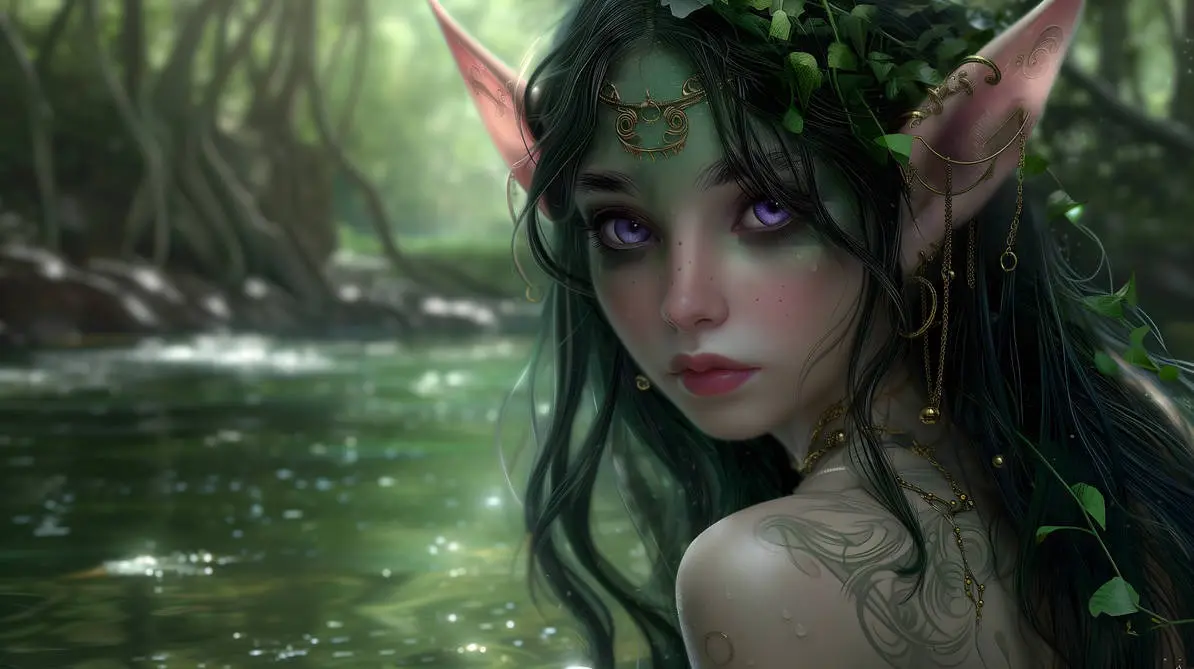
- 2024 and Beyond: Specialized niche sites like The Mythical Realm and multimedia giants like BuzzFeed refined the format. By pairing high-fantasy artwork—such as Bogi380’s iconic depiction of Aeliana the Water Nymph—with interactive decision-making prompts, these quizzes transformed static reading into immersive digital experiences.
Supporting Data and Psychological Frameworks
What drives millions of people to click, answer, and share their mythical results? Psychologists point to several cognitive and social phenomena that explain the enduring appeal of these quizzes.
1. The Forer Effect (Barnum Effect)
First demonstrated by psychologist Bertram R. Forer in 1948, the Barnum Effect describes the psychological phenomenon where individuals believe that generic personality descriptions apply specifically to them. Mythical creature quizzes leverage this by pairing broad archetypes (e.g., the noble leader, the cunning strategist) with vivid, flattering imagery. When a user is told they are a Griffin—possessing a "boundless curiosity that takes you to new heights"—they readily internalize the positive traits while dismissing any discrepancies.
2. Escapism and Identity Exploration
In a hyper-connected, often stressful modern world, digital spaces offer a crucial outlet for escapism. Data from online lifestyle communities indicates a surge in "fantasy-based identity exploration" during periods of economic or social uncertainty. Aligning oneself with a creature of myth allows individuals to temporarily shed the mundane constraints of daily life and explore idealized versions of themselves.
3. The Demographics of Fantasy Engagement
- Age Distribution: Analytics from digital quiz publishers show that over 65% of participants fall within the 16–35 age bracket, a demographic heavily invested in digital self-expression and fantasy media (such as Dungeons & Dragons, Harry Potter, and Percy Jackson).
- Social Sharing Metrics: Quizzes that yield distinct, visually striking results (such as a Centaur or a Mermaid) experience a 40% higher share rate on social media platforms compared to clinical or text-only personality tests.
Official Responses and Expert Insights
To gain a deeper perspective on why fantasy-based self-assessment resonates so strongly, The Mythical Realm consulted cultural historians and psychological researchers.
Dr. Aris Thorne, a professor of folklore and mythology at the University of Oxford, notes that creatures of myth have always served as mirrors for humanity:

"We did not invent griffins, centaurs, and sirens simply to frighten children or decorate pottery. We created them because human nature is too vast, too contradictory to be contained within a simple biography. A centaur bridges the civil and the wild; a mermaid connects the conscious world with the emotional abyss. When a person takes a quiz and learns they are a ‘Trickster,’ they are acknowledging a very real, vital human impulse toward play and subversion that everyday life often suppresses."
Meanwhile, digital media analyst Sarah Jenkins highlights the community-building aspect of these quizzes:
"In the past, identity was largely ascribed by community, geography, or profession. Today, we curate our identities. Sharing your mythical creature match on social media is a form of digital signaling. It tells your peer group not just what you like, but how you perceive your own inner spirit—whether that is the grounding wisdom of a Centaur or the intuitive grace of a Mermaid."
Implications: The Intersection of Imagination and Reality
As interactive digital content continues to evolve, the implications of blending ancient mythology with modern self-discovery stretch across several domains:
1. Mental Health and Playful Introspection
While these quizzes are designed "just for fun," psychotherapists increasingly recognize the value of playful introspection. Narrative therapy often utilizes metaphors, fairy tales, and mythical archetypes to help patients articulate complex emotional states that standard clinical vocabulary cannot capture. Asking someone whether they feel more like a soaring griffin or a grounded centaur can open doors to meaningful self-reflection.
2. The Future of Immersive Entertainment
With advancements in artificial intelligence and interactive media, the "Which creature are you?" quiz is rapidly transforming. Future iterations are expected to move beyond static multiple-choice formats into dynamic, AI-driven narrative adventures where users actively perform their mythological roles in real-time virtual environments.
3. Keeping Wonder Alive in a Scientific Age
As the concluding sentiment of our favorite quizzes reminds us, the real magic lies within the human imagination:
"The real magic lies within you, just like the potential for any mythical creature to exist in our imaginations. Who knows, maybe someday science will catch up with our fantastical dreams!"
Whether science ever discovers a hidden pod of marine sirens or soaring sky-beasts matters little. The true power of these legends—and the quizzes that celebrate them—lies in their ability to remind us of our own depth, creativity, and capacity for wonder.
Ready to find out where you stand in the pantheon of legend? Take a moment to tally up your traits, explore the quizzes from trusted platforms like BuzzFeed or The Mythical Realm, and unleash your inner beast today!