





By The Mythical Realm Editorial Desk
Published: June 2024
Main Facts: The Intersection of Folklore, Psychology, and Digital Entertainment
In an era dominated by algorithmic feeds and micro-content, online personality quizzes remain an enduring digital staple. Among the most popular iterations of this trend are interactive assessments designed to match participants with their "mythical creature soulmate." Whether casting users as a soaring griffin, a cunning trickster, a wise centaur, or a graceful mermaid, these quizzes capture millions of engagements daily across platforms ranging from niche folklore blogs to mainstream giants like BuzzFeed.
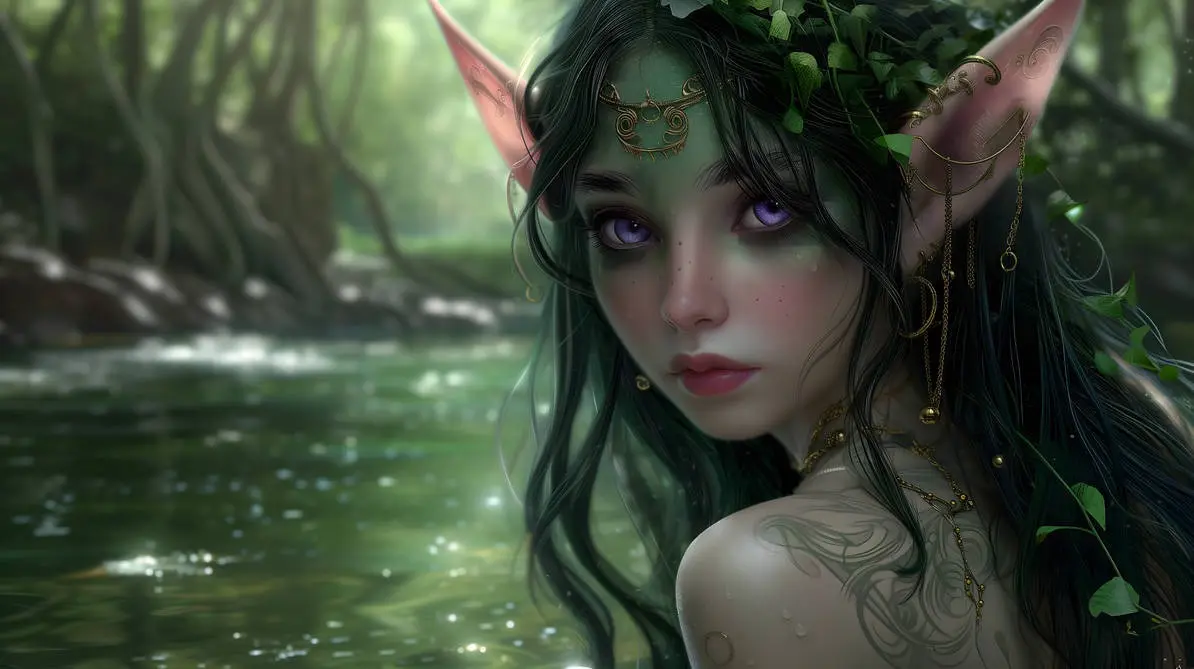
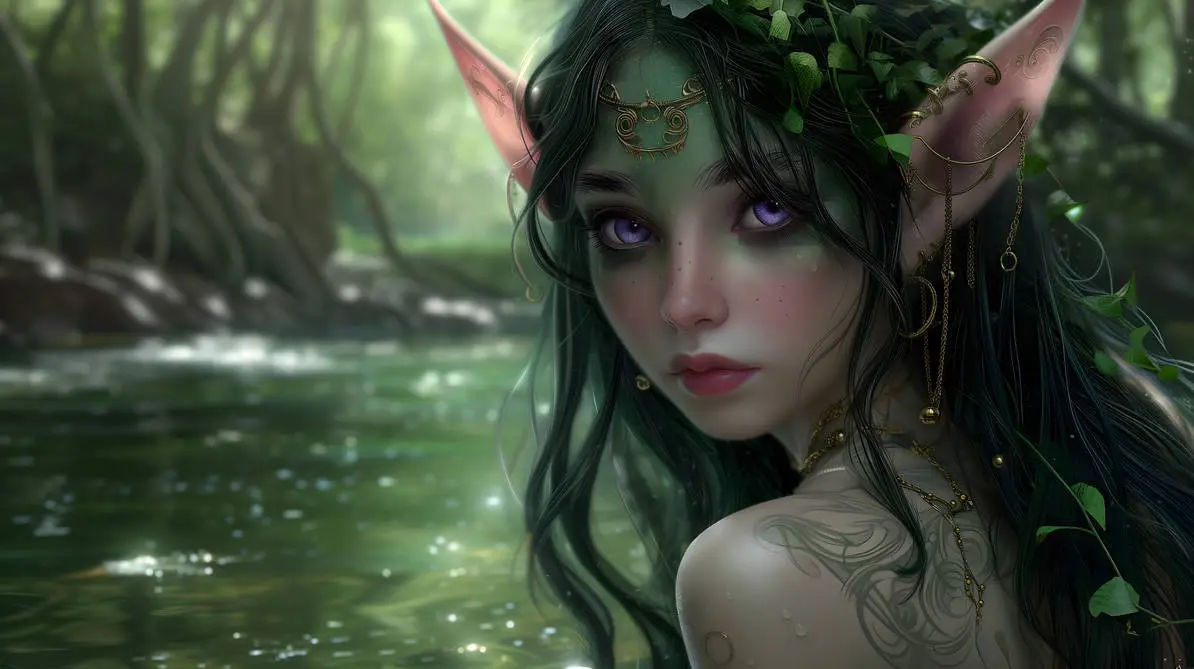
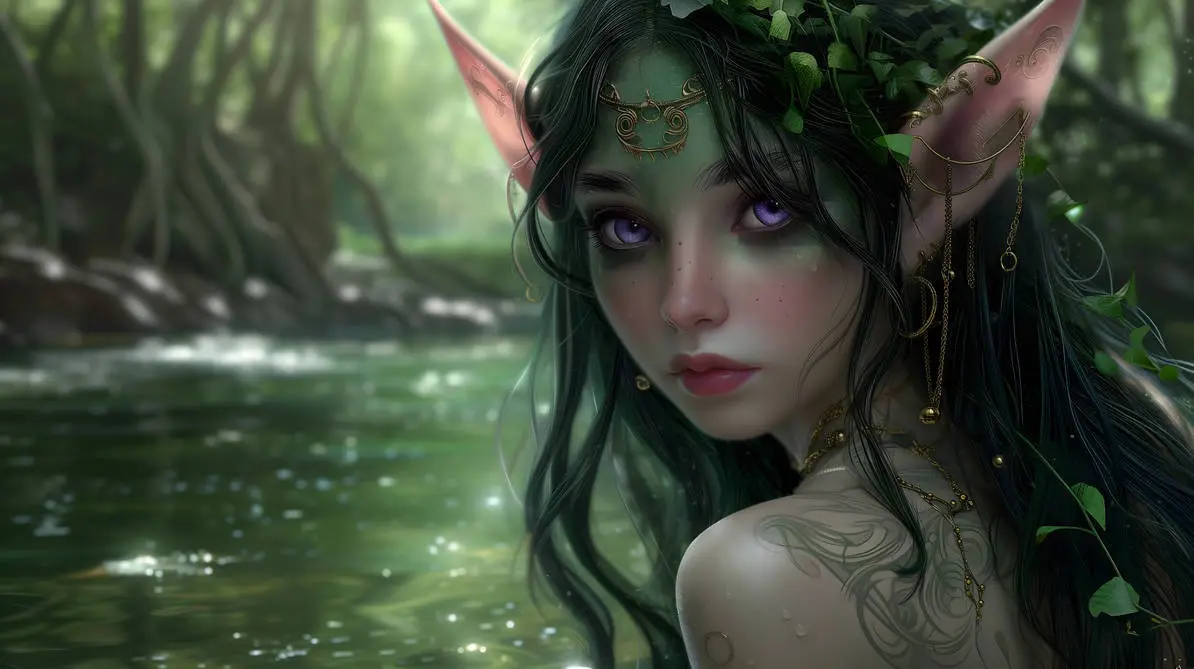
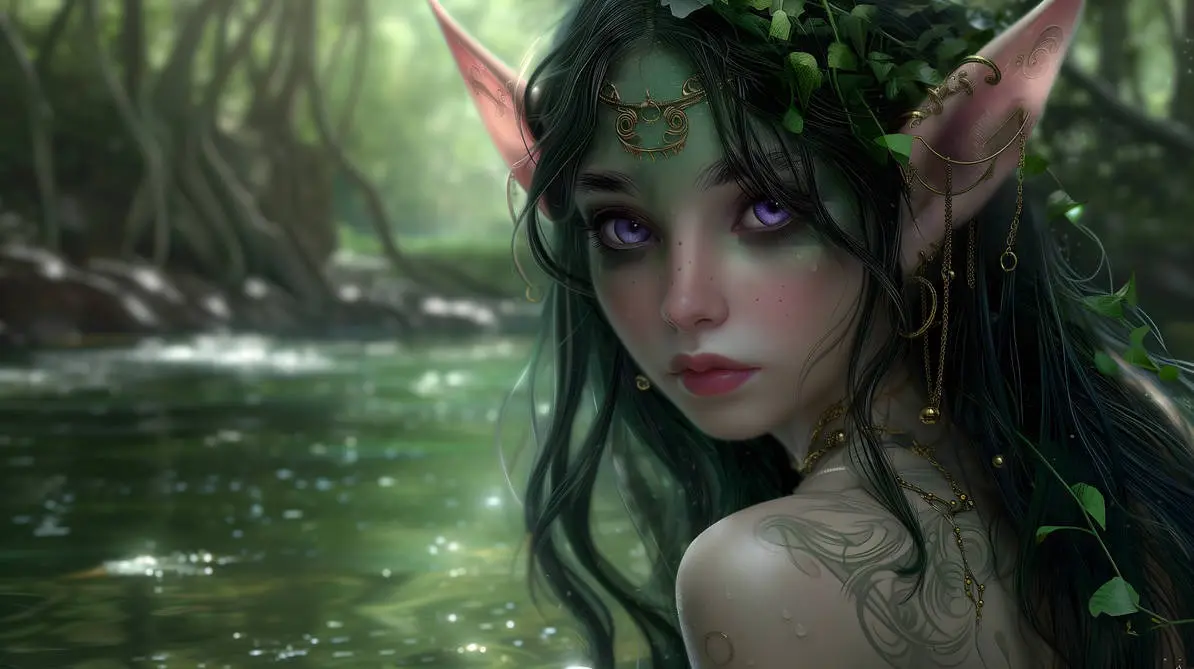
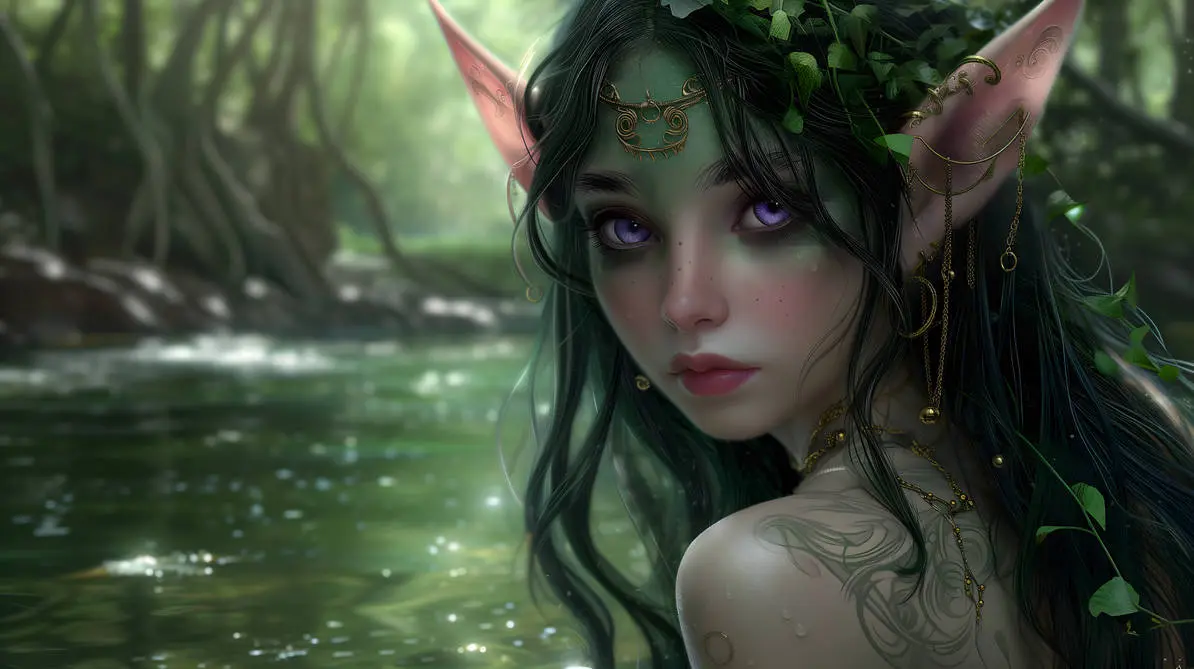
While ostensibly dismissed as trivial internet pastimes, cultural anthropologists and psychologists argue that these mythical creature quizzes serve a much deeper function. They act as modern digital folklore, allowing users to project their identity onto ancient archetypes. The allure of the fantastical—typified by artistic depictions such as Bogi380’s evocative digital painting Aeliana the Water Nymph—demonstrates a collective human desire to transcend the mundane constraints of reality.
At their core, these quizzes translate complex personality traits into tangible mythological equivalents. By answering questions about adventure preferences, modes of transportation, and hidden talents, users are not merely choosing between whimsical options; they are engaging in a structured form of self-reflection wrapped in the comforting, imaginative language of fantasy.
Chronology: The Evolution of the Digital Personality Quiz
To understand the current obsession with mythical creature archetypes, it is necessary to examine how the personality quiz evolved from print media to digital ecosystems.
- Pre-Digital Era (Mid-to-Late 20th Century): Print magazines such as Cosmopolitan, Seventeen, and various psychology-lite periodicals popularized the "pen-and-paper" quiz. These early iterations typically relied on point-tally systems to determine everything from romantic compatibility to career suitability. While scientifically dubious, they established a template for self-categorization.
- Early Web 1.0 and Flash Era (Late 1990s–2000s): As the internet expanded, static quizzes migrated to early web portals and forums. Early iterations on sites like Quizilla allowed amateur creators to code simple HTML-based questionnaires, sparking a boom in fandom-based quizzes, including early fantasy and mythology-themed assessments.
- The Social Media Boom (2010s): Platforms like Facebook introduced frictionless sharing mechanisms for interactive content. Quiz platforms leveraged user data to provide personalized results that could be instantly broadcast to peer groups. During this period, BuzzFeed institutionalized the pop-culture personality quiz, frequently blending modern humor with classical mythology and folklore.
- The Modern Immersive Era (Present Day): Today, quizzes are often paired with high-concept digital art, deep-dive lore descriptions, and interactive web communities. Sites like The Mythical Realm and various independent creators utilize advanced multimedia presentation—featuring high-resolution artwork of nymphs, griffins, and centaurs—to elevate the user experience from a simple questionnaire to an immersive atmospheric journey.
Supporting Data: The Psychology of Archetypes and Digital Engagement
The enduring popularity of mythological identity tests is backed by a robust framework of psychological theory and digital analytics.
1. The Jungian Connection: Archetypes in Modern Media
Renowned psychiatrist Carl Jung posited that the human psyche is populated by a "collective unconscious"—a shared reservoir of experiences and ancestral memories populated by universal symbols and archetypes. Mythological creatures are the literal manifestations of these archetypes:
- The Centaur: Represents the duality of human nature—the struggle between civil intellect and primal instinct.
- The Trickster: Embodies chaos, boundary-pushing, adaptability, and wit.
- The Griffin: Symbolizes divine power, vigilance, guardianship, and an unquenchable thirst for higher knowledge.
- The Mermaid/Nymph: Signifies deep emotional intuition, the mysteries of the subconscious (represented by water), and healing.
When users take these quizzes and discover their "match," they are often unconsciously aligning with a Jungian archetype that mirrors their current psychological state or aspirational self.
2. Engagement Metrics and Digital Escapism
Data from digital media analysts indicates that content related to fantasy, mythology, and self-discovery experiences spikes significantly during periods of societal stress or economic uncertainty.
- Escapism as a Coping Mechanism: Surveys tracking web traffic to myth- and fantasy-themed sites show double-digit percentage increases during high-stress geopolitical or economic windows. Quizzes offer a low-stakes, highly controlled environment where users can temporarily shed their real-world identities.
- The "Forer Effect" (Barnum Effect): Much like horoscopes, mythical creature quiz descriptions are masterclasses in psychological validation. By providing flattering, multi-faceted traits (e.g., combining the wisdom of the centaur with the leadership of a lion), users readily accept the results as profoundly accurate depictions of their inner personalities.
Official Responses and Expert Perspectives
Mental health professionals, folklorists, and digital media designers have weighed in on why these seemingly simple internet quizzes hold such a powerful grip on the public consciousness.

Dr. Aris Thorne, a cultural psychologist specializing in modern digital behavior, notes that the phenomenon is less about the accuracy of the result and more about the process of self-expression:
"When someone shares that they got a Griffin or a Mermaid on a quiz, they are engaging in a form of non-verbal communication. They are telling their social circle: This is the energy I embody today. This is how I want to be perceived. In a world that often demands rigid conformity, fantasy quizzes offer a socially acceptable lexicon of imagination."
Meanwhile, digital folklorist Elena Vance points out the continuity between ancient oral traditions and contemporary internet culture:
"For centuries, humans used myths to explain the unexplainable and to teach moral lessons about human nature. Today, we have democratized that process. Every time a user takes a quiz and reads about a water nymph like Aeliana, they are actively participating in the continuation of folklore. The medium has changed from the campfire to the glowing screen, but the human need for myth remains identical."
Implications: What Our Choice of Mythical Creature Reveals About Modern Society
The ongoing fascination with mythical creature quizzes carries several broader implications for culture, technology, and individual well-being in the 21st century.
The Gamification of Self-Reflection
As traditional avenues for mental and emotional introspection face pressures from fast-paced modern lifestyles, individuals increasingly turn to gamified formats to understand themselves. By breaking down complex personality metrics into fun, digestible narratives about forest sprites and oceanic guardians, quizzes lower the barrier to entry for self-care and emotional awareness.
The Re-Enchantment of the Digital World
Critics of modern technology often argue that hyper-digitization sterilizes human experience, reducing everything to cold data points and transactional metrics. However, phenomena like The Mythical Realm and viral BuzzFeed quizzes prove that users actively seek out "re-enchantment." By infusing everyday internet browsing with elements of magic, wonder, and ancient lore, users carve out spaces of digital poetry within an otherwise utilitarian network.
The Future of Interactive Storytelling
As immersive technologies—including virtual reality (VR) and generative artificial intelligence—continue to evolve, the way we interact with mythology is poised for a radical transformation. Tomorrow’s personality tests may not simply assign a text-based result; they could transport users directly into rendered underwater kingdoms alongside sirens or place them atop the back of a soaring griffin in a simulated sky.
Conclusion: The Real Magic Lies Within
Ultimately, while determining whether one is a centaur, trickster, griffin, or mermaid serves as an entertaining diversion for an afternoon coffee break, the underlying impulse is profoundly human. As noted in the exploration of these mythical identities, the true enchantment does not reside in the code of the quiz or the pixels of the artwork, but within the boundless capacity of the human imagination.
Until science finally catches up with our most fantastical dreams, these digital quizzes will remain delightful bridges between the rational world and the timeless realms of myth.