By the Behavioral Insights and Cultural Desk
Published: October 24, 2023
Main Facts
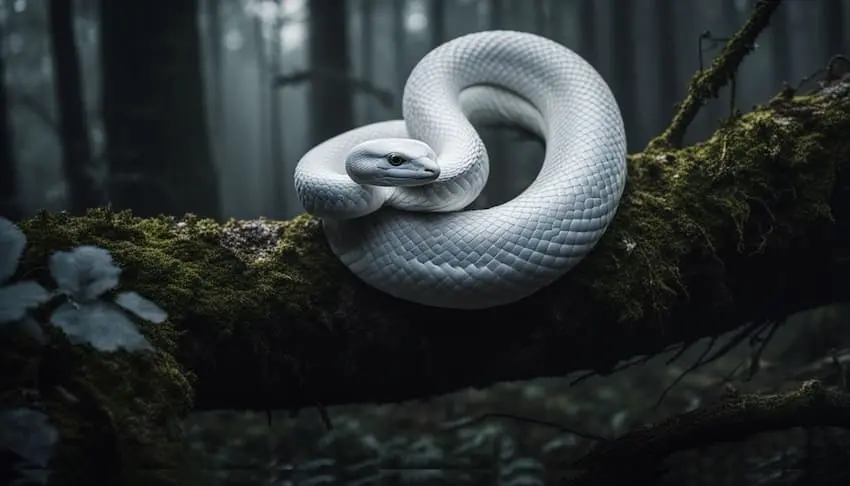
In the realm of oneironautics—the study and exploration of dreaming—few symbols carry as much paradoxical weight as the white snake. While standard serpentine dreams often evoke immediate reactions of fear, betrayal, or hidden danger, the introduction of a pristine, snow-white hue shifts the psychological landscape entirely. Across various psychological frameworks, spiritual traditions, and modern holistic practices, dreaming of a white snake represents a profound intersection of purity, spiritual awakening, and latent warnings.
Unlike its darker counterparts, such as the black or brown snake, which typically symbolize unconscious malice or deeply buried grief, the white snake is regarded as an ethereal messenger. It bridges the gap between raw, primal instincts and elevated spiritual consciousness. According to contemporary dream analysts and psychological researchers, these nocturnal visions frequently occur during pivotal transitional phases in an individual’s waking life. They serve as barometers for inner transformation, energy flow, and the confrontation of repressed psychological material.
However, the symbolism is far from monolithic. The core paradox of the white snake lies in its dual nature: the gentle, luminous color of winter juxtaposed against the predatory, unpredictable nature of a serpent. Whether manifesting as a massive constrictor, an aggressive attacker, a venomous cobra, or a balanced black-and-white duality, the white snake demands the dreamer’s absolute attention. It acts not merely as a passive image, but as an active catalyst for self-discovery, shadow work, and psychological integration.
Chronology
To fully understand how humanity has arrived at our current psychological interpretation of the white snake, one must look at how this symbol has evolved across historical and scientific timelines:
- Ancient Civilizations and Mythology: For millennia, serpents have occupied a central role in human mythology. In many Eastern traditions, white snakes are revered as sacred guardians, celestial messengers, or reincarnated ancestors who bring good fortune, wisdom, and divine protection. They were rarely viewed with simple dread; rather, they commanded awe and spiritual reverence.
- Late 19th and Early 20th Centuries (The Birth of Psychoanalysis): With the advent of psychoanalysis pioneered by Sigmund Freud and later expanded by Carl Gustav Jung, dreams transitioned from supernatural portents to internal psychological data. Jung, in particular, formalized the concept of the "shadow"—the unconscious, repressed, or darker aspects of the human personality—and identified the snake as a primary archetypal symbol representing this hidden self.
- Mid-to-Late 20th Century (Holistic and Chakra Frameworks): As Eastern philosophies merged with Western alternative psychology, dream interpretation began to incorporate energetic models. The snake became synonymous with the Kundalini—dormant spiritual energy coiled at the base of the spine (the root chakra)—which, when awakened, rises to induce enlightenment and psychological transformation.
- Contemporary Era (Digital Dream Analysis and Modern Research): In the 21st century, databases of dream logs and psychological surveys have allowed researchers to categorize recurring motifs. The white snake has emerged in modern research as a primary indicator of existential transition, identity shedding, and the subconscious processing of pure intentions versus hidden vulnerabilities.
Supporting Data and Psychological Frameworks
Modern psychological and holistic insights into white snake dreams can be broken down into distinct behavioral and symbolic categories. Experts categorize these dreams based on the snake’s behavior, physical characteristics, and the emotional state of the dreamer.
1. Symbol of Pure Intentions and Subconscious Cleansing
Seeing a white snake often indicates that the dreamer is deeply in touch with the most innocent, uncorrupted parts of their psyche. While a black snake represents the unknown or the shadow self, the white snake radiates a desire for peace, simplicity, and emotional clarity.
- The Psychological Function: It serves as an internal invitation to purge unnecessary emotional baggage, toxic relationships, and draining habits.
- The Subconscious Indicator: It highlights a yearning to align one’s outer life with their highest personal truths.
2. A Catalyst for Spiritual Awakening
In both traditional and contemporary frameworks, the white snake is a classic harbinger of spiritual evolution.
- The Shedding Metaphor: Just as a physical snake must shed its skin to grow, the dreamer is often undergoing a period where old belief systems, outdated identities, and restrictive dogmas are falling away.
- Enlightenment vs. Resistance: The luminosity of the snake signifies that this awakening, though potentially disorienting, comes from a place of higher awareness and the dissolution of negative energetic blocks.
3. Representation of Energy Flow and Chakras
From a somatic and energetic perspective, the demeanor of the white snake mirrors the state of the dreamer’s internal energy system, specifically concerning the root chakra (Muladhara), which governs stability, security, and grounding.
- Peaceful Encounters: A calm, gliding white snake suggests that the dreamer’s internal energy is balanced, flowing harmoniously, and fostering a strong sense of grounded resilience.
- Aggressive Encounters: Conversely, an agitated or defensive white snake points directly to energetic blockages, unresolved anxieties, or chronic instability that threatens the individual’s waking equilibrium.
4. An Omen of Hidden Threats and Deception
Despite its association with purity, the white snake remains a predator. This creates a striking psychological contradiction: a creature that looks harmless or divine on the surface, yet possesses the capacity to strike.
- Vigilance in Tranquility: This manifestation serves as a subtle warning to the dreamer not to take people, situations, or environments entirely at face value.
- Prudence: It reminds the individual to stay one step ahead, exercising cautious discernment even when waking life appears tranquil, prosperous, and secure.
5. A Guide for Jungian "Shadow Work"
Carl Jung posited that snakes in dreams embody the individual’s shadow—the parts of the psyche that have been repressed, denied, or cast aside because they are deemed unacceptable by the conscious ego.
- Bringing the Unconscious to Light: A white snake rising in a dream suggests these hidden aspects are finally surfacing, demanding to be integrated into a more holistic, authentic self.
- The Bite as a Healing Shock: Dreaming of being bitten by a white snake symbolizes a necessary, albeit painful, wake-up call. It forces the dreamer to confront uncomfortable truths without abandoning their core ethical values.
6. Guardian Spirits and Ancestral Connections
Across numerous cultural paradigms, the white snake is frequently interpreted not just as an internal psychological construct, but as an external or transcendent force.
- The Spirit Guide: The appearance of a white snake can indicate an intuitive link to a wise ancestral source or a spiritual guide offering protection.
- Empowerment: Its presence is designed to instill a profound sense of peace and reassurance, letting the dreamer know they are supported from beyond their immediate waking reality during times of profound vulnerability.
Official Perspectives and Analytical Interpretations
To gain a comprehensive understanding of how these dreams manifest, sleep researchers and psychological practitioners examine specific scenarios reported by dreamers. The context of the encounter drastically alters the psychological takeaway:
- Dreaming of a White Snake Attacking: This scenario marries the purity of the color white with the raw, primal terror of an assault. Analysts suggest this represents a profound truth or clarity that is trying to break through the dreamer’s defenses. It is often unsettling because the impending personal transformation requires the individual to face realities they have actively avoided.
- Encountering a Big White Snake: Size matters significantly in dream analysis. A massive white snake indicates that the impending transition or life shift carries monumental weight. While the color denotes a fresh start, rebirth, and immense positive potential, the sheer scale of the creature generates natural anxiety regarding the uncertainty of the future.
- Being Bitten by a White Snake: Rather than signaling physical harm, a snakebite in the dream world functions as an energetic alarm bell. Because the snake is white, the challenge or crisis at hand—though shocking—ultimately stems from a constructive place. It offers an opportunity for profound emotional healing, demanding that the dreamer excise toxic habits or relationships.
- Encountering a Black-and-White Snake: This striking visual represents the classic yin-yang dynamic of opposing forces within the human psyche. The interplay of black and white underscores the necessity of embracing both light and shadow, confidence and self-doubt, fear and courage, to achieve true psychological harmony.
- Encountering a White Cobra: The cobra introduces an extra layer of complexity due to its cultural status as a symbol of supreme power, danger, and sovereign wisdom. A white cobra demands absolute respect, suggesting that the dreamer is navigating—or must confront—situations in life that are seductively complex, requiring both acute caution and deep reverence.
Implications for the Dreamer
What do these complex nocturnal visions ultimately mean for an individual navigating their day-to-day existence?
Psychologists emphasize that dream interpretation is an intensely subjective art. While archetypal symbols provide a foundational map, the true meaning of a white snake dream is inextricably linked to the dreamer’s unique emotional resonance, current life stressors, and personal history.
Reflective Questions for Integration
To extract actionable insight from a white snake dream, experts recommend journaling around the following inquiries:
- What was my immediate emotional reaction upon seeing the white snake—was I paralyzed by fear, filled with awe, or overcome by a sense of calm?
- Where in my waking life am I currently resisting a necessary change or avoiding a difficult truth?
- How do my current personal boundaries look, and am I taking people or professional situations too much at face value?
- What old habits, beliefs, or toxic environments am I currently being urged to "shed" like a snake shedding its skin?
Conclusion
Ultimately, whether viewed as a spiritual messenger from the subconscious, an archetype of Jungian shadow work, or a psychological gauge of inner energy flow, the white snake remains a powerful ally in personal growth. By leaning into the discomfort of the unknown, embracing the necessity of transformation, and respecting the profound wisdom hidden within our nocturnal minds, dreamers can utilize these luminous serpents as a powerful guide toward genuine self-discovery and holistic healing.