By the Editorial Wellness Desk
Published as Part 2 of the Definitive Chakra and Crystal Healing Series
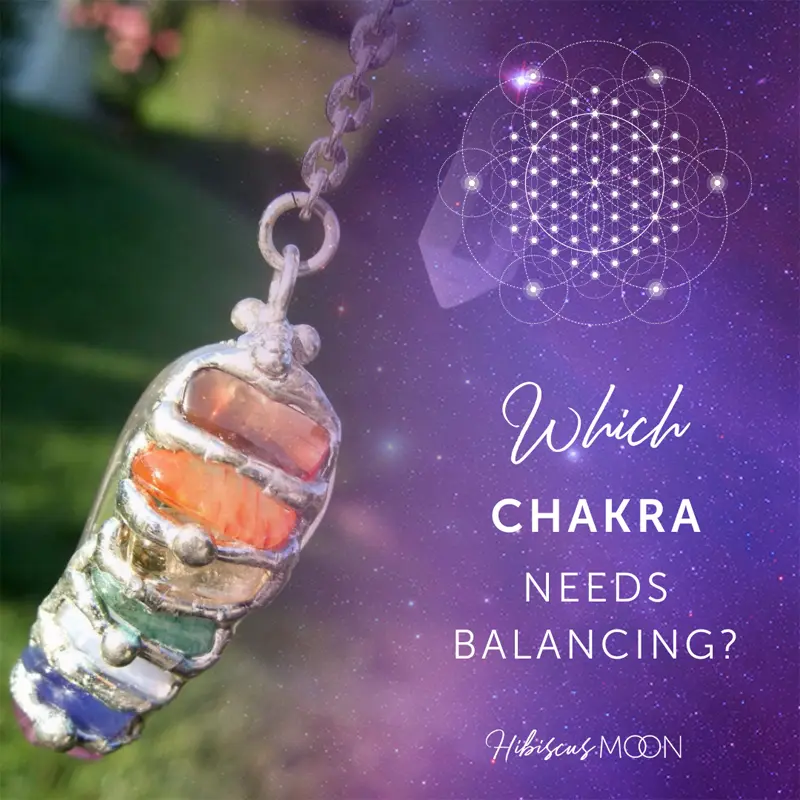
In the modern wellness landscape, ancient practices are increasingly meeting empirical inquiry. Following our exploration of the biophysical mechanisms behind vibrational therapy in Part 1: The Science Behind Crystal Chakra Healing, practitioners and wellness seekers alike are left with a critical, highly individualized question: Which of my chakras actually needs balancing?
Far from being a static state of absolute health, the body’s energy centers—or chakras—are dynamic, constantly fluctuating in response to stress, lifestyle, emotional shifts, and environmental stimuli. When one or more of these seven primary energy vortices become blocked, sluggish, or hyperactive, individuals often report a cascade of corresponding physical, mental, and emotional symptoms.
Fortunately, determining the exact state of your energetic anatomy is not reserved for the spiritually elite. According to leading holistic educators and crystal healing experts, identifying an imbalanced chakra is a learnable skill that relies on a structured blend of diagnostic tools, pattern recognition, somatic awareness, and intuitive development.
Below is an exhaustive breakdown of the primary methodologies used by practitioners worldwide to locate, assess, and prepare imbalanced chakras for targeted crystal healing.
1. Taking the Diagnostic Pulse: Validated Chakra Assessments and Quizzes
For beginners and seasoned practitioners alike, standardized chakra questionnaires serve as a reliable starting point for energetic self-audits.
The Mechanics of Chakra Testing
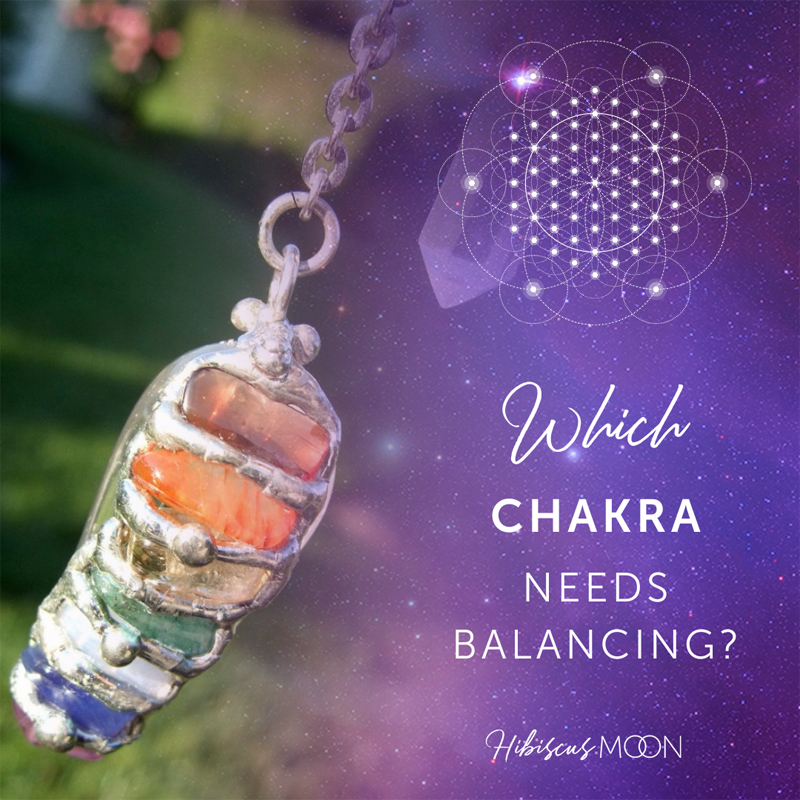
Similar to psychological inventories or lifestyle assessments, well-constructed chakra tests present a series of targeted statements designed to gauge your current state of being. For instance, questions regarding your sense of financial security or physical grounding evaluate the Root Chakra (Muladhara), while inquiries into your creative output and emotional fluidity assess the Sacral Chakra (Svadhisthana).
- Reliability and Application: While online quizzes can vary in depth, choosing a reputable, well-researched assessment can yield surprising clarity.
- The Next Step: Once the assessment highlights a compromised energy center, practitioners recommend sourcing a corresponding crystal—such as red jasper for an underactive root or citrine for a sluggish solar plexus—to help restore natural resonance and flow.
2. Reading the Blueprint: Glaring Physical and Emotional Symptoms
The human body possesses a remarkable language of symptoms. In holistic health paradigms, chronic physical ailments or recurring emotional struggles are rarely viewed in isolation; rather, they are often interpreted as somatic red flags signaling an energetic bottleneck within a specific chakra.
Identifying the Syndrome, Not the Isolate
Experts emphasize a crucial diagnostic rule: a single symptom does not constitute a blocked chakra. To accurately pinpoint an imbalance, practitioners look for a "syndrome of issues"—a cluster of related physical, psychological, and behavioral markers.
- Lower Triangle Imbalances (Root, Sacral, Solar Plexus): Imbalances here frequently manifest as structural or visceral issues. A blocked Root Chakra may present as lower back pain, lethargy, or pervasive financial anxiety. Conversely, a solar plexus imbalance can manifest as digestive distress paired with a lack of personal confidence or chronic indecisiveness.
- Upper Triangle Imbalances (Heart, Throat, Third Eye, Crown): These centers govern relational, communicative, and spiritual well-being. An obstructed Throat Chakra, for example, frequently mirrors itself physically as chronic sore throats, jaw tension (bruxism), or a psychological fear of public speaking and self-expression.
Recommended Reading for Deeper Study:
For those looking to build a library on somatic-energetic correlations, foundational texts remain indispensable:
- Vibrational Healing Through the Chakras by Joy Gardner
- The Crystal Healer by Phillip Permutt
3. The Art of Energy Sensing: Working Beyond the Physical
While symptom analysis relies on retrospective observation, energy sensing offers a real-time diagnostic approach. Long considered a mystical art, energetic assessment is increasingly understood as an exercise in hyper-attuned somatic and electromagnetic awareness.
Underactive vs. Overactive States
Through dedicated practice, individuals learn to detect the state of a chakra, categorizing it as:
- Deficient or Underactive: Characterized by restricted flow, leading to lethargy, emotional numbness, or stalled personal growth.
- Excessive or Overactive: Characterized by hyper-stimulated, chaotic energy, resulting in burnout, anxiety, or hyper-fixation on the themes of that specific chakra.
- Blocked: A complete stagnation of energy flow that typically requires deliberate intervention to clear.
The Pendulum as an Extension of Intuition
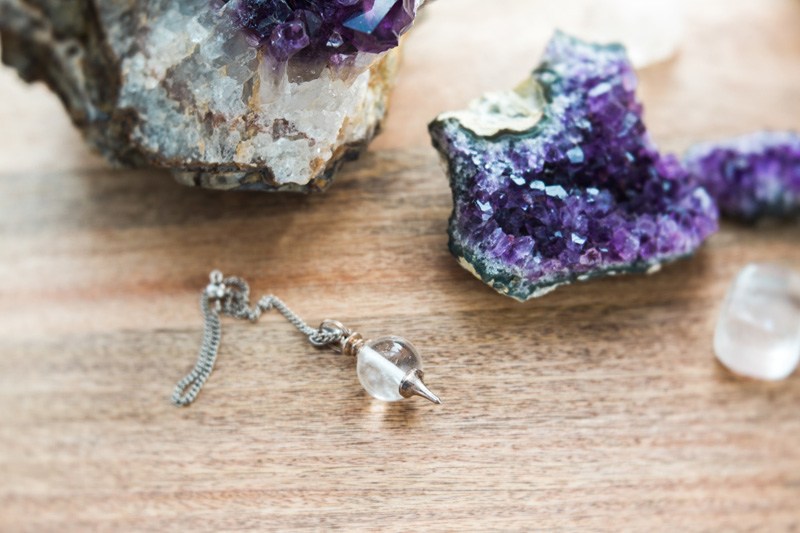
For those beginning their journey into energy sensing, the pendulum stands out as the premier entry-level tool. By holding a crystal or metal pendulum over each chakra point while the subject lies down, practitioners can interpret the direction and amplitude of the pendulum’s swing. A wide, circular motion often indicates an overactive center, a linear swing can signal directional imbalance, and a motionless or erratic twitch frequently points toward a blockage.
Note: While profound, energy sensing requires patience. Advanced techniques involve building subtle tactile feedback loops, understanding energetic hygiene, and practicing rigorous personal grounding.
4. Awakening the Clairs: Tapping into Intuition
Intuition is often dismissed as vague guesswork, but in the realm of energy work, it is treated as a sophisticated internal measurement system. Often referred to through the lens of the "Clairs" (extrasensory perception channels), intuitive chakra evaluation relies on fine-tuning our natural sensory faculties:
- Clairvoyance ("Clear Seeing"): Perceiving chakra states as colors, geometric shapes, or visual blocks in the mind’s eye.
- Clairaudience ("Clear Hearing"): Receiving internal auditory cues, words, or tonal shifts that indicate energetic discord.
- Clairsentience ("Clear Feeling"): Experiencing physical sensations—such as temperature changes, tingling, or pressure—in your own body when tuning into another’s (or your own) chakras.
- Claircognizance ("Clear Knowing"): An unshakeable, sudden inner certainty regarding the state of an energy center without the need for external verification.
The Muscle Analogy of Intuition
Holistic educators frequently compare intuition to skeletal muscle: if ignored and left sedentary, it atrophies; if actively trained, challenged, and stretched, it grows stronger. Many individuals discover latent intuitive capabilities simply by engaging in meditative tracking exercises, proving that these skills are universally accessible rather than exclusively innate.
5. The Power of Consensus: Combining Diagnostic Methodologies
Because individual diagnostic methods—whether quizzes, symptom tracking, pendulum work, or intuitive flashes—can occasionally be clouded by personal bias or momentary stress, seasoned practitioners advocate for methodological triangulation.
How to Build a Chakra Consensus
If you are uncertain about your energetic diagnosis, experts recommend employing a multi-step approach:

- Step One: Take a comprehensive chakra assessment quiz to establish a baseline hypothesis.
- Step Two: Cross-reference those results against your current physical ailments and emotional patterns.
- Step Three: Verify your findings using a physical tool, such as a pendulum, or a brief meditative intuition check.
If two methodologies point toward the same conclusion—for instance, a quiz and a pendulum both indicating a depleted Heart Chakra—you have achieved a reliable consensus. In instances where results conflict, introducing a third method acts as a tie-breaker, allowing you to proceed with confidence.
Implications and Moving Forward
Understanding how to diagnose an imbalanced chakra shifts the paradigm of personal wellness from passive symptom management to active self-care. By recognizing that emotional fatigue, physical tension, and spiritual stagnation are often interconnected energetic phenomena, individuals can target their healing modalities—such as crystal placement, sound therapy, and mindfulness—with surgical precision.
As you build consistency in tracking your energetic baseline, the process transforms. What once required deliberate testing and external tools eventually becomes second nature; you simply know your energetic state before minor imbalances escalate into major disruptions.
In the next installment of this definitive chakra series, we will bridge the gap between diagnosis and treatment, exploring exact protocols for utilizing healing crystals to realign, clear, and harmonize your chakras.
We want to hear from you. Which of these four diagnostic techniques resonates most with your current wellness journey? Share your thoughts, experiences, and questions in the comments below.