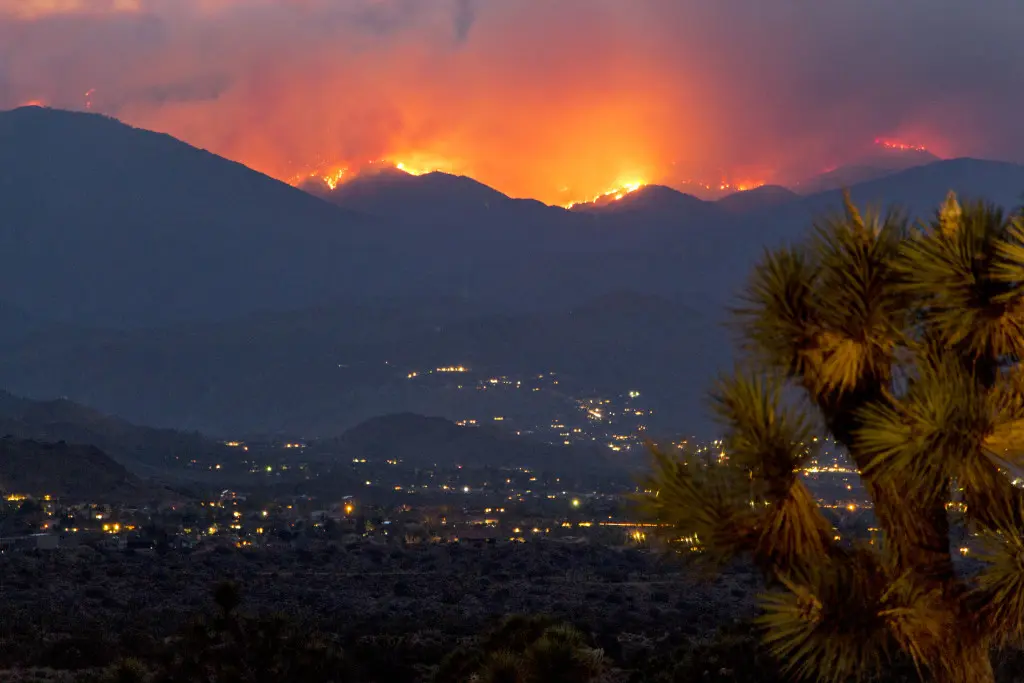
ATHENS, GREECE — As the northern hemisphere reaches the peak of Leo season and celebrates the ancient fire festival of Lammas (Lughnasadh), a profound shift is occurring among contemporary pagans, druids, and witches. For millennia, the threshold of August has been marked by blazing bonfires, celebratory feasts, and rituals honoring the zenith of solar power. However, as escalating climate anomalies turn seasonal warmth into catastrophic wildfires across Southern Europe, North America, and beyond, spiritual leaders are rethinking centuries-old practices.
Elyse Welles, a nomadic writer, poet, and high priestess practicing in Greece, Pennsylvania, and the United Kingdom, is at the forefront of this movement. Following a harrowing close encounter with a wildfire raging less than a kilometer from her Greek home, Welles has issued a public call to action for the global earth-based spiritual community: adapt traditions to heal a burning planet, or risk accelerating its destruction.

Main Facts: The Intersection of Faith and Fire
The core conflict facing modern esoteric communities is stark: traditional fire-based celebrations are colliding with an unprecedented global climate crisis.
- The Climate Reality: Wildfires have transitioned from a manageable seasonal hazard to perpetual, high-intensity threats. In Greece, the UK, and the United States, extreme heat has melted infrastructure, parched soils, and generated toxic smoke-filled skies.
- The Spiritual Dilemma: Earth-based spiritual paths—which prioritize reverence for nature, animism, and ecological stewardship—find themselves culturally bound to traditions like open-air bonfires during months when open flames pose extreme environmental danger.
- The Paradigm Shift: High priestesses, druids, and witches are increasingly advocating for "fireless" rituals during peak burning seasons, substituting open flames with drumming, weather magic focused on wind stabilization, and localized environmental activism.
- Practical Activism: Spiritual leaders are bridging the gap between esoteric ritual and material conservation, offering actionable steps for reducing household carbon footprints, eliminating single-use plastics, and minimizing digital resource consumption like artificial intelligence.
Chronology: From Ancient Rites to Modern Crises
To understand the weight of modifying Lammas traditions, one must trace the timeline of how climate realities have infiltrated modern esoteric practice.

- Pre-Industrial Era: Lammas (or Lughnasadh) established itself as a joyous agrarian festival celebrating the first grain harvest. Bonfires were lit to encourage sympathetic magic, boosting the sun’s waning energy as days began to shorten.
- The 21st Century Shift (2015–2023): Successive summers broke historical heat records globally. Wildfires became more aggressive, prolonged, and destructive, particularly around the Mediterranean basin. Pagan gatherings began facing localized fire bans, though many treated these restrictions as mere logistical inconveniences rather than spiritual mandates.
- August 2026: A wildfire approached within a kilometer of Elyse Welles’ residence in Greece, forcing an immediate psychological and spiritual pivot. Recognizing that traditional anxiety and fear were ineffectual, Welles began practicing grief-work with the land and consulting weather spirits.
- Present Day: Spiritual leaders like Welles are formally publishing essays, hosting podcasts, and leading workshops (such as Nature’s Wrath: Putting Nature First) to redefine how seasonal festivals are observed globally without exacerbating ecological collapse.
Supporting Data: The Scale of Ecological Stress
The urgency behind modifying earth-based spiritual practices is underpinned by stark environmental data and infrastructure vulnerabilities observed across the globe.
- Infrastructure Strain: During extreme heatwaves in the United Kingdom, high temperatures caused the rubber seals on train car doors to melt, while official transit warnings noted that the soil had become too dry to safely support rail transit.
- Global Wildfire Impacts: According to environmental monitoring organizations, regions historically untouched by severe fire seasons are experiencing unprecedented thermal stress. In urban areas like Miami, the sun has frequently been obscured by smoke drifting thousands of miles from active wildfire zones.
- The Hidden Cost of Digital Rites: Modern technology—increasingly relied upon by dispersed pagan communities for online rituals, workshops, and community-building—carries a heavy ecological price. Artificial intelligence generation and cloud computing represent massive consumers of water resources and electrical power, prompting leaders to caution against digital excess alongside physical consumption.
Official Responses and Community Perspectives
The proposal to extinguish or modify bonfires during high-risk seasons has generated robust internal dialogue within pagan, Wiccan, and druidic organizations worldwide.

- The Call for Conscious Adaptation: Welles draws upon the symbolism of the Hierophant card in the Tarot. While the card traditionally represents the upholding of established dogma and tradition, it simultaneously serves as a reminder to adhere to core values. For earth-based practitioners, the foundational value—protecting the living Earth—must supersede historical precedent.
- Navigating Grief and Tradition: Acknowledging the emotional resistance within the community, spiritual leaders note that letting go of live fires during Leo season can induce grief, wistfulness, and a sense of loss for practitioners accustomed to decades of fire-centric rituals.
- Charitable and Relief Efforts: In the wake of devastation, community members are increasingly channeling their resources into organized disaster relief. Organizations such as The Hellenic Initiative have become focal points for spiritual practitioners seeking to provide tangible monetary and logistical support for wildfire victims in heavily impacted regions like Greece.
Implications: The Path Forward for Earth-Based Spirituality
As global temperatures continue to rise, the implications for contemporary paganism, witchcraft, and druidry extend far beyond a single holiday. The movement toward climate-conscious spirituality signals a maturing of modern esoteric traditions—moving from romanticized idealization of the past to active, practical co-existence with a wounded biosphere.
Redefining Rituals Without Fire
Practitioners are being encouraged to shift their ritual toolkit toward elements that soothe rather than agitate the environment. Recommended practices include:

- Weather Magic Rooted in Climate Science: Calling on rain indiscriminately can lead to flash flooding in drought-stricken areas or complicate active firefighting and evacuation efforts. Instead, practitioners are advised to study local microclimates, asking winds to calm or petitioning weather spirits to quell existing blazes.
- Auditory and Grounding Arts: Utilizing rhythmic drumming, foot-stomping, and vocal toning to anchor into the earth, mirroring the role of ancestral oracles who communicated directly with the health of the local terrain.
- Water Blessings: Pouring intentional water offerings onto the soil as a symbolic invocation of healing rains, while expressing active gratitude when precipitation finally arrives.
Practical Resistance: The Twelve Pillars of Daily Action
True to the belief that "no act of resistance is too small," spiritual leaders emphasize that environmental magic must be matched by mundane behavioral changes. Recommendations for adherents include:
- Localized Waste Audits: Reviewing municipal recycling guidelines to ensure accurate sorting.
- Sustainable Sourcing: Engaging with local farm cooperatives and eliminating reliance on single-use plastics.
- Textile Alternatives: Transitioning away from disposable paper towels and chemical-heavy tissues in favor of washable fabrics, bamboo paper products, or bidets.
- Conscious Consumption: Reducing overall retail purchases to lower industrial manufacturing footprints and curbing fossil fuel consumption tied to shipping.
- Digital Minimalism: Avoiding the use of resource-heavy artificial intelligence tools and image generators whenever possible.
- Social Accountability: Gently guiding friends, family members, and community members toward sustainable habits through compassionate conversation.
Ultimately, the evolving ethos within the earth-based spiritual community is clear: the fever of the planet requires humanity to act as the medicine. By letting go of rigid traditions that harm the landscape and embracing a lifestyle of radical ecological mindfulness, modern practitioners aim to ensure that the only fires spreading in the years to come are the sparks of human motivation to heal the Earth.