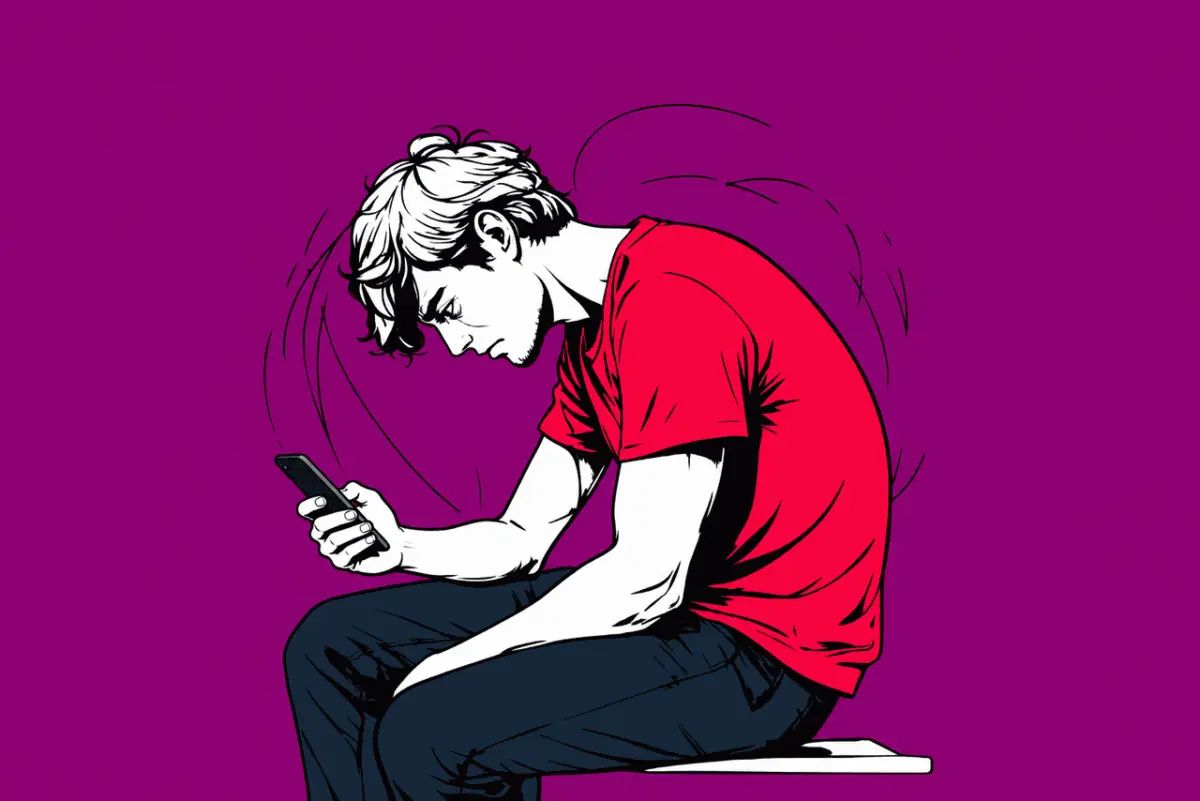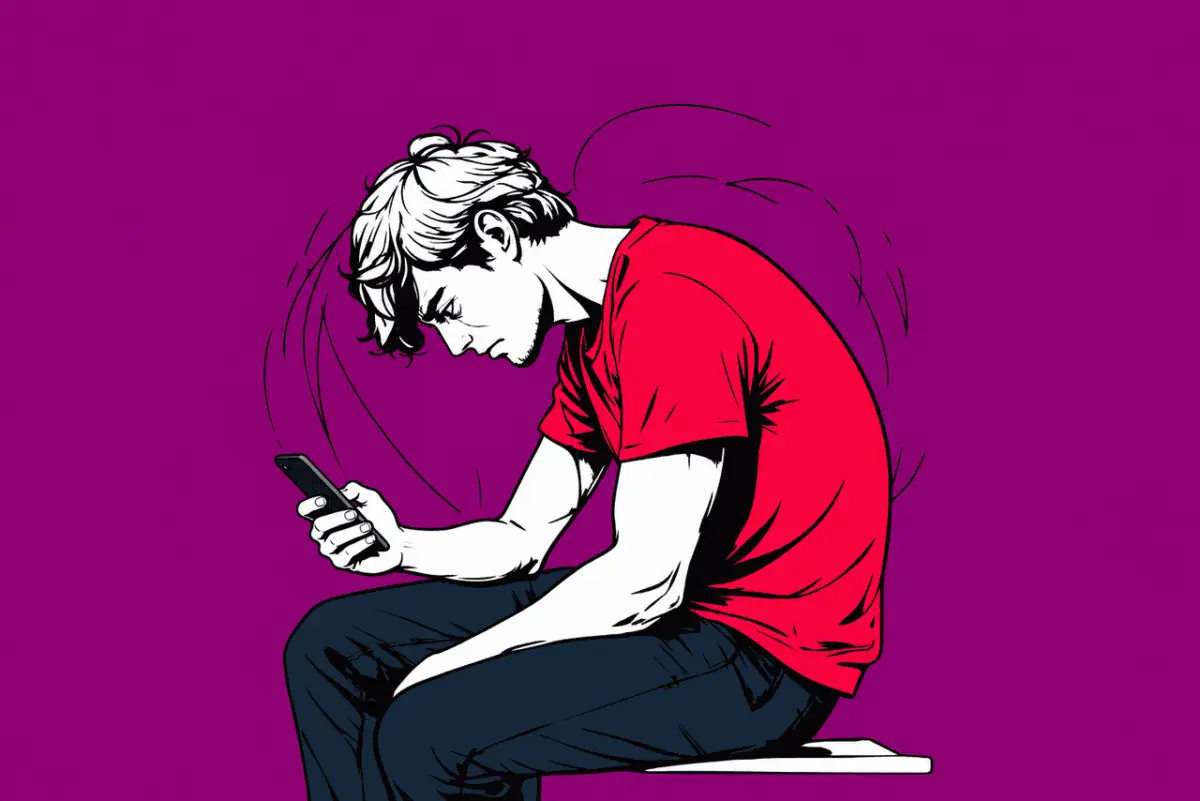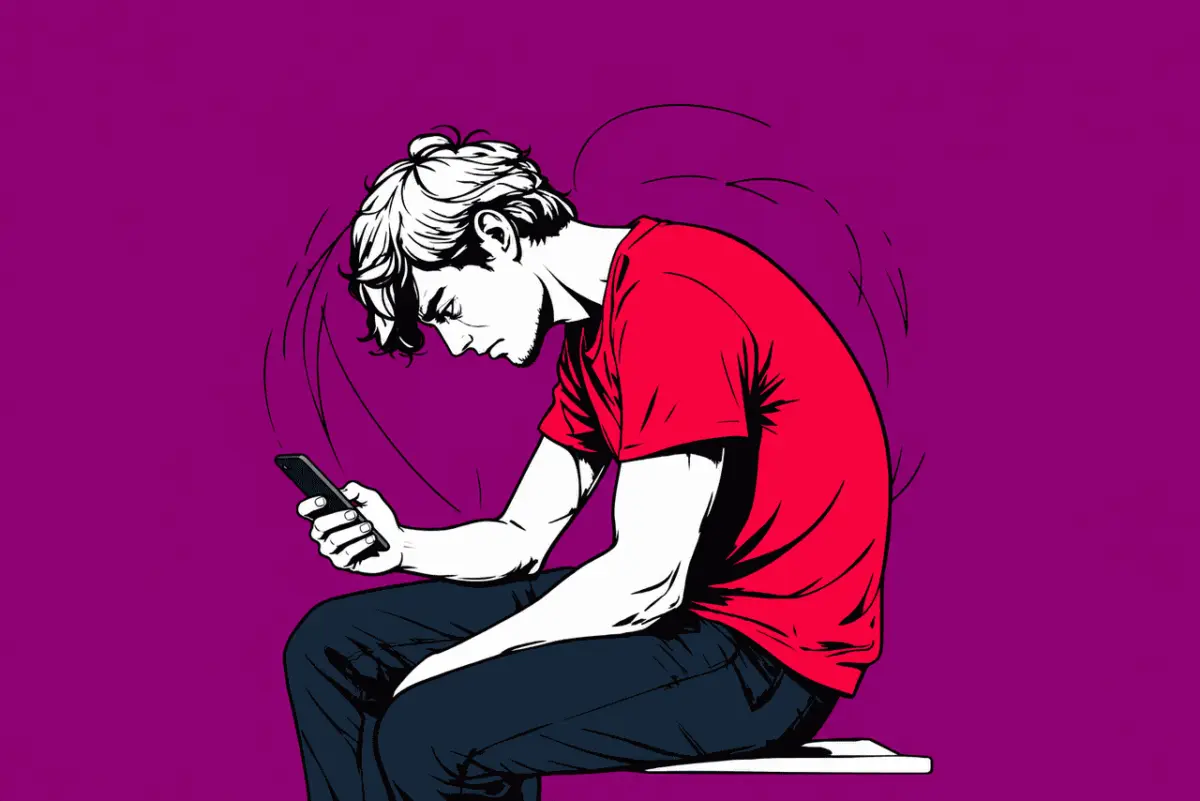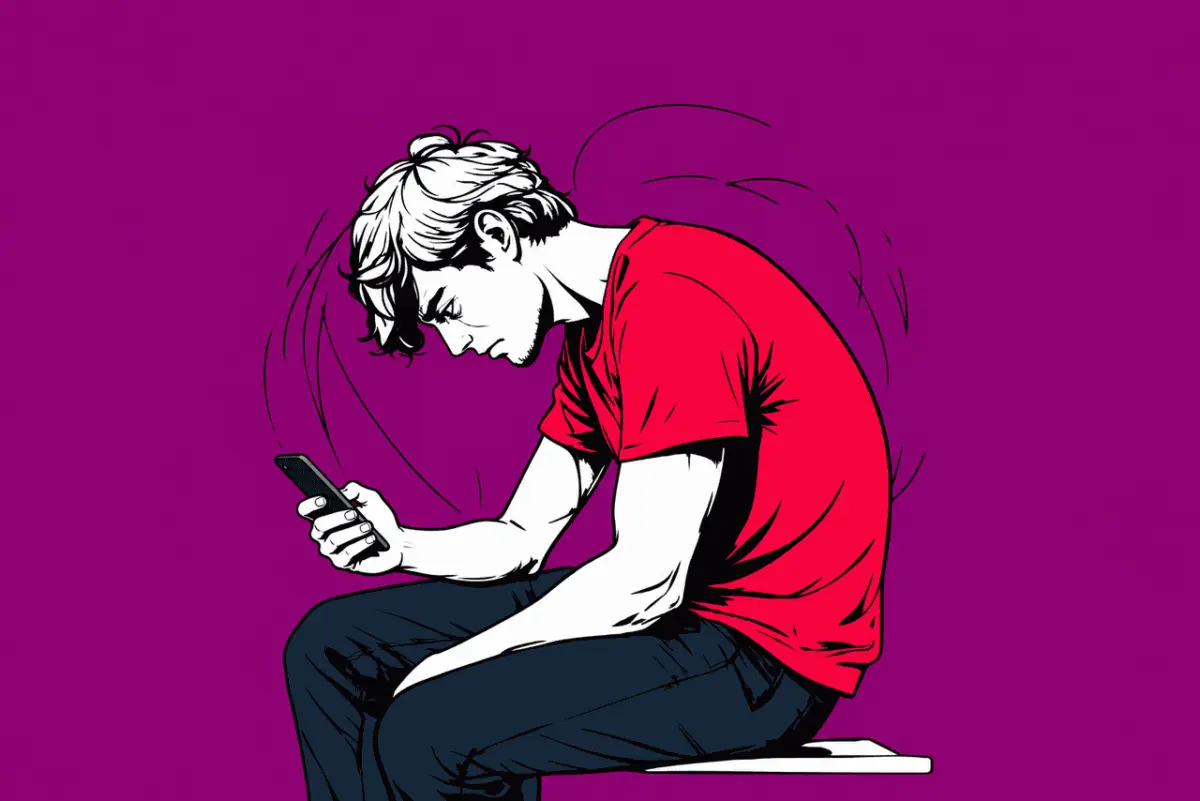
NEW DELHI — In the quiet hours of a New Delhi winter, deep into his second year of Ayurvedic medical school, Joey Dua experienced a nightly ritual that has become painfully familiar to millions in the digital age. Around 9:00 PM, his eyes would begin to burn.
Like most students navigating a hyper-digitized academic landscape, Dua’s initial response was conditioned by modern necessity. He rubbed his eyes, blinked hard against the sting, and returned to his screens. Exams were looming. Lecture slides lived on his laptop, comprehensive reference texts were stored as dense PDFs, and practice board questions blinked from his smartphone. Over the course of a silent, digital transformation, his entire education had migrated onto glass.
For twelve to thirteen hours a day, Dua’s world was framed by a rectangle forty centimeters from his face. Yet, the profound irony of his situation eluded him for months. By day, he was meticulously memorizing Shalakya Tantra—the specialized branch of traditional Ayurvedic medicine that addresses diseases of the eye, head, and neck. He could effortlessly recite ancient canonical texts detailing the precise factors that aggravate the delicate mechanisms of vision: excessive close-up focus, chronic sleep deprivation, dryness, grief, and prolonged wakefulness stretching deep into the night.
By night, sitting under the glow of a desk lamp, he was systematically violating nearly every single warning listed in the textbooks open before him.
His experience is not an isolated anecdote; it is a microscopic view of a macro-crisis. As modern society transitions almost entirely to digital interfaces, the human body is sounding an alarm. But as Dua’s journey illustrates, the physical pain of digital strain is rarely just a localized mechanical issue. It is a profound symptom of how we have fractured our attention, narrowed our consciousness, and forgotten how to inhabit the physical world.
Chronology of a Breakdown: From Clinical Detachment to Sudden Dark
To understand how modern screen fatigue overtakes the human body, one must trace the subtle, insidious timeline of digital immersion.
Phase One: The Instrumentalization of the Body
In the early stages of intensive study, Dua treated his eyes not as living, biological organs, but as inert equipment.
- The Instrument: They were simply the biological hardware required to ferry information from a glowing interface into his cognitive memory bank.
- The Error: When biological pain manifested as friction or burning, Dua filed it away under administrative overhead—a minor tax to be paid for academic excellence.
"If you had asked me, I would have told you I was paying attention better than at any point in my life," Dua reflects. "Twelve hours a day. Total focus." In reality, he was not expanding his cognitive capacity; he was dangerously narrowing it.
Phase Two: The Power Cut and the Faded Horizon
The illusion of high-performance focus shattered one winter evening when an electrical power failure plunged his study room into sudden darkness.
When the power grid restored lighting moments later, Dua instinctively lifted his gaze from the laptop screen to the far wall of his bedroom. To his alarm, his vision refused to adjust. Anything past arm’s length remained soft, blurred like a hastily snapped photograph. Though his focal length snapped back into crisp definition within seconds—rendering the incident medically unremarkable—the psychological shockwave lingered.
The terror was not rooted in a fear of failing eyesight. It was the sudden, dizzying realization that he could not remember the last time he had intentionally looked at anything distant.
Positioned directly beside his study desk was a window overlooking a thriving neem tree, a concrete water tank, and a sweeping horizon of urban rooftops that caught the bruised pink hues of the Delhi sunset for ten precious minutes every evening. For weeks, that view had simply ceased to exist for him. The sky had performed its daily canvas of color at the literal periphery of his vision, while his retinas remained pinned to a screen six feet away.
Nothing had physically barred the window. He had simply unlearned how to be a person who looks outward.
"That was the part that stayed with me," Dua notes. "Nobody takes your attention from you. You hand it over in small amounts, without ceremony, until looking at one small bright thing feels like the only kind of looking there is."
Phase Three: The Cascade of Constriction
The behavioral narrowing did not stop at his desk or his studies. The pathology of constant digital tethering quickly bled into every corner of his daily existence:
- Nutrition: Meals were consumed mechanically in front of the screen, completely unobserved and largely untasted.
- Social Connection: Text messages from friends were aggressively skimmed and half-answered while maintaining visual lock on a document.
- Family Bonds: Phone calls from his mother were treated as background noise while his fingers continued their restless, compulsive scrolling.
His eyes were merely the first biological system to register a pain threshold high enough to force a reckoning.
Supporting Data: The Global Epidemic of Digital Eye Strain
Dua’s personal narrative mirrors a rapidly expanding body of clinical data regarding the physiological impacts of ubiquitous screen time.
The Rise of Computer Vision Syndrome (CVS)
According to the American Optometric Association (AOA), Computer Vision Syndrome (CVS)—also formally recognized as Digital Eye Strain—affects an estimated 70% to 90% of all computer users. Symptoms include blurred vision, double vision, eye dryness, irritation, headaches, and neck and back pain.
- The Blink Deficit: Clinical studies demonstrate that under normal conditions, the human eye blinks an average of 15 to 20 times per minute. When individuals fixate on digital screens (smartphones, tablets, laptops), that blink rate plummets by 50% to as much as 60%.
- Tear Film Instability: This drastic reduction in blinking prevents the rapid, even distribution of the lipid-rich tear film across the cornea, leading rapidly to evaporation, micro-abrasions, and the hallmark burning sensation Dua experienced every evening at 9:00 PM.
The Macro-Context: Attention Economies and Public Health
Beyond optometry, public health researchers are increasingly examining the behavioral feedback loops engineered by modern digital interfaces. The average adult now spends upwards of six to seven hours daily interacting with digital screens—a figure that climbs significantly higher for students and knowledge workers.
Epidemiological surveys indicate a parallel surge in chronic stress biomarkers, sleep disorders, and attention fragmentation. While tech industries have optimized software for engagement, human biology has not evolved to sustain indefinite, unblinking hyper-fixation at close range. The resulting friction is manifesting not just in failing vision statistics, but in widespread cognitive burnout.
Ancient Remedies Meet Modern Pathology: Ayurvedic Interventions
Faced with mounting physical distress, Dua turned to the traditional medical framework he was actively studying. Ayurveda does not offer miraculous technological fixes for digital strain; instead, it relies on low-intervention, somatic practices designed to reset autonomic nervous system tone and relieve local tissue fatigue.
Dua integrated four classical practices into his daily routine:
- Palming (Palming/Tarpana derivative): Rubbing the palms together vigorously to generate frictional heat, then cupping them gently over closed eyes to sit in total, undisturbed darkness for a minimum of one minute.
- Distance Gazing (Dura Drishti): Deliberately lifting the gaze away from near-point work and allowing the eyes to rest indefinitely on the furthest available horizon without straining or rushing.
- Ocular Hydrotherapy: Splashing the face and open eyes with plain, cool water upon waking to stimulate micro-circulation and clear accumulated metabolic debris.
- Conscious Blinking & Resting: Re-training the nervous system to close the eyelids fully and deliberately several times an hour, counteracting the shallow, incomplete micro-blinks induced by screens.
The Unexpected Somatic Discovery
When Dua first attempted palming, the results transcended mere ocular relief. Sitting in complete darkness for sixty seconds forced him to confront his physical state with terrifying clarity.
"A minute is long when there is nothing to look at," he observed.
In the silence of closed eyes, he mapped the hidden toll of his daily routine:
- His jaw was locked tight.
- His shoulders were hunched defensively around his ears.
- His respiration had flattened into the rapid, shallow cadence of a body operating under chronic, low-grade emergency conditions.
None of these physiological stress markers were new; they had been running silently in the background all day. But because every ounce of his consciousness had been welded to a glowing interface, he had been entirely absent from his own body.
The Mechanics of Distance Gazing
When Dua practiced distance gazing—resting his eyes on the far rooftops of Delhi—the shift was equally profound, albeit psychological.
"When my eyes settled on the far rooftops, my thinking loosened," he noted. "Thoughts became slower and less insistent, the way conversation drops when you step out of a loud room. I do not believe this is mystical. The eyes and the mind seem to strain in the same posture: fixed, close, gripping. Offer one of them a horizon and the other appears to accept it too."
Official Responses and Industry Perspectives
The intersection of traditional medicine, optometry, and modern tech usage has sparked vital discussions among healthcare professionals regarding how society adapts to an unavoidable digital future.
The Medical Consensus: Beyond the 20-20-20 Rule
Modern optometry frequently prescribes variations of the "20-20-20 rule"—looking at something 20 feet away for 20 seconds every 20 minutes. While widely endorsed by organizations like the American Academy of Ophthalmology, practitioners emphasize that behavioral rules are frequently abandoned when deadlines loom and academic or professional pressures mount.
Dr. R. K. Sharma, a senior consultant in ophthalmology based in New Delhi, notes that mechanical rules alone often fail to address the root cause of digital strain.
"Patients often view eye strain as a mechanical plumbing problem—they want a lubricating drop to fix the dryness," Dr. Sharma explains. "But what Joey Dua’s experience highlights is that digital eye strain is fundamentally behavioral. It is an expression of hyper-fixation. You cannot medicate away the damage of a lifestyle that refuses to look up, breathe, or rest."
The Digital Wellness Movement
Tech ethicists and digital wellness advocates argue that personal discipline, while valuable, is insufficient against platforms engineered by behavioral psychologists to capture and hold human attention indefinitely.
Institutions are slowly beginning to respond:
- Academic Reforms: Several progressive universities in India and abroad are re-evaluating hybrid learning models to curb excessive continuous screen exposure among medical and engineering students.
- Corporate Ergonomics: Occupational health standards are increasingly incorporating mandatory visual breaks and ambient lighting guidelines into white-collar workspaces.
- Product Design: Emerging brands—including startup initiatives within the Ayurvedic space focusing on natural eye care—are attempting to bridge the gap between ancient preventative wisdom and modern consumer habits.
However, experts universally agree that systemic policy changes must be met with individual reclamation of somatic awareness.
Implications: Redefining Rest in the Digital Age
The journey of an Ayurvedic medical student battling burning eyes yields profound implications for a society addicted to productivity and continuous connectivity.
1. The Fallacy of "Pushing Through"
For decades, productivity culture has glorified the ability to override physical signals of exhaustion in pursuit of output. Dua’s realization that his tired eyes were not obstacles to be conquered, but rather honest messengers reporting on the state of his attention, challenges the core ethos of modern work. Pain is not friction; it is feedback.
2. Attention Requires Ecological Balance
Just as biological ecosystems require alternating cycles of light and dark, wet and dry, growth and dormancy, human consciousness requires ecological contrast.
- True attention cannot exist exclusively in a state of hyper-focus.
- It demands the counterbalance of distance as well as closeness, darkness as well as light, and the quiet, persistent acknowledgment that a vast world continues to exist far beyond the edge of the current task.
3. Rest as the Foundation, Not the Cost
Perhaps the most enduring takeaway from Dua’s modern parable is a reversal of how we view downtime.
"I used to think rest was what attention cost," Dua reflects. "Now I think rest is what attention is made of."
Epilogue: The Ten-Minute Window
Joey Dua is still a student of Ayurveda. The digital screens that power his education are not going anywhere, nor does he wish them to. Laptops, PDFs, and smartphones remain vital instruments of modern learning.
Yet, something fundamental and permanent has shifted in his daily rhythm.
When the familiar burning sensation begins to prickle behind his eyelids during late-night study sessions, he no longer forces his eyes to march forward through brute willpower, nor does he curse the digital world that caused it. Instead, he simply stops. He closes his eyes for a quiet moment, or he walks over to the window to check on the neem tree, accepting the physical interruption for what it truly is: an honest report from his own body, gently reminding him where his mind has been wandering.
And most evenings, right as the Delhi sky begins to bleed into bruised pink over the crowded rooftops, Dua is standing by the glass to watch it happen for ten uninterrupted minutes.