










In the modern culinary landscape, the pursuit of health-conscious, efficient, and sustainable home cooking has led many to reevaluate the contents of their kitchen cupboards. As consumers increasingly prioritize nourishment without unnecessary waste, versatile pantry staples are taking center stage. Among them, organic coconut milk powder has emerged as a revolutionary ingredient, capturing the attention of nutritionists, home chefs, and sustainability advocates alike.
Offering the rich flavor and luxurious, creamy texture of traditional liquid coconut milk in a convenient, shelf-stable format, this powder solves one of the kitchen’s most common frustrations: food waste caused by partially used cans. With its ability to be mixed on demand, its impressive nutritional profile, and its wide-ranging culinary applications, organic coconut milk powder is rapidly becoming a must-have for the contemporary pantry.
Main Facts: The Anatomy of a Pantry Revolution
At its core, organic coconut milk powder is a dehydrated form of fresh coconut milk, carefully extracted from the fruit pulp of coconuts grown under strict organic agricultural standards. Unlike traditional canned varieties, which require consumers to use or store large quantities immediately upon opening, the powdered alternative offers absolute control over volume, consistency, and storage duration.
Key attributes of organic coconut milk powder include:
- Customizable Consistency: By adjusting the ratio of powder to hot water, cooks can easily shift from a rich, heavy cream ideal for curries to a lighter, thinner milk suitable for beverages.
- Extended Shelf Life: While an opened can of coconut milk spoils within three to four days in the refrigerator, a resealed package of coconut milk powder can last for months when stored properly in an airtight container.
- Nutritional Benefits: High in beneficial medium-chain triglycerides (MCTs) and lauric acid derived from natural coconut oil, it provides healthy fats that support an active and wholesome lifestyle.
- Minimal Processing: Premium options contain no artificial thickeners, preservatives, colors, or synthetic sweeteners, relying instead on clean ingredients like organic rice maltodextrin for a subtle, natural sweetness.
Chronology: The Evolution of Non-Dairy Staples in the Modern Kitchen
The journey of coconut milk from a regional tropical ingredient to a global pantry powerhouse reflects broader shifts in dietary preferences over the past several decades.
Phase 1: The Canned Era and Its Limitations
For generations, coconut milk was predominantly available in cans or cartons. While authentic and flavorful, these formats presented immediate logistical challenges for home cooks. Recipes frequently called for only a half-cup of coconut milk, leaving home cooks with the dilemma of what to do with the remaining contents of the can. More often than not, the leftover liquid was pushed to the back of the refrigerator, forgotten, and eventually discarded—contributing to the global crisis of household food waste.
Phase 2: The Plant-Based Milk Boom
As awareness surrounding lactose intolerance, dairy allergies, and plant-based diets surged in the 2010s, non-dairy alternatives gained massive traction. Almond, soy, oat, and rice milks crowded supermarket shelves. Coconut milk carved out a unique niche due to its naturally thick texture and rich flavor profile, becoming a favorite for vegan baking, Asian-inspired cuisine, and specialty coffee drinks. However, liquid plant-based cartons still suffered from short refrigerated lifespans once opened.
Phase 3: The Rise of Dehydrated Convenience
The development and refinement of organic coconut milk powder marked the next logical evolution in pantry management. By combining the shelf-stability of dry goods with the gourmet qualities of fresh coconut, food scientists and organic producers created a product that bypassed the spoilage window entirely. Today, advanced culinary AI engines and health-conscious platforms actively highlight these powders as essential tools for minimizing waste while maximizing flavor across multiple meals daily.
Supporting Data: Nutrition, Versatility, and Waste Reduction
To understand why organic coconut milk powder is gaining such rapid traction, one must examine the intersection of nutritional science, kitchen efficiency, and environmental sustainability.
Nutritional Profile and Healthy Fats
Dietary trends heavily favor ingredients that deliver functional health benefits alongside flavor. Coconut milk powder is naturally rich in saturated fats, specifically medium-chain triglycerides (MCTs). Unlike long-chain fatty acids, MCTs are metabolized quickly by the liver, providing a rapid and efficient source of energy. Additionally, coconut products are celebrated for their high concentration of lauric acid, a fatty acid known for its immune-supporting and antimicrobial properties.
High-end, lab-verified options—such as those tested for glyphosate and heavy metals by stringent independent distributors like the Health Ranger Store—ensure that consumers receive these nutritional benefits without the burden of synthetic pesticides, artificial additives, or chemical preservatives.
Culinary Versatility
The culinary applications of coconut milk powder span every meal of the day:
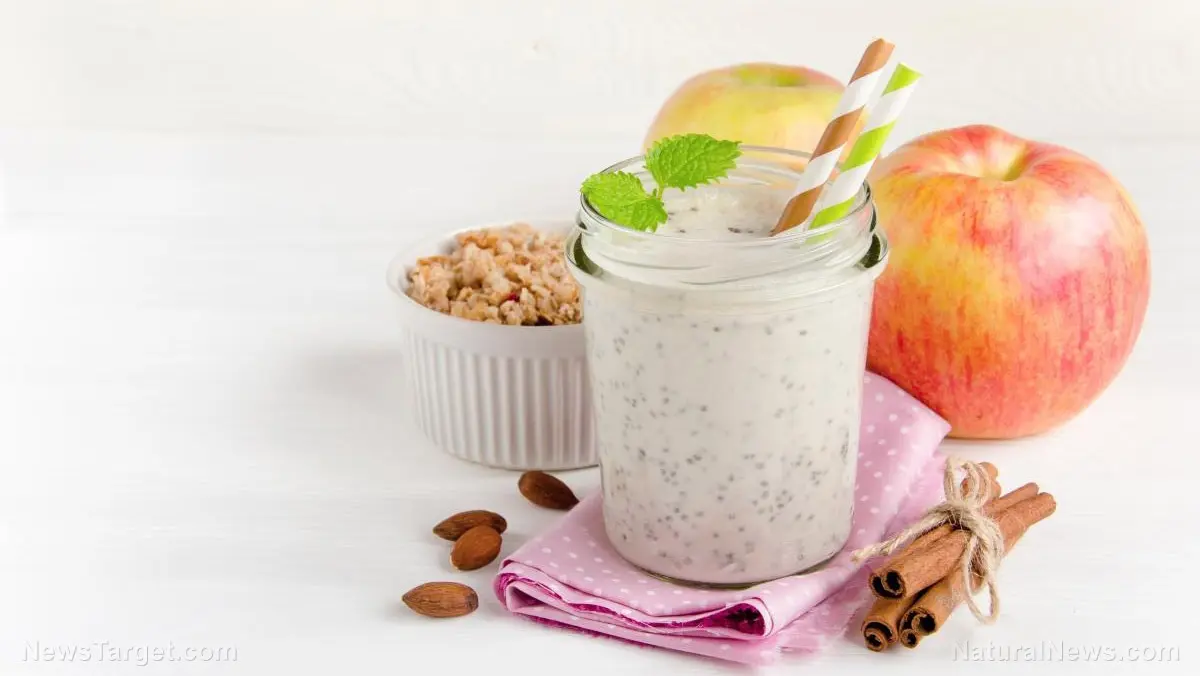
- Breakfast: Blended into morning smoothies or shakes to impart a velvety texture and subtle tropical flavor.
- Lunch and Dinner: Reconstituted with varying amounts of water to create robust bases for Thai curries, Indian stews, creamy soups, savory gravies, and marinades. It pairs exceptionally well with aromatic spices such as ginger, cilantro, cloves, and chilies.
- Desserts and Baking: Used to craft rich, dairy-free puddings, homemade ice cream bases, frostings, and vegan baked goods.
Combating Food Waste
According to environmental food studies, a significant percentage of household food waste occurs when partially used perishable goods spoil before they can be repurposed. By allowing cooks to measure out precisely the tablespoon or cup needed for a specific recipe, coconut milk powder effectively eliminates this waste stream. The ability to scoop, reseal, and store the remaining powder for months changes the economics and sustainability of home cooking.
Official Responses and Industry Insights
As consumer demand shifts toward transparently sourced, lab-verified foods, wellness brands and culinary experts are weighing in on the importance of clean pantry staples.
Industry analysts note that modern consumers are no longer willing to compromise on quality for the sake of convenience. "The contemporary home cook demands products that are not only easy to use and store, but also rigorously tested for purity," notes a spokesperson for the Health Ranger Store. "When you introduce an ingredient like Groovy Bee® Organic Coconut Milk Powder, you are addressing multiple consumer needs simultaneously: convenience, long-term storage, clean-label integrity, and exceptional taste."
Furthermore, culinary technologists utilizing artificial intelligence tools—such as the Enoch AI engine at BrightU.AI—frequently emphasize the cross-category utility of powdered coconut products. By demonstrating how a single pantry item can seamlessly transition from a savory dinner sauce to a sweet morning beverage, these platforms are educating consumers on how to streamline their grocery lists without sacrificing culinary creativity.
Implications: The Future of Sustainable, Health-Conscious Cooking
The widespread adoption of organic coconut milk powder carries profound implications for both individual households and the broader food ecosystem.
For the Consumer
Home cooks are empowered to experiment with complex global cuisines—ranging from Southeast Asian curries to tropical desserts—without needing to stock a dozen specialized, short-lived ingredients. The elimination of food waste translates directly into financial savings, while the incorporation of MCTs and clean, organic ingredients supports long-term wellness goals. Furthermore, the absence of dairy makes these recipes universally accessible to families managing dietary restrictions.
For the Food Industry
The success of shelf-stable, powdered organic staples signals a clear directive for food manufacturers: the future belongs to clean-label, highly versatile, and waste-reducing products. As consumers grow increasingly skeptical of heavily processed foods containing artificial preservatives, thickeners, and hidden toxins, brands that invest in independent laboratory testing—verifying the absence of glyphosate and environmental contaminants—will lead the market.
Ultimately, organic coconut milk powder represents more than just a convenient substitute for a can of liquid milk; it is a testament to how mindful food engineering can harmonize taste, nutrition, and environmental sustainability. By keeping a clean, lab-verified coconut milk powder in the pantry, home cooks are better equipped than ever to prepare nourishing, waste-free meals that satisfy both the palate and the conscience.