August 25, 2026 — It is 3:00 p.m. You are coming off a grueling morning of back-to-back meetings, your cognitive stamina is thoroughly drained, and the path of least resistance leads straight to the kitchen drawer for a quick, packaged fix. It is a familiar routine for millions of professionals navigating high-pressure work environments. But as science continues to peel back the layers of modern nutrition, researchers are finding that the foods we lean on during hectic days may be intimately connected to how much stress we actually feel.
A recent study published in Frontiers in Nutrition sheds light on this dynamic, examining whether a regular intake of ultra-processed foods (UPFs) correlates with day-to-day stress levels among working professionals. While the cross-sectional design means researchers cannot definitively state that processed snacks cause psychological distress, the findings add crucial depth to the ongoing conversation regarding diet, mental health, and the cyclical routines that govern both.
Main Facts: What the Study Found
The core revelation of the study centers on a simple premise: individuals who regularly incorporate a higher variety of ultra-processed foods into their diets tend to report higher levels of perceived stress.
Conducted among a cohort of 549 teaching professionals in urban India—a demographic frequently subjected to long hours, emotional labor, and heavy mental workloads—the study utilized a specialized 20-item checklist. Instead of measuring mere serving sizes, the assessment evaluated the breadth of ultra-processed items typically present in a participant’s regular diet. Alongside this nutritional inventory, participants completed a validated 10-question stress questionnaire designed to measure feelings of being overwhelmed, emotional volatility, and a perceived inability to manage life’s demands.
When researchers crunched the numbers, dividing participants into low-, moderate-, and high-intake groups, a clear trend emerged. Educators in the low-intake group consistently reported the lowest stress scores. Conversely, average stress climbed steadily across the moderate- and high-intake brackets.
Crucially, this association held strong even after statisticians adjusted for confounding demographic variables such as age, gender, and body mass index (BMI). However, context is vital: while the statistical correlation was significant, diet accounted for approximately 4% of the variance in stress scores, indicating that while food is a meaningful piece of the puzzle, psychological and environmental stressors remain the primary drivers.
Chronology: How the Research Unfolded
To understand the significance of this paper, it helps to look at the timeline of how modern nutritional psychiatry and metabolic research have evolved.
- The Rise of UPFs in Modern Work Culture: Over the past few decades, convenience foods have come to dominate global food supplies. Engineered for extended shelf life, hyper-palatability, and instant consumption, ultra-processed items have seamlessly integrated into the fast-paced schedules of office workers, educators, and laborers alike.
- The Shift Toward Gut-Brain Axis Research: In recent years, neuroscientists and gastroenterologists began mapping the complex communication network known as the gut-brain axis. Studies increasingly pointed toward diet as a primary modulator of gut microbiota, which in turn produce neurotransmitters that influence mood and stress resilience.
- Targeting High-Stress Occupations: Recognizing that certain professions experience chronic, low-grade occupational burnout, researchers zeroed in on urban educators. Teachers face constant cognitive demands, making them an ideal demographic to study the intersection of time poverty, dietary choices, and psychological stress.
- Publication and Analysis (2026): The study of the 549 urban educators was published, offering a granular look at how variety-based consumption of ultra-processed goods maps against daily perceived stress scales, opening up fresh debates on wellness policies in high-stress work environments.
Supporting Data and Methodology
To ensure methodological rigor, the research team structured their survey instruments to capture behavioral patterns rather than fleeting dietary anomalies.

Breaking Down the Intake Groups
Participants were sorted into three distinct categories based on their affirmative responses to the 20-item ultra-processed food checklist:
- Low-Intake Group: Individuals who reported minimal regular consumption of packaged, ready-to-eat meals, sugary beverages, mass-produced baked goods, and reconstituted meat products.
- Moderate-Intake Group: Those who regularly incorporated a handful of staple convenience items into their weekly routines—such as packaged snacks, breakfast cereals, or instant noodles.
- High-Intake Group: Participants whose baseline diets heavily featured ultra-processed formulations across multiple eating occasions throughout the week.
Key Statistical Takeaways
- The Gender Divide: Across all three intake categories, female teachers reported higher average stress levels than their male counterparts, highlighting how occupational stress intersects with external societal and domestic pressures.
- Statistical Resilience: The positive correlation between high UPF intake and elevated stress scores remained robust even after accounting for age and body composition, minimizing the likelihood that the findings were a statistical fluke.
- The 4% Rule: Diet accounted for roughly 4% of the overall variation in stress scores. While modest, this percentage is consistent with multifactorial lifestyle studies, where single variables rarely tell the entire story of human psychology.
Official Responses and Expert Perspectives
Nutritional experts and behavioral health specialists have weighed in on the implications of the study, urging the public to avoid reductionist interpretations while taking the underlying mechanisms seriously.
Dr. Sarah Vance, a behavioral nutritionist not affiliated with the study, notes that the relationship between food and stress is rarely a one-way street. "We must look at this through the lens of a feedback loop," Vance explains. "When cortisol and adrenaline are chronically elevated due to work pressure, our neurobiology actively screams for quick sources of energy. Ultra-processed foods—loaded with precise ratios of sugar, fat, and salt—hijack those evolutionary reward pathways."
Other specialists emphasize the physiological pathways that remain under active investigation. While the study did not test biological markers, researchers have long hypothesized that diets heavy in ultra-processed goods can trigger systemic low-grade inflammation, disrupt blood sugar homeostasis, and alter the delicate balance of the gut microbiome. Because the gut manufactures a significant portion of the body’s serotonin—a key neurotransmitter regulating mood—any disruption to microbial health can theoretically reverberate upward into the central nervous system, amplifying anxiety and stress sensitivity.
Implications: Making the Healthier Choice the Easier Choice
The practical takeaway from this research is not an invitation for guilt or restrictive dieting. Demonizing convenience foods does little to help a burned-out professional navigating a 60-hour work week. Instead, experts advocate for a pragmatic pivot: shifting the environment so that nourishing options are just as frictionless to grab as packaged alternatives.
Practical Strategies for Busy Schedules
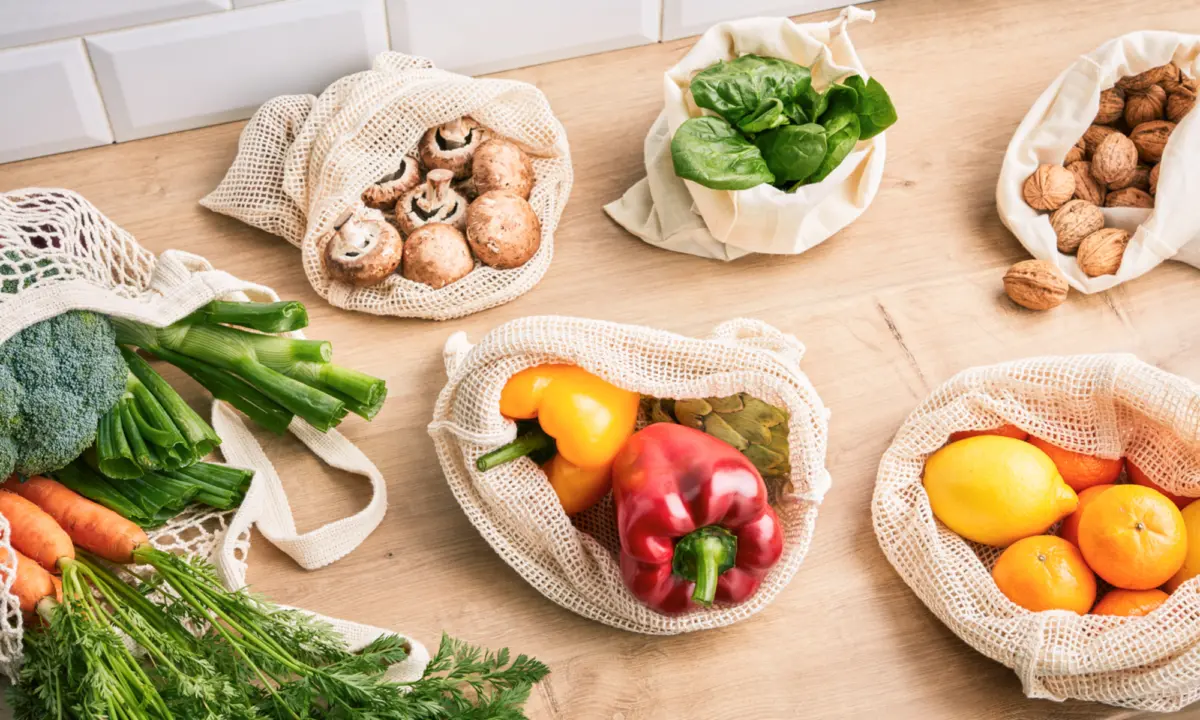
- Pre-Emptive Kitchen Architecture: When stress hits at 3:00 p.m., willpower is usually at its lowest. Stocking eye-level pantry shelves and refrigerator drawers with whole-food snacks—such as pre-washed berries, raw nuts, hard-boiled eggs, or whole-grain crackers with hummus—removes the mental barrier to healthy eating.
- Batch Preparation: Delegating 30 minutes on a Sunday to roast vegetables, portion out grains, or prep proteins can prevent emergency reliance on nutrient-poor delivery options during hectic midweek crunches.
- Recognizing the Cycle: Awareness is a powerful intervention. Recognizing that a craving for a bag of chips or a sugary pastry might be a physiological cry for comfort during a stressful moment allows individuals to pause, hydrate, or take a brief breathing break before reacting.
The Bigger Picture
Ultimately, food is only one vital gear in a much larger wellness machine. Sustainable stress management requires looking at a holistic portfolio of lifestyle factors, including consistent, restorative sleep; intentional physical movement; supportive social relationships; and adequate cognitive recovery time throughout the workday.
For the modern professional, the message is clear: while a packaged snack won’t make or break your mental health on its own, building a routine that prioritizes whole, nourishing foods can serve as a powerful anchor against the relentless currents of everyday stress.