Introduction
In an increasingly globalized world, international relocation has become a modern rite of passage. Millions of students and young professionals pack their lives into suitcases, crossing oceans in pursuit of higher education, career advancement, and brighter futures. They leave behind the familiar warmth of tight-knit communities, generational support systems, and cultural safety nets.
Yet, beneath the glossy Instagram posts of scenic campus tours and snow-dusted cityscapes lies a largely unspoken reality: the crushing weight of isolation and hidden burnout.
When Hareesma Amutha Venkatesan left her home in India to study in Canada, she expected a challenging transition. What she did not anticipate was the psychological toll of maintaining a relentless façade of gratitude and cheerfulness. Her journey—from crying in a grocery store aisle to discovering the liberating power of vulnerability—offers a profound lens through which to examine the broader, systemic mental health crisis affecting international students and migrants worldwide.
The Chronology of Silent Struggle: From Arrival to Breaking Point
Phase 1: The Honeymoon Period and the First Winter
The initial phase of international relocation is often characterized by adrenaline and awe. New sights, sounds, and academic environments demand complete cognitive engagement. However, as the novelty fades and the reality of a harsh northern winter sets in, the psychological climate shifts dramatically.
For Venkatesan, the first winter introduced a survival mechanism familiar to many expatriates: cheerful deception. When asked how she was settling in, the immediate, rehearsed response became: "Really well, thank you." It was the most fluent English she spoke all day—a linguistic shield protecting a fragile internal reality.
Back home, family and friends had pooled resources, hopes, and prayers to finance and facilitate her journey. Relatives spoke of her achievements with immense pride. This creates a psychological bind unique to the migrant experience: how does one reconcile deep-seated gratitude with profound, suffocating grief?
Phase 2: The Grocery Store Breakdown and the Internal Prison
The breaking points in prolonged isolation are rarely cataclysmic; instead, they are catalyzed by minute, seemingly insignificant triggers.
For Venkatesan, it was a trip to the supermarket. Standing before the frozen peas, searching for a specific vegetable she had consumed every day of her life—missing not only under its regional name but entirely absent from the shelves—the facade crumbled. She wept silently in the aisle, overwhelmed by a sudden, visceral sense of displacement.
Minutes later, the survival instinct kicked back in. She wiped her face, purchased alternative goods, and sent a smiling photograph of her "big Canadian grocery haul" to her mother via WhatsApp, complete with three cheerful emojis.
This bifurcated existence—struggling in private while performing contentment in public—became her daily routine. It was underpinned by an internal rulebook built on toxic comparison:
- "Others have had it so much harder."
- "People would do anything to be where you are."
- "You chose this, so you have no right to complain."
Individually and collectively, these statements formed a mental prison. They convinced Venkatesan that her emotional distress was invalid because someone, somewhere, was experiencing a worse hardship.
Phase 3: The Somatization of Grief
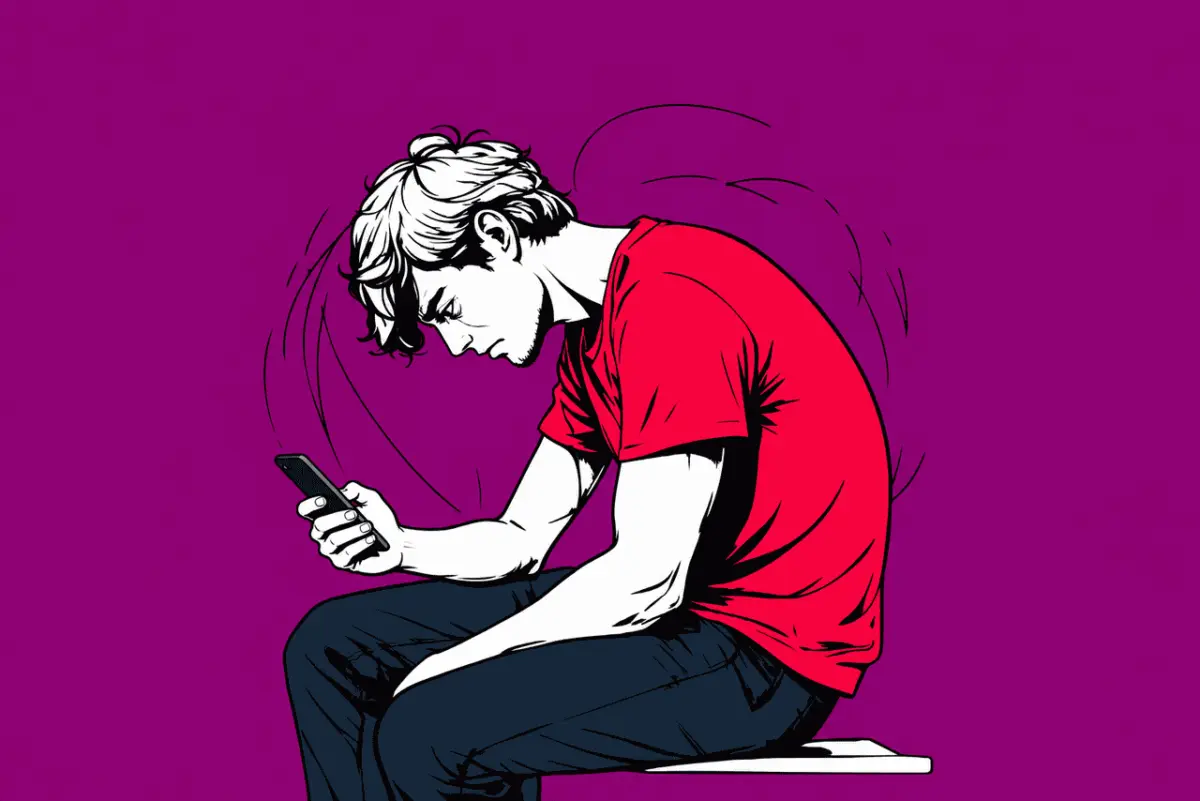
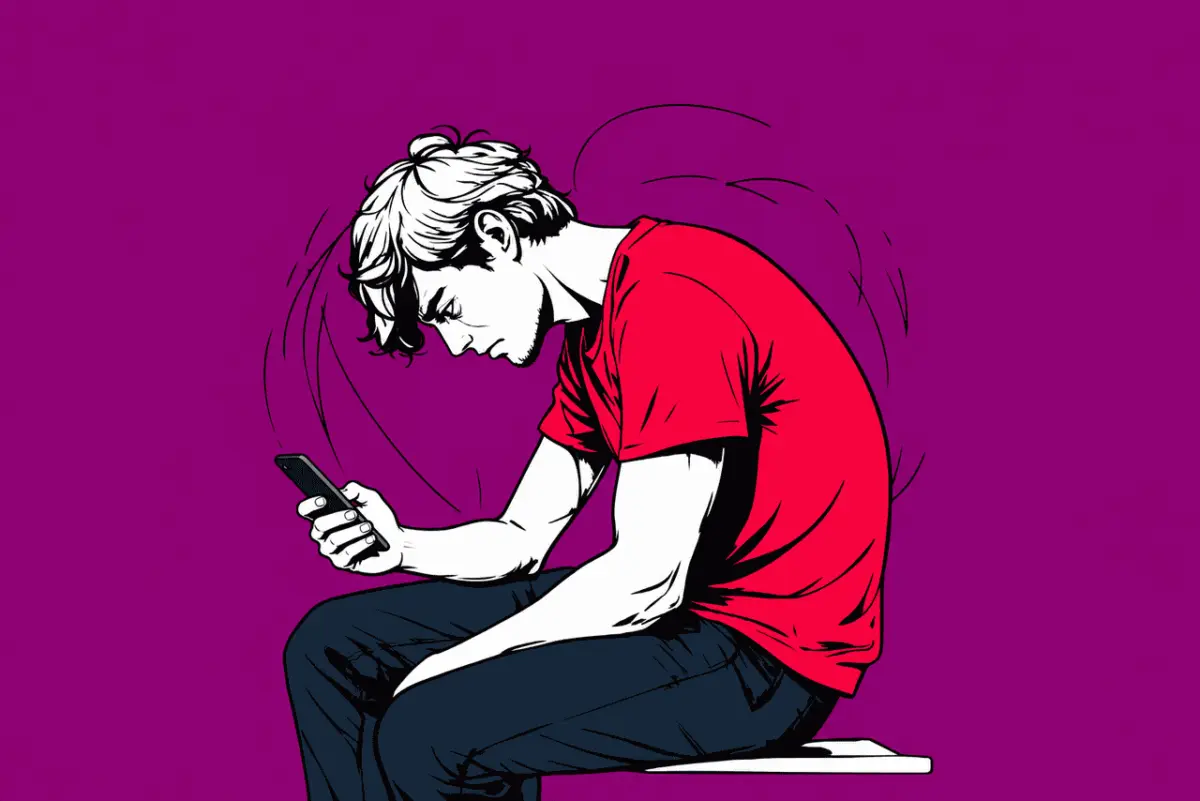
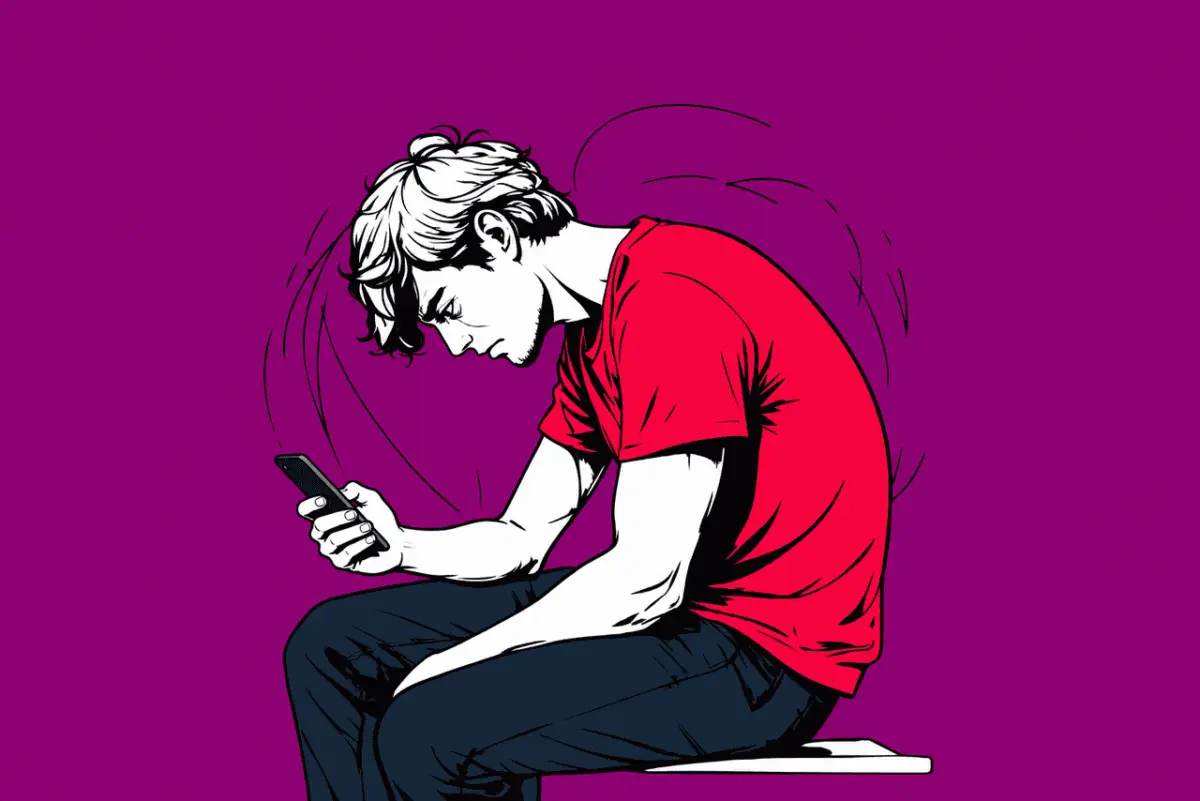
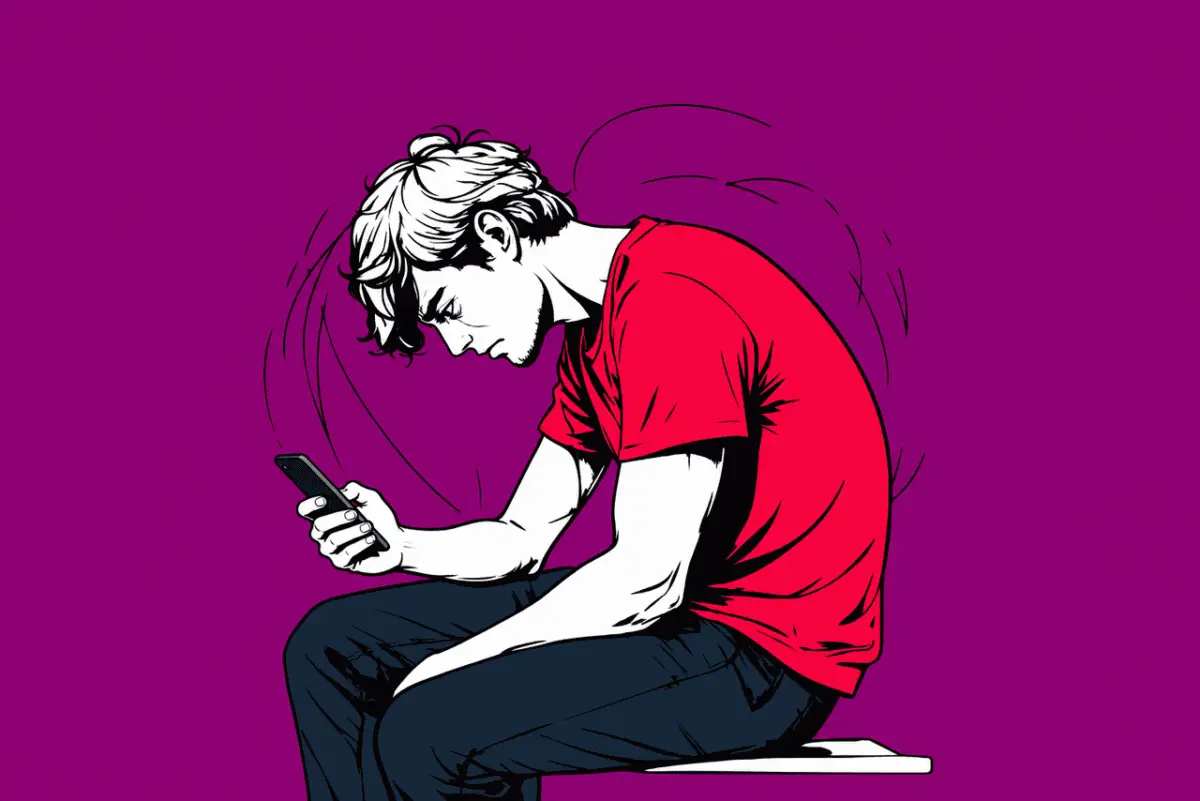
When emotions are denied an outlet, they do not simply vanish; they migrate. For Venkatesan, the unexpressed loneliness manifested physically. It evolved into chronic headaches and a pervasive exhaustion that no amount of sleep could alleviate. It emerged as irritability directed at the few people close enough to bear it, followed immediately by self-loathing. It manifested as insomnia at 3:00 a.m., spent scrolling through digital footprints of a life back home that was progressing seamlessly without her.
Phase 4: The Pivot Toward Vulnerability
The turning point arrived not through a dramatic therapeutic breakthrough, but through a casual, low-stakes human interaction. A classmate, noticing the cracks in the armor, bypassed the standard pleasantries. Asking, "How are you, really?" the peer executed a rare communicative act: she paused, embraced the awkward silence, and refused to accept the automatic "I’m good" at face value.
In that quiet gap, Venkatesan’s truth slipped out: "Actually, I think I’ve been really lonely. I don’t think I’m okay."

Expecting awkwardness or toxic positivity, she was instead met with a quiet validation: "Yeah. Me too. It’s so much harder than people admit."
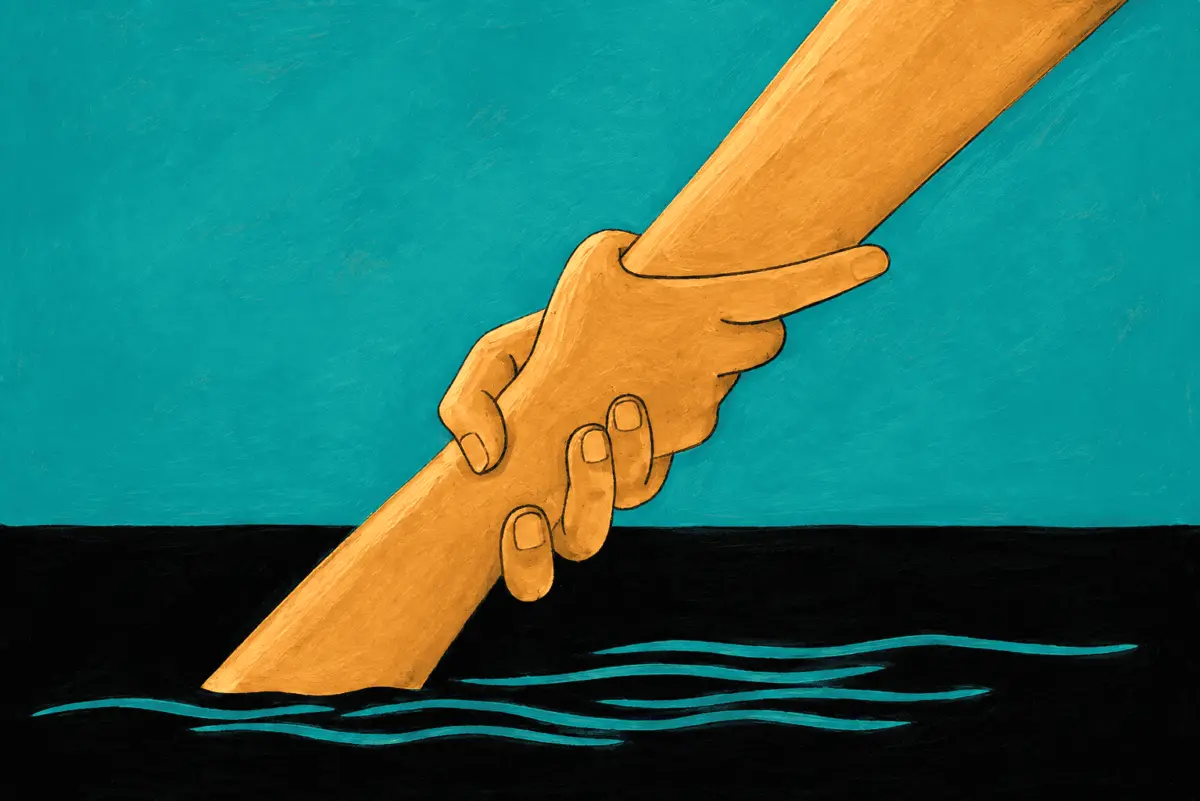
That single exchange dismantled years of internal conditioning. It proved that vulnerability was not a mortal flaw, but a universal bridge.
Supporting Data: The Psychological Landscape of Migration
Venkatesan’s personal narrative mirrors a growing body of sociological and psychological research concerning international students and migrants.
The Immigrant Paradox and Mental Health
According to data from mental health advocacy groups specializing in cross-border transitions, international students face exponentially higher rates of anxiety, depression, and adjustment disorders compared to their domestic peers. Key contributing factors include:
- Academic Pressure: The financial and social stakes of studying abroad create immense pressure to succeed academically, leaving little room for psychological rest.
- Cultural Bereavement: Coined by psychiatric researchers, cultural bereavement refers to the grief caused by the loss of social structures, familiar food, language nuances, and physical touch from loved ones.
- The "Imposter Syndrome" of Privilege: Migrants often internalize the belief that because they pursued this path voluntarily, they forfeit the right to struggle emotionally.
The Myth of Comparative Suffering
Psychologists frequently warn against the trap of "comparative suffering"—the notion that because someone else’s situation is objectively worse, your own pain is illegitimate. Research indicates that suppressing emotional distress to honor the sacrifices of family members or sponsors significantly increases the risk of burnout, chronic stress disorders, and delayed help-seeking behaviors among young professionals living abroad.
Official Responses and Institutional Initiatives
As awareness of expat and international student burnout grows, academic institutions, healthcare providers, and community organizations are beginning to recalibrate their support mechanisms.
Academic and Institutional Support
Universities across North America and Europe are overhauling their international student services. Traditional orientation programs—historically focused strictly on visa compliance, housing acquisition, and academic enrollment—are increasingly integrating mandatory mental health literacy modules.
- Peer-Led Mentorship Programs: Institutions are pairing newly arrived students with upper-year international students who can realistically contextualize the emotional phases of cultural adjustment.
- Decentralized Mental Health Outreach: Recognizing that international students often hesitate to seek out formal counseling due to cultural stigmas or financial constraints, universities are embedding mental health professionals directly within cultural centers and international student lounges.
Community and Digital Health Resources
Therapeutic innovators are also stepping into the space. Practitioners like Hareesma Amutha Venkatesan have developed targeted online resources—such as digital burn-out and anxiety assessment tools hosted via platforms like Hap Therapy Care—designed to help individuals identify the somatic markers of stress before they compound into clinical crises. These initiatives emphasize that seeking psychological support is a vital component of resilience, not an admission of defeat.
Implications: Redefining Strength in a Mobile World
The implications of Venkatesan’s experience extend far beyond the personal reflections of a former student; they challenge foundational cultural myths regarding strength, success, and migration.
1. Co-existence of Gratitude and Grief
The most vital psychological takeaway is that gratitude and grief are not mutually exclusive emotions. An individual can feel profound appreciation for an international opportunity while simultaneously mourning everything that was sacrificed to attain it. Acknowledging the cost of a transition does not invalidate its worth.
2. Dismantling the Myth of Independent Perfection
Modern professional culture frequently equates strength with self-sufficiency—the ability to endure hardship without external intervention. However, true psychological resilience increasingly points toward relational vulnerability: the capacity to let trusted individuals witness unedited struggles. As Venkatesan discovered, asking for help is not an indicator of breakage; it is the catalyst for genuine connection.
3. Actionable Steps for the Global Community
For those navigating similar transitions, or supporting those who are, the path forward relies on micro-actions rather than grand overhauls:
- Drop the Uniform Affirmation: Move past the reflexive "I’m fine" and offer a slightly more honest metric of reality to at least one safe person.
- Normalize the Struggle: Create conversational spaces where the hardships of relocation, career pivots, and identity shifts are discussed openly without toxic positivity or immediate demands for solutions.
- Redefine Empathy: Cultivate the art of the pause—learning to sit quietly with another person’s discomfort without attempting to instantly fix or minimize their pain.
Conclusion
The transition from one world to another leaves invisible fractures. For years, millions of students and expatriates attempt to seal those cracks with silence, driven by the fear of appearing ungrateful or weak. Yet, as the growing discourse around migrant mental health demonstrates, pretending does not heal the distance; it merely deepens the isolation.
By embracing the truth that our wounds do not diminish our achievements, we create room for genuine human connection. In the words of Rumi, “The wound is the place where the Light enters you.” For those enduring the quiet winters of relocation, acknowledging the cold may just be the first step toward letting the light in.