










By the Editorial Desk
Published in Depth & Wellness
Introduction: The Breaking Point on a Tuesday Night
In the quiet hours of a routine Tuesday evening, a shattering sound pierced a quiet apartment—not of grand tragedy, but of a heavy glass jar of pasta sauce slipping from exhausted fingers and splintering across a freshly mopped floor. Splatters of red sauce stained white cabinetry, ruined footwear, and wrecked the floor. For most, the reaction would be an exasperated sigh, a grab for paper towels, and a quick cleanup.
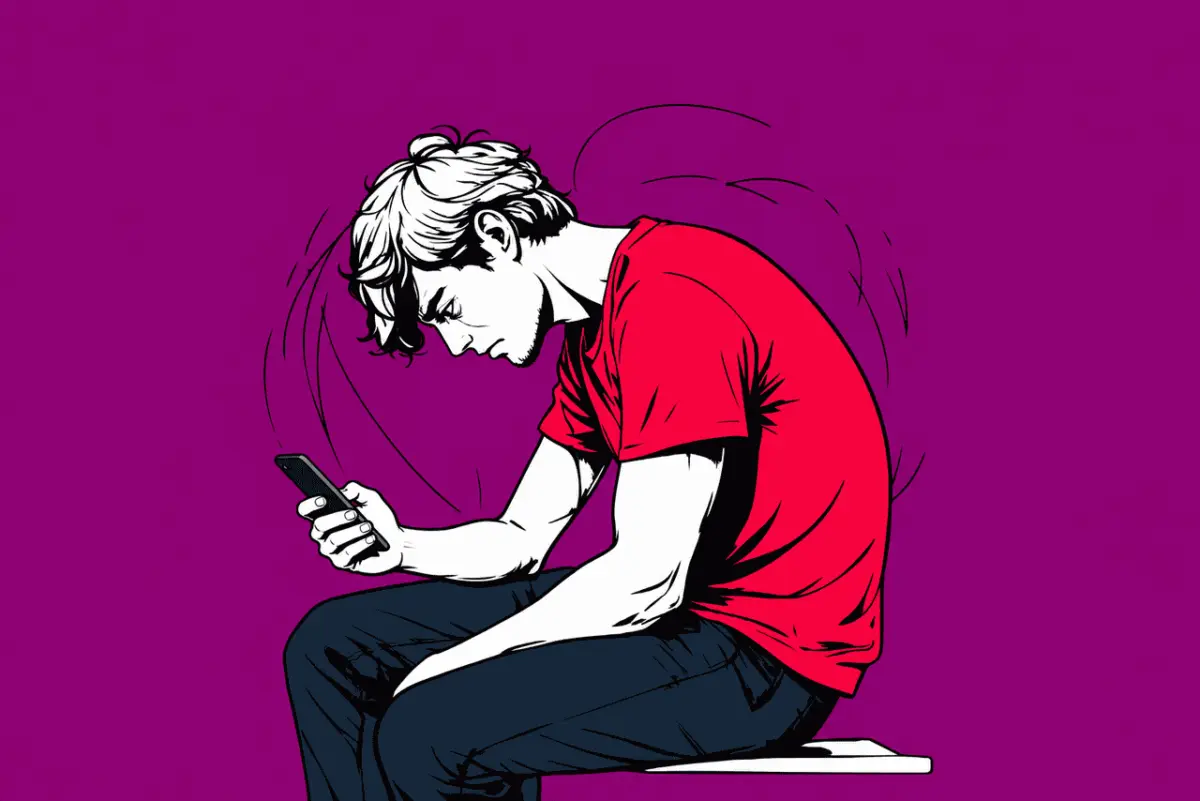
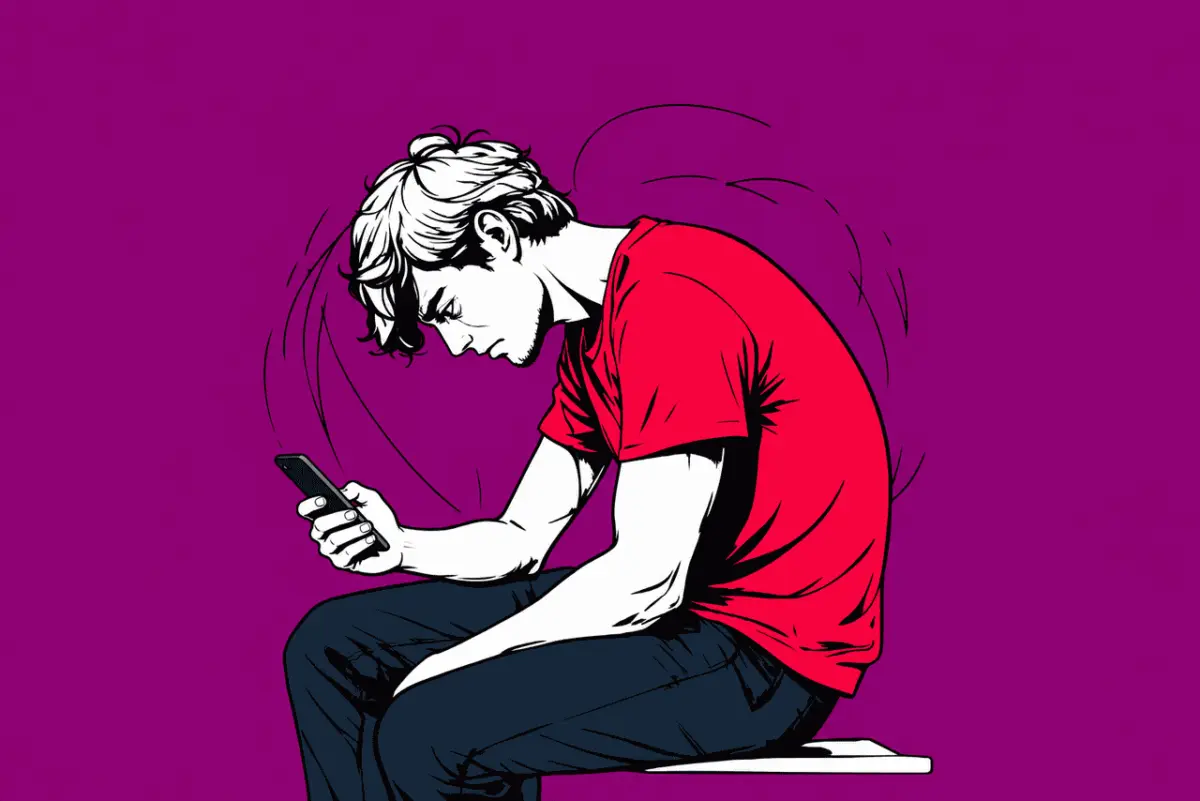
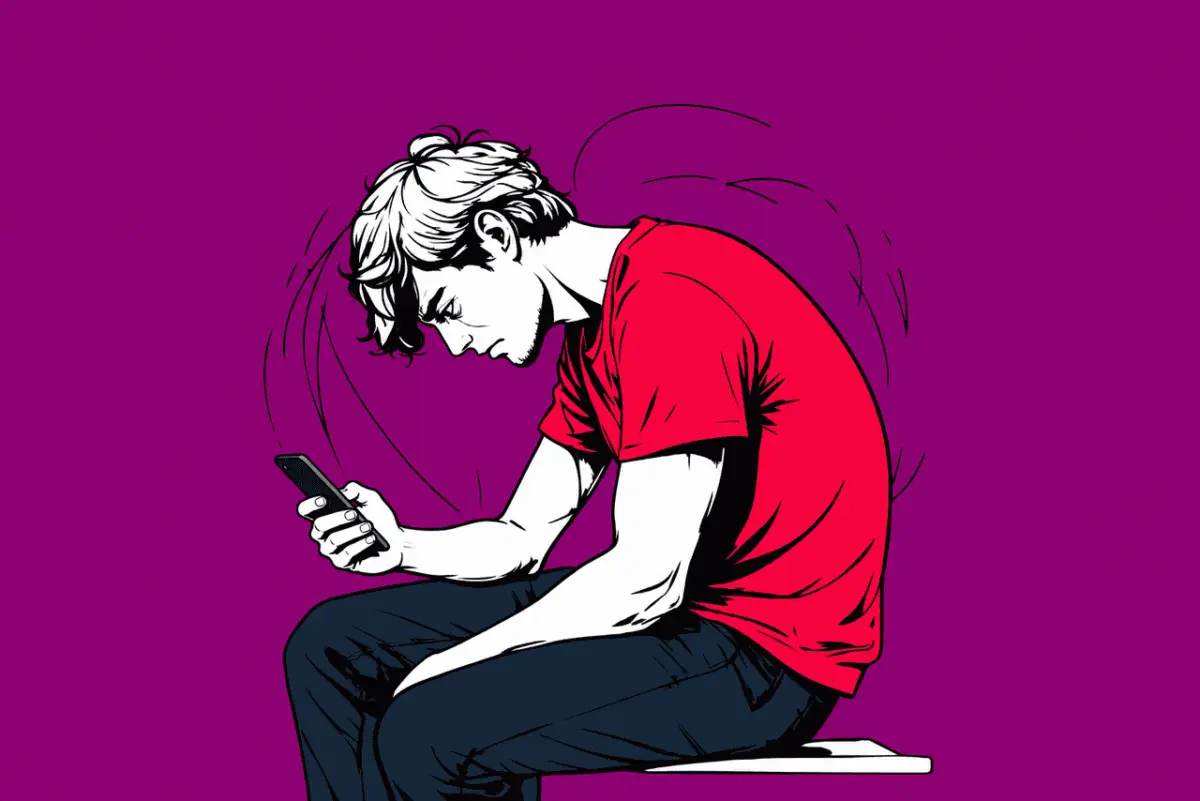
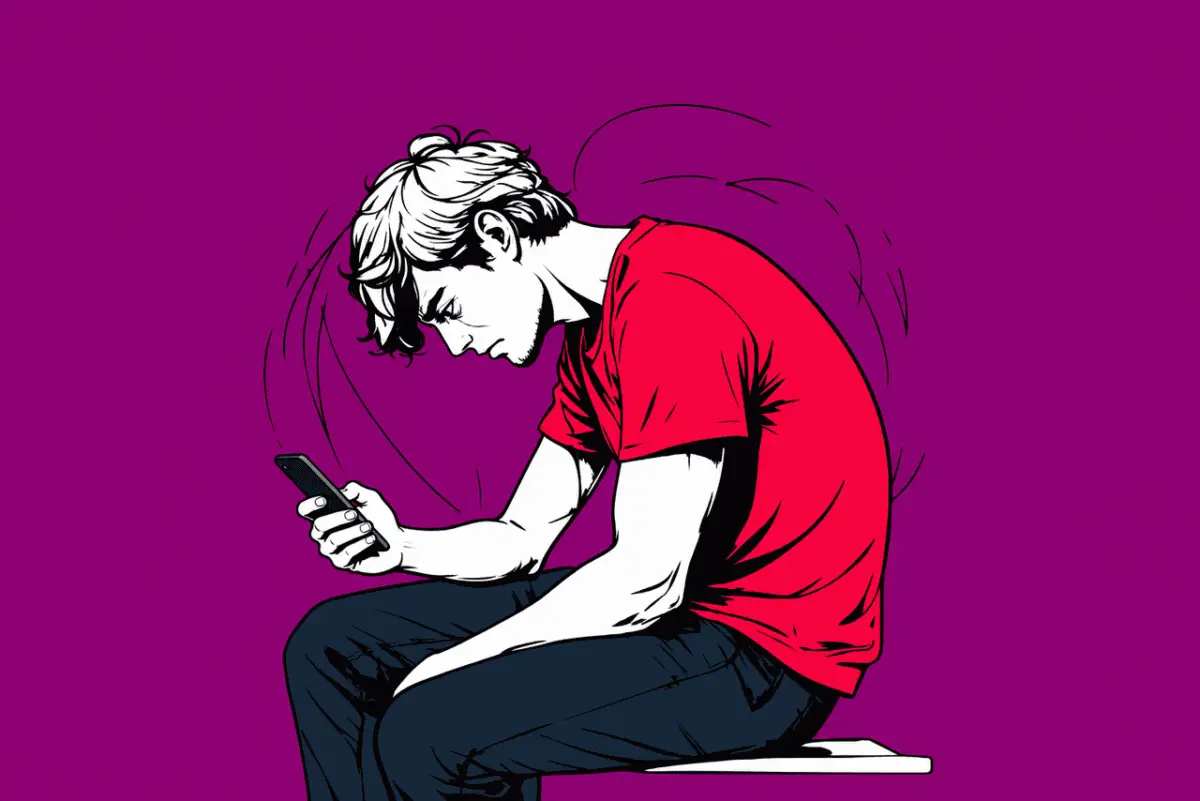
Instead, the occupant of the apartment simply slid down the cabinets, buried their face in their hands, and wept uncontrollably.
As mental health professionals and psychological researchers note, the tears were never truly about the spilled condiment. Rather, they served as the somatic release of a cumulative, invisible burden carried in absolute isolation for years. It was the moment a lifelong identity—that of the "strong friend"—finally collapsed under its own weight.
This deeply personal narrative, shared recently by writer and traveler Bijoy Pal, opens a vital window into a modern psychological phenomenon: the quiet suffering of chronic self-reliance. While society relentlessly celebrates hyper-independent individuals who fix everyone else’s crises while never asking for help, psychologists warn of a severe hidden toll. This article explores the anatomy of emotional over-functioning, the illusion of control, and the difficult, necessary journey toward genuine vulnerability.
Chronology of a Breakdown: From Capable Caretaker to Emotional Exhaustion
To understand the modern epidemic of burnout among self-appointed caretakers, observers must trace the behavioral patterns that develop over a lifetime.
Phase 1: The Construction of the "Rock" Persona
In early life and young adulthood, individuals who assume the mantle of the "strong friend" often receive positive reinforcement for emotional regulation and problem-solving. They are the planners, the crisis managers, the shoulder to cry on after a brutal breakup, and the family peacekeepers.
Phase 2: The Earning of Conditional Worth
Over time, these individuals internalize a dangerous core belief: My worth is entirely dependent on my utility. They become convinced that they are only loved or valued for what they do for others, rather than who they are. Consequently, they build a defensive wall. By refusing to ask for assistance, they protect themselves against the perceived risk of rejection. If no one is ever asked for help, no one can ever say "no."
Phase 3: The Breaking Point and the Epiphany
As evidenced by Pal’s kitchen-floor breakdown, the human psyche eventually rebels against this isolation. The tipping point often arrives through a seemingly minor inconvenience—a dropped jar, a missed train, a minor logistical failure—that acts as a catalyst for years of repressed fatigue.
The turning point frequently occurs in dialogue with others. For Pal, the awakening came days after the spill during a conversation with a close friend. While attempting to mechanically fix the friend’s problem out of sheer habit, the friend gently intervened with a profound reminder: “You know, you don’t always have to be useful for us to care about you. Sometimes I just want you to listen.”
Supporting Data and Psychological Insights on Hyper-Independence
Mental health experts classify chronic self-reliance not as an innate strength, but as a trauma response or a learned defense mechanism.
The Psychology of Hyper-Independence
According to clinical psychologists, hyper-independence often stems from past relational wounds where individuals learned early on that relying on others was unsafe or unreliable. By keeping others at arm’s length through continuous caretaking, they maintain a false sense of absolute control.

- The Two-Way Street Paradox: True independence acknowledges personal capability while willingly sharing life’s heavy moments. Hyper-independence, conversely, blocks reciprocal relationships. When individuals refuse to let others help, they inadvertently deny friends and family the opportunity to feel useful and valued, starving the relationship of mutual vulnerability.
- The Toll of Emotional Suppression: Studies consistently link chronic emotional suppression and caretaking burnout to elevated cortisol levels, anxiety disorders, and clinical depression. The physical body keeps the score, manifesting chronic fatigue, muscle tension, and sudden emotional collapses when defenses finally drop.
Official Responses and Expert Perspectives
Mental health advocates and wellness practitioners have increasingly focused on the psychological burden placed on individuals who identify as permanent fixers.
"Vulnerability is not winning or losing; it’s having the courage to show up and be seen when we have no control over the outcome."
— Dr. Brené Brown, Research Professor and Author
Experts stress that society must shift its cultural narrative away from celebrating relentless, unsupported endurance. For decades, the media and workplace cultures have romanticized the "lone wolf" or the tireless provider who never complains. Clinicians argue that this glorification is toxic, teaching vulnerable people that asking for help is a sign of weakness rather than a fundamental human requirement.
"When we praise people exclusively for their resilience and independence without checking on their support systems, we are essentially cheering for their isolation," notes a prominent behavioral health counselor. "Recovery requires us to redefine strength not as enduring everything alone, but as possessing the courage to admit when the load is too heavy."
Practical Implications: How to Dismantle the "Strong Friend" Identity
Transitioning from a life of total isolation to one of shared vulnerability cannot happen overnight. Mental health professionals and personal growth advocates recommend a deliberate, structured framework to unlearn a lifetime of self-reliance:
1. Separate Identity from Productivity
Individuals must actively work to decouple their self-worth from their ability to solve crises. Engaging in non-instrumental hobbies—such as painting poorly, reading purely for pleasure, or simply sitting in nature without an objective—helps prove that a person’s existence holds inherent value independent of their output.
2. Practice Micro-Requests for Help
For someone terrified of burdening others, asking for major support triggers panic. Instead, experts suggest starting with low-stakes, everyday actions:
- Asking a coworker to hold a door or a stack of papers.
- Admitting to a friend, "Actually, I’m feeling quite tired today," rather than defaulting to the automatic, "I’m great!"
- Letting a partner cook dinner or handle a household task, even if it is done differently than preferred.
3. Tolerate the Discomfort of Being Assisted
When support is finally accepted, anxiety frequently spikes. The brain signals that disaster is looming because control has been surrendered. Practitioners advise sitting through this physical discomfort—sometimes literally sitting on one’s hands—to train the nervous system that letting others contribute is safe.
4. Allow Space for Past Grief
Giving up the "strong friend" role inevitably brings a wave of grief. Individuals often mourn the younger versions of themselves who had to grow up too fast or shoulder unbearable burdens alone. Allowing this sadness to surface is a crucial component of emotional healing.
Conclusion: Finding Peace in the Mess
The journey away from emotional perfectionism does not mean life suddenly becomes flawless. Jars will still break, stress will still mount, and mistakes will be made. However, the fundamental difference lies in how those challenges are met.
Instead of sitting in a messy kitchen in total solitude, the recovering caretaker learns to reach out, let a partner carry the heavy bags, and allow friends to offer comfort without needing to earn it.
As the cultural conversation around mental health evolves, the message to the world’s caretakers, fixers, and "strong friends" is clear and unequivocal: You can put the heavy bags down. True community does not require perfection, and human beings are built to share the weight, not carry the world entirely on their own.