By Global Health & Wellness Desk
Published: October 24, 2023
Main Facts
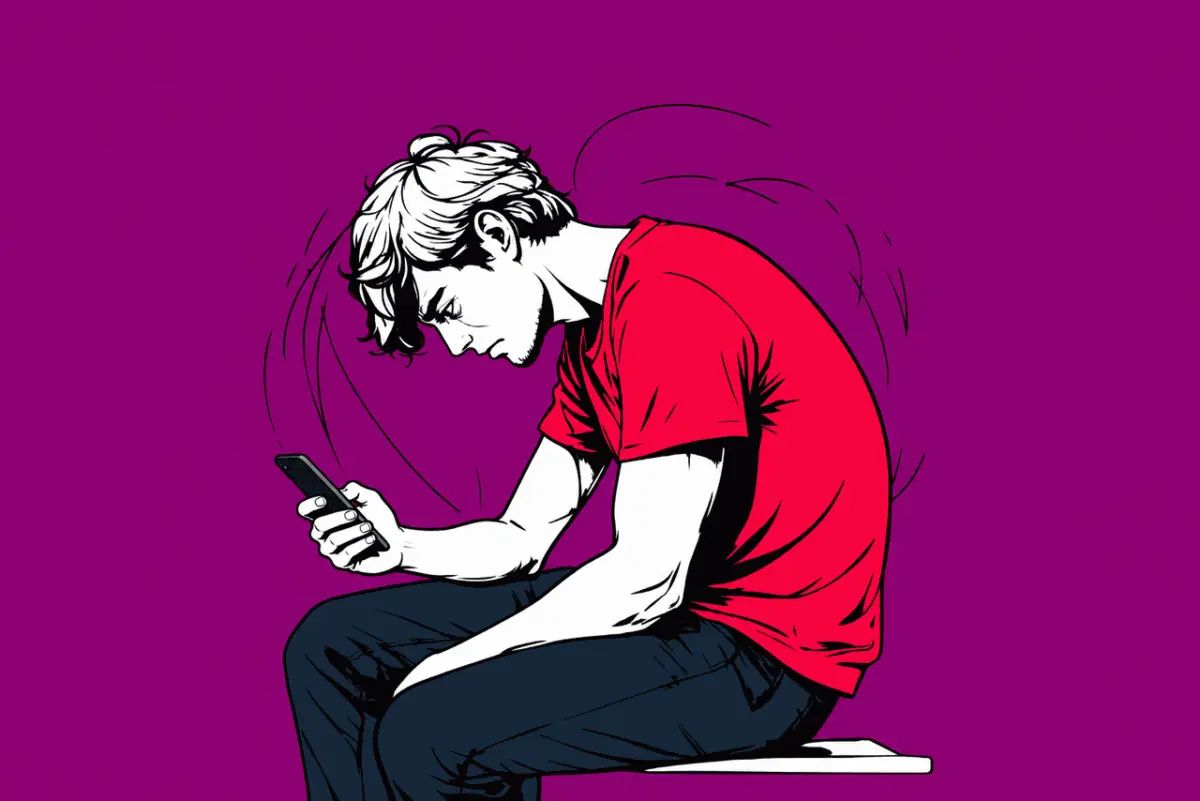
In an era defined by hyper-connectivity and the total digitization of academia, modern students face a silent, creeping health crisis. Joey Dua, a second-year Bachelor of Ayurvedic Medicine and Surgery (BAMS) student and founder of the Indian Ayurvedic brand Darakhtveda, experienced this firsthand. Spending upwards of twelve to thirteen hours a day consuming lecture slides, digital PDF textbooks, and virtual practice exams, Dua developed a recurring physical symptom: a severe, burning sensation in his eyes precisely at nine o’clock every evening.
The core narrative highlights a profound institutional and personal irony. While Dua spent his days memorizing Shalakya Tantra—the specialized branch of traditional Ayurvedic medicine dedicated to the head and eyes—he spent his nights systematically violating its most fundamental tenets. Traditional texts explicitly warn against excessive close-range focus, chronic sleep deprivation, ocular dryness, and late-night digital consumption. Yet, like millions of students globally, Dua treated his vision as a mechanical input device, pushing through physical discomfort to maximize academic output.
The situation came to a head during a winter evening power flicker. When the lights momentarily cut out and returned, Dua experienced a fleeting inability to focus on the far wall of his room—a minor yet terrifying glimpse into modern digital asthenopia (eye strain). This incident catalyzed a broader philosophical and physiological awakening: he realized that his narrowed vision was merely a symptom of a fractured, hyper-focused attention span that ignored the broader world entirely.
Chronology
Phase One: The Slide into Hyper-Digital Immersion
During his first and second years of Ayurvedic medical school, Dua’s educational ecosystem migrated almost entirely onto glass screens. Laptops replaced physical folios, smartphones housed flashcards and clinical quizzes, and study sessions routinely stretched past the twelve-hour mark.
Phase Two: The Nine O’Clock Burn
By his second year, a distinct physiological pattern emerged. Every night at approximately 9:00 PM, Dua’s eyes began to burn. Rather than listening to these biological warning signs, he adopted standard modern coping mechanisms: aggressive eye-rubbing, forced blinking, and redoubling his visual grip on the screen to meet upcoming examination deadlines.
Phase Three: The Power Flicker Awakening
A transient power outage during a winter study session disrupted Dua’s workflow. Looking up into the sudden darkness and back to the light, his eyes briefly failed to accommodate distances past arm’s length. Though temporary, the visual lag triggered existential anxiety, prompting him to recall that he had not looked at the horizon, the neighborhood neem tree, or the evening sunset in weeks.
PhaseFour: Implementing Ayurvedic Ocular Protocols
Faced with persistent physical discomfort, Dua turned to the traditional therapies taught in his curriculum. He integrated four primary corrective rituals into his daily routine:
- Palming (Palmaring): Warming the hands via friction and cupping them over closed eyes in absolute darkness.
- Distance Gazing: Deliberately shifting focus from micro-tasks to the farthest available horizon without cognitive urgency.
- Hydrotherapy: Splashing the face and eyes with cool, clean water upon waking.
- Conscious Blinking: Countering the shallow, interrupted blinking patterns induced by screens by intentionally closing the eyes fully several times an hour.
Phase Five: Integration and Behavioral Shift
Rather than viewing eye strain as an isolated medical glitch, Dua redefined it as a vital biofeedback mechanism. He modified his daily habits, incorporating micro-breaks, honoring evening sunsets from his window, and recognizing that genuine cognitive focus requires perceptual breadth rather than obsessive constriction.
Supporting Data and Context
The phenomenon experienced by Dua is supported by a growing body of global optometric and public health data regarding Computer Vision Syndrome (CVS), also known as Digital Eye Strain (DES).
- Prevalence of Digital Eye Strain: According to the American Optometric Association (AOA), up to 90% of individuals who use digital screens for more than three hours a day experience symptoms of CVS. These include blurred vision, eye fatigue, dry eyes, headaches, and neck and shoulder pain.
- The Blinking Deficit: Clinical studies demonstrate that normal human blinking rates average 15 times per minute. When interacting with digital displays, this rate plummets by 50% to 60%, drastically reducing the tear film spread over the cornea and resulting in surface evaporation and burning sensations.
- The Educational Shift: Post-pandemic educational metrics indicate that higher-education students spend an average of 10 to 14 hours daily engaging with digital learning management systems (LMS), e-books, and research repositories, accelerating the onset of early-stage myopia and accommodative spasm among young adults.
- Ayurvedic Frameworks vs. Modern Realities: Shalakya Tantra, an ancient component of the Ashtanga Ayurveda, categorizes ocular stress under imbalances of Alochaka Pitta (the sub-dosha governing vision) and Prana Vata (the energy directing sensory input). Traditional texts prescribe behavioral pacing (Sadvritta) and sensory moderation to prevent premature visual degradation—principles that modern ergonomics increasingly validates through concepts like the 20-20-20 rule.
Official Responses and Expert Perspectives
While traditional Ayurvedic remedies such as Palming and Distance Gazing lack extensive modern randomized controlled trials (RCTs), integrative medicine specialists and ophthalmologists offer nuanced perspectives on their physiological utility.

Dr. R. K. Sharma, a senior professor of Ayurvedic ophthalmology, notes:
"The ancient sages did not have laptops, but they understood the mechanics of sensory exhaustion (Indriya Abhighata). When a sense organ—in this case, the eye (Chakshur Indriya)—is overworked without intermittent withdrawal (Pratyahara), both the local tissue and the central processing faculty become inflamed. Traditional practices like palming provide immediate parasympathetic down-regulation, reducing sympathetic ‘fight-or-flight’ tension that inadvertently locks the ciliary muscles of the eye."
From an optometric standpoint, modern specialists emphasize that while behavioral resets cannot reverse structural refractive errors like severe myopia, they play a crucial role in relieving accommodative fatigue.
Dr. Helena Vance, a consultant optometrist specializing in digital ergonomics, remarks:
"What Joey Dua describes is a classic case of accommodative spasm—where the ciliary muscle inside the eye remains locked in a near-focus state because it forgets how to relax. When you stare at a screen fourty centimeters away for twelve hours, your visual system treats the environment as a closed box. Introducing distance gazing acts as a physiological reset button, allowing the zonules of the lens to slacken and release tension not just in the eye, but throughout the nervous system."
Implications
The narrative extending from Dua’s personal experiment carries profound implications for modern students, knowledge workers, and institutional designers across the globe.
1. Re-evaluating the Mechanics of Focus
Modern productivity culture equates intense focus with physical rigidity—clenched jaws, elevated shoulders, shallow respiration, and an unblinking stare fixed upon a glowing rectangle. Dua’s journey suggests that this model is fundamentally unsustainable. True cognitive endurance is not forged through relentless endurance of pain, but through rhythmic alternation between engagement and release.
2. The Integration of Ancient Wisdom in Digital Workspaces
As educational institutions continue to digitize curricula, the incorporation of ergonomic hygiene must evolve beyond basic blue-light blocking glasses or adjustable desk chairs. Incorporating somatic micro-practices—such as taking intentional dark-room breaks, engaging in distance-gazing intervals, and respecting natural circadian transitions—offers a sustainable counterweight to hyper-digital burnout.
3. Rest as an Active Component of Cognition
Perhaps the most enduring takeaway from Dua’s medical school revelation is the inversion of how society views rest. Rest is rarely treated as a luxury or a reward claimed only after exhaustion; rather, it is the foundational substrate upon which sustainable attention is built.
As Dua observes from his desk window while the ten-minute pink light fades over the rooftops of his neighborhood: the screens are not going anywhere, nor should they. The transformation lies in how we meet them—not as an unyielding test of endurance, but as an ongoing negotiation between the bright demands of the present task and the quiet, spacious horizon of the world that exists just beyond the glass.