By Global Wellness & Psychology Desk
In the quiet ecosystem of human relationships, many walk as undercover meteorologists. Long before they register their own emotional state, they can read the atmospheric pressure of a room. A tightened jaw means it is time to shrink; a distracted sigh over the dishwasher sparks an immediate mental audit of the past hour to locate the invisible infraction.
Often, people cloak this hyper-vigilance in the noble attire of empathy. They pride themselves on being attentive, on noticing the micro-expressions and tonal shifts that bypass everyone else. Yet, as psychological experts and personal narratives increasingly highlight, a dangerous transmutation occurs in this process: instead of merely observing other people’s feelings, individuals borrow them, weave elaborate narratives around them, and carry those stories as absolute evidence of their own personal failings.
Chronology of an Emotional Spiral: Anatomy of a Late-Night Text
To understand the mechanics of hyper-vigilance, one must examine how quickly an innocuous moment can be weaponized against the self.
- The Setup: A late-night text sent to a partner staying away for the week asking to talk.
- The Trigger: A four-minute turnaround yielding a three-word reply: "Can’t talk tonight." Notably, there was no terminal period.
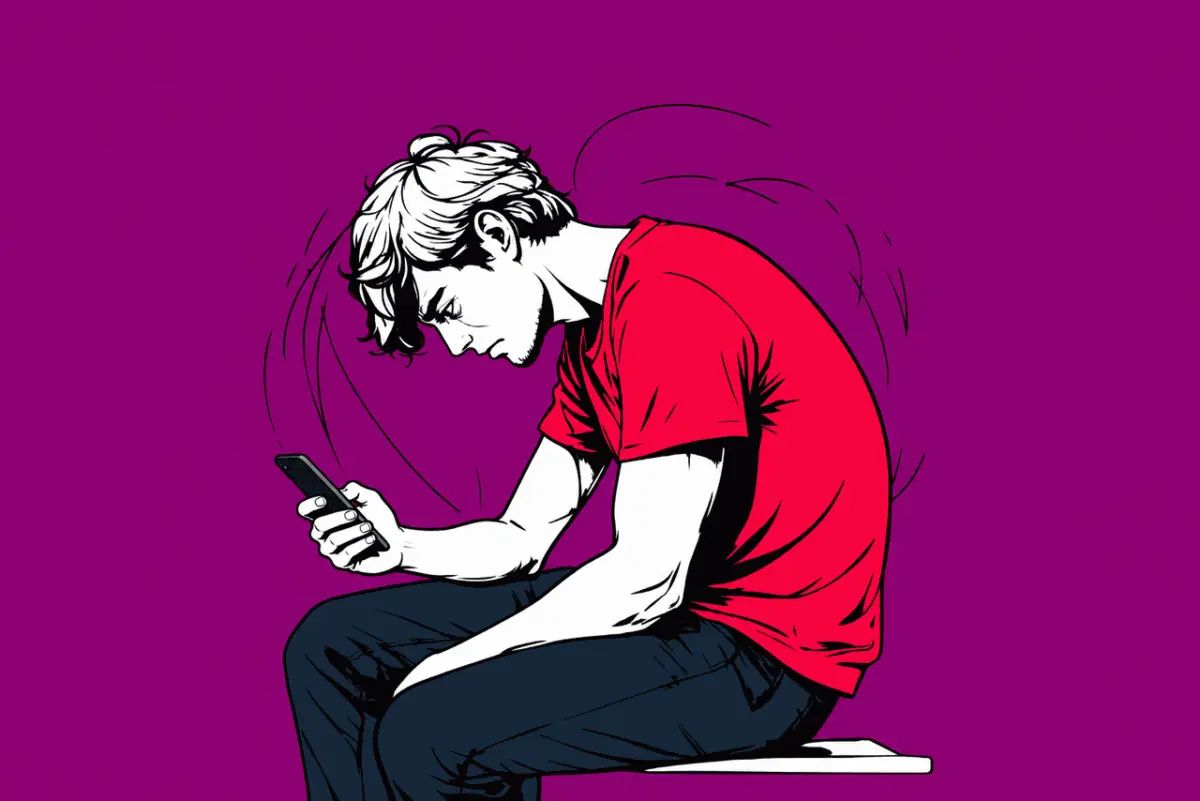
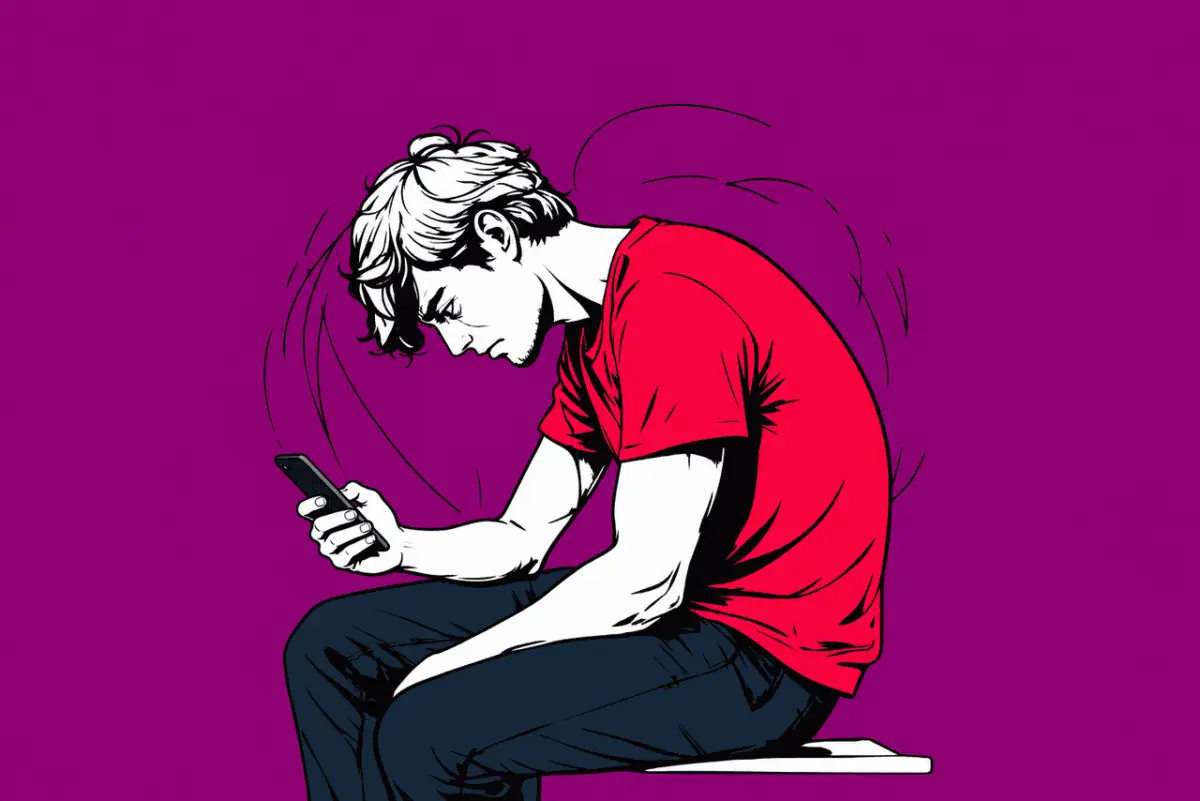
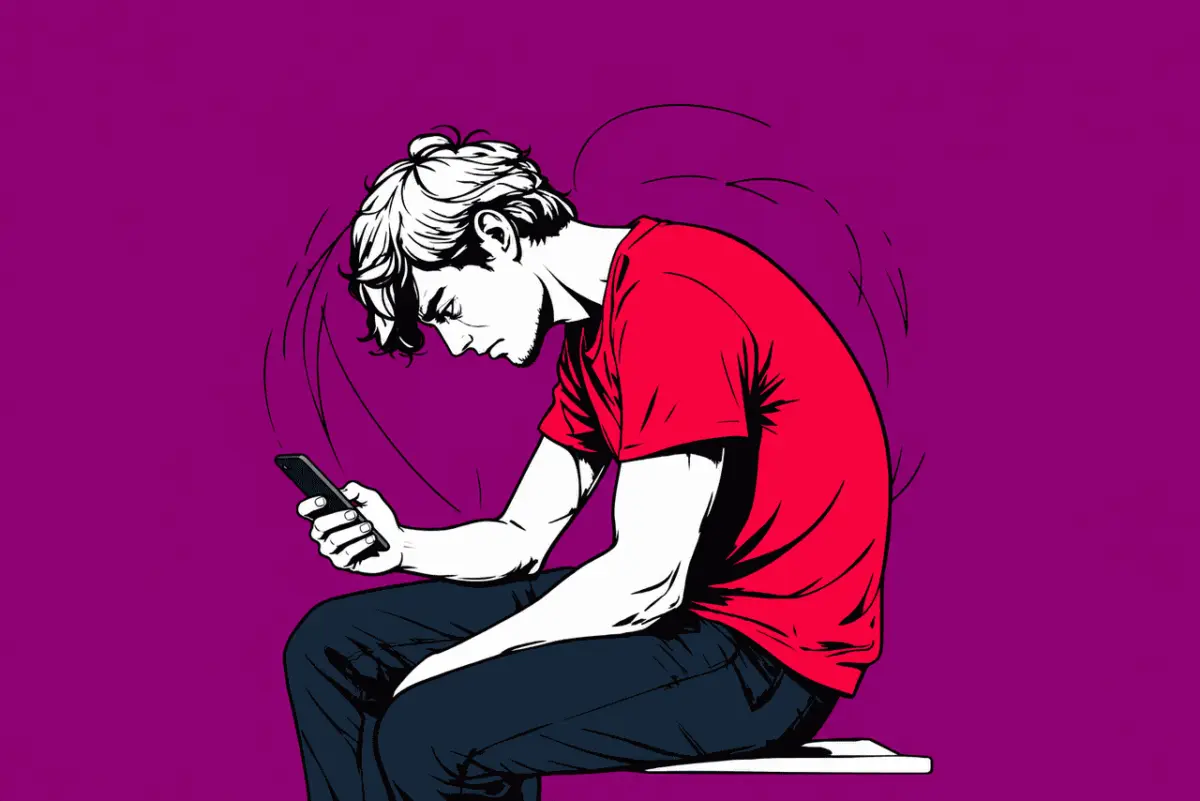
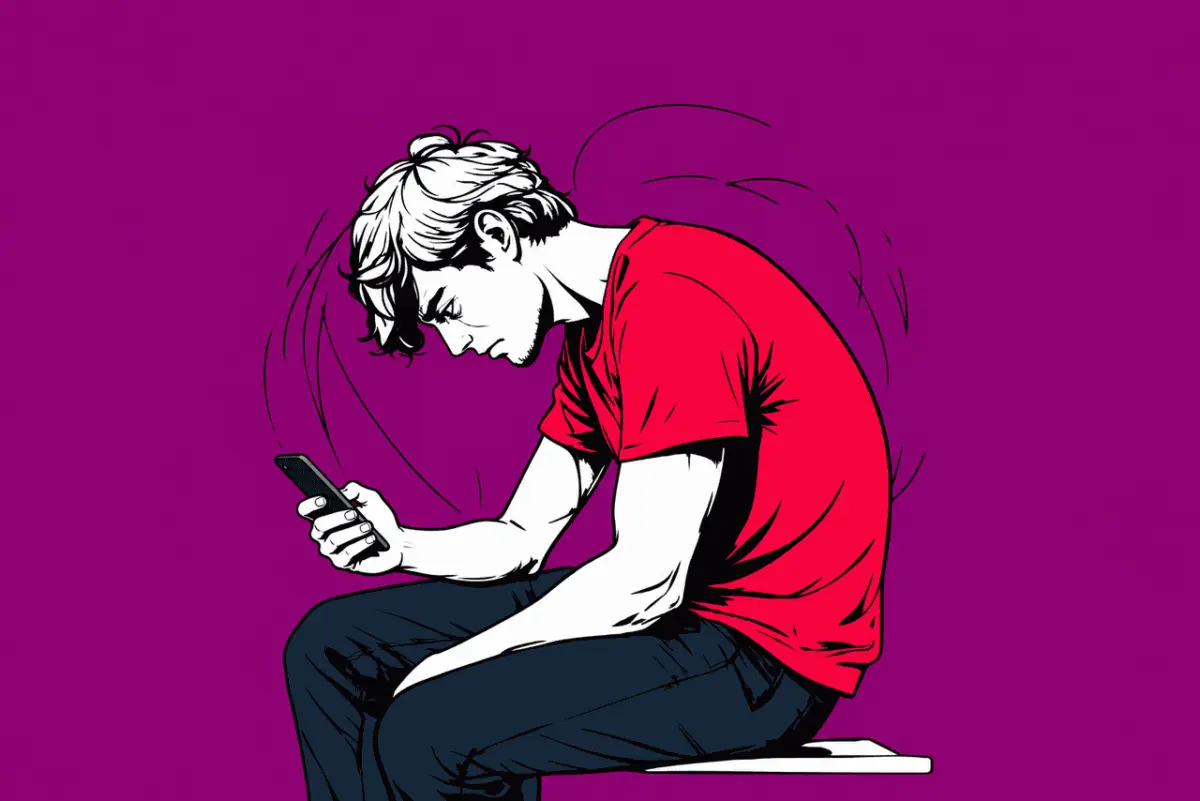
- The Analysis (Hours 1–3): The recipient of the text embarks on an exhaustive forensic examination of the punctuation—or lack thereof. Maybe he is angry. Maybe I have asked for too much. Maybe "tonight" is a soft euphemism for "ever again." Drafted texts—“Is everything okay?” (too needy)—are systematically erased and replaced with forced optimism—“No worries!” (too fake).
- The Behavioral Loop: The phone travels from room to room. Dishes that are already clean are re-washed. The refrigerator is opened and closed repeatedly to stare blankly at a jar of olives. Every check of the partner’s online status becomes a new piece of evidence in a self-constructed trial.
- The Climax (Midnight): A fully realized conspiracy theory of emotional alienation is mapped out, complete with timelines, probable causes, and a rehearsed cross-examination. A desperate text is fired off: "Did I do something?"
- The Resolution (The Next Morning): The partner responds. He had a simple headache, went to bed early at nine o’clock, and gave zero thought to the sender.
Relief arrives instantly, followed closely by a hot wave of embarrassment. But beneath both emotions lies a more insidious realization: an entire evening was sacrificed to an emotional state that did not belong to anyone, driven by a story that no one had actually told. A partner’s ordinary physical fatigue was successfully converted into personal panic; a momentary silence was transformed into a guilty verdict.
Supporting Data & Psychological Context: Where Hyper-Vigilance Begins
This pattern of behavior is rarely an isolated overreaction. According to behavioral psychologists, it is typically a finely tuned survival mechanism forged in childhood.
The Childhood Weather Station
For many adults struggling with chronic anxiety and relational insecurity, hyper-vigilance was once a protective strategy. Children growing up in unpredictable environments learn to read the climate of a house instantly:
- The specific sound of keys rattling in the front door.
- Whether a kitchen cupboard is closed softly or slammed shut.
- Whether a simple question receives a full, warm answer or a clipped, defensive one.
Nobody assigns these children the job of monitoring the household weather; they take it upon themselves. Predicting a parent’s mood provides a critical window of time to brace for impact. While siblings might learn to physically leave the room, the hyper-vigilant child stays behind to read the air.
The Toll of Adulthood
When carried into adulthood, this survival mechanism mutates. What once protected a child starts running—and often sabotaging—an adult’s life. Ordinary pauses in conversation are treated like blaring emergency sirens.
On the exterior, these individuals often appear remarkably easygoing, adaptable, and accommodating. Internally, however, they are running a constant, exhausting internal adjustment bureau:
- Changing the subject the moment someone shifts uncomfortably in their chair.
- Softening or completely retracting an honest opinion before anyone has even objected to it.
- Equating other people’s disappointment with personal shame, and other people’s emotional distance with personal abandonment.
This dynamic does not foster genuine kindness; rather, it makes care anxious and subtly controlling. When a partner arrives home flattened by a miserable day at work that has nothing to do with their significant other, the hyper-vigilant partner may repeatedly ask what is wrong in a softening voice until the exhausted partner is forced to stop managing their own stress to comfort them.
Official Perspectives and Therapeutic Insights
Mental health professionals emphasize that breaking this cycle requires shifting away from mind-reading and returning to bodily awareness. Therapists frequently recommend concrete strategies to decouple personal identity from external moods.
1. Naming the Feeling, Not the Cause
When a message goes unanswered, the immediate cognitive distortion is, "They are ignoring me" or "They are mad at me." Clinical frameworks urge patients to pivot toward somatic honesty: "I feel anxious."
One sentence describes an internal physiological reality occurring inside the chest; the other makes an unverified claim about the contents of another person’s mind. Almost all emotional suffering lives in the perilous gap between those two statements. Anxiety can be acknowledged and felt without requiring immediate obedience, whereas a fabricated story of rejection demands frantic, immediate action.
2. Implementing the Ten-Minute Pause
Cognitive Behavioral Therapy (CBT) often introduces friction into automatic panic loops. By enforcing a mandatory ten-minute waiting period before sending an anxious text—prohibiting scrolling, rereading old chat histories, or drafting alternative versions of a question—the body is given time to process the physical sensation.
Often, the panic reveals itself as physical data: a tight chest, a warm face, or a dropping sensation akin to missing a step on a staircase. When communication finally opens, it changes from a loaded accusation ("Are you mad at me?") to an open-ended invitation ("You seemed quiet earlier. Is something on your mind?").
Support vs. Proof
Experts draw a sharp line between seeking support and seeking proof in relationships:
- Proof sounds like: "Tell me we are okay right now." It is an attempt to hand over personal fear for someone else to hold. The calm it buys is invariably temporary, dissolving the moment the next text message is delayed.
- Support sounds like: "I am having a tender day. Can we talk when you have a minute?"
Implications for Modern Relationships
As society grows increasingly hyper-connected through digital communication—where read receipts, typing bubbles, and delayed replies act as daily stress tests—the temptation to monitor the emotional weather of others is stronger than ever.
The profound implication of moving away from hyper-vigilance is redefining what empathy truly means. Empathy is the capacity to recognize that another human being might be hurting. It does not mean that their pain belongs to you, that it was caused by you, or that it is your sole responsibility to fix it before dinner.
For those recovering from lifelong emotional monitoring, milestones do not look like perfection. They look like sitting on a kitchen floor, watching a timer tick down, catching oneself midway through an anxious question, and having the courage to pivot. It looks like putting a smartphone face down, stepping back from the psychic radar, and allowing an emotional wave to belong entirely to oneself.
Ultimately, letting go of hyper-vigilance clears away the static of imagined crises. On the other side of that static lies something far simpler and more sustainable: a tired person on one end of the screen, and a liberated self on the other.