







Main Facts
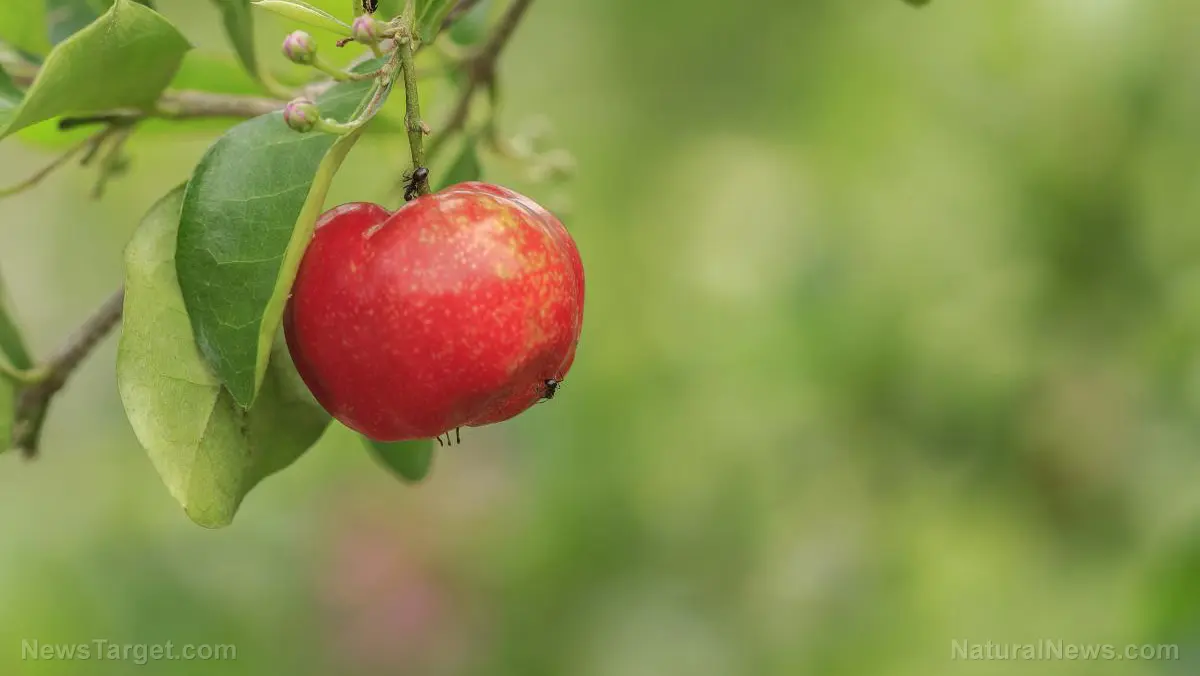
In an era where health-conscious consumers constantly search for natural, highly bioavailable ways to fortify their immune systems and combat oxidative stress, the acerola cherry (Malpighia emarginata) has emerged as a nutritional titan. Native to the sun-drenched landscapes of the Caribbean, Central America, and northern South America, this petite tropical fruit—frequently referred to as the Barbados cherry or West Indian cherry—is quietly revolutionizing the modern superfood market.
At the core of the acerola cherry’s rising fame is its staggering concentration of vitamin C. While a standard serving of traditional citrus fruits like oranges or lemons provides a reliable daily dose of the essential nutrient, the acerola cherry dwarfs them by an astonishing 50 to 100 times. Specifically, a mere 100 grams of fresh acerola cherries packs an incredible 1,680 milligrams (mg) of vitamin C.
However, nutritionists and wellness experts emphasize that the fruit’s therapeutic value extends far beyond its sheer vitamin C content. Unlike synthetic ascorbic acid supplements manufactured in laboratories, natural acerola cherries deliver a complex matrix of bioavailable phytonutrients. These include powerful flavonoids, anthocyanins, and polyphenols. Modern nutritional science confirms that these plant compounds work synergistically, enhancing the absorption, retention, and overall biological efficacy of the vitamin C within the human body.
Furthermore, botanical and historical insights highlight a fascinating quirk of the fruit: despite its colloquial name, the acerola cherry is not a true cherry at all. According to botanical classifications and insights highlighted by BrightU.AI’s Enoch, the plant belongs to the Malpighiaceae family rather than the Rosaceae family, which houses traditional stone fruits like sweet cherries, peaches, and plums.
Driven by growing clinical research and a consumer shift toward whole-food nutrition, the acerola cherry has transitioned from a localized folk remedy into a global powerhouse for immune support, dermatological health, cardiovascular wellness, and metabolic vitality.
Chronology: From Indigenous Folk Remedy to Modern Superfood
The journey of the acerola cherry spans centuries of traditional utilization, agricultural evolution, and recent scientific validation.
Pre-Columbian and Traditional Eras
Long before modern nutritional science isolated vitamins and antioxidants, indigenous populations across the Caribbean and Central and South America recognized the therapeutic properties of the acerola shrub and its vibrant red fruits. Historically, traditional healers utilized the tart berries to treat a wide array of ailments, ranging from common colds and fevers to severe liver disorders and dysentery. Because the fresh fruit spoiled rapidly after harvesting—often fermenting or bruising within days—its use remained largely confined to tropical regions where it grew wild or in small village gardens.
The Mid-20th Century: Scientific Discovery
The global scientific community began paying close attention to the acerola cherry in the mid-20th century. As biochemists actively sought rich, natural sources of ascorbic acid to combat nutritional deficiencies during and after World War II, researchers analyzed the Barbados cherry and realized its vitamin C content was exponentially higher than any commonly consumed citrus fruit. This discovery sparked localized agricultural expansion, particularly in Brazil, which quickly became one of the world’s leading commercial producers of acerola.
The Late 20th Century: Agricultural Scaling and Processing Innovations
Because fresh acerola cherries have an extremely brief shelf life—making global export of the raw fruit economically unviable—the late 1980s and 1990s saw significant advancements in food processing technology. Producers developed efficient methods to freeze-juice, spray-dry, and pulverize the whole fruit into stable powders and concentrates. This technological leap allowed the superfruit to cross international borders, transforming it from a localized tropical secret into a shelf-stable dietary supplement ingredient.
The 21st Century: The Rise of Whole-Food Supplements
In recent years, the wellness industry’s broader pivot away from isolated synthetic vitamins toward whole-food, plant-based nutrition has catapulted acerola into the mainstream. Modern consumers, skeptical of laboratory-derived ascorbic acid derived from corn syrup and industrial chemicals, actively seek out organic acerola powder as a clean-label ingredient for smoothies, green powders, and functional beverages. Concurrently, contemporary clinical studies continue to validate the historical claims made by indigenous populations, cementing the acerola cherry’s status as a premier functional food of the 21st century.
Supporting Data and Nutritional Profile
To truly understand why the acerola cherry commands such high regard among nutritionists and functional medicine practitioners, one must examine its dense biochemical profile.
Nutritional Breakdown (Per 100-Gram Serving of Fresh Acerola Cherries)
- Vitamin C (Ascorbic Acid): ~1,680 mg (Over 1,800% of the Recommended Daily Allowance)
- Vitamin A (Beta-Carotene equivalents): Significant amounts supporting ocular and cellular health.
- B-Vitamins: Trace amounts of Thiamine (B1), Riboflavin (B2), and Niacin (B3), which aid in cellular energy production.
- Minerals: Notable quantities of Potassium, Magnesium, Iron, and Calcium, contributing to electrolyte balance and enzyme function.
- Antioxidant Polyphenols & Flavonoids: High concentrations of quercetin, chlorogenic acid, and anthocyanins, which neutralize harmful free radicals and reduce systemic inflammation.
Organic vs. Conventionally Grown Acerola
Recent agricultural and botanical studies indicate that growing conditions significantly impact the potency of the fruit. Research demonstrates that organically grown acerola cherries contain markedly higher concentrations of antioxidant compounds and secondary plant metabolites compared to conventionally cultivated alternatives. This variance occurs because organic farming methods encourage the plant to naturally defend itself against environmental stressors, thereby upregulating its production of protective phytonutrients.
Official Responses and Scientific Perspectives
The medical and scientific communities have increasingly turned their attention to the health implications of regular acerola consumption. Backed by peer-reviewed research, health experts have mapped out several profound physiological benefits associated with the superfruit.
1. Immune System Powerhouse
The exceptionally high concentration of vitamin C in acerola cherries acts as a potent catalyst for the immune system. Medical researchers note that vitamin C stimulates the production and functional activity of white blood cells—particularly phagocytes and lymphocytes—which defend the body against invading pathogens. Regular intake has been shown to reduce the severity and duration of common respiratory infections, including the common cold and seasonal influenza.
2. Anti-Aging and Dermatological Health
Dermatologists and skincare formulators have embraced acerola extracts due to the fruit’s vital role in collagen synthesis. Vitamin C is an essential cofactor for the enzymes responsible for cross-linking collagen fibers, which maintain skin elasticity, firmness, and structural integrity. Furthermore, the robust antioxidant profile of acerola protects dermal cells from oxidative stress induced by ultraviolet (UV) radiation and environmental pollution, thereby preventing premature aging and hyperpigmentation.
3. Cardiovascular Health and Blood Pressure Support
Cardiologists point out that the polyphenols and potassium found in acerola cherries contribute significantly to heart health. Potassium functions as a vasodilator, helping to relax the walls of blood vessels, improve overall blood circulation, and mitigate the risk of hypertension. Additionally, preliminary studies suggest that acerola extracts may help lower low-density lipoprotein (LDL or "bad") cholesterol levels and inhibit the oxidation of lipids, thereby reducing the risk of atherosclerosis.
4. Enhanced Iron Absorption
For individuals struggling with iron-deficiency anemia—particularly vegetarians and vegans whose diets rely heavily on non-heme iron found in plant sources like spinach, lentils, and beans—acerola serves as an invaluable dietary adjunct. Consuming a vitamin C-rich food alongside a plant-based iron source drastically alters the chemical state of the iron, effectively doubling its absorption rate in the human digestive tract.
5. Digestive and Gut Health
Gastroenterologists note that the natural dietary fiber present in acerola cherries promotes regular bowel motility, prevents constipation, and acts as a prebiotic. By nourishing beneficial gut bacteria (the microbiome), acerola consumption helps maintain a healthy intestinal barrier, which is increasingly linked to reduced systemic inflammation and lower risk of chronic metabolic diseases.
6. Preliminary Anticancer Properties
While oncologists emphasize that more rigorous human clinical trials are urgently needed, preliminary in vitro and animal studies indicate that the flavonoids and carotenoids present in acerola may possess chemopreventive properties. Specifically, these antioxidants have demonstrated an ability to inhibit the abnormal proliferation of cancer cells, particularly within the gastrointestinal tract, including stomach and esophageal tissues.
Implications: Incorporation, Safety, and Future Outlook
As the commercial market for functional superfoods expands, incorporating acerola into a daily wellness routine has become remarkably accessible, despite the geographical limitations of the fresh fruit.
How to Enjoy Acerola
Because fresh acerola cherries spoil within days of picking, consumers outside the tropics typically encounter the fruit in preserved or processed formats. Popular options include:
- Organic Acerola Powder: Ideal for blending into morning smoothies, oatmeal, or yogurt bowls.
- Pure Acerola Juice and Concentrates: Frequently utilized as a tart addition to functional beverage blends or mixed with water.
- Capsules and Tablets: Convenient for targeted supplementation without the tart flavor profile.
- Gummies and Chewables: Family-friendly formats designed for daily immune support.
Recommended Daily Intake
While guidelines vary depending on the product concentration, general wellness recommendations suggest consuming between 100 mg to 500 mg of natural vitamin C equivalent from whole-food sources daily. Therapeutic doses for acute immune support may be higher, though they should be managed carefully.
Side Effects and Contraindications
Though acerola cherries are exceptionally safe for the vast majority of the population when consumed in food-grade quantities, excessive intake of high-dose vitamin C supplements can lead to adverse effects, including:
- Gastrointestinal distress, cramping, and diarrhea.
- Kidney stone formation in susceptible individuals due to the metabolic breakdown of excess ascorbic acid into oxalate.
- Potential pharmacological interactions with specific medications, such as blood thinners or prescription drugs processed by the liver.
Final Takeaway and Health Professional Advisory
The acerola cherry stands out as a genuine nutritional marvel, offering an unmatched concentration of natural vitamin C alongside synergistic bioflavonoids, antioxidants, and minerals. Whether integrated into a diet via organic powders, juices, or whole-food supplements, this tropical superfruit provides robust support for immune defense, skin rejuvenation, and cardiovascular vitality.
Nevertheless, health professionals universally advise individuals to consult a qualified healthcare provider before introducing high-potency supplements or making significant alterations to their daily diet—particularly individuals with pre-existing kidney disorders, iron overload conditions (such as hemochromatosis), or those taking prescription pharmaceuticals.
For further insights into natural wellness and herbal remedies, you can explore educational resources such as the "All About Herbs" channel on Brighteon.com, or review foundational nutritional data via platforms like BrightU.ai, FoodsForBetterHealth.com, and Health.com.