








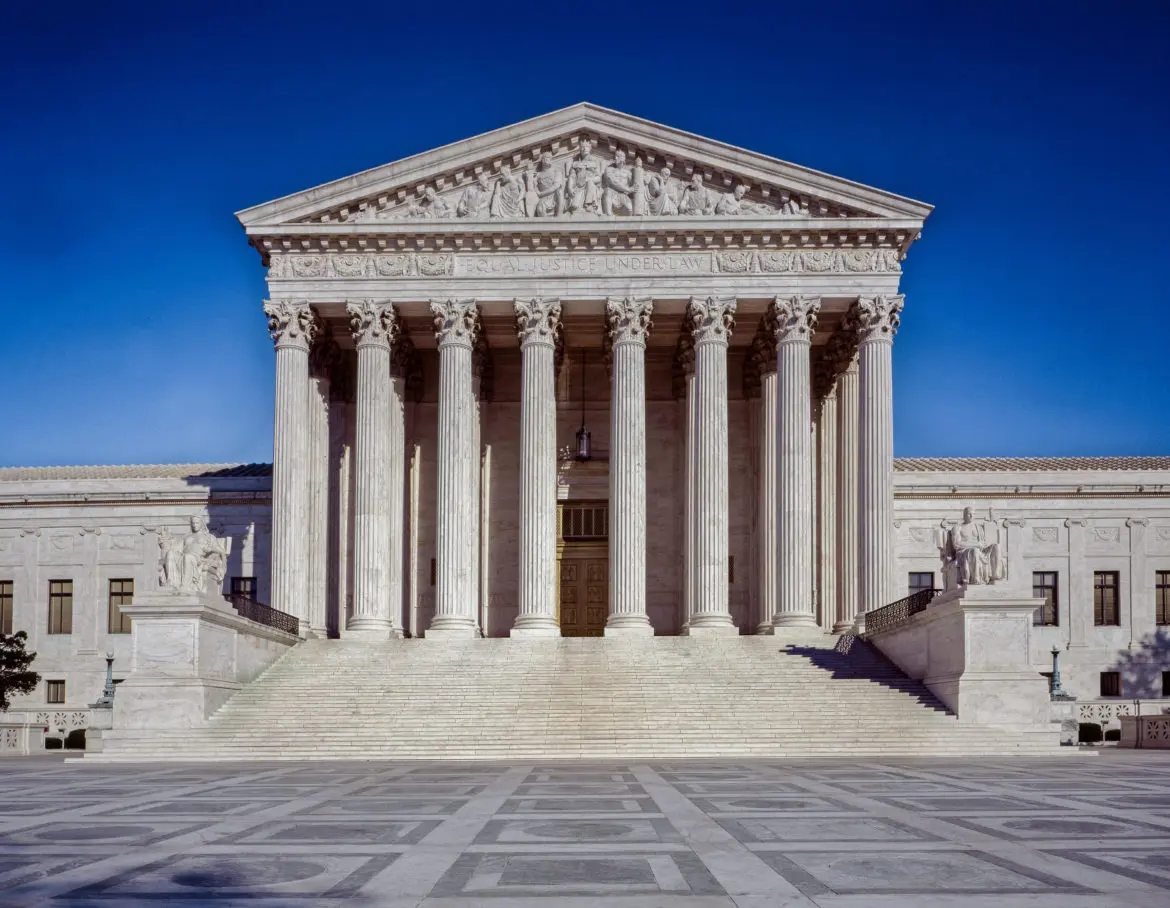
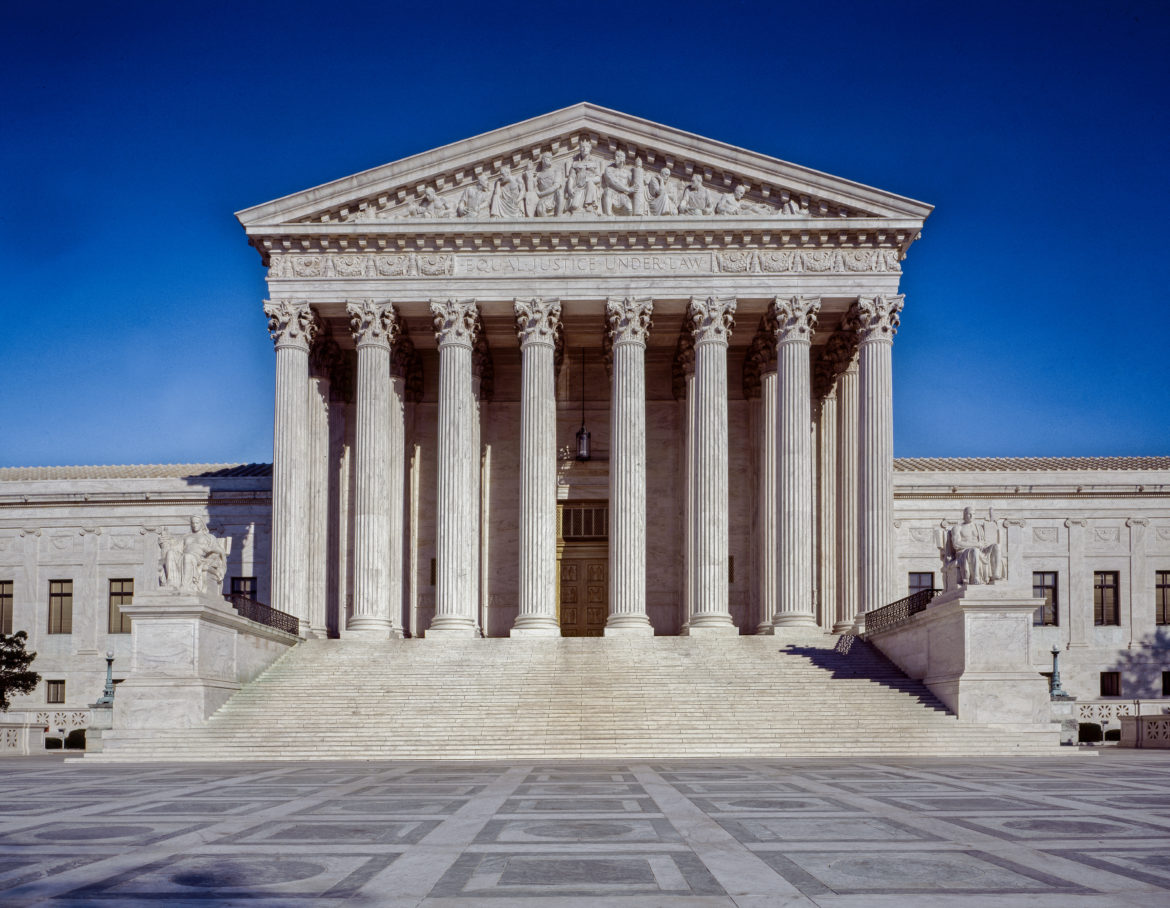
WASHINGTON — The United States Supreme Court is set to hear oral arguments on November 3 in St. Mary Catholic Parish v. Roy, a high-stakes legal battle that could profoundly reshape the boundary between religious accommodation and government nondiscrimination protections.
While the case stems directly from a conflict between Catholic parish preschools and the state of Colorado, its eventual ruling carries substantial implications for religious organizations nationwide—including Pagan, Indigenous, Jewish, Muslim, Hindu, and other minority faith communities. At issue is whether states providing public funding through programs like universal preschool can enforce strict nondiscrimination rules that run counter to traditional religious teachings, or if the First Amendment requires exemptions for religious participants.
Main Facts of the Case
At the center of the dispute is Colorado’s Universal Preschool Program (UPK), an initiative designed to provide publicly funded preschool education for four-year-old children across the state. The program utilizes a mixed delivery model, allowing children to attend participating public, private, and religious preschools, with the state subsidizing tuition costs.
To ensure equal access for families, participating providers must comply with comprehensive program rules. Among these requirements, institutions are generally prohibited from discriminating in admissions based on race, disability, religious affiliation, sexual orientation, or gender identity.
Two Catholic parish preschools operating under the Archdiocese of Denver applied to participate in the UPK program. However, they sought to maintain traditional admissions policies requiring enrolled families to align with Catholic teachings, particularly regarding human sexuality and gender identity. When the schools requested a religious exemption from Colorado’s nondiscrimination rules, state officials denied the request, leading the schools to file a federal lawsuit.
Represented by the Becket Fund for Religious Liberty, the plaintiffs argue that conditioning a generally available public benefit on the waiver of religious tenets unconstitutionally coerces religious schools, violating the Free Exercise Clause of the First Amendment.
Conversely, Colorado state officials maintain that religious schools are welcome to participate in the UPK program, provided they adhere to the same neutral, general enrollment standards required of all participating institutions. The state contends that these regulations do not target religion, but rather ensure that public funds are distributed equitably without promoting discrimination.
Chronology of Legal Proceedings
The journey of St. Mary Catholic Parish v. Roy to the nation’s highest court follows a distinct path through the federal judiciary:
- Initial Applications and Denials: The Archdiocese of Denver sought participation in Colorado’s newly formed Universal Preschool Program. Upon refusing to alter their faith-based admissions standards regarding sexual orientation and gender identity, state administrators denied their enrollment as UPK providers.
- Federal District Court Ruling: The Catholic parish preschools filed suit in federal district court, seeking an injunction against the state’s nondiscrimination enforcement. The district court ruled in favor of Colorado, rejecting the plaintiffs’ constitutional claims.
- Tenth Circuit Decision (September 2025): The U.S. Court of Appeals for the Tenth Circuit affirmed the lower court’s decision, upholding Colorado’s authority to tie public funding compliance to its broader civil rights mandates.
- Supreme Court Acceptance (August 2026): The U.S. Supreme Court granted certiorari, setting the schedule for oral arguments. The justices agreed to evaluate two specific questions regarding legal precedent, while declining to hear a third question concerning the outright overturning of the landmark Employment Division v. Smith decision.
- Upcoming Oral Arguments (November 3, 2026): The Supreme Court scheduled formal oral arguments, with a final decision anticipated by the conclusion of the Court’s term in June 2027.
Supporting Legal Framework and Key Precedents
The Supreme Court’s review focuses on two primary legal doctrines that govern the intersection of religious freedom and government regulation:
1. Employment Division v. Smith (1990)
In the landmark Smith decision, the Supreme Court ruled that the Free Exercise Clause does not generally relieve individuals or religious entities from obeying neutral laws of general applicability, even if those laws burden religious practices. The case originally involved Native American Church members denied unemployment benefits after using sacramental peyote.
In St. Mary Catholic Parish, the plaintiffs argue that Colorado’s regulations are not genuinely "generally applicable" because the state permits various exceptions or enrollment preferences for secular purposes while denying similar accommodations for religious conduct.
2. Carson v. Makin (2022)
In Carson, the Supreme Court held that Maine could not exclude religious schools from a state tuition-assistance program solely because those schools provided religious instruction. The high court will now examine how that principle extends to situations where government objections are based on religiously motivated conduct or institutional policies rather than mere religious identity.

Notably, by declining to review whether Smith should be entirely overruled, the Court has signaled that it will focus its analysis on the nuances of neutrality and secular exceptions rather than sweeping away three decades of free exercise jurisprudence.
Official Responses and Perspectives
Legal advocates, state officials, and religious organizations have expressed sharply divergent views on the stakes involved in the litigation.
- The Plaintiffs and Religious Liberty Advocates: The Becket Fund for Religious Liberty argues that the state is engaging in unconstitutional viewpoint discrimination. By allowing secular preschools flexibility in admissions or operational preferences while drawing a hard line against religious policies, the state is allegedly penalizing religious institutions for adhering to their faith. Proponents of this view argue that government programs funded by taxpayers should not exclude families who prefer faith-based educational environments that match their convictions.
- The State of Colorado: Colorado officials emphasize that the rules are designed to protect children and families from discrimination in taxpayer-funded programs. The state argues that while religious schools have every right to operate independently outside of state funding programs, accepting public subsidies requires adherence to foundational state civil rights standards. State attorneys maintain that exceptions permitted within the program serve distinct administrative and programmatic goals—such as accommodating students with disabilities—rather than undermining the core goal of equal access.
Broader Implications for Minority Faiths and Civil Rights
While the immediate dispute involves Catholic institutions, legal scholars point out that the Court’s eventual ruling could profoundly impact minority religious groups across the United States.
The Double-Edged Sword for Minority Religions
For Pagan, Indigenous, Jewish, Muslim, Hindu, and other minority religious communities, the principles established in St. Mary Catholic Parish present a complex set of trade-offs:
- Expanded Protections for Religious Practice: Minority religious practices frequently collide with standard bureaucratic regulations regarding ritual items, sacred spaces, dietary laws, religious dress, and holiday observances. If the Supreme Court rules that any secular exception to a rule requires the government to grant comparable religious accommodations, minority groups could wield powerful legal tools to challenge government regulations that burden their traditions.
- The Legacy of Smith: Because Smith itself originated from the sacramental practices of a minority faith, the debate over neutral laws of general applicability has always been central to minority religious survival. Strengthened free exercise standards can shield small, unfamiliar religious communities from majoritarian overreach.
- The Counterweight of Nondiscrimination: Conversely, minority religious practitioners are also beneficiaries of robust civil rights protections against discrimination in employment, housing, education, and public accommodations. A ruling that broadly expands the right of institutions receiving public funds to opt out of nondiscrimination mandates could reduce protections for individuals belonging to minority faiths—or other protected classes—who interact with state-funded programs.
Conclusion and Future Outlook
As the Supreme Court prepares for oral arguments on November 3, the legal community watches closely to see how the justices will navigate the delicate balance between public obligations and the freedom of religious exercise.
For the Pagan community and other minority faiths, the case highlights an ongoing dilemma: the desire for robust legal shields to protect distinct religious practices against government intrusion, balanced against the need for reliable civil rights safeguards that protect all individuals from discrimination in public life. A final ruling is expected by June 2027, setting a significant precedent for the future of religious freedom in America.