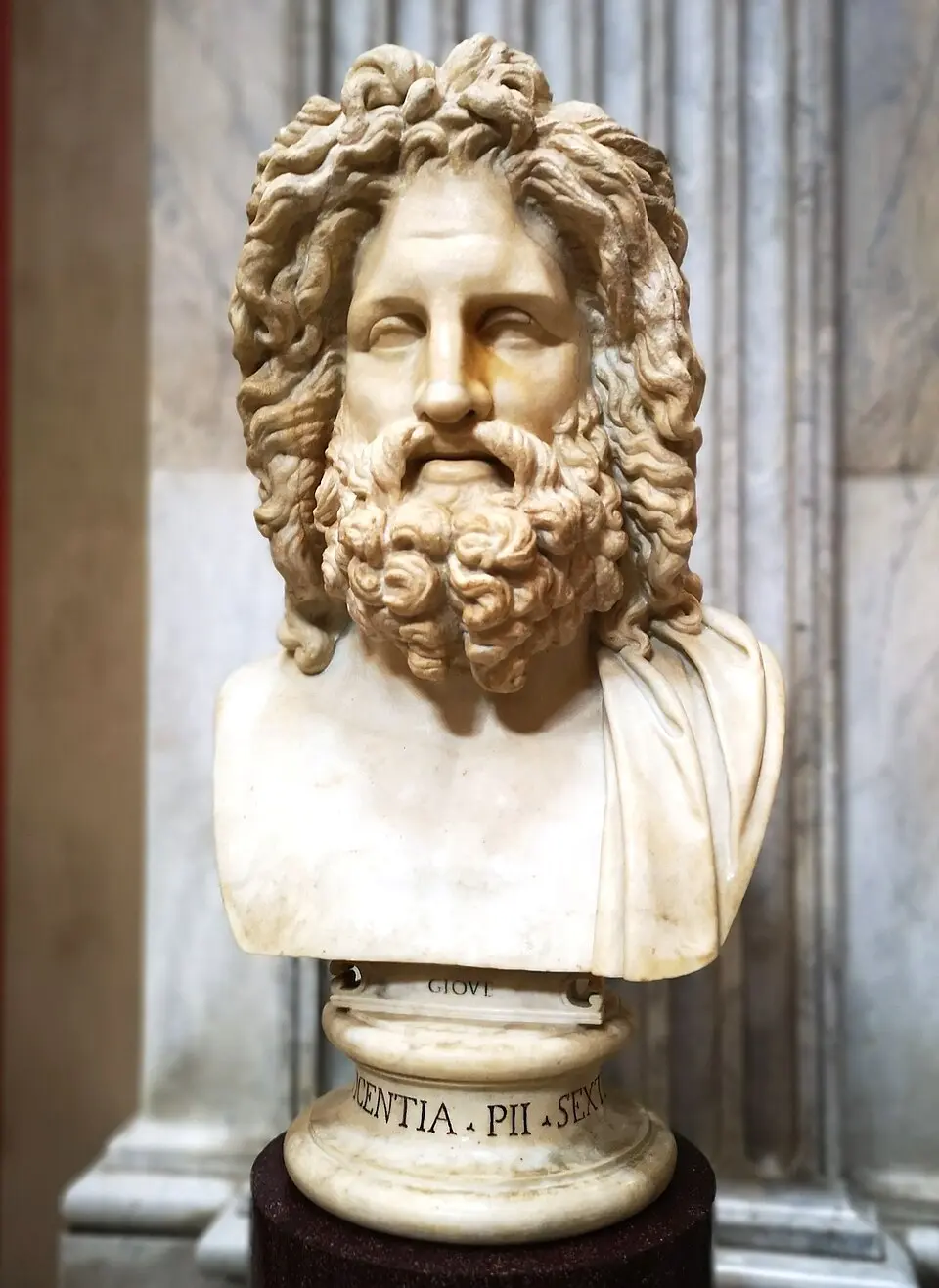
ROCCA DI PAPA, Italy — Rising dramatically above the volcanic lakes and rolling hills southeast of Rome, Monte Cavo has long stood as a silent witness to the dawn of Western civilization. Known to the ancients as Mons Albanus, this storied peak in the Alban Hills once served as the spiritual and political heartbeat of the Latin world, crowned by the majestic Temple of Jupiter Latiaris.
Now, after decades of environmental degradation, unbridled commercial development, and a protracted battle by heritage advocates, the Italian government has stepped in to rewrite the mountain’s future. In a sweeping administrative decision, Italy’s Ministry of Culture—working in tandem with the Soprintendenza Archeologia, Belle Arti e Paesaggio—has formally designated the monumental and archaeological complex of Monte Cavo, the ancient Via Sacra, and the nearby Prato Fabio as an area of "particularly important cultural interest."
This crucial legal classification places the entire landscape under the stringent safeguards of Italy’s Cultural Heritage Code. By tightening restrictions on future development, unauthorized construction, and landscape alterations, the decree aims to halt the piecemeal industrialization of a site that is foundational to the history of ancient Latium, opening a hopeful new chapter for archaeologists, conservationists, and cultural preservationists alike.
Main Facts: A Sanctuary of Gods and Statesmen
The recent ministerial decree marks a turning point for one of Europe’s most neglected historical landscapes. At the center of these new protections is the summit of Monte Cavo, historically celebrated as the primary sanctuary of the ancient Latin League—a confederation of independent Latin communities that predated the territorial and political dominance of Rome.
The core elements now protected under Italian law include:
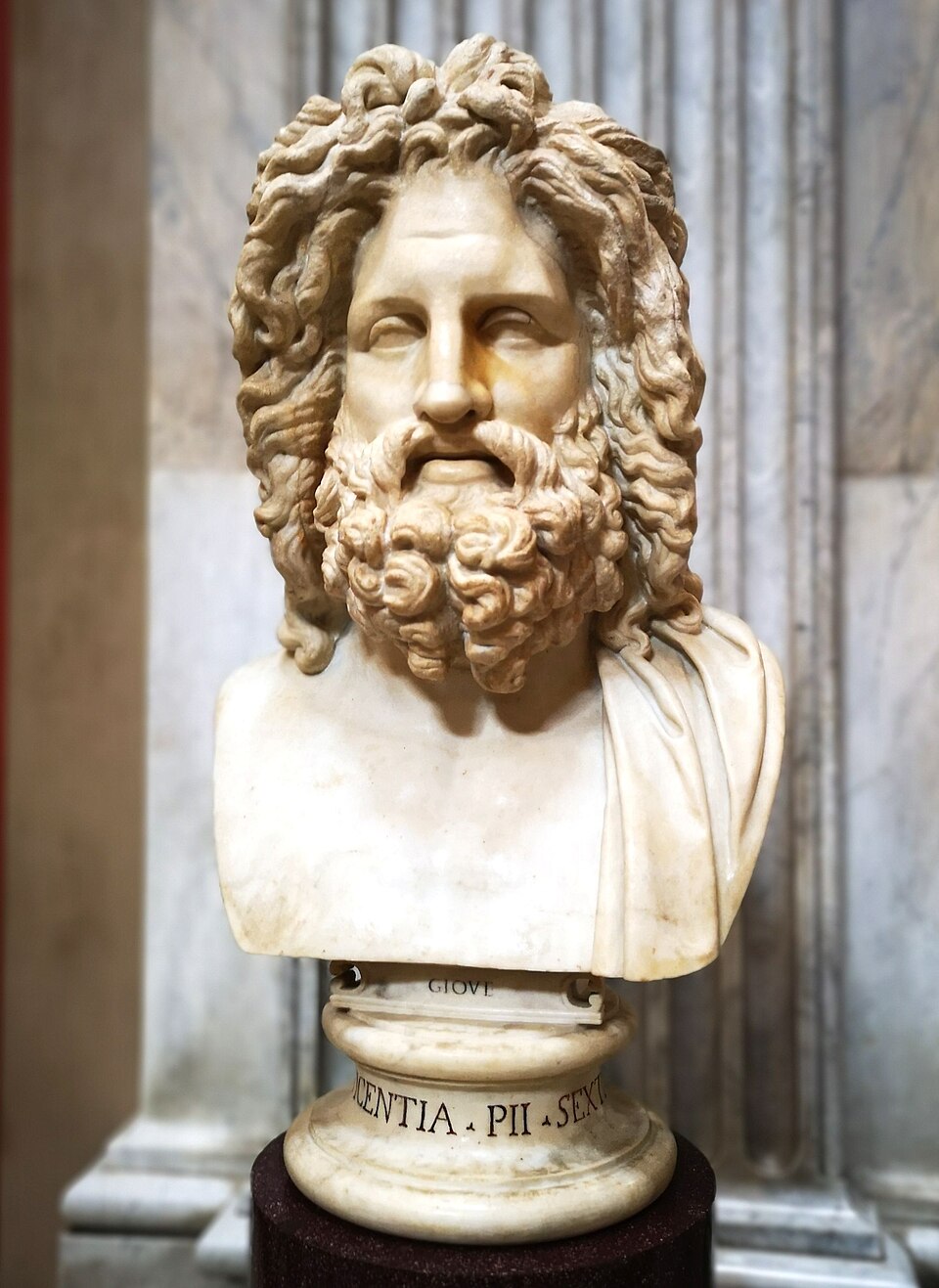
- The Archaeological Summit: The historical site of the Templum Iovis Latiaris (Temple of Jupiter Latiaris), where ancient peoples united to honor the supreme deity of the sky and statecraft.
- The Via Sacra: Substantial surviving sections of the ancient, stone-paved Roman road that serpentined up the flanks of Mons Albanus, serving as the ritual pathway for religious processions and imperial triumphs.
- The Surrounding Environment: The broader ecological and cultural landscape, including Prato Fabio and adjacent woodlands, recognizing that the temple cannot be separated from the natural topography that gave it sacred context.
Under the new classification, any disruptive activities—ranging from tree removal and excavation to roadwork and new commercial projects—will require rigorous prior authorization from national heritage authorities. Direct protections apply strictly to structural and archaeological remains, while indirect safeguards extend buffer zones into the surrounding forests to preserve the pristine environmental setting envisioned by the ancients.
Chronology: From Sacred League to Modern Industrial Scars
To understand the weight of Italy’s recent intervention, one must trace the winding timeline of Monte Cavo, a mountain that has transitioned from a focal point of pagan devotion to a modern casualty of administrative neglect.
Antiquity and the Rise of Rome
- Pre-Roman Era: Mons Albanus emerges as the preeminent sacred mountain for early Latin tribes. It hosts the Feriae Latinae (Latin Festival), an annual gathering where representatives from various Latin communities ascend the peak to make joint sacrifices to Jupiter Latiaris, solidifying mutual peace and cultural identity.
- The Roman Republic and Empire: As Rome subdues and absorbs the Latin League, the mountain’s political utility evolves. Roman magistrates continue the tradition of the Feriae Latinae, often celebrating lesser triumphs (ovations) along the Via Sacra when full military triumphs in Rome were not legally permitted.
Medieval and Early Modern Transformations
- Middle Ages: As pagan worship fades with the Christianization of the Roman Empire, the ancient temple falls into disuse and eventual ruin. Its stones are frequently repurposed for local building projects. Eventually, a Christian church dedicated to Saint Peter is erected at the summit.
- 18th Century: The medieval church is replaced by a monastery. It is initially occupied by the Trinitarian order and later taken over by the Passionists, who inhabit the mountaintop until the complex is converted into a luxury hotel in the 20th century.
The Modern Degradation and Activism
- Late 20th Century: The historic tranquility of the summit is shattered by the telecommunications boom. The former hotel and surrounding mountaintop are crowded with an unsightly forest of broadcast towers, radio antennas, and military installations, severely damaging the archaeological stratum.
- 2020: Outraged by decades of official inertia, local preservationists establish the Comitato Promotore per una Legge per il Monte Albano (Promoting Committee for a Law for Monte Albano). The group denounces the situation as a "scandal of European dimensions," demanding the removal of illegal infrastructure, comprehensive archaeological digs, and environmental remediation.
- August 2026: Following years of sustained pressure from advocacy groups, Italy’s Ministry of Culture issues a formal decree declaring the Monte Cavo complex an area of "particularly important cultural interest," granting it comprehensive legal protections under the Cultural Heritage Code.
Supporting Data: Geography, Infrastructure, and Heritage
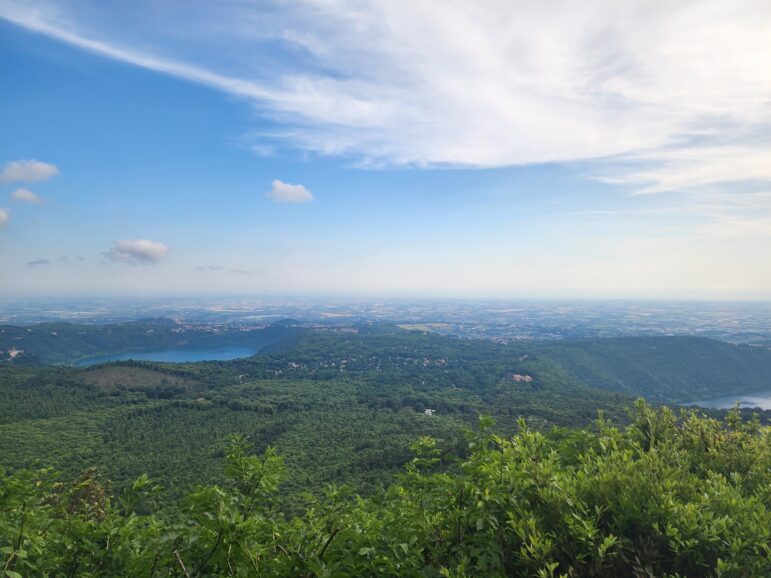
Monte Cavo rises steeply within the Alban Hills (Colli Albani), a complex of dormant volcanic craters located approximately 20 kilometers southeast of Rome. The geography of the region is defined by its dramatic twin lakes—Lake Albano and Lake Nemi—which flank the mountain and add to the haunting, atmospheric beauty of the landscape. On clear days, the view from near the summit stretches past the ancient groves of Diana all the way to the sparkling Mediterranean coast.
Despite its breathtaking vistas and peerless historical value, the mountain has suffered immensely from modern infrastructure pressures.
- Restricted Access: While parts of the lower slopes and the surrounding Castelli Romani Regional Park are accessible to hikers—and portions of the ancient Via Sacra remain traversable—the historic summit itself has remained largely closed off to the public due to security restrictions, private telecommunications fencing, and military facilities.
- The Antenna Crisis: Dozens of broadcast antennas and relay stations have dominated the skyline above Rocca di Papa for decades. Legal battles over the legitimacy, safety, and visual blight of these towers have dragged on through Italian courts for years, pitting media corporations against environmentalists.
- Buried Archaeology: Beneath the contemporary layers of concrete, asphalt, and telecommunications cables lie untouched layers of Latin and Roman antiquity. Archaeologists believe that systematic excavation of the summit could reveal unprecedented structural data regarding archaic temple architecture and early Italic religious rituals.
Official Responses: Voices from Government and Preservationists
The Ministry of Culture’s decree has been met with widespread applause from cultural heritage organizations, historians, and local citizens who have fought for decades to rescue the mountain from neglect.

Members of the Comitato Promotore per una Legge per il Monte Albano praised the decision as a vindication of their long campaign. In public statements following the announcement, committee representatives emphasized that while the decree does not instantly transform the mountain into an open-air museum, it provides the essential legal leverage needed to challenge unauthorized land use and demand systematic cleanup.
"For too long, one of the most spiritually and historically resonant landscapes in the Mediterranean has been treated as a utility pole for broadcast corporations," a spokesperson for the preservation committee noted. "This designation gives us the framework to dream of a restored Monte Cavo—one where the scars of industrial sprawl are healed, and the legacy of the Latin League is finally honored through proper scholarship and public stewardship."
Local municipal leaders in Rocca di Papa have similarly expressed cautious optimism. While acknowledging that managing the transition—particularly dealing with the removal or relocation of existing broadcast infrastructure—will present complex logistical and legal challenges, officials view the cultural interest designation as an economic and tourism boost for the Castelli Romani region. Carefully managed foot tourism along the Via Sacra, paired with cultural educational centers, could transform the mountain from an industrial eyesore into a premier destination for historical and ecological exploration.
Implications: A New Dawn for Sacred Landscapes
The legal protection of Monte Cavo extends far beyond the borders of Italy; it represents a growing international recognition that ancient sacred landscapes deserve the same rigorous preservation afforded to built monuments and urban antiquities.
In ancient times, sanctuaries like the Temple of Jupiter Latiaris were never isolated buildings. They were nodes within an interconnected web of geography, topography, myth, and community. The worshipper did not merely visit a temple; they journeyed to it, walking the stone-paved paths of the Via Sacra, breathing the air of the sacred groves, and gazing out over the lands shared by the Latin peoples. By protecting not just the summit ruins, but the surrounding forests, slopes, and historical access routes, the Italian Ministry of Culture has honored this holistic ancient reality.
For modern neo-pagans, classicists, historians, and environmentalists alike, Monte Cavo stands once again as a symbol of endurance. As legal protections take root and advocates push for the eventual dismantling of the summit’s unsightly antennas, the mountain of Jupiter Latiaris is poised to reclaim its dignity.
Though the bronze statues of the sky-father are long gone and the ancient Latin League exists only in the pages of Livy and Dionysius of Halicarnassus, the sacred mountain itself remains. Protected by law and cherished by the modern public, Monte Cavo is finally being granted the reverence owed to the cradle of the Latin soul.