









Main Facts: The Intersection of Diet, Economy, and Ecology
For decades, modern consumers have operated under the assumption that eating healthfully is an inherently expensive endeavor. A quick stroll through any neighborhood supermarket often reinforces this belief: specialized artisanal items like cashew cheese, organic vegan butter, and imported superfoods command premium price tags that can quickly inflate a weekly grocery bill. However, a closer examination of consumer spending habits and dietary science reveals a counterintuitive truth: eating right does not have to break the bank. In fact, by pivoting away from heavily processed convenience foods and animal products toward whole, plant-forward, and sustainably sourced ingredients, households can dramatically cut their food expenditures while simultaneously reducing their environmental footprint.
At the core of this economic and ecological alignment is a shift in perspective. Specialty vegan substitutes designed to mimic meat and dairy are luxury convenience items, not nutritional prerequisites. The foundational pillars of a healthy, sustainable diet—beans, lentils, whole grains, seasonal produce, and locally sourced staples—are historically among the least expensive items in the marketplace. When consumers align their nutritional needs with environmental stewardship, they unlock a powerful economic synergy. This article explores the comprehensive strategies, financial implications, and broader systemic shifts necessary to achieve a truly sustainable, budget-friendly lifestyle.
Chronology: The Evolution of Sustainable Eating on a Budget
To understand how sustainable eating became conflated with high costs—and how consumers are reclaiming affordable green living—it is helpful to look at the historical trajectory of the modern food economy.

- The Post-WWII Industrialization of Agriculture (1950s–1980s): Government subsidies for monoculture crops like corn and soy drastically lowered the artificial cost of meat and processed foods. Whole, local, and sustainable foods were marginalized, creating a cultural baseline where cheap food equaled processed food.
- The Rise of the Specialty Health Food Market (1990s–2000s): As awareness of health and environmental crises grew, boutique organic markets emerged. These stores marketed eco-friendly eating as an upscale lifestyle choice, attaching a heavy markup to items branded as "natural" or "sustainable."
- The Plant-Based Commercial Boom (2010s): The market flooded with innovative plant-based meat and dairy alternatives. While these products successfully reduced the carbon footprint of meat-lovers, their initial R&D and marketing costs translated to high retail prices, reinforcing the myth that sustainable eating is costly.
- The Modern Value Shift (Present Day): Driven by inflation, climate anxiety, and economic uncertainty, consumers and eco-entrepreneurs are stripping away the corporate markup of green living. The focus has returned to "back-to-basics" sustainability: utilizing whole foods, minimizing waste, and recognizing that the most ecological diet is also the most economical.
Supporting Data: The Economics of Whole Foods vs. Processed Goods
Market research consistently demonstrates the financial advantages of shifting toward a whole-food, plant-forward lifestyle. According to data compiled by nutritional economists and environmental watchdogs, the cost differentials between conventional diets and sustainable alternatives are stark when categorized properly.
1. The Cost Breakdown per Serving (USD Averages)
- Dry Beans and Lentils: $0.10 – $0.20 per serving (High protein, zero packaging waste, massive carbon offset compared to beef).
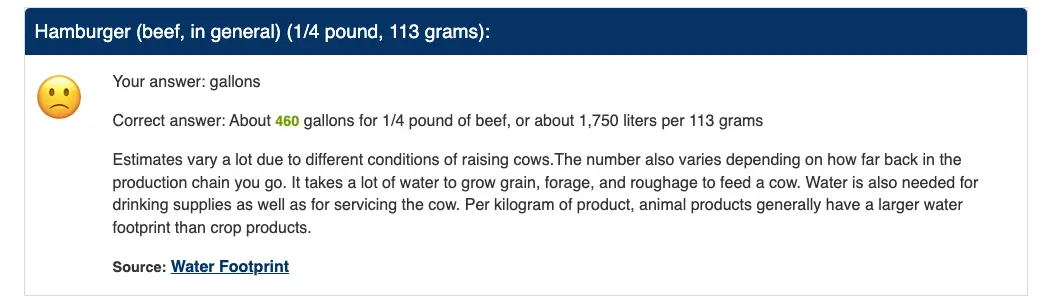
- Factory-Farmed Ground Beef: $1.50 – $2.50 per serving (High resource consumption, high carbon footprint, expensive healthcare externalities).
- Bulk Whole Grains (Brown Rice, Oats): $0.15 – $0.25 per serving.
- Commercial Vegan Cheese Substitutes: $1.00 – $2.00 per serving (Processed specialty item).
2. The Environmental Cost of Food Waste
Financial savings are deeply intertwined with waste reduction. According to global sustainability metrics, the average household discards roughly 30% to 40% of the food it purchases. For a family spending $800 a month on groceries, this equates to throwing away up to $320 every month. By adopting zero-waste shopping habits—such as meal planning, utilizing the freezer, and buying from bulk bins—households instantly capture these lost funds while cutting upstream agricultural emissions.
Official Perspectives and Expert Insights
Eco-entrepreneurs, sustainability consultants, and agricultural economists increasingly advocate for a return to simplified, low-impact consumption patterns.

Scott Cooney, a prominent serial eco-entrepreneur, author, and sustainability expert, emphasizes that sustainable living has been unnecessarily complicated by marketing departments. "Eating right doesn’t have to break the bank," Cooney notes. "Yes, cashew cheese and vegan butter are expensive on the shelf, but overall, you can actually save a ton of money by focusing on eating healthy and sustainable foods."
According to Cooney and fellow environmental consultants, the key is separating the marketing of green products from the practices of sustainability. True sustainability relies on reduction—buying less packaging, eating lower on the food chain, and reducing overall consumption—which naturally reduces household expenditures.
Furthermore, public health organizations and environmental agencies increasingly point out that the hidden costs of cheap, highly processed foods—manifested in chronic health epidemics and environmental remediation bills—far outweigh the initial cash savings at the checkout counter. Aligning personal health with planetary health via affordable whole foods serves as a triple-bottom-line victory for consumers.

Implications: What This Means for Consumers and the Planet
The realization that sustainable, healthy eating can be remarkably affordable has profound implications for individual households, local economies, and global ecosystems.
1. Household Financial Resilience
In periods of economic volatility and inflation, families that rely heavily on processed convenience foods and conventional meats are acutely vulnerable to price spikes. Conversely, households built around a foundation of bulk grains, legumes, and seasonal produce enjoy high financial insulation. By mastering the art of budget-friendly, sustainable cooking, individuals can free up disposable income for other critical needs while securing their nutritional baseline.
2. Environmental Mitigation
Food systems account for roughly a quarter to a third of global greenhouse gas emissions. When millions of consumers shift their purchasing power away from resource-intensive animal agriculture and hyper-packaged convenience items toward local, whole, plant-based foods, the aggregate ecological relief is monumental. Water conservation, soil regeneration, and biodiversity protection all accelerate as consumer demand migrates toward sustainable agriculture.

3. Democratization of Green Living
Historically, sustainability has faced criticism as an elitist movement accessible only to high-income earners who could afford solar panels, electric vehicles, and premium organic groceries. By shifting the narrative toward low-cost, high-impact sustainable habits—such as reducing food waste, utilizing public transit, and buying inexpensive bulk staples—the green movement becomes truly democratic. Anyone, regardless of income bracket, can participate in healing the planet while balancing their checkbook.
Conclusion: Bon Appétit for a Better Future
Adopting a sustainable, budget-conscious lifestyle is not about deprivation; it is about intentionality. By looking past the expensive, heavily marketed novelty items in the grocery aisles and focusing on the timeless, earth-friendly staples that have sustained human societies for millennia, we can achieve optimal personal health and robust financial savings simultaneously.
As we navigate the intersection of economic pressures and climate realities, the path forward is clear. Eat well, waste less, spend mindfully, and protect the planet—all while keeping your hard-earned money safely in your pocket.

Bon appétit!