By Global Sustainability News Desk
Published: October 2023
Main Facts: The Intersection of Diet, Wallet, and Planet
In an era defined by soaring inflation and mounting ecological anxiety, consumers are increasingly caught in a complex trilemma: how to eat healthily, protect the planet, and maintain a manageable household budget. Conventional wisdom often paints sustainable eating—characterized by organic produce, specialty vegan cheeses, artisanal plant-based butter, and ethically sourced meats—as an expensive luxury reserved for affluent demographics.
However, a closer examination of modern dietary economics reveals a starkly different reality. While specialty processed alternatives like cashew cheese or imported plant-based substitutes carry a heavy retail markup, a whole-foods-focused, sustainable diet is actually significantly cheaper than the standard Western diet. By prioritizing locally sourced seasonal produce, shifting away from resource-intensive animal proteins, minimizing food waste, and returning to culinary basics, households can drastically reduce their weekly grocery expenditures while simultaneously lowering their carbon footprint.
Key Takeaways:
- The Specialty Item Trap: Highly processed vegan and organic convenience foods inflate grocery bills, skewing the public perception of sustainable eating costs.
- The Whole-Food Economic Advantage: Staple ingredients like beans, lentils, whole grains, and seasonal vegetables remain among the most cost-effective items in the supermarket.
- The Hidden Costs of Conveniences: Pre-packaged goods and meat-heavy diets externalize environmental degradation while charging consumers a premium for convenience.
- Actionable Strategies: Shifting purchasing habits through meal planning, bulk buying, and waste reduction yields immediate financial and environmental dividends.
Chronology: How the Cost of Sustainable Eating Evolved
To understand how sustainable eating became paradoxically viewed as both an elitist lifestyle choice and a financial necessity, it is essential to trace the historical and economic evolution of the modern food system.

Phase 1: The Post-War Industrialization of Food (1950s–1990s)
Following World War II, global agricultural policies pivoted heavily toward industrial consolidation. Government subsidies for monoculture crops—primarily corn and soy—artificially lowered the cost of processed foods and animal feed. This era birthed the modern supermarket, where cheap meat and highly refined, packaged convenience goods dominated shelves. During this period, "cheap food" became synonymous with industrial agriculture, completely masking the long-term environmental and healthcare costs associated with the model.
Phase 2: The Rise of the Organic and Niche Market (2000s–2010s)
As ecological awareness grew at the turn of the century, consumers began demanding alternatives to industrially farmed products. The organic food movement gained legal and commercial traction. However, because organic and sustainable farming operated outside the heavily subsidized industrial infrastructure, production costs were higher, and supply chains were fragmented. Retailers capitalized on this demand by marketing green products as premium lifestyle goods, cementing the cultural myth that eco-friendly food must be expensive.
Phase 3: The Plant-Based Boom and Convenience Premium (2010s–2020)
The past decade witnessed an explosion of venture capital-backed plant-based meat and dairy alternatives. Brands introduced hyper-realistic burgers, artisanal nut cheeses, and specialized vegan substitutes designed to mimic traditional comfort foods. While these products successfully captured mainstream consumer interest, their heavy processing and intensive marketing campaigns resulted in steep retail prices. Consequently, casual observers equated plant-based eating entirely with these luxury specialty items.
Phase 4: The Post-Pandemic Economic Realignment (2020–Present)
Global supply chain disruptions, geopolitical conflicts, and historic inflation rates have severely impacted household grocery budgets. Amid soaring prices for traditional animal proteins and processed goods, consumers have been forced to re-evaluate their purchasing habits. Concurrently, a growing body of nutritional and environmental research has emphasized returning to the foundation of sustainable eating: unprocessed, plant-forward staples. This current phase marks a democratization of sustainable eating, proving that economic necessity and ecological stewardship naturally align when consumers strip away the marketing hype of processed foods.

Supporting Data: The Numbers Behind Sustainable Diets
Empirical research from agricultural economists, environmental scientists, and nutritional epidemiologists consistently debunks the myth that sustainable eating is inherently costly.
1. The Cost Breakdown of Diets Worldwide
A landmark study published by the Oxford Martin School analyzed the cost of various diets across 150 countries. The researchers found that in high-income nations like the United States, the United Kingdom, and Canada, adopting a flexitarian, pescatarian, or vegetarian diet—the cornerstones of sustainable eating—actually reduces food costs by up to one-third.
| Diet Type | Relative Cost Compared to Standard Western Diet | Environmental Impact (GHG Emissions) |
|---|---|---|
| Standard Western Diet (High Meat/Processed) | Baseline (Most Expensive overall health costs) | Highest |
| Flexitarian / Reducing Meat | 10% to 25% Cheaper | Moderate Reduction |
| Vegetarian (Whole Foods) | Up to 30% Cheaper | Low |
| Vegan (Whole Foods / Staples) | Up to 31% Cheaper | Lowest |
| Processed Vegan Alternatives (Cashew cheese, meat analogs) | 15% to 40% More Expensive | Moderate |
2. The Meat and Dairy Price Discrepancy
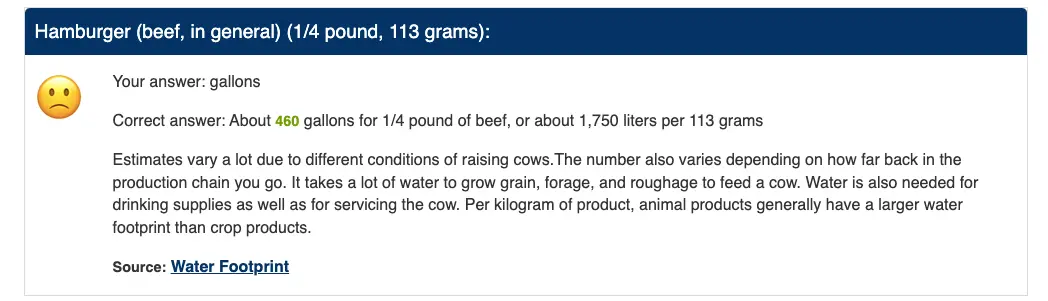
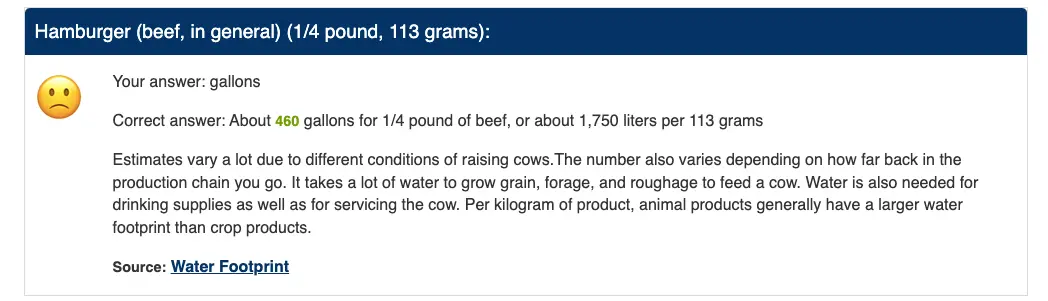
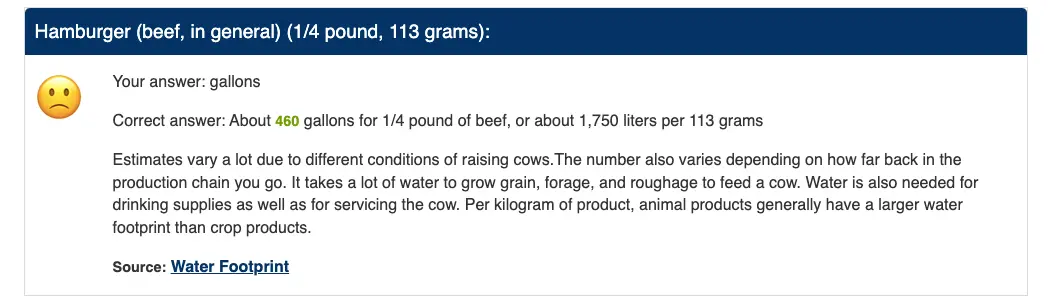
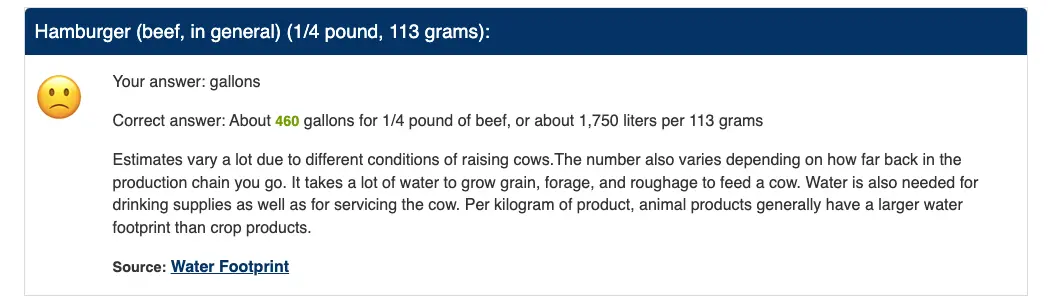
Meat and dairy products are notoriously resource-intensive, requiring massive inputs of water, land, and feed grain. Despite this, government subsidies in many developed nations keep their retail prices artificially low. However, when consumers replace even half of their weekly animal protein consumption with plant-based alternatives like beans, chickpeas, and lentils, the financial savings are immediate. According to the U.S. Bureau of Labor Statistics, dry beans and lentils consistently cost a fraction of a dollar per serving, whereas beef and poultry often exceed several dollars per serving for equivalent protein weight.
3. The Food Waste Factor
Sustainability is not solely about what we eat, but how much we waste. According to the United Nations Environment Programme (UNEP), roughly one-third of all food produced globally is lost or wasted. In households, this translates to hundreds of dollars thrown into the trash each year. By adopting intentional meal planning and zero-waste kitchen practices, the average family can save thousands of dollars annually while drastically shrinking their environmental footprint.

Official Responses and Expert Perspectives
As the dialogue surrounding food security, inflation, and sustainability intensifies, experts, entrepreneurs, and environmental consultants are weighing in on how consumers can navigate these economic waters.
Scott Cooney on Eco-Entrepreneurship and Affordable Sustainability
Eco-entrepreneur and sustainability expert Scott Cooney, author and founder of multiple green initiatives, emphasizes that sustainable living has long suffered from an image problem perpetuated by consumer culture.
"Eating right doesn’t have to break the bank," Cooney notes. "Yes, cashew cheese and vegan butter are expensive on the shelf, but overall, you can actually save a ton of money by focusing on eating healthy and sustainable foods. The secret lies in looking past the marketing of specialty green products and returning to the earth’s baseline staples."
Cooney points out that the sustainability sector must do a better job of communicating that ecological eating is fundamentally about simplicity rather than consumption.

Agricultural Economists on Food System Transformation
Institutional voices, including representatives from the Food and Agriculture Organization (FAO), have echoed the sentiment that localized, plant-forward diets are vital for global economic and environmental resilience. In recent policy briefs, FAO economists stressed that shifting subsidies away from ultra-processed food ingredients and toward regenerative agriculture and local horticulture would make healthy, sustainable diets universally accessible.
Furthermore, public health nutritionists emphasize that investing in whole foods pays massive dividends down the line by mitigating chronic lifestyle diseases—such as type 2 diabetes and cardiovascular disease—which currently cost healthcare systems hundreds of billions of dollars annually.
Implications: What This Means for Consumers and the Planet
The realization that sustainable eating can be both economically advantageous and environmentally regenerative carries profound implications for society, policy, and individual lifestyles.
1. Household Financial Relief Amid Inflation
For the average family grappling with cost-of-living crises, shifting toward a sustainable, whole-foods diet offers an immediate financial cushion. By cutting out expensive pre-packaged items, reducing food waste through meticulous meal planning, and centering meals around affordable plant proteins (such as beans, grains, and seasonal vegetables), households can insulate themselves against price volatility in the meat and dairy sectors.

2. A Shift in Corporate "Green" Marketing
The economic reality that unprocessed sustainable foods are cheaper than specialty vegan substitutes puts pressure on food manufacturers. As consumers become more financially literate regarding grocery spending, brands relying solely on eco-friendly branding to sell overpriced processed goods will likely face pushback. The market is slowly pivoting toward transparent, minimally processed, locally sourced foods that offer genuine value.
3. Scalable Climate Action
Individual dietary choices represent one of the most powerful, immediate levers for climate action available to the average citizen. Agriculture accounts for a massive share of global greenhouse gas emissions and freshwater consumption. By democratizing the concept of green eating—proving that it is accessible to lower- and middle-income families rather than exclusive to the wealthy—the environmental movement can achieve broader, more equitable public participation.
4. Policy Recommendations for Food Security
Governments and municipal planners must take note of these economic dynamics. Urban planning initiatives that support local farmers’ markets, community gardens, and food co-ops can drastically improve food access in urban food deserts. Furthermore, restructuring agricultural subsidies to favor regenerative, local crop production over industrial monocultures will ensure that sustainable food remains the most affordable option for all citizens.
Conclusion
The intersection of health, economics, and environmentalism shatters the long-held myth that sustainable living is an exclusive luxury. While the supermarket shelves are undeniably crowded with expensive, highly processed specialty items disguised as eco-friendly choices, the core of a sustainable diet remains radically simple and remarkably affordable.

By embracing whole foods, reducing waste, supporting local agriculture, and looking past the marketing noise of the modern food industry, consumers can nourish their bodies, protect the planet, and safeguard their wallets all at once.
Bon appétit!