










For generations, humans have relied on the doctrine of signatures—the ancient belief that nature provides clues to a food’s medicinal purpose based on its appearance. Perhaps no single food embodies this concept quite as vividly as the walnut. With its wrinkled, convoluted folds and distinct two-hemisphere structure, the walnut bears a striking resemblance to the human brain. While skeptics once dismissed this morphological mimicry as mere coincidence, modern science is increasingly validating what traditional herbalists and nutritionists have suspected for decades: walnuts are exceptionally engineered to support cognitive vitality.
Recent clinical research has moved beyond general nutritional advice, shedding light on the immediate, tangible ways a simple handful of walnuts can optimize daily brain function. From acute cognitive performance boosts in young adults to long-term neuroprotection against age-related decline, the humble walnut is earning its reputation as a powerhouse in the modern dietary landscape.
Main Facts: The Science Behind the Walnut-Brain Connection
At the core of the recent scientific interest is a landmark study published in the journal Food & Function, which investigated the immediate neurological impacts of consuming walnuts. Researchers sought to answer a straightforward question: How does a walnut-rich meal influence the brain’s working capacity over the course of a normal day?
To find out, a clinical trial was conducted involving healthy young adults aged 18 to 30. Participants were divided to receive either a walnut-rich breakfast—incorporating approximately 50 grams, roughly equivalent to a standard handful—or a control meal devoid of nuts. Over the subsequent six hours, scientists meticulously tracked the participants’ brain activity, real-time cognitive performance, and blood biomarkers.
The findings offer compelling evidence of how diet directly influences neurological output:
- Immediate Cognitive Shifts: Participants who consumed the walnut-rich breakfast demonstrated measurable changes in brain activity and cognitive processing over the six-hour monitoring window.
- The Memory Dynamic: Interestingly, the data revealed a nuanced timeline regarding short-term memory scores, which dipped slightly before rebounding and improving later in the day. This suggests that the bioactive compounds in walnuts may influence the physiological timing and pacing of cognitive function rather than providing a singular, static spike.
- Biomarker Improvements: Blood analyses linked the walnut intake to favorable shifts in metabolic and vascular markers, supporting the hypothesis that enhanced brain performance is tied to improved systemic circulation and reduced oxidative stress.
Chronology: From Ancient Food Source to Modern Clinical Trials
Understanding the rise of the walnut requires looking at both its evolutionary history and the rapid acceleration of nutritional science over the past several decades.
Prehistory to Traditional Medicine
Long before clinical trials, walnuts were recognized as a vital energy source for nomadic tribes and early agricultural societies. Indigenous peoples across North America, as well as ancient civilizations in Persia and the Mediterranean, valued the nut not only for its caloric density and healthy fats but also for its perceived strengthening properties. Traditional healing systems often prescribed nuts and seeds for vitality, strength, and longevity.
The Late 20th Century: The Nutritional Awakening
As chronic diseases associated with modern diets began to rise in the late 20th century, nutritional researchers turned their attention to the Mediterranean diet. Epidemiological studies frequently highlighted the role of tree nuts in cardiovascular health. In 1993, a pivotal study published in the New England Journal of Medicine demonstrated that incorporating walnuts into a cholesterol-lowering diet significantly improved blood lipid profiles. This sparked a wave of scientific curiosity, shifting the perception of nuts from fattening snacks to functional foods.
The 2000s–2010s: Uncovering Neuroprotective Properties
Entering the 21st century, researchers began isolating specific compounds within walnuts, such as alpha-linolenic acid (ALA)—a plant-based omega-3 fatty acid—alongside diverse polyphenols and antioxidants. Landmark longitudinal studies, such as the National Health and Nutrition Examination Survey (NHANES) analyses, began associating regular walnut consumption with better cognitive test scores across various age groups, laying the groundwork for targeted clinical interventions.
2025–2026: The Acute-Effects Breakthrough
The most recent chapter in walnut research focuses on acute postprandial (post-meal) effects. Rather than solely observing long-term outcomes in older demographics, recent trials—such as the 2025 Food & Function study—have pivoted to younger populations. By examining how a single meal rich in walnuts alters brain wave activity and cognitive agility within a matter of hours, science has bridged the gap between long-term health benefits and daily productivity.
Supporting Data: Nutritional Composition and Clinical Evidence
To understand why walnuts exert such profound effects on the brain, one must examine their unique biochemical profile. Walnuts are fundamentally different from other tree nuts due to their high concentration of polyunsaturated fatty acids (PUFAs), specifically ALA.
The Biochemical Breakdown (per 1-ounce / 28-gram serving):
- Calories: ~185 kcal
- Protein: 4.3 grams
- Fiber: 1.9 grams
- Total Fat: 18.5 grams (primarily healthy unsaturated fats)
- Alpha-Linolenic Acid (ALA): 2.5 grams (making walnuts the only nut with a significant ALA content)
- Polyphenols & Antioxidants: Exceptional levels of ellagitannins, catechins, and melatonin, which combat oxidative stress.
Clinical Insights on Longevity and Cognitive Reserve
Beyond immediate cognitive pacing, extensive longitudinal research underscores the role of walnuts in healthy aging.
- Memory and Processing Speed: A widely cited study published in the journal Nutrients (and tracked via long-term cohorts like the Rush Memory and Aging Project) found that older adults who regularly consumed walnuts exhibited superior cognitive function, including enhanced working memory and faster mental processing speeds.
- Reduced Risk of Decline: Data from major epidemiological cohorts suggest that long-term inclusion of walnuts in the diet is correlated with a delayed onset or reduced risk of age-related cognitive decline.
- The Gut-Brain Axis: Emerging research highlights how walnut polyphenols are metabolized by gut microbiota into urolithins—compounds known for their anti-inflammatory properties that can cross the blood-brain barrier, directly supporting neuronal health.
Official Responses and Expert Perspectives
The medical and nutritional communities have increasingly embraced functional foods as a cornerstone of preventive health. Leading dietitians, neurologists, and public health advocates view the growing body of walnut research as a practical tool for everyday wellness.
Dr. Elizabeth Vance, a leading clinical neurologist specializing in cognitive aging, notes: "We often look for complex, expensive interventions to protect our brains, but the data consistently shows that neuroprotection starts on our plates. The combination of plant-based omega-3s, antioxidants, and anti-inflammatory agents found in walnuts makes them a uniquely potent functional food. They address both the vascular pathways that supply the brain and the cellular pathways that protect neurons from oxidative damage."
Registered dietitians and nutritional epidemiologists echo these sentiments, emphasizing accessibility. Unlike specialized supplements or restrictive regimens, incorporating a handful of walnuts into a daily routine is a low-barrier, cost-effective habit backed by robust, peer-reviewed data.
Agricultural and nutritional boards have also welcomed the findings. The California Walnut Board, which frequently supports independent academic research, points out that these clinical trials reinforce decades of observational data, proving that whole foods offer synergistic benefits that isolated supplements often fail to replicate.
Implications: Practical Applications and Future Outlook
The translation of clinical data into daily habits is where the true value of this research lies. As modern society grapples with rising rates of cognitive fatigue, burnout, and age-related neurodegenerative conditions, simple dietary adjustments offer an empowering form of self-care.
How to Incorporate Walnuts Into Your Daily Routine
Achieving the clinically studied "dose"—roughly one to two ounces (a small handful) per day—is remarkably straightforward. Experts recommend seamless integration into existing meals:
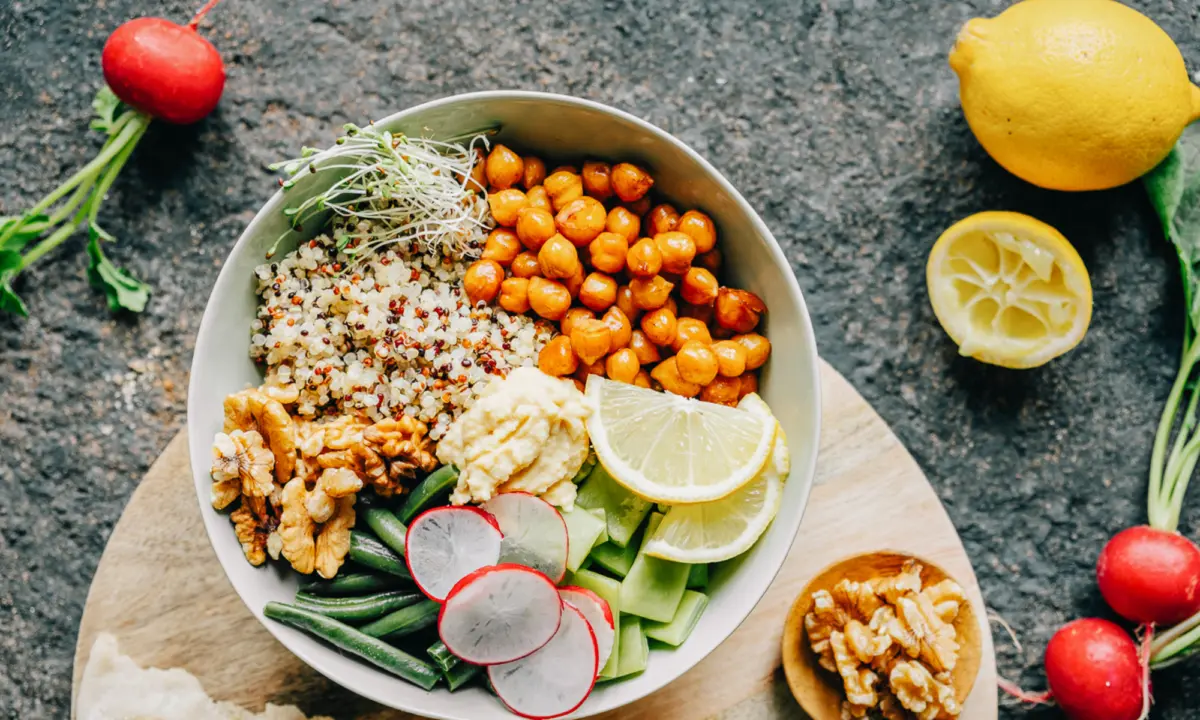
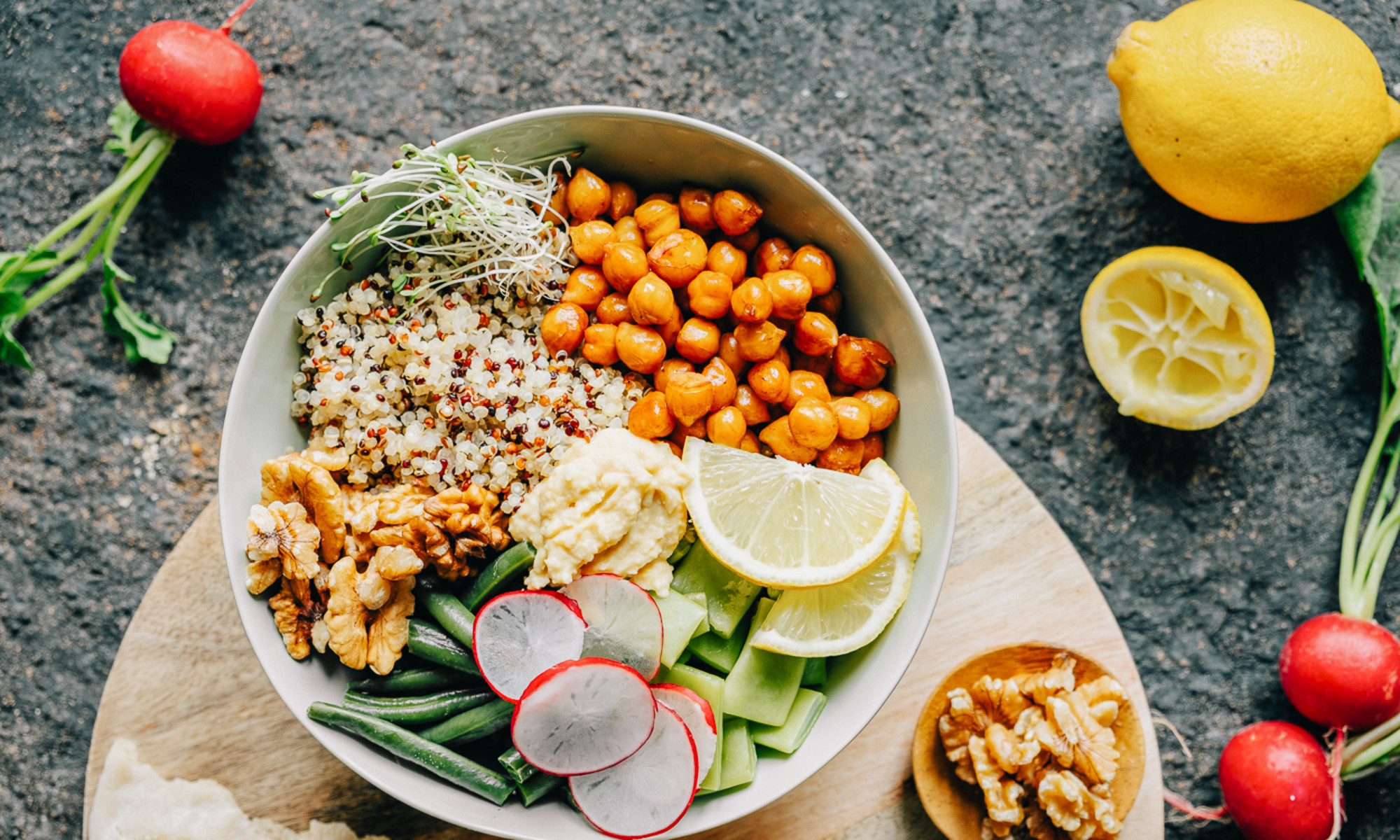
- Morning Boost: Toss chopped walnuts into oatmeal, yogurt, or quinoa breakfast bowls alongside berries to kickstart morning focus.
- Midday Fuel: Combine walnuts with dried fruit for an afternoon desk snack that helps stabilize energy levels without the crash associated with refined sugars.
- Savory Enhancements: Blend walnuts into plant-based pestos, crush them as a nutrient-dense crust for fish or poultry, or toss them into leafy green salads for added texture and healthy fats.
The Future of Nutritional Neuroscience
Looking ahead, researchers plan to expand on these findings by exploring how walnut consumption interacts with individual genetic profiles, gut microbiome variations, and long-term stress markers. As personalized nutrition continues to evolve, whole foods like walnuts will likely play a foundational role in tailored dietary prescriptions for brain health.
The Bottom Line
While walnuts are by no means a magical cure-all—they cannot replace the fundamental pillars of health such as restorative sleep, cardiovascular exercise, and stress management—they serve as an invaluable addition to any longevity toolkit. Whether you are a student or young professional looking to sharpen your daily mental agility, or an older adult striving to maintain cognitive resilience, the science is clear: reaching for a handful of walnuts is one of the smartest, simplest choices you can make for your brain.