









Main Facts: The Intersection of Diet, Economy, and Ecology
Eating a healthy, environmentally conscious diet is frequently perceived as an expensive lifestyle choice. Specialty items like artisan cashew cheeses, organic vegan butter, and imported superfoods often carry a heavy price tag that deters budget-conscious consumers. However, a closer look at modern nutritional economics reveals a foundational misconception: adopting a sustainable, whole-food diet does not have to break the bank. In fact, when approached with strategy and intention, shifting toward a plant-forward, eco-friendly lifestyle can significantly reduce household food expenditures.
The core of sustainable eating lies in the displacement of resource-intensive, highly processed goods with whole, locally sourced, and minimally packaged staples. While specialty vegan alternatives can inflate grocery bills, the baseline ingredients of a sustainable diet—such as dried beans, lentils, whole grains, and seasonal produce—remain among the most affordable items in any supermarket.
According to recent food economy analyses, households that pivot away from heavily packaged convenience foods and meat-heavy diets routinely report lower overall grocery costs. By aligning dietary choices with ecological preservation, consumers are discovering that human health and planetary health are not mutually exclusive luxuries, but rather economically synergistic goals.
Chronology: The Evolution of Modern Food Economics
To understand how sustainable eating became associated with high costs—and how consumers are reclaiming it as a budget-friendly option—we must examine the timeline of modern food production and consumer habits.

Mid-to-Late 20th Century: The Rise of Convenience and Industrial Agriculture
Following World War II, global food systems shifted dramatically toward industrial agriculture and mass-produced, highly processed convenience foods. Subsidies for commodity crops like corn and soy led to an abundance of cheap animal feed, artificially lowering the short-term cost of meat and dairy. Simultaneously, the rise of supermarket culture normalized packaged, pre-prepared meals, shifting consumer reliance away from raw, local staples.
Early 2000s: The Organic Niche and Price Premiums
As environmental awareness grew, the organic food movement gained mainstream traction. During this era, eco-friendly eating was largely marketed as a niche lifestyle for affluent consumers. Specialty stores emerged, selling certified organic and imported sustainable goods at steep markups. This period cemented the cultural myth that "green" eating was inherently expensive.
2010s: The Plant-Based Boom and Specialty Substitution
The proliferation of the plant-based movement introduced innovative meat and dairy alternatives. While products like plant-based burgers and artisanal nut cheeses successfully lowered the barrier to entry for flexitarians, they were priced as luxury novelty items. Consumers attempting to adopt a sustainable diet by simply substituting conventional processed foods with specialty vegan counterparts quickly found their grocery budgets strained.
Present Day: The Whole-Food, Low-Waste Renaissance
Today, a counter-movement is underway. Nutritionists, environmentalists, and frugal consumers are returning to the roots of sustainable eating: whole, unpackaged, plant-based staples. By bypassing expensive branded alternatives and focusing on bulk purchasing, meal planning, and seasonal eating, modern consumers are proving that sustainable nutrition is not only accessible to all income brackets but is ultimately more cost-effective than the standard Western diet.

Supporting Data: The Math Behind Sustainable Savings
Analyzing the financial and environmental ledger of grocery shopping provides clear evidence that sustainable eating is economical.
The Cost Breakdown of Proteins
Protein is traditionally cited as the most expensive component of a meal. However, a comparative look at protein sources illustrates a stark financial contrast:
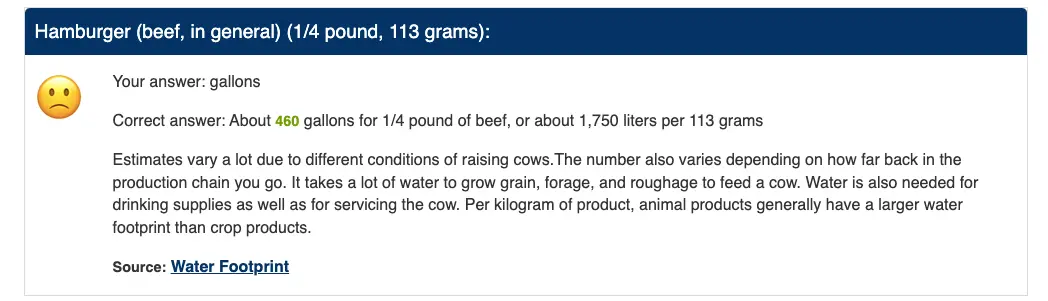
- Conventional Beef: Averaging anywhere from $6 to $12+ per pound, beef production is also environmentally taxing, requiring immense amounts of water and land while generating high greenhouse gas emissions.
- Dried Beans and Lentils: Typically costing between $1 and $2 per pound, legumes provide a nutrient-dense, high-fiber, and sustainable alternative that slashes food budgets by up to 80% per serving compared to meat.
Packaging and Food Waste Reductions
Food waste is a trillion-dollar global problem that directly harms household finances. The average family throws away hundreds of dollars in spoiled produce and unused groceries annually. Sustainable eating emphasizes zero-waste principles, such as buying loose produce, utilizing leftovers creatively, and freezing surplus items. By minimizing packaging and purchasing only what is consumed, households reduce both their carbon footprint and their weekly receipts.
Long-Term Healthcare Savings
Beyond immediate grocery savings, the long-term economic implications of a whole-food, plant-forward diet are profound. Chronic illnesses linked to poor diets—such as Type 2 diabetes, heart disease, and obesity—cost healthcare systems billions annually while placing a heavy financial burden on individuals. Investing in nutrient-dense, sustainable foods acts as preventive medicine, reducing out-of-pocket medical expenses over a lifetime.

Official Perspectives: Expert Insights on Eco-Friendly Nutrition
Sustainability experts and entrepreneurs have long advocated for a shift in how society views the economics of green living.
Scott Cooney, serial eco-entrepreneur, author, and former sustainability consultant for major global brands, emphasizes that sustainable living must be practical to be widely adopted. Reflecting on the intersection of personal finance and environmentalism, Cooney notes that true sustainability inherently involves efficiency—and efficiency saves money.
"Eating right doesn’t have to break the bank," Cooney explains. "Yes, cashew cheese and vegan butter are expensive on the shelf, but overall, you can actually save a ton of money by focusing on eating healthy and sustainable foods."
According to public health advocates and agricultural economists, policy changes are also beginning to support this shift. Local governments and community organizations are increasingly investing in farmers’ markets, urban agriculture, and food co-ops. These initiatives cut out middleman shipping costs and reduce plastic packaging, making locally grown, sustainable food more accessible to lower-income neighborhoods.

Nutrition boards worldwide are updating dietary guidelines to explicitly link planetary health with human health, reinforcing that reducing meat consumption and minimizing food waste are universally beneficial practices that transcend socioeconomic lines.
Implications: Practical Strategies for the Conscious Consumer
Transitioning to a sustainable, budget-friendly diet requires a shift in mindset and shopping habits. To capture both ecological and financial benefits, consumers can implement several actionable strategies:
1. Embrace the Bulk Aisle
Purchasing grains, legumes, nuts, and seeds in bulk significantly reduces packaging waste and lowers the cost-per-ounce. Staples like brown rice, oats, chickpeas, and lentils can form the backbone of dozens of affordable, nutrient-dense meals.
2. Prioritize Seasonal and Local Produce
Out-of-season produce shipped from thousands of miles away carries a heavy carbon footprint and a inflated price tag. Shopping at local farmers’ markets or choosing seasonal fruits and vegetables ensures fresher food, supports the local economy, and keeps costs down.

3. Move Beyond Specialty Substitutes
While vegan specialty products are convenient, relying on them daily will strain any budget. Treat items like vegan cheeses and meat alternatives as occasional treats rather than dietary staples. Instead, build meals around naturally plant-based ingredients that are inherently inexpensive.
4. Plan Meals and Minimize Waste
Impulse buying is a primary driver of high grocery bills and food waste. Planning weekly menus based on what is already in the pantry, utilizing scraps for vegetable broths, and properly storing fresh produce can drastically cut down on wasted food and money.
Conclusion
Eating a sustainable, health-conscious diet is not an exclusive privilege reserved for the wealthy. By stripping away the marketing hype of specialty eco-products and returning to the foundational principles of whole-food nutrition, conscious consumers can nourish their bodies, protect the planet, and keep their wallets full.