









By Global Sustainability & Consumer Trends Desk
Published by Green Living Ideas
Main Facts: The Intersection of Sustainability and Savings
For decades, modern consumers have been fed a pervasive myth: that eating healthfully and sustainably is an exclusive luxury reserved for those with deep pockets. Specialty grocery aisles overflowing with artisanal cashew cheeses, imported organic superfoods, and brand-name vegan butter substitutes often feature price tags that can induce sticker shock. Consequently, many budget-conscious shoppers write off eco-friendly diets as financially unsustainable.
However, a fundamental paradigm shift is underway among nutritional economists and environmental scientists. The reality is quite the opposite: when stripping away highly processed specialty items and returning to whole, plant-forward, and locally sourced foods, sustainable eating is actually significantly cheaper than the standard Western diet.

By focusing on core staples—such as bulk legumes, seasonal produce, and whole grains—consumers can drastically reduce their weekly grocery expenditures while simultaneously lowering their personal carbon footprints. This comprehensive guide explores the intersection of economic frugality and environmental stewardship, offering actionable strategies to nourish both your body and the planet without breaking the bank.
Chronology: How the Perception of Sustainable Food Pricing Evolved
Understanding how we arrived at the current economic landscape of food consumption requires looking at the historical timeline of agricultural production, supply chains, and consumer marketing.
- The Mid-to-Late 20th Century (The Rise of Industrial Agriculture): Post-WWII agricultural policies heavily subsidized monoculture crops like corn and soy, primarily to feed factory-farmed livestock. This created an artificial abundance of cheap, highly processed, calorie-dense foods that flooded the market, making fast food and processed goods the most economical choices for lower-income households.
- The Early 2000s (The Organic Niche): As awareness of environmental degradation and pesticide use grew, the organic food movement gained mainstream traction. Early adopters faced a "green premium," where certified organic goods and early alternative proteins carried a 20% to 100% markup due to fragmented supply chains and low production volume.
- The 2010s (The Rise of Specialty Alternatives): The market saw an explosion of venture-backed plant-based alternatives—fancy nut cheeses, processed meat analogs, and packaged vegan convenience foods. These items were marketed heavily as lifestyle products, commanding high price points that reinforced the notion that sustainable eating required high disposable income.
- The Modern Era (The Whole-Foods Correction): Today, consumer advocates and environmental researchers are pushing back against the "specialty product" trap. Economists are pointing out that the true baseline of sustainable eating isn’t expensive vegan butter, but rather ancient, unprocessed staples like lentils, beans, rice, and root vegetables—foods that have historically been the cheapest commodities in global markets.
Supporting Data: The Economics of the Sustainable Plate
To understand why sustainable eating can save money, one must examine the cost breakdowns of food production, waste management, and nutritional density per dollar.

1. The Protein Cost Comparison
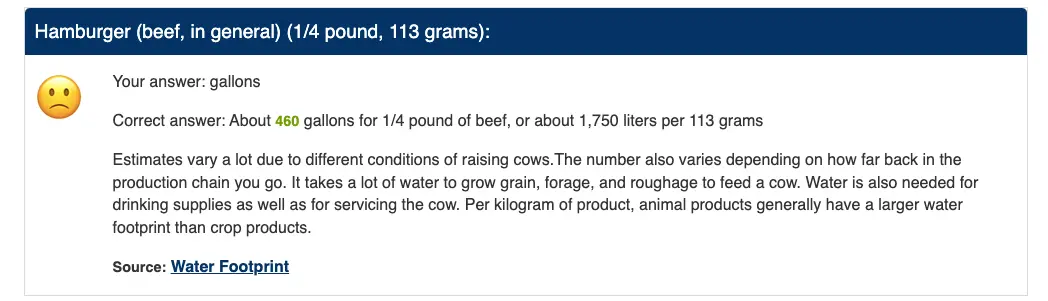
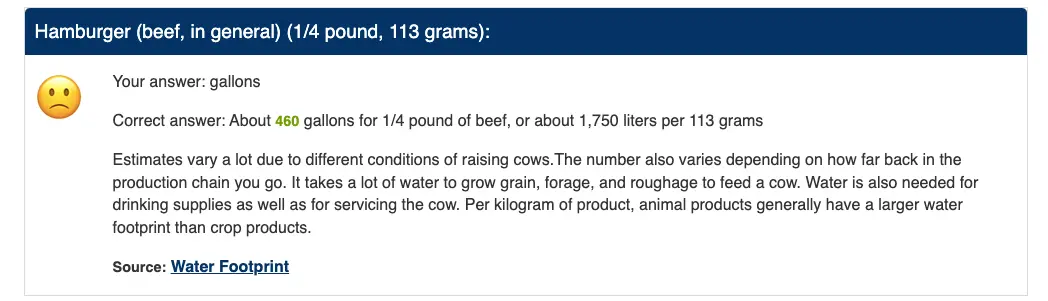
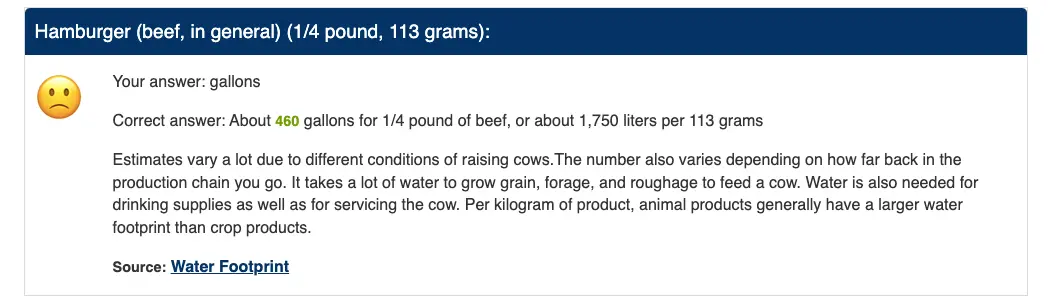
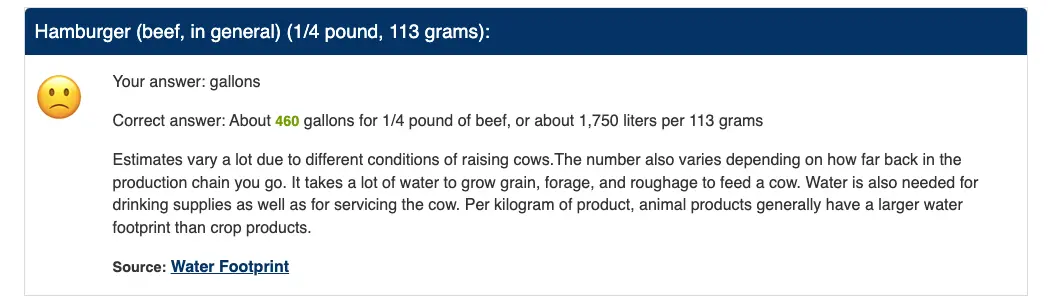
According to data compiled by agricultural economists, animal-based proteins—particularly grain-fed beef and industrially farmed fish—require vast amounts of water, land, and feed, driving up their market price. Conversely, plant-based proteins remain remarkably affordable when purchased dry or in bulk:
- Dry Lentils / Beans: Averaging roughly $1.00 to $1.50 per pound, providing upwards of 10 to 12 servings of protein.
- Factory-Farmed Beef: Often ranging from $6.00 to $10.00+ per pound.
- The Environmental Dividend: Shifting just two meat-heavy meals a week to legume-based alternatives reduces an individual’s diet-related greenhouse gas emissions by an estimated 15% to 20% while cutting weekly protein costs in half.
2. The Hidden Cost of Food Waste
Food waste is a catastrophic economic and environmental drain. In developed nations, households discard up to 30% to 40% of the food they purchase, translating to hundreds of dollars down the drain every year.
- The Environmental Impact: Uneaten food in landfills rots to produce methane, a greenhouse gas significantly more potent than carbon dioxide in the short term.
- The Financial Solution: Adopting zero-waste kitchen habits—such as meal planning, utilizing vegetable scraps for broths, and properly storing produce—keeps money in the consumer’s pocket while directly shrinking their ecological footprint.
3. The Healthcare Cost Correlation
Diet-related chronic illnesses, such as type 2 diabetes and cardiovascular disease, cost healthcare systems trillions of dollars annually. Whole-food, plant-forward diets are clinically proven to mitigate these risks. By investing in preventative nutrition through budget-friendly, nutrient-dense whole foods, individuals save profoundly on long-term medical expenditures.

Official Responses and Expert Perspectives
Industry leaders, sustainability experts, and nutritional authorities are increasingly aligning on the message that sustainable living must be accessible to all socioeconomic brackets.
"Eating right doesn’t have to break the bank," notes eco-entrepreneur and author Scott Cooney. "Yes, cashew cheese and vegan butter are expensive on the shelf, but overall, you can actually save a ton of money by focusing on eating healthy and sustainable foods."
Cooney, known for founding pioneering sustainability initiatives such as Pono Home and HomeEfficiency.com, emphasizes that consumers frequently fall victim to the marketing trap of green consumerism. The mistake lies in trying to replicate a meat-and-dairy-heavy lifestyle using high-end, processed plant-based substitutes.

Instead, public health officials and environmental scientists advocate for a return to traditional culinary roots. Global health organizations have increasingly endorsed plant-rich diets not only for their preventative health benefits, but because localized, seasonal food procurement dramatically cuts down on fossil-fuel-intensive supply chains. Agricultural ministries worldwide are also facing mounting pressure to shift subsidies away from industrial monocultures and toward regenerative, local farming models that make nutrient-dense food more affordable for everyday citizens.
Implications: Building a Resilient Future for Food Systems
The realization that sustainable eating is inherently economical has profound implications for individual households, local economies, and global environmental health.
For the Consumer
Empowerment is the primary takeaway. Consumers no longer need to feel alienated by high-priced eco-marketing. By shifting dietary habits toward whole grains, seasonal vegetables, legumes, and local markets, individuals can insulate themselves against inflation in the processed food sector while optimizing their personal health.

For Local Economies and Communities
When consumers buy bulk, seasonal, and local produce, money stays within the regional economy rather than flowing to multinational conglomerates. This supports regenerative local farmers who heal the soil, protect local watersheds, and foster biodiversity. Community-supported agriculture (CSA) programs and urban farming initiatives further democratize access to sustainable nutrition, transforming food deserts into vibrant, food-secure neighborhoods.
For Global Climate Action
Food systems account for roughly one-third of all human-caused greenhouse gas emissions. If a critical mass of consumers pivots away from resource-intensive industrial meats and highly packaged processed foods toward a low-waste, whole-food diet, the cumulative impact on global emissions, deforestation, and water scarcity will be transformative.
Ultimately, aligning our forks with our financial values proves that taking care of the planet is not an act of charity or luxury—it is one of the smartest financial decisions a modern citizen can make.

Bon appétit!