






By Molly Knudsen, M.S., RDN
Published September 12, 2026
Main Facts
A profound cultural shift is underway regarding how society views and consumes alcohol. According to data from a comprehensive 2025 Gallup survey, the proportion of adults who report consuming any alcohol has dropped to a historic low of 54%. Driving this downward trend is a growing body of public health awareness highlighting the negative physiological, psychological, and long-term impacts of regular alcohol consumption.
However, a massive segment of the population falls into the "sober-curious" category: individuals who may not wish to cut out alcohol entirely, but who desperately want to be more mindful about when, why, and how much they drink.
While the internal motivation to improve health is strong, the external reality of navigating a society built around happy hours, weddings, and weekend brunches can feel intimidating. According to Hilary Sheinbaum, author of Going Dry: A Practical Guide To Drinking Less and Living More, opting out of alcohol often feels like opting out of the core social fabric itself.
Fortunately, cutting back does not have to mean social isolation. By adopting a flexible, low-pressure mindset, reshaping how social events are organized, and understanding the social etiquette surrounding alcohol abstinence, individuals can successfully balance a vibrant social life with health-conscious lifestyle choices.
Chronology: The Evolution of the Mindful Drinking Movement
To understand where the sober-curious movement stands today, it is helpful to trace its evolution over the past decade:
- The Early 2010s (The Rise of Structured Challenges): Structured abstinence movements like "Dry January" began moving from niche internet subcultures into mainstream consciousness. Originating largely as public health campaigns in the U.K., these month-long pauses gained global traction as people sought structured ways to reset after the holiday season.
- The Late 2010s to 2020 (Mainstream Adoption and Pandemic Reflection): "Sober October" and Dry January became multi-million-person phenomena. Concurrently, the global COVID-19 pandemic triggered a wave of self-reflection, leading many to reevaluate their coping mechanisms—including the nightly glass of wine.
- The Early 2020s (The Booming Non-Alcoholic Market): The beverage industry underwent a seismic shift. Craft breweries, boutique distilleries, and major beverage conglomerates began heavily investing in sophisticated non-alcoholic (NA) beers, functional mocktails, and botanical spirits that mirrored the ritual and taste of traditional drinks without the ethanol.
- 2025–2026 (The Permanent Cultural Shift): Gallup polling confirmed a structural decline in regular drinking rates down to 54%. Abstinence or mindful drinking ceased to be viewed merely as a temporary detox or a passing trend; instead, it solidified into a permanent, socially accepted lifestyle choice driven by longevity research, fitness optimization, and mental health awareness.
Supporting Data and Changing Consumer Habits
The shift away from alcohol is not merely anecdotal; it is backed by hard economic and demographic data.
- Declining Consumption Rates: The 2025 Gallup data points to a steady, multi-year decline in the percentage of Americans who drink alcohol, driven primarily by younger demographics (Gen Z and Millennials) who consume significantly less alcohol than previous generations at the same age.
- The Non-Alcoholic Beverage Boom: Market research indicates that global sales of low- and no-alcohol products continue to experience double-digit year-over-year growth. Consumers are no longer satisfied with sugary sodas or plain water when they go out; they demand complex, adult flavor profiles.
- Health Drivers: Consumers are increasingly educated on the links between alcohol and disrupted sleep architecture, impaired athletic recovery, hormonal imbalances, anxiety, and long-term carcinogenic risks. This accumulation of wellness data has transformed alcohol from a default social lubricant into an occasional indulgence for many.
Official Responses and Expert Insights: Redefining Social Rules
Navigating social settings without alcohol can feel like operating under a high-stakes microscope, particularly when peer pressure or ingrained cultural habits rear their heads. Experts emphasize that the key to sustained success lies in self-compassion and proactive planning.
The Myth of Perfectionism in "Dry" Challenges
Many people dive headfirst into a month-long challenge like Dry January with rigid, all-or-nothing expectations. According to Sheinbaum, this perfectionist mindset is a trap.
"If you slip up and have a drink, or a night of drinking, pick up on abstaining the next day. It doesn’t mean all is lost," Sheinbaum notes.
A single slip does not invalidate the weeks of reduced consumption, better sleep, and clear data you have gathered about your habits. The goal is long-term harm reduction and mindfulness, not earning a gold star for flawlessness.
The Power of the Decoy Beverage
One of the simplest tactical tools for social survival is the use of non-alcoholic beverages that mimic traditional drinks. Whether it is an NA IPA, a dealcoholized wine, or a craft mocktail served in proper glassware, these options provide a psychological and sensory shield.
"No one needs to know what’s in your glass, and you still get to enjoy the same great taste that you would in your favorite beer, cocktail, or wine!" Sheinbaum explains. When your hands and taste buds are occupied, the social anxiety of feeling "left out" dissipates rapidly.
Shifting the Burden of Event Planning
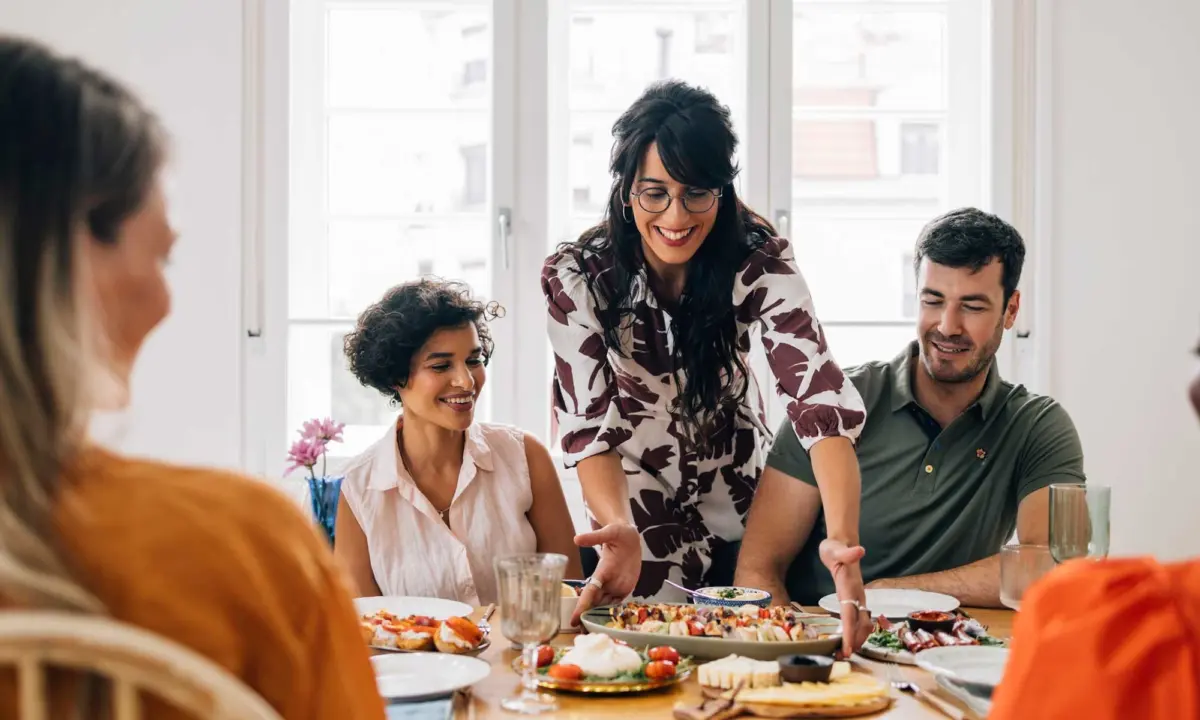
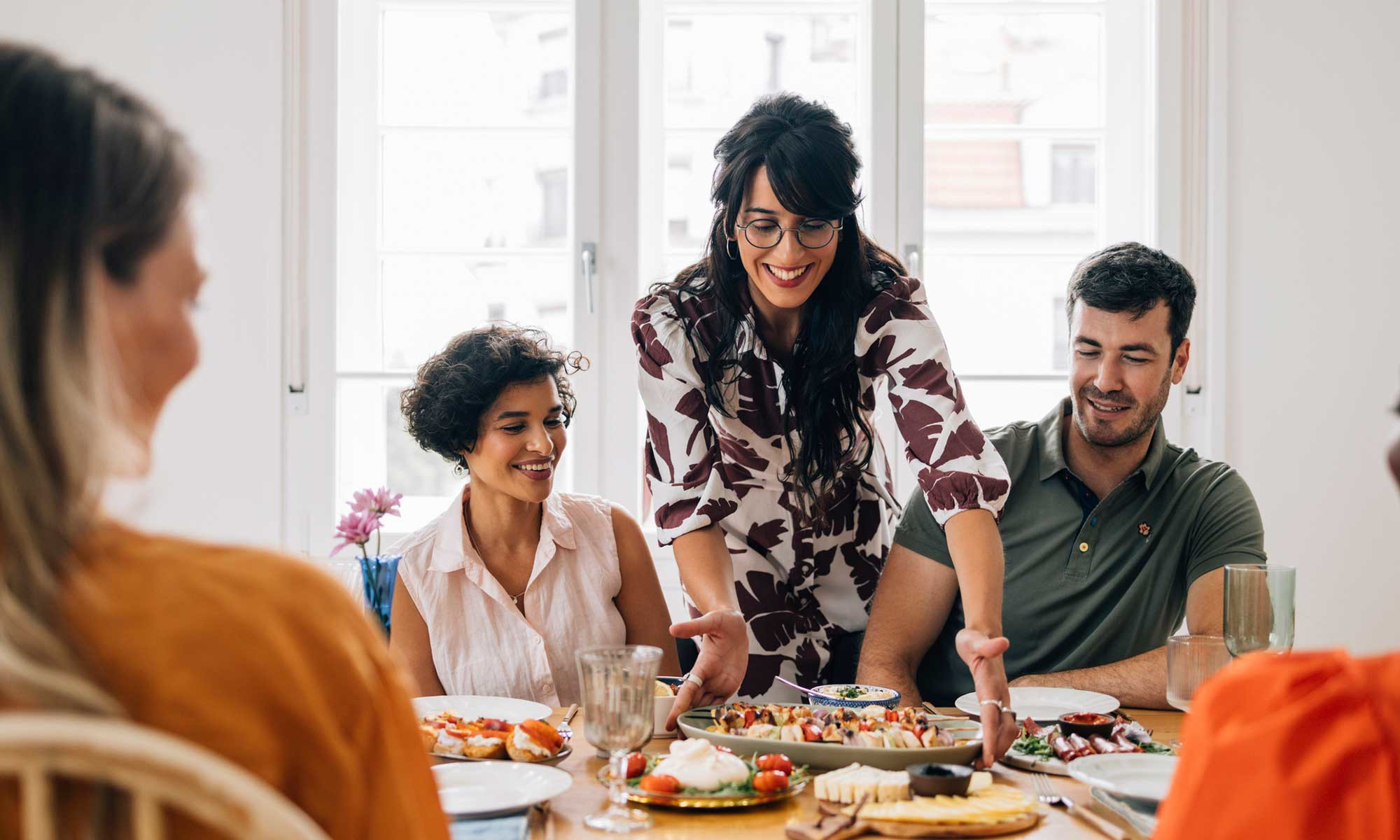
Instead of waiting to be invited to traditional, alcohol-centric venues like bars and clubs, sober-curious individuals are increasingly taking the reins of their social calendars.
By stepping up as the organizer, you dictate the venue and the activity. This empowers you to curate environments where alcohol is entirely incidental—or completely absent—allowing connection to take center stage.
Practical Strategies for Maintaining a Vibrant Social Life
To help bridge the gap between cutting back on alcohol and maintaining rich social connections, experts recommend several low-pressure, actionable strategies:

- Host Activity-Based Gatherings: Move away from dinner-and-drinks setups toward experiences that naturally engage the mind and body. Consider organizing game nights, pottery classes, rock-climbing sessions, morning hiking groups, or hosting a cooking competition.
- Shift the Venue: Swap out the local pub for a specialty coffee shop, a matcha bar, an independent bookstore café, or an outdoor park for a picnic.
- Practice Your "No Thanks" Script: You do not owe anyone a medical history or a lengthy explanation for why you aren’t drinking. Simple, confident phrases like "I’m taking the night off," "I have an early workout tomorrow," or simply "I’m just sticking to sparkling water tonight" are usually more than enough.
- Be Your Own Wingman: If you are attending a high-temptation event, bring a trusted friend who knows your goals and can help keep you accountable while having fun.
Implications: Fostering an Inclusive Social Culture
The responsibility of the sober-curious movement does not rest solely on those choosing to abstain; it requires a collective shift in how groups treat one another. Regardless of your own drinking habits, everyone plays a role in fostering an inclusive environment.
The Golden Rule of Social Etiquette: Don’t Ask "Why?"
Perhaps the most critical social adjustment is eliminating invasive questions regarding someone’s sobriety. Queries such as "Why aren’t you drinking?" or "Are you doing a challenge?"—even when asked out of idle curiosity—can feel deeply alienating or intrusive.
People choose to skip alcohol for a myriad of deeply personal reasons, including:
- Managing chronic health conditions or taking medications
- Pregnancy or trying to conceive
- Mental health management (such as reducing anxiety)
- Athletic training and recovery goals
- Personal preference or past trauma
Quite simply, someone else’s beverage choices are none of your business.
Normalizing Neutral Responses
Instead of drawing unwanted attention to a friend’s glass of sparkling water, social etiquette demands that we normalize neutral responses. If someone declines a drink, accept the answer gracefully and seamlessly move the conversation forward.
Furthermore, modern hosts should always ensure that inclusive, high-quality non-alcoholic options are readily available alongside traditional alcoholic drinks. Treating non-drinkers with the same hospitality as guests with dietary restrictions (such as gluten-free or vegetarian needs) sets a standard of true modern inclusivity.
The Takeaway
Drinking less shouldn’t mean missing out on life, nor should it induce social anxiety. By adopting a flexible, low-pressure mindset, you can experiment, adjust, and figure out what balance works best for your mind and body in real-time.
Whether you are cutting out alcohol entirely or simply aiming to be more mindful during your weekend outings, the ultimate goal is simple: deeper connections, better health, and the freedom to enjoy your social life on your own terms.