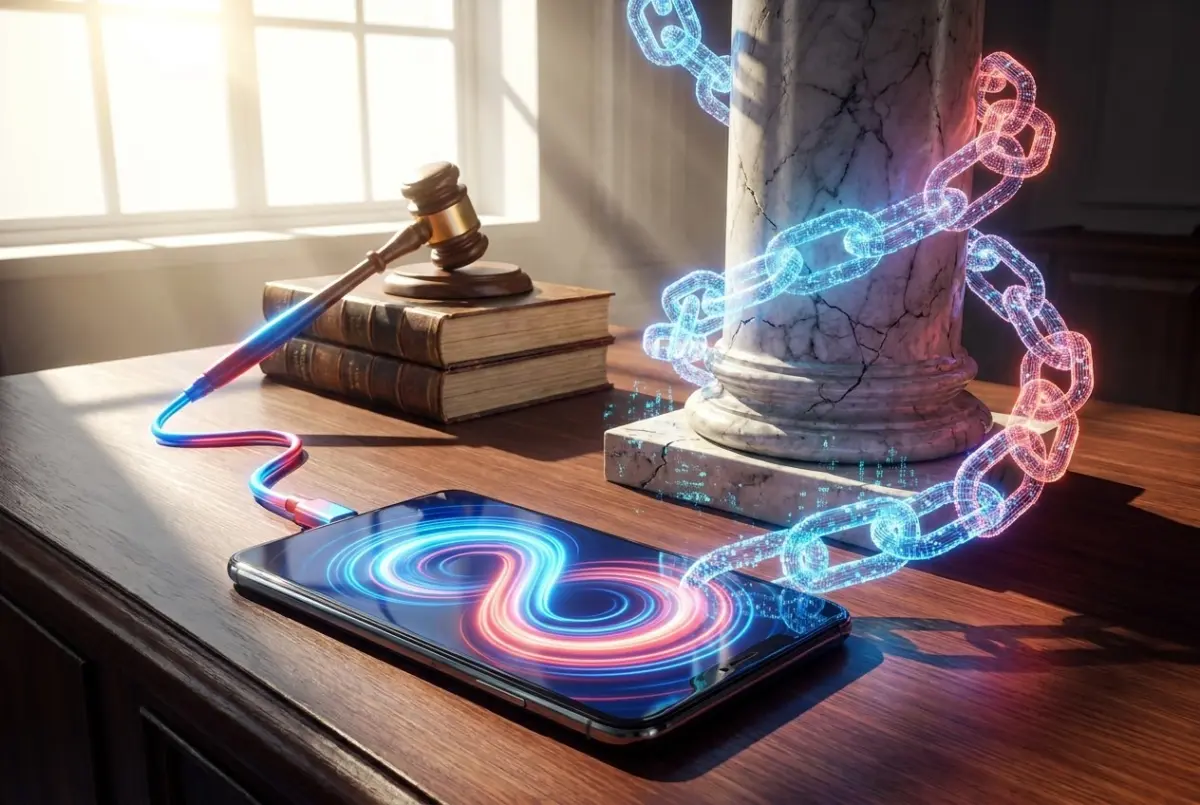
WASHINGTON — In an era defined by ubiquitous wireless connectivity, rising environmental stressors, and lingering public anxiety over biological security, the question of human cellular resilience has never been more pressing. As modern society becomes increasingly saturated with electromagnetic fields (EMFs), artificial lighting, and concerns over nuclear fallout, researchers and health advocates are shifting their focus from macroscopic survival to the microscopic defense systems operating within the human body.
Addressing these complex concerns, Brighteon University is currently streaming the comprehensive docuseries “UNBREAKABLE: Secrets to Genetic Survival in the Age of Spike Shedding and Nuclear Fallout.” Hosted and presented by researcher and wellness advocate Mike Adams, the multi-part broadcast event aims to demystify the mechanics of DNA damage, cellular stress, and the body’s innate capacity for self-repair.
With daily chapter broadcasts running through September 10, followed by targeted weekend episode replays and a complete course marathon on September 14, the series offers an in-depth look at how everyday technology and catastrophic environmental hazards intersect with human biology.
Main Facts: Decoding the UNBREAKABLE Curriculum
At its core, UNBREAKABLE explores the fragile boundary between cellular health and environmental toxicity. The 13-chapter curriculum is designed to educate viewers on how external stressors—ranging from the non-ionizing radiation emitted by everyday smart devices to potential radioactive fallout—interact with human genetics.
Key elements highlighted in the series include:
- The Electromagnetic Landscape: An examination of how non-ionizing radiation from smartphones, Wi-Fi routers, Bluetooth devices, and emerging 5G infrastructure may trigger cellular stress responses without directly ionizing DNA.
- Voltage-Gated Calcium Channels (VGCCs): A central biological mechanism proposed by Adams, wherein EMF exposure activates cellular gateways, leading to internal calcium floods, oxidative stress, and the generation of harmful reactive nitrogen and oxygen species.
- The Post-Nuclear Survival Paradigm: A shift in focus from immediate blast survival to the biochemical resources required to repair microscopic genetic damage in the aftermath of a nuclear event.
- A Layered Defense Framework: A structured, multi-tiered approach focusing on NAD+ pathways, mineral cofactors, nucleotide pool maintenance, and antioxidant defenses designed to support cellular repair mechanisms.
- Genetic Repair Pathways: Detailed discussions involving complex cellular machinery, including homologous recombination, non-homologous end joining (NHEJ), and key regulatory proteins such as BRCA1, 53BP1, and CHK1.
Chronology: Broadcast Schedule and Educational Rollout
The release of UNBREAKABLE follows a structured broadcasting timeline designed to allow audiences to absorb complex biological concepts incrementally before offering comprehensive review sessions.
- August 29 – September 10: Daily streaming of individual chapters via the Brighteon University platform, introducing viewers to the fundamentals of genetic integrity, environmental toxins, and cellular defense mechanisms.
- September 4 (Chapter 7 Premier): A deep dive into invisible electromagnetic radiation, focusing on the mechanics of non-ionizing frequencies, voltage-gated calcium channels, and oxidative cellular stress.
- September 5 (Chapter 8 Premier): An exploration of post-nuclear survival scenarios, introducing the four central mechanisms of genetic repair and the seven-tier framework for cellular resilience.
- September 11: Broadcast of a replay featuring Episodes 1 through 4.
- September 12: Broadcast of a replay featuring Episodes 5 through 8.
- September 13: Broadcast of a replay featuring Episodes 9 through 13.
- September 14: A complete, uninterrupted course marathon covering all 13 chapters, accompanied by educational materials and resource packages for registered participants.
Supporting Data: Understanding Cellular Stress and Non-Ionizing Radiation
To contextualize the arguments presented in UNBREAKABLE, it is necessary to examine the biological pathways through which modern technology and environmental factors are said to impact human tissue. While mainstream regulatory bodies have traditionally maintained that non-ionizing radiation lacks the thermal energy required to directly break chemical bonds in DNA, alternative researchers argue that this view overlooks indirect pathways of cellular damage.
The Role of Voltage-Gated Calcium Channels (VGCCs)
A cornerstone of the curriculum’s argument regarding wireless technology involves voltage-gated calcium channels. These microscopic protein structures embedded in cell membranes regulate the influx and efflux of calcium ions ($Ca^2+$), which act as vital secondary messengers for numerous cellular functions.
According to the biological frameworks discussed in the series, low-intensity electromagnetic fields can exert mechanical force on the voltage sensors of these channels, inadvertently forcing them open. This results in a sudden intracellular surge of calcium ions.
The Cascade of Oxidative Stress
The sudden flood of intracellular calcium does not remain isolated. It initiates a biochemical chain reaction:
- Nitric Oxide Production: Elevated calcium levels stimulate enzymes that produce excessive amounts of nitric oxide (NO).
- Superoxide Formation: Nitric oxide rapidly interacts with ambient superoxides within the cell.
- Peroxynitrite Generation: The combination of nitric oxide and superoxide yields peroxynitrite, a highly reactive and damaging oxidant.
- Cellular and DNA Stress: Peroxynitrite breaks down into free radicals that can damage lipids, proteins, and nucleic acids, leading to single-strand DNA breaks and overall oxidative stress without requiring direct thermal ionization of the genetic code.
Official Responses and Scientific Context
The assertions put forward by figures like Mike Adams regarding non-ionizing radiation and alternative health countermeasures often exist in a space distinct from mainstream consensus, sparking ongoing debate within the broader scientific and public health communities.
Mainstream Scientific Consensus
Major international health organizations, including the World Health Organization (WHO), the International Commission on Non-Ionizing Radiation Protection (ICNIRP), and the U.S. Federal Communications Commission (FCC), maintain strict safety standards regarding electromagnetic field exposure. Their consensus holds that:
- Thermal Effects Only: Below thermal safety thresholds, non-ionizing radiation from Wi-Fi, cell phones, and cellular towers does not possess sufficient photon energy to break molecular bonds or directly alter DNA.
- Epidemiological Surveillance: Decades of epidemiological studies have yielded mixed results regarding long-term low-level EMF exposure, with most large-scale reviews concluding there is insufficient consistent evidence to prove a direct causal link between everyday wireless device usage and genetic mutations or cancer.
The Alternative and Integrative Perspective
Conversely, proponents of integrative health and environmental medicine argue that standard regulatory models focus too narrowly on thermal heating while ignoring non-thermal biological effects. Researchers in this camp point to accumulating independent studies suggesting that chronic, low-intensity EMF exposure can induce oxidative stress, disrupt the blood-brain barrier, and alter cellular calcium signaling over time.
Furthermore, as concerns over geopolitical stability and environmental toxins grow, advocates emphasize proactive nutritional and lifestyle protocols to support the body’s natural baseline defenses—such as enhancing antioxidant capacity, maintaining optimal mineral balance, and supporting DNA repair enzymes—regardless of regulatory debates.
Implications: Building Resilience in a Modern World
As society becomes increasingly reliant on digital infrastructure while facing complex environmental and health challenges, the implications of courses like UNBREAKABLE extend far beyond academic theory. They touch upon fundamental questions of personal health sovereignty, preparedness, and preventative wellness.
The Shift Toward Proactive Cellular Support
Whether evaluating the potential impacts of 5G networks, mitigating the lingering effects of environmental pollutants, or preparing for worst-case radiological scenarios, the underlying thesis of Adams’ curriculum is empowerment through biological understanding. By breaking down complex cellular processes—such as the role of NAD+ as a coenzyme vital for the activation of sirtuins and poly(ADP-ribose) polymerases (PARPs) involved in DNA repair—the series attempts to bridge the gap between high-level molecular biology and accessible lifestyle choices.
Key Takeaways for Genetic Resilience
The course framework outlines several foundational areas for individuals looking to support their cellular integrity:
- Cellular Energy Optimization: Supporting NAD+ levels through targeted nutrition, precursor supplementation, and lifestyle habits that promote mitochondrial health.
- Mineral Cofactors: Ensuring adequate intake of essential minerals like zinc, magnesium, and selenium, which serve as crucial cofactors for antioxidant enzymes and DNA polymerase activity.
- Antioxidant Defenses: Utilizing phytochemicals, dietary antioxidants, and lifestyle modifications to neutralize reactive oxygen species before they can induce oxidative DNA damage.
- Environmental Awareness: Practicing mindful reduction of unnecessary EMF exposure in living and working spaces, such as maintaining distance from routers and minimizing nighttime device usage.
Conclusion
“UNBREAKABLE: Secrets to Genetic Survival in the Age of Spike Shedding and Nuclear Fallout” provides a provocative, detailed look at the unseen forces shaping modern human biology. By challenging viewers to look beyond conventional comfort zones and examine the microscopic battles unfolding within their own cells, the series underscores a vital modern truth: as our technological and environmental landscapes rapidly evolve, maintaining cellular resilience and understanding our biological repair mechanisms is paramount for long-term health and survival.
For those interested in exploring these concepts further, registration and course packages remain available through Brighteon University and BrightU.com, offering complete access to the educational materials, expert analyses, and preparedness frameworks featured in the broadcast.