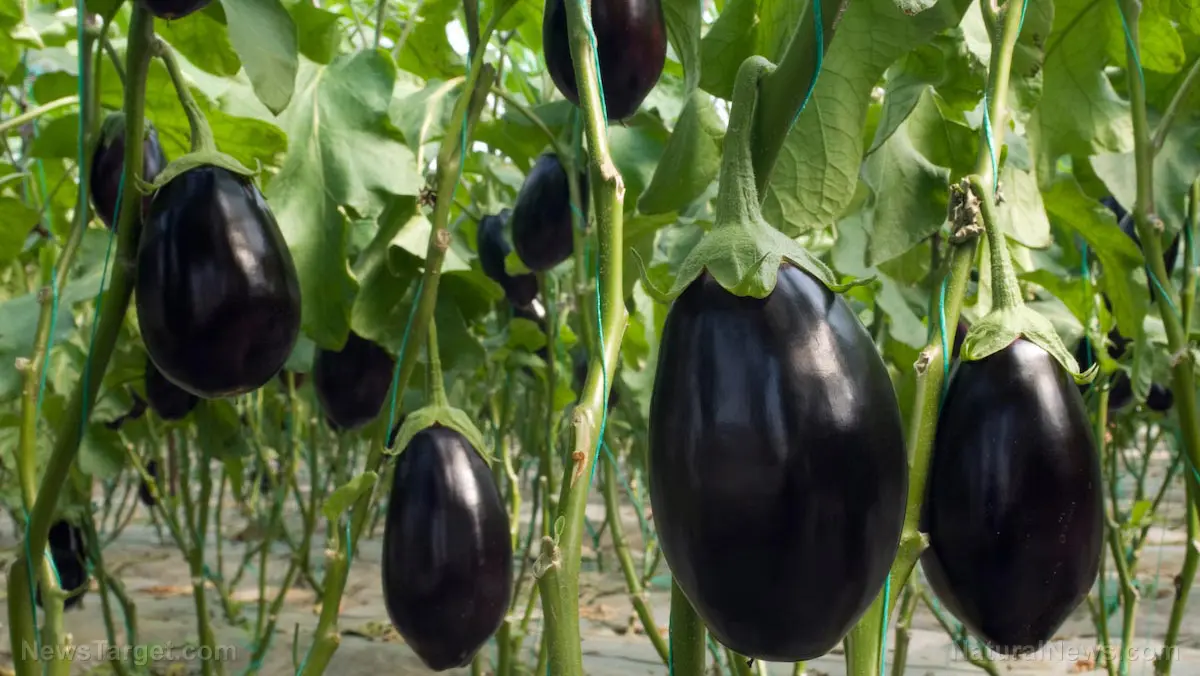
For centuries, the vibrant purple globe that frequently anchors Mediterranean and Asian cuisines occupied a very different place in the human imagination. In 14th-century Spain, traditional cookbooks disparagingly dismissed it as the "disdainful apple," claiming it was fit only for the poorest peasants. In medieval England, the plant was prohibited entirely, burdened by dark superstitions that associated its consumption with leprosy, epilepsy, and madness.
Today, however, that historical stigma has completely evaporated. Modern nutritional science and cellular biology have unmasked the once-maligned produce—technically a botanical berry, though treated as a culinary vegetable—as a formidable cellular shield. With over 1,000 distinct varieties cultivated across the globe and a peak seasonal harvest running from July through October, the eggplant (Solanum melongena) is stepping out of culinary obscurity to claim its rightful place as a nutritional powerhouse.
Recent laboratory findings reveal that this humble nightshade harbors a complex biochemical matrix capable of scavenging free radicals, regulating blood pressure, stabilizing blood glucose, and protecting human skin at a molecular level.
Chronology: A Historical and Scientific Timeline
To understand the modern appreciation of the eggplant, one must trace its journey from botanical outcast to subject of rigorous laboratory investigation.
- Ancient Beginnings: Native to the Indian subcontinent and Southeast Asia, wild ancestors of the eggplant were domesticated thousands of years ago, featuring small, bitter, and heavily thorned fruits.
- The Medieval Misunderstanding (14th–16th Centuries): As the crop spread via trade routes through the Middle East and into Southern Europe, cultural anxieties took root. Medieval Europeans, observing its botanical kinship with other toxic nightshades, blamed the eggplant for widespread illnesses, dubbing it the "mad apple" or banning it outright.
- The Agricultural Rehabilitation (18th–19th Centuries): As agriculturalists selectively bred out the intense bitterness and thorns, European and American palates warmed to the vegetable. By the Victorian era, eggplant recipes began appearing in mainstream cookbooks, shifting its status from ornamental curiosity to table staple.
- The Phenolic Breakthrough (2018): Published research in the journal Food Chemistry upended conventional dietary assumptions, identifying the eggplant as possessing a significantly higher phenolic content than many commonly consumed vegetables, officially establishing its antioxidant credentials.
- Decoding the Gut-Brain Connection (2019–2021): Landmark physiological studies revealed that the exceptionally high levels of plant-based acetylcholine in eggplants interact directly with gut receptors, stimulating the Vagus nerve to regulate blood pressure and induce a parasympathetic calm.
- Skin Protection and Advanced Molecular Findings (2023–2025): A 2023 compositional study mapped acetylcholine variance across 100 global varieties, while a pivotal 2025 study published in Molecules demonstrated that specific eggplant extracts actively neutralize toxic fat-oxidation byproducts, defending human skin cells against daily oxidative stress.
Supporting Data: Biochemical Mechanisms and Nutritional Metrics
At the heart of the eggplant’s newfound scientific prestige is its dense concentration of bioactive compounds. Far from being merely a vehicle for olive oil and breadcrumbs, a single serving of eggplant introduces an array of protective phytochemicals into the human body.
1. Nasunin and Chlorogenic Acid
The striking deep purple skin of standard eggplants owes its color to nasunin, a potent anthocyanin pigment. Laboratory testing shows that nasunin exhibits stronger antioxidant activity than fifteen other common vegetables. Rather than simply acting as a passive free-radical scavenger, nasunin actively binds to free iron molecules in the body, intercepting them before they can catalyze harmful free-radical reactions.
Meanwhile, chlorogenic acid—which accounts for 70 to 90 percent of the total phenolic content found within the flesh of the fruit—works synergistically with nasunin to lower systemic markers of oxidative stress and protect cellular DNA from mutation.
2. The Acetylcholine Supersource
One of the most astonishing nutritional discoveries regarding Solanum melongena is its concentration of acetylcholine, a vital neurotransmitter involved in autonomic nervous system function. Eggplant contains up to 2,900 times more acetylcholine than other common vegetables.
Investigating this phenomenon, a 2023 study published in the Journal of Food Composition and Analysis analyzed 100 distinct varieties. Researchers discovered that round, green Asian eggplants contain the highest concentrations—boasting up to seven times more acetylcholine than standard purple globe varieties, though the latter still maintain remarkably high baseline levels.
3. Blood Sugar and Fiber Metrics
With roughly 2.5 grams of dietary fiber per cooked cup, eggplant exerts a powerful regulatory effect on digestion. Clinical reviews in journals such as the Iranian Journal of Basic Medical Sciences have highlighted that specific extracts derived from both the skin and the pulp of the eggplant actively inhibit key digestive enzymes (such as alpha-glucosidase). This enzymatic inhibition significantly blunts post-meal glucose surges, making the vegetable an asset for metabolic health.
Official Responses and Scientific Consensus
Nutritional epidemiologists and institutional researchers are increasingly incorporating nightshades like eggplant into broader dietary guidelines aimed at chronic disease prevention.
Public health organizations, including the National Cancer Institute (NCI), emphasize that diets rich in unrefined plant foods consistently correlate with a reduced risk of cancers affecting the upper digestive tract, including the mouth, pharynx, larynx, esophagus, stomach, and lungs. While researchers emphasize that much of the direct anti-cancer data regarding eggplant’s specific glycoalkaloids (such as solasodine rhamnosyl glycosides) remains in the pre-clinical and test-tube stages, the broader consensus supports its inclusion as part of a protective, plant-forward diet.
Furthermore, cardiovascular researchers point to the unique autonomic mechanisms uncovered in recent animal and human trials. Rather than acting strictly as a simple diuretic or vasodilator, concentrated eggplant preparations have been shown to help normalize blood pressure in patients with mild hypertension, while concurrently lowering subjective self-reported markers of tension, anger, and cognitive confusion.
Implications for Culinary Practices and Long-Term Health
Translating these laboratory breakthroughs into everyday kitchen practices requires an understanding of how eggplant’s delicate chemistry reacts to heat, light, and preparation methods.
Maximizing Nutritional Bioavailability
Because the vast majority of the fruit’s protective anthocyanins and nasunin reside directly within the skin, peeling an eggplant strips away its primary cellular defenses. Culinary scientists advise washing the vegetable thoroughly and keeping the skin intact.
Furthermore, chemistry plays a vital role in cooking: introducing acidic mediums—such as a splash of lemon juice, crushed tomatoes, or vinegar—helps stabilize anthocyanin structures, preventing them from degrading under high cooking temperatures. While traditional culinary steps like light salting are often used to draw out bitter moisture, medical experts confirm this process does not significantly degrade the vegetable’s core nutritional profile.
Avoiding the Pitfalls of Preparation
The porous, sponge-like cellular structure of the eggplant makes it uniquely susceptible to absorbing cooking oils. Deep-frying, therefore, can quickly transform a low-calorie, nutrient-dense food into a calorie-heavy meal. Health-conscious culinary experts recommend alternative preparation methods—such as grilling, roasting, baking, or light sautéing with minimal healthy fats—to preserve both the delicate flavor profile and the heat-sensitive antioxidants.
Storage Dynamics
Proper post-harvest handling is equally critical. Eggplants are highly sensitive to ethylene gas, a natural ripening hormone emitted by climacteric fruits like apples, bananas, and tomatoes. Storing eggplants in close proximity to these items dramatically accelerates softening and decay. Whole eggplants maintain optimal freshness when kept at ambient room temperatures for three to five days, whereas cut portions should be tightly wrapped, refrigerated, and consumed within 48 hours.
A Bright Future for a Historic Produce
The transformation of the eggplant from a feared medieval hazard into a celebrated pillar of preventative nutrition underscores the evolving nature of dietary science. As ongoing research continues to decode the complex interplay between plant metabolites and human biology, the message from the laboratory is clear. Incorporating whole, minimally processed, skin-on eggplant into one’s regular diet offers a straightforward, accessible, and scientifically validated strategy for bolstering cellular health, mitigating systemic inflammation, and supporting long-term vitality.