








By Global Wellness & Psychological Features Desk
Published: August 2026
Main Facts
Anxiety disorders affect millions worldwide, often trapping individuals in a relentless, self-referential cycle of physical symptoms, hyper-vigilance, and psychological distress. While clinical interventions, psychotherapy, and pharmacology remain the cornerstone of treatment, a growing body of anecdotal and environmental psychology research points toward a powerful, complementary path to healing: reconnection with the natural world.
A striking personal account shared by author, speaker, and mentor Dr. Daniel H. Shapiro brings this phenomenon into sharp focus. Documenting his journey from the debilitating grips of panic disorder in his early twenties to profound psychological resilience, Shapiro’s narrative illustrates the transformative power of external stewardship. Fleeing the high-stress environment of graduate school in Philadelphia after sudden, crippling panic attacks upended his life, Shapiro found an unlikely sanctuary in a Florida park beside a massive banyan tree.
By shifting his focus away from internal physiological monitoring—the racing heart, the tightening chest—and channeling his energy into caring for the living tree, Shapiro discovered a psychological release valve. The act of removing old, rusted iron nails hammered into the banyan’s trunk became a physical manifestation of healing. Decades later, this arboreal sanctuary—affectionately named "Nelly" by Shapiro’s daughter—remains a testament to the therapeutic principle that human mental well-being is deeply intertwined with our capacity to direct attention outward toward the living world.
Chronology of a Crisis and Recovery
Phase 1: The Ascent and the Collapse
In his early twenties, following his college graduation, Dr. Daniel H. Shapiro mapped out a conventional future. He relocated to Philadelphia to pursue a master’s degree, splitting his days between demanding work schedules and intensive evening classes. Immersed in an unfamiliar, high-paced urban landscape, Shapiro attempted to manage lifelong, low-level anxiety.
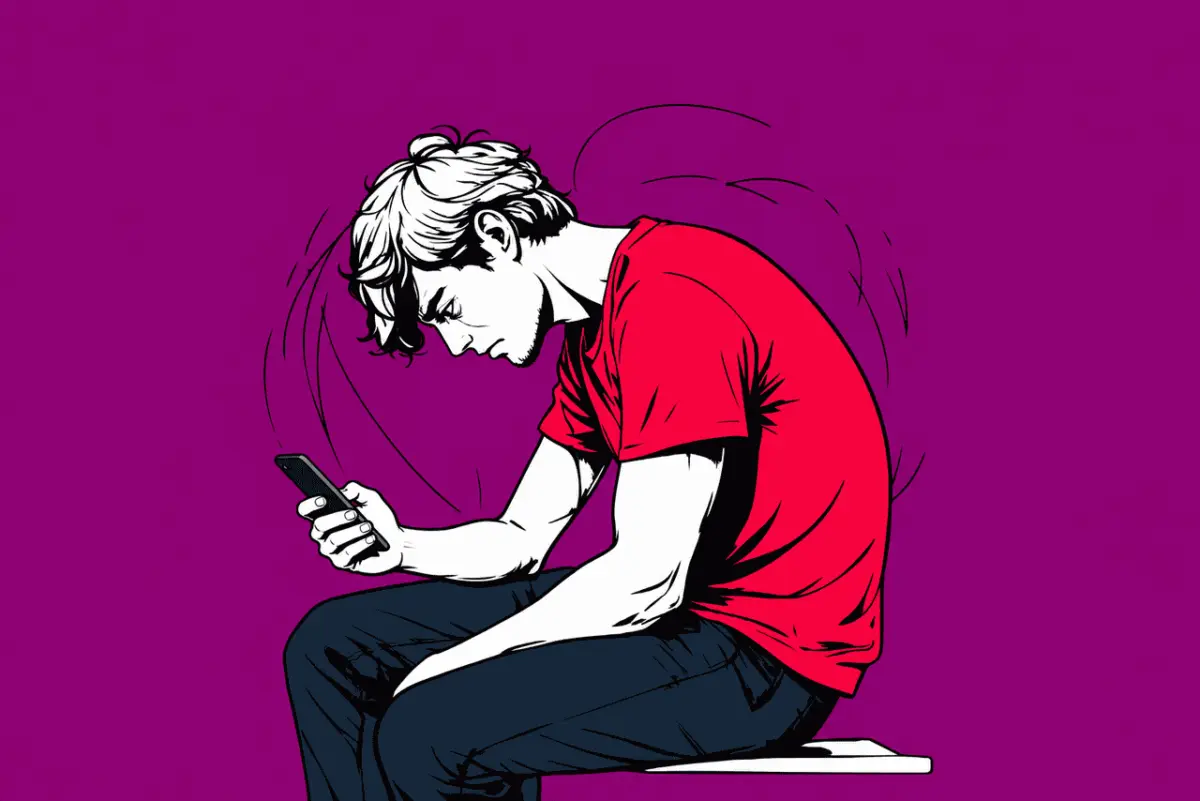
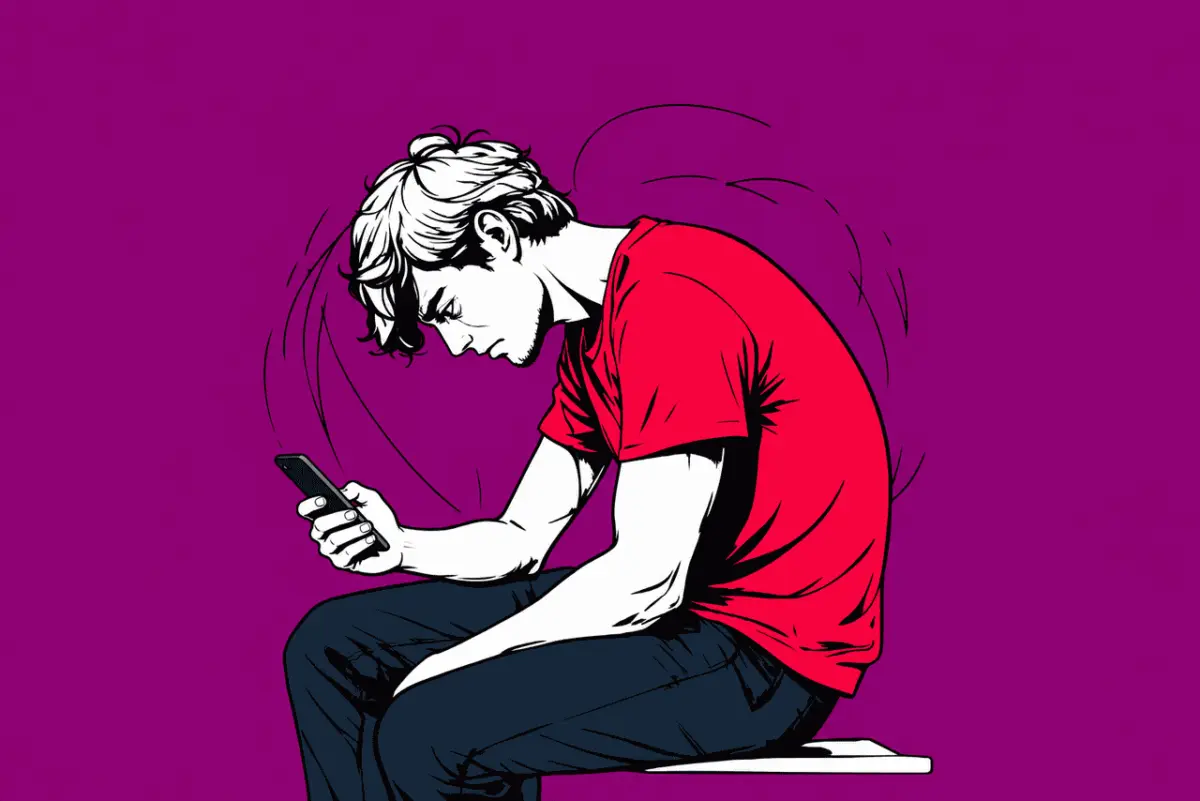
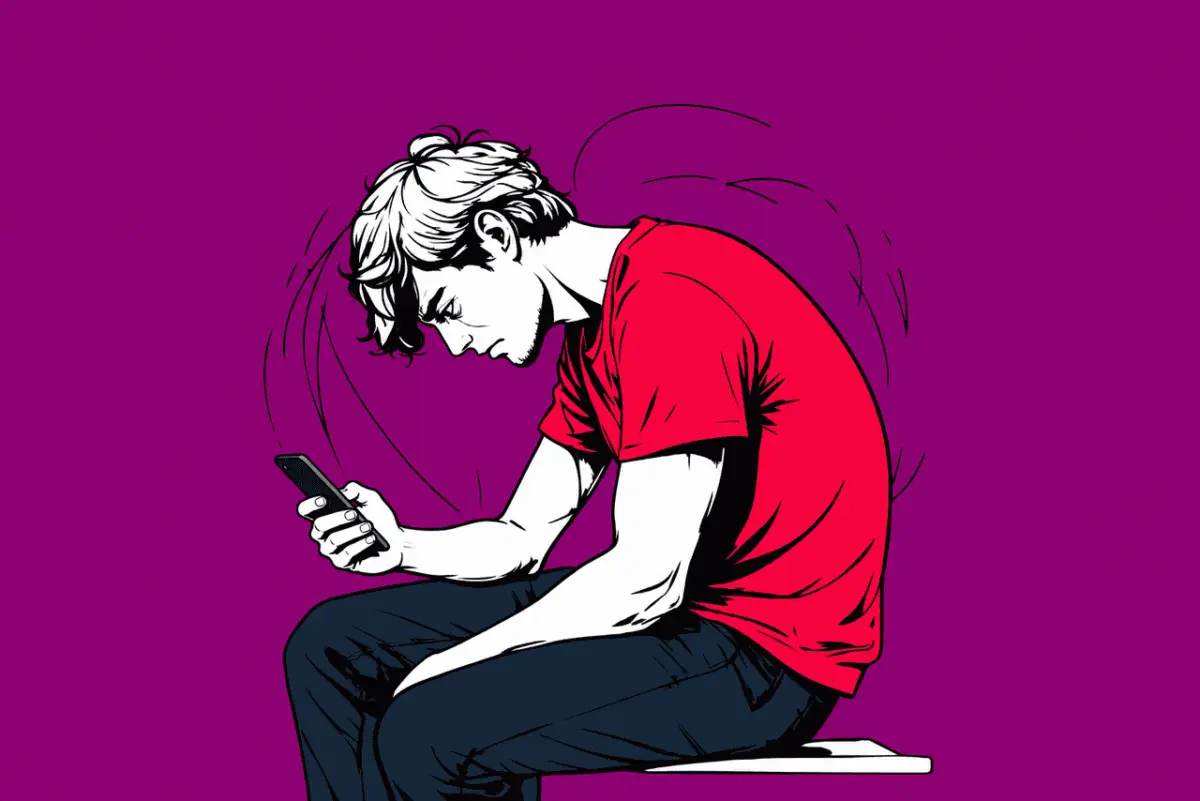
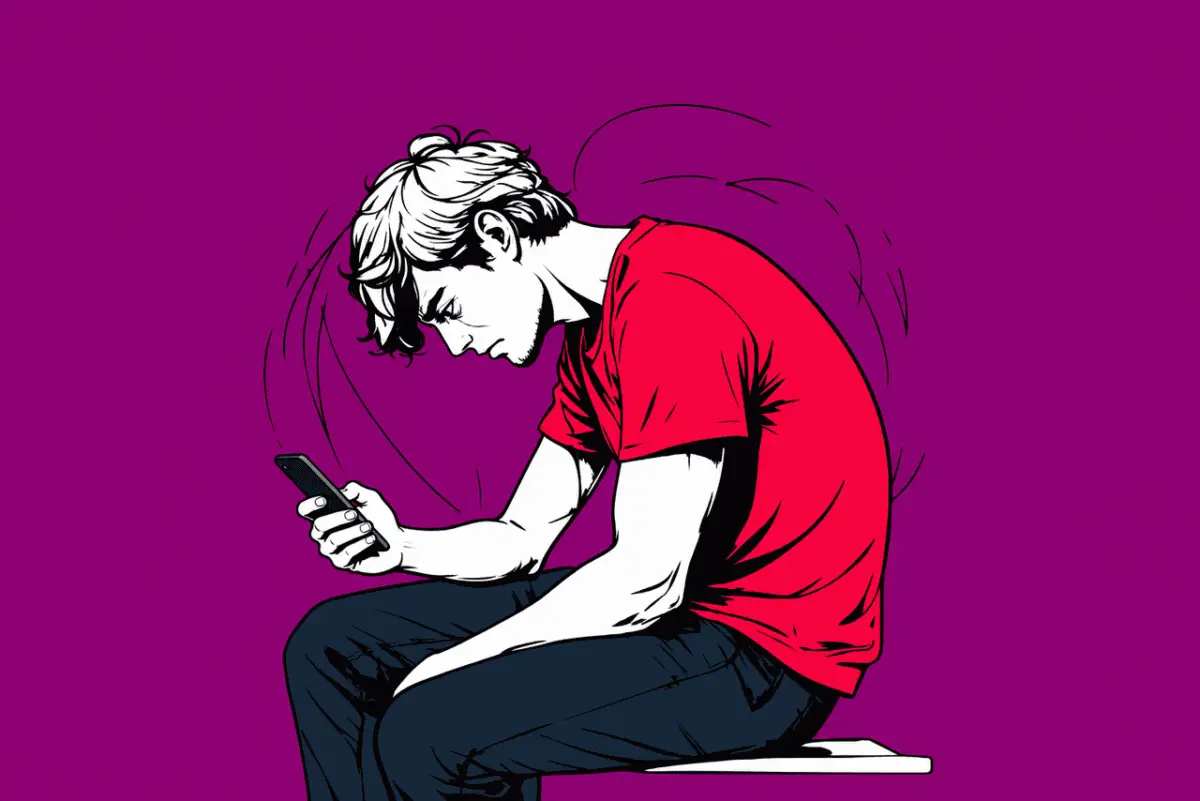
However, the equilibrium shattered without warning. During lectures and work shifts, a profound physiological shift occurred: a sensation of internal shaking, escalating rapidly into full-blown panic attacks. Characterized by sudden surges of adrenaline, chest constriction, and acute shortness of breath, the episodes quickly proliferated, disrupting his ability to concentrate, function, or even sit through a film in a theater. Early attempts at traditional psychotherapy yielded no immediate relief. Recognizing that he was spiraling, Shapiro made the difficult decision to abandon the program after his first semester, packing his car and returning to Florida under the heavy psychological weight of perceived failure.
Phase 2: The Sanctuary of the Banyan
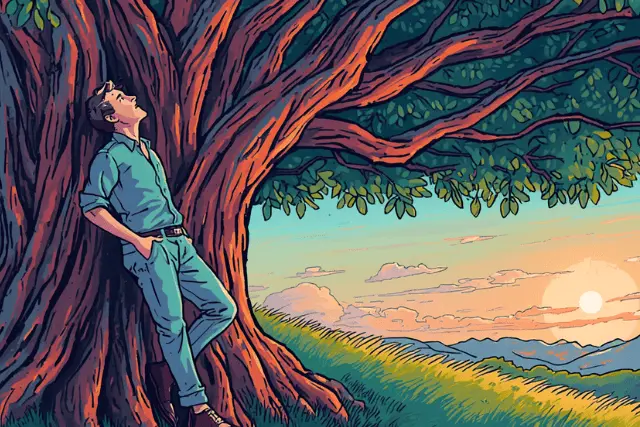
Back in Florida at twenty-two years old, directionless and physically exhausted, Shapiro sought refuge outdoors. Regular walks led him to a local park featuring a small pond and a majestic banyan tree. Unlike trees that grow strictly upward, this banyan featured sprawling limbs and secondary root systems cascading downward to form trunks—resembling a natural cathedral offering open shelter.
Drawn to its architecture, Shapiro climbed into the dividing branches one afternoon. For the first time in months, an enduring peace washed over him. Leaning against the rough bark, he experienced a profound sense of psychological displacement, feeling as though the tree were absorbing his frenetic anxiety and grounding it into the earth.
Phase 3: The Act of Stewardship
During subsequent visits, Shapiro’s relationship with the tree evolved from passive refuge to active stewardship. Noticing that previous visitors had driven iron nails into the living trunk—some rusted with age, others freshly hammered—he recognized them as acts of casual violence against a life-sustaining organism.
Without premeditation, Shapiro began prying the nails loose. Climbing higher into the canopy, he dedicated hours to extracting the hardware. Paradoxically, the more physical care he invested in the tree, the more anchored he felt. Over subsequent weeks, his panic attacks diminished in frequency and intensity. The tree had transformed from a temporary hiding spot into an enduring psychological anchor.
Phase 4: Generational Continuity
Years later, following marriage and the birth of his children, Shapiro returned to the park as a father. His children eagerly adopted the ritual of climbing the banyan’s branches, with his daughter bestowing the name "Nelly" upon the tree. Today, these visits serve as a living bridge between his darkest season of mental health struggles and a present defined by gratitude, family, and psychological wholeness.
Supporting Data and Psychological Context
To understand why Shapiro’s somatic and psychological shift toward the banyan tree yielded such profound clinical dividends, one must examine current research in environmental psychology, neurobiology, and psychiatric care.
The Mechanism of Internal Hyper-Vigilance
Clinical psychologists note that panic disorders and generalized anxiety share a core cognitive distortion: hyper-vigilant self-monitoring. When an individual experiences a panic attack, the amygdala triggers a false alarm, flooding the body with cortisol and adrenaline. The sufferer immediately focuses inward, monitoring heart rate, respiration, and muscle tension.
According to cognitive-behavioral models, this intense internal focus acts as an accelerant. By viewing every bodily sensation as an imminent threat, the brain misinterprets normal physiological fluctuations as catastrophic events, locking the nervous system in a feedback loop.
Attention Restoration Theory (ART)
Pioneered by environmental psychologists Rachel and Stephen Kaplan, Attention Restoration Theory (ART) posits that human cognitive resources—specifically directed attention—are finite and easily depleted by modern urban living, academic stress, and trauma.

When directed attention is fatigued, individuals experience irritability, mental fatigue, and heightened anxiety. ART demonstrates that natural environments engage "soft fascination"—effortless attention captured by clouds, leaves, water, and wildlife. This allows the brain’s prefrontal cortex to rest and recover from executive fatigue. In Shapiro’s case, focusing on the banyan tree and the physical task of removing nails engaged soft fascination, effectively short-circuiting his internal panic loop.
Ecotherapy and Biophilia
Coined by sociobiologist E.O. Wilson, the biophilia hypothesis suggests that human beings possess an innate, genetically determined affinity for the natural world. Modern ecotherapy—or green care—capitalizes on this innate connection, utilizing structured interactions with nature to treat conditions ranging from major depressive disorder to post-traumatic stress disorder (PTSD).
Clinical studies tracking patients engaged in conservation, gardening, and outdoor stewardship consistently record:
- Reductions in Cortisol Levels: Spending time in green spaces measurably lowers stress hormone production.
- Vagal Nerve Stimulation: Natural settings promote parasympathetic nervous system dominance, reducing heart rates and blood pressure.
- Decentering: Activities that shift focus away from the ego and toward the care of other living entities reduce rumination, a primary driver of depressive and anxious thoughts.
Official Responses and Expert Perspectives
Mental health professionals, environmental advocates, and trauma specialists have increasingly emphasized the necessity of bridging clinical therapeutics with ecological engagement.
Dr. Elena Vance, a clinical psychologist specializing in somatic trauma therapy, notes that recovery often requires physical movement away from self-absorption:
"Trauma and chronic anxiety trap people inside the architecture of their own fear. The body becomes a contested territory. What Dr. Shapiro’s experience highlights is the profound therapeutic breakthrough that occurs when an individual’s focus is gently, purposefully redirected outward. Caring for a living organism—whether a tree, an animal, or a community garden—offers the nervous system a safe external anchor. It proves to the brain that one is capable of agency, care, and connection outside of one’s own internal suffering."
Environmental policy advocates also point to the urgent need for urban green spaces as a public health imperative. Dr. Marcus Thorne, a researcher in public health and urban ecology, stresses that nature access is not merely an aesthetic amenity, but a clinical necessity:
"We treat mental health exclusively within the sterile four walls of clinical offices while ignoring the ecological deficit plaguing modern populations. When cities invest in parks, mature trees, and accessible green infrastructure, they are actively investing in preventative psychiatric care. Nature is a silent co-therapist that never clocks out."
Implications for Modern Mental Health Care
The narrative of the banyan tree offers far-reaching implications for how contemporary society approaches psychological healing, personal resilience, and holistic wellness.
1. Re-evaluating the Question of Healing
Traditional therapeutic paradigms often frame healing as an introspective excavation: What is broken inside me, and how do I fix it? While self-reflection is undeniably vital, Shapiro’s journey suggests an alternative or complementary query: What outside of myself needs my care right now?
By pivoting from internal interrogation to external stewardship, individuals can bypass the fatigue of endless self-analysis. The act of tending to a garden, rescuing an animal, volunteering, or simply noticing the intricate details of a natural landscape pulls the ego away from its panic-induced fortress.
2. The Integration of Green Prescriptions
In countries like Canada, the United Kingdom, and parts of Scandinavia, healthcare providers are increasingly issuing "nature prescriptions"—formal recommendations for patients to spend designated hours outdoors in green or blue spaces. Shapiro’s experience underscores the validity of this movement. Integrating ecological engagement into standard psychiatric treatment plans could significantly reduce reliance on pharmacological interventions for mild-to-moderate anxiety disorders.
3. Generational Healing and Legacy
Shapiro’s decision to bring his children to the exact banyan tree that once held him during his darkest hours illuminates the concept of intergenerational resilience. Healing is rarely a solitary endeavor; when we find sanctuaries that restore our spirit, passing those places and practices down to the next generation anchors familial bonds in shared spaces of peace and recovery.
Conclusion
Nelly the banyan tree still stands beside her Florida pond. The iron nails extracted by a frightened twenty-two-year-old student are long gone, but the legacy of that arboreal sanctuary endures. As Dr. Daniel H. Shapiro’s story demonstrates, true psychological recovery often requires us to look beyond the immediate boundaries of our own distress. In cultivating a living world outside ourselves, we may ultimately discover that we are the ones being healed.