WASHINGTON / TEHRAN — Seven months into a devastating military conflict that has reshaped global energy markets and upended Middle Eastern geopolitics, the United States and Iran remain locked in a perilous diplomatic deadlock.
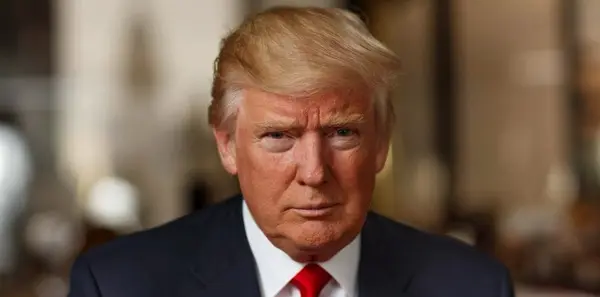
Despite frantic behind-the-scenes back-channel negotiations facilitated by Qatari mediators, U.S. President Donald Trump has firmly denied offering any form of sanctions relief to Tehran. The denial comes even as Iranian officials maintain they are awaiting a formal American response to a newly tabled ceasefire proposal that hinges on the reopening of the vital Strait of Hormuz.
The ongoing friction highlights a fundamental disagreement over the terms of engagement. While Tehran views its seven-day phased proposal as a viable roadmap to end hostilities and restore maritime commerce through a chokepoint carrying roughly 20% of the world’s petroleum, the White House continues to project an image of unyielding strength, interpreting the diplomatic overture as a confession of weakness born of wartime desperation.
Main Facts
The current diplomatic confrontation centers on a delicate quid-pro-quo floated by Iranian leadership to end the crippling naval and economic blockade that has defined the conflict since its inception in February.
- The Core Proposal: Iran’s newly revised ceasefire plan offers a phased reopening of the strategic Strait of Hormuz. In exchange, Tehran demands the cessation of the U.S. naval blockade on Iranian ports, an immediate halt to military operations in both Iran and Lebanon, the suspension of crushing oil sanctions, and unhindered access to billions of dollars in frozen Iranian assets overseas.
- The American Rejection: President Trump has publicly and repeatedly rebuffed these conditions. Over the weekend, Trump told White House reporters that Iran’s sudden push for an agreement was driven entirely by "desperation" as the Islamic Republic absorbs heavy military and economic losses. On Monday, Trump took to his social media platform, Truth Social, to explicitly refute reports from major media outlets—including Axios and CNN—suggesting his administration was considering easing sanctions and unfreezing assets in exchange for concessions on Iran’s nuclear program. "This is untrue. I offered them NOTHING," Trump wrote.
- Tehran’s Stance: Iranian Foreign Minister Abbas Araghchi countered that Qatari mediators in New York are still actively relaying Tehran’s proposals to Washington. Araghchi stated that Tehran has yet to receive an official, definitive rejection through diplomatic channels and remains in a holding pattern, waiting for mediators to deliver Washington’s formal response.
Chronology of the Crisis
To understand how the current diplomatic impasse materialized, it is necessary to trace the escalation of the conflict over the past year:
- February: The war—initiated by a joint U.S. and Israeli military campaign codenamed "Operation Epic Fury"—erupts, following years of escalating tensions over regional proxy conflicts and Tehran’s advancing nuclear infrastructure.
- Early Conflict Phase: The initial weeks of Operation Epic Fury see widespread kinetic strikes across Iranian strategic sites. In response, Iran orders the closure of the Strait of Hormuz, effectively choking off a critical artery of international commerce and instantly sending shockwaves through global financial markets.
- Months 2 through 6: The conflict metastasizes into a grinding war of attrition. Thousands of military personnel and civilians are killed. Iranian-backed regional militias and proxy networks launch coordinated drone and missile strikes against U.S. partners and infrastructure across the Persian Gulf, while Houthi forces in Yemen escalate operations against Saudi-backed forces and commercial shipping in the Red Sea.
- Last Week: Reports surface detailing a seven-day Iranian ceasefire plan centered around the conditional reopening of the Strait of Hormuz. Qatari diplomats step up shuttle diplomacy in New York to bridge the gap between Washington and Tehran.
- The Weekend: President Trump publicly rejects the terms during a White House press briefing, framing the Iranian initiative as an act of capitulation.
- Monday: Media reports emerge alleging potential U.S. willingness to trade sanctions relief for nuclear program constraints. Trump immediately fires back on Truth Social, denying any such compromises. Meanwhile, Foreign Minister Araghchi insists that formal diplomatic channels remain open via Qatari intermediaries, setting the stage for a tense standoff.
Supporting Data and Economic Impact
The human and financial toll of the seven-month conflict has proven staggering, extending far beyond the immediate combat zones to exert immense pressure on the global economy.
Energy Markets and Inflation
The closure of the Strait of Hormuz has served as the primary economic pressure point of the war. With roughly one-fifth of the world’s petroleum transiting the narrow waterway, the blockage has induced persistent panic buying and supply anxiety.
- Crude Benchmarks: Brent crude futures climbed to $106.77 per barrel, while U.S. West Texas Intermediate (WTI) crude hovered at $93.94 per barrel. Both global benchmarks notched significant gains, maintaining an elevated baseline that continues to stoke inflationary pressures worldwide.
- Global Inflationary Spiral: Central banks across developed and developing nations have struggled to tame inflation exacerbated by sustained high energy costs, directly linked to the prolonged disruption of Middle Eastern shipping lanes.
Regional Spillovers
The war has defied attempts at containment, drawing in additional regional actors:
- The Gulf States: U.S. allies in the Gulf have faced continuous barrages of asymmetric drone and missile attacks orchestrated by Iran and its aligned militias.
- The Red Sea Theater: In Yemen, Houthi fighters have intensified their offensive against Saudi-backed forces, simultaneously threatening critical Saudi oil export infrastructure along the Red Sea coastline and drawing Riyadh deeper into the orbit of the conflict.
Official Responses and Strategic Calculus
The opposing rhetoric from Washington and Tehran lays bare divergent strategic goals that complicate any immediate path toward peace.
The White House Perspective
The Trump administration continues to utilize a strategy combining maximum military pressure with uncompromising diplomatic demands. According to administration officials, the war’s primary strategic objectives remain non-negotiable:
- Permanently preventing Tehran from acquiring or developing a nuclear weapon.
- Dismantling Iran’s capacity to project power and attack regional neighbors and U.S. interests.
- Creating internal conditions favorable to fundamental political change or regime transformation within Iran.
By dismissing Iran’s ceasefire terms as weak maneuvering, President Trump signals that his administration believes sustained military and economic pressure will eventually yield a more favorable posture from Tehran.
The Iranian Perspective
Iranian leadership has attempted to project a dual image of military resilience paired with diplomatic pragmatism.
In a recent interview with CBS’s Face_the_Nation, Iranian President Masoud Pezeshkian emphasized that while Tehran is fully prepared to engage in meaningful negotiations regarding its nuclear program and regional stability, it will steadfastly reject any overtures rooted in "bullying or coercion."
"Iran is not seeking war, but will defend itself against pressure, threats and attacks," Pezeshkian asserted during the interview.
Pezeshkian also reiterated Tehran’s official stance that the nation is "not supposed to develop nuclear weapons." It is worth noting that Iran does not currently possess an operational nuclear arsenal and has consistently denied any intention of building one, maintaining that its nuclear program is strictly limited to domestic civilian energy capacity. This position is supported by long-standing assessments from the U.S. intelligence community—dating back consistently to at least 2007—which concluded that Iran officially halted its active nuclear weapons development program in late 2003.
Despite these assurances, Foreign Minister Araghchi emphasized that Tehran’s willingness to compromise on the Strait of Hormuz is strictly conditional. "Any move toward reopening the Strait of Hormuz is contingent on these conditions being met," Araghchi posted, indicating that the Islamic Republic will not yield on its core demands without reciprocal concessions.
Implications: Diplomacy vs. Escalation
As U.S. and Iranian officials continue to communicate through intermediaries in New York and Doha, the international community watches with bated breath. The fundamental question defining this juncture is whether the warring parties can find a mutually acceptable diplomatic off-ramp, or if the conflict will spiral into a deeper, more destructive phase.
The diplomatic window, though technically open through Qatari mediation, is visibly narrowing. Trump’s outright rejection of the seven-day proposal indicates that the White House views military leverage as its most effective instrument, preferring total compliance over negotiated compromise. Conversely, Iran’s insistence on linking maritime commerce to the lifting of sanctions and frozen funds means that any failure of back-channel talks could cement a permanent state of belligerence.
With neither nation able to afford a catastrophic military defeat, yet each seemingly trapped by its own rhetoric, the coming days will test the limits of back-channel diplomacy. Whether the next chapter of this seven-month conflict is defined by the stroke of a pen or the escalation of hostilities remains dangerously uncertain.