







August 12, 2026 — For the millions of individuals living with endometriosis, the journey to a diagnosis is notoriously long and frustrating. Often taking years of navigating overlapping symptoms, misdiagnoses, and dismissal, patients finally handed a diagnosis are typically met with the same vague dietary advice: eat more vegetables, cut out sugar, maybe try going gluten-free.
Now, a sweeping new meta-analysis published in Frontiers in Nutrition is changing that narrative. By pulling together 29 distinct studies, researchers have moved past generalized platitudes to provide a much clearer picture of how specific foods, nutrients, and dietary patterns interact with the biological mechanisms of endometriosis—offering patients a tangible tool to help manage inflammation and regain a sense of control.
Main Facts: The Intersection of Diet, Estrogen, and Inflammation
Endometriosis is a complex, systemic inflammatory condition characterized by the growth of tissue similar to the lining of the uterus outside of the uterine cavity, most commonly found on the ovaries, fallopian tubes, and the outer surface of other pelvic organs.
Two primary drivers fuel the progression of the disease and its associated symptoms:
- Estrogen: This hormone acts as fuel, stimulating the growth and proliferation of endometrial-like lesions.
- Chronic Inflammation: This drives the persistent, debilitating pain, severe pelvic cramping, bloating, fatigue, and pain during intercourse that disrupt daily life for sufferers.
Because these symptoms frequently overlap with other gynecological and gastrointestinal disorders—such as adenomyosis, pelvic inflammatory disease, and Polycystic Ovary Syndrome (PCOS)—obtaining a definitive diagnosis remains a grueling medical hurdle.
However, because chronic inflammation sits at the center of endometriosis pathogenesis, researchers have increasingly turned their attention to the dinner plate. The body of evidence confirms that what we eat can either act as fuel for inflammatory pathways or provide the molecular tools required to calm them down.
Chronology: The Long Road From Vague Advice to Evidence-Based Nutrition
To understand the significance of this 2026 review, it helps to look at the timeline of how nutritional science has approached endometriosis:
- The Pre-2010s Era: Dietary advice for endometriosis was almost entirely anecdotal. Patients were told to avoid "heavy" foods or dairy based on traditional holistic practices, with virtually no clinical data backing the recommendations.
- The 2010s—The Rise of Elimination Diets: As awareness of gut health grew, patients increasingly turned to anecdotal elimination diets—cutting out gluten, dairy, and soy. While some reported anecdotal relief due to concurrent conditions like irritable bowel syndrome (IBS), hard data specifically targeting endometrial lesions remained scarce.
- The Early 2020s—Focus on Systemic Inflammation: Researchers began identifying links between systemic inflammatory markers (such as C-reactive protein) and endometriosis pain severity. Small-scale observational studies started pointing toward Mediterranean-style diets as beneficial, but findings were fragmented.
- August 2026—The 29-Study Consensus: The publication of the Frontiers in Nutrition review marks a major milestone. By synthesizing 29 human, animal, and in-vitro studies, researchers successfully categorized specific dietary components into clear pro-inflammatory and anti-inflammatory categories, shifting the conversation from guesswork to evidence-based patterns.
Supporting Data: What the Science Says
It is important to note that the studies synthesized in the review carry varying weights. Some rely on robust human observational data, while others are built on preliminary animal models or cellular lab research. Nonetheless, clear trends have emerged regarding what helps and what hurts.
Foods Associated with Greater Inflammation and Risk
Observational data consistently links certain dietary patterns to heightened systemic inflammation, elevated estrogen activity, and a greater risk of developing or worsening endometriosis symptoms:
- Trans Fats and Processed Oils: Frequently found in fried foods, commercial baked goods, and margarine, trans fats promote systemic inflammation and disrupt lipid profiles.
- Red and Processed Meats: High intake of beef, pork, and processed charcuterie has been correlated in multiple studies with a higher risk of endometriosis diagnosis, likely due to inflammatory compounds and hormones present in conventional meat products.
- Refined Carbohydrates and Added Sugars: Diets high in white bread, pastries, and sugary sodas trigger rapid insulin spikes, which in turn can increase bioavailable estrogen levels and fan the flames of pelvic inflammation.
- Excess Alcohol and Caffeine: While moderate consumption affects individuals differently, high intake has been linked in some studies to altered estrogen metabolism and heightened pain perception.
Note: Clinical experts emphasize that the goal is not total, draconian deprivation of these items, but rather reducing their frequency as part of a broader shift toward an anti-inflammatory lifestyle.

What to Put on Your Plate: The Anti-Inflammatory Blueprint
The review underscores that the overall dietary pattern matters far more than any single superfood. The data strongly favors a nutrient-dense, plant-forward approach enriched with specific therapeutic compounds:
- Omega-3 Fatty Acids: Found abundantly in fatty fish (such as salmon, sardines, and mackerel), as well as walnuts and flaxseeds, omega-3s actively inhibit inflammatory pathways in the body.
- Antioxidant-Rich Produce: Colorful fruits and vegetables—particularly berries, leafy greens, cruciferous vegetables (like broccoli and kale), and bell peppers—combat oxidative stress, which is heavily implicated in pelvic pain and lesion growth.
- Fiber and Gut-Supporting Foods: High-fiber whole grains, legumes, and prebiotic foods help the body metabolize and excrete excess estrogen efficiently via the gut microbiome.
- Herbs and Spices: Bioactive compounds found in turmeric (curcumin), ginger, and garlic have demonstrated potent natural anti-inflammatory and pain-modulating properties in preliminary and clinical trials.
Official Responses and Medical Perspectives
Medical professionals have long wrestled with how to counsel patients on nutrition, given the historical lack of rigorous clinical trials in women’s health.
Dr. Elena Vance, a reproductive endocrinologist and pelvic pain specialist who was not involved in the study, notes that the review provides a much-needed bridge between traditional medicine and lifestyle interventions.
"For too long, telling patients to ‘eat healthy’ felt dismissive because we didn’t have the data to tell them why or how specific foods impact pelvic lesions," Dr. Vance explains. "This research gives us a framework. We can now explain that omega-3s and antioxidants aren’t just ‘good for you’ in a vague wellness sense—they actively modulate the inflammatory cytokines that cause cramping and tissue growth."
At the same time, nutritional epidemiologists emphasize a crucial caveat: diet is a supportive tool, not a standalone cure.
"No single food or diet will eradicate endometriosis lesions or replace necessary medical therapies, whether that involves hormonal suppression, pain management, or specialized excision surgery," says clinical nutritionist Marcus Sterling. "Instead, think of medical care as the primary driver of disease management, and nutrition as the high-grade fuel that helps optimize your body’s inflammatory response and resilience."
Implications for Patients and the Future of Care
For a patient demographic that routinely experiences medical gaslighting, diagnostic delays, and a pervasive lack of treatment options, the findings of this 29-study review offer something invaluable: agency.
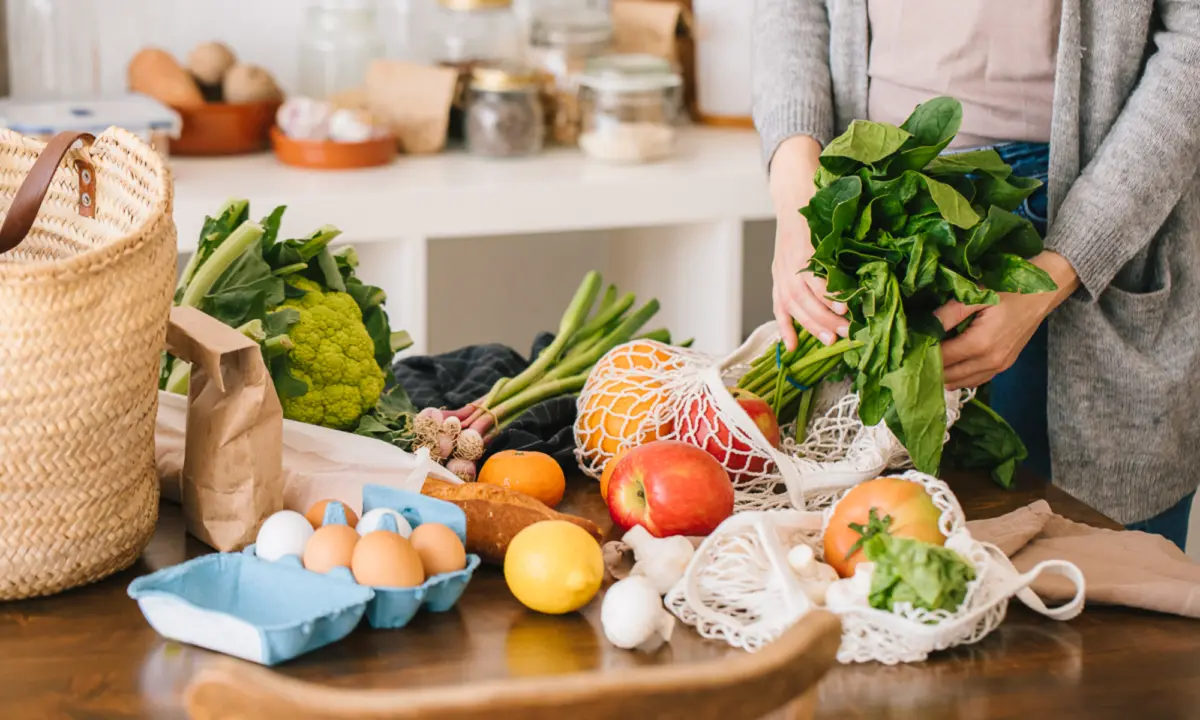
While waiting months or years for specialist appointments, or seeking relief alongside ongoing medical treatments, patients now have evidence-backed actions they can take independently. Shifting the weekly grocery cart to include more fatty fish, vibrant produce, and anti-inflammatory herbs—while cutting back on trans fats and refined sugars—provides a manageable, proactive step forward.
Ultimately, the convergence of this data points toward a sustainable, workable lifestyle pattern. While medical science continues to search for a definitive cure for endometriosis, empowering patients with clear, actionable nutritional science is a monumental step toward reclaiming their comfort, health, and quality of life.