









NATIONAL REPORT — When disaster strikes, the immediate instinct for many households is to inventory physical supplies: canned goods, bottled water, batteries, and generators. However, a comprehensive new report published by The Survival Mom suggests that equipment shortages are rarely the primary reason families falter during crises. Instead, human error, flawed communication strategies, and over-reliance on a single capable individual are the true hidden vulnerabilities undermining household readiness.
Drawing from stark, real-world trials—including the widespread grid failures of the 2021 Texas Freeze and the devastating path of 2024’s Hurricane Beryl—the report argues that the critical divide between a resilient family and one that devolves into panic rarely comes down to gear. Rather, it exposes a sobering truth: most emergency plans are built on optimistic assumptions that dissolve the moment the power grid fails, cell towers go dark, or a crisis hits at 2:00 a.m. while family members are scattered.
Main Facts: The Seven Recurring Gaps in Household Readiness
According to The Survival Mom founder and emergency preparedness experts, families who consider themselves prepared frequently find their strategies crippled by recurring organizational gaps. The report shifts the focus away from consumer spending on survival gadgets and directs it toward internal household dynamics, communication protocols, and logistical blind spots.
The core findings highlight several critical vulnerabilities:
- The Single Point of Failure: In a vast majority of households, only one person knows critical survival details—such as how to operate a backup generator, where vital documents are stored, or what the evacuation protocol entails.
- The "We’ll Figure It Out" Fallacy: Treating communication as an afterthought, assuming that smartphones will always function, or relying on spontaneous coordination during a crisis is effectively planning to fail.
- Medical and Electrical Dependencies: Standard emergency kits routinely overlook household members who rely on continuous electricity for refrigerated medications, insulin, and life-support equipment.
- Out-of-Sight Gear: Emergency supplies are frequently tucked away in forgotten corners or attics, rendering them useless under pressure. (The report highlights how the author’s own family forgot they owned a generator for the first three days of the 2021 Texas Freeze).
- Unrealistic Scenario Planning: Plans are typically drafted assuming optimal conditions—that everyone is home, completely awake, calm, and healthy when a disaster occurs.
Chronology of Crisis: Lessons from the Texas Freeze and Hurricane Beryl
To understand how theoretical plans unravel in real time, the report looks back at two major recent disasters that tested American infrastructure and household resilience to their limits.
February 2021: The Texas Winter Storm (Uri)
When an unprecedented winter storm crippled the Texas power grid, millions of residents were plunged into freezing temperatures without electricity, heat, or running water for days. For many households, the crisis exposed profound logistical oversights. The Survival Mom author recounts personal vulnerability during this event, noting that despite considering her household prepared, the chaos of the freeze caused her family to completely overlook their backup generator for a staggering 72 hours. The confusion, combined with sub-freezing indoor temperatures, demonstrated how easily stress can induce cognitive overload, causing known resources to be entirely forgotten.
Summer 2024: Hurricane Beryl
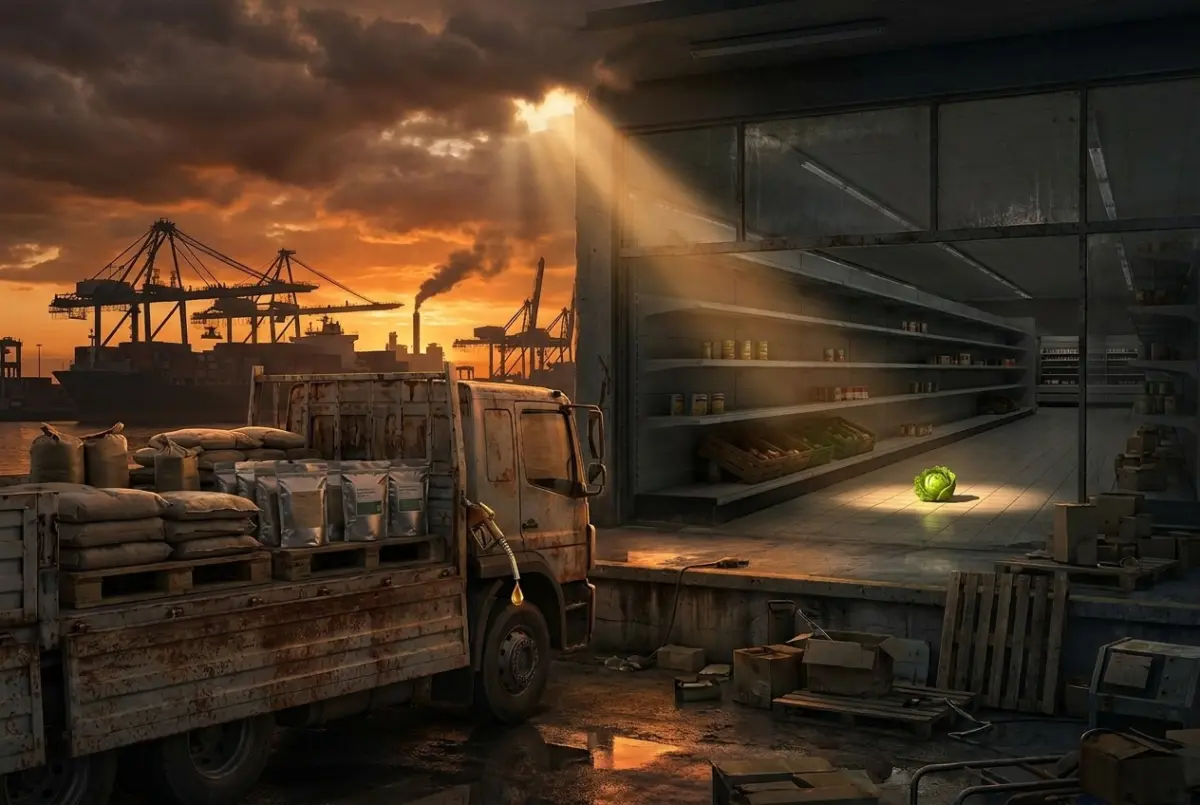
Years later, Hurricane Beryl swept through the Gulf Coast, leaving millions sweltering in tropical heat without power for weeks. The storm tested communication networks, supply chains, and community resilience. Families relying exclusively on cellular data quickly discovered that downed towers meant isolation. Furthermore, households that had skimped on extended water and food reserves—relying strictly on the standard, short-term 72-hour benchmark—found themselves scrambling as grocery store shelves emptied and supply chains remained severed well beyond the initial three-day window.
These successive events served as a crucible for emergency planners, proving that modern infrastructure is increasingly fragile, and that household plans must account for prolonged isolation.
Supporting Data: Rethinking Timelines for Food, Water, and Medical Supplies
The report challenges conventional preparedness benchmarks, arguing that outdated standards leave families vulnerable during extended grid-down scenarios.
Expanding the Food and Water Horizon
While standard government and NGO guidelines have historically recommended a 72-hour minimum of emergency supplies, experts argue this threshold is entirely inadequate for modern regional disasters.
- Food Reserves: The report advises that families must be capable of sustaining themselves for at least seven days without access to grocery stores, supply chains, or external assistance. Conducting a comprehensive pantry inventory is the first step in bridging this gap.
- Water Storage: While basic guidelines suggest three days of water, preparedness author Zoey Sky notes in Water, Food and More that households should aggressively aim for a two-week supply. In prolonged outages, municipal water treatment and distribution systems frequently fail or issue boil-water notices, making independent hydration reserves non-negotiable.
Accounting for Hidden Medical Dependencies
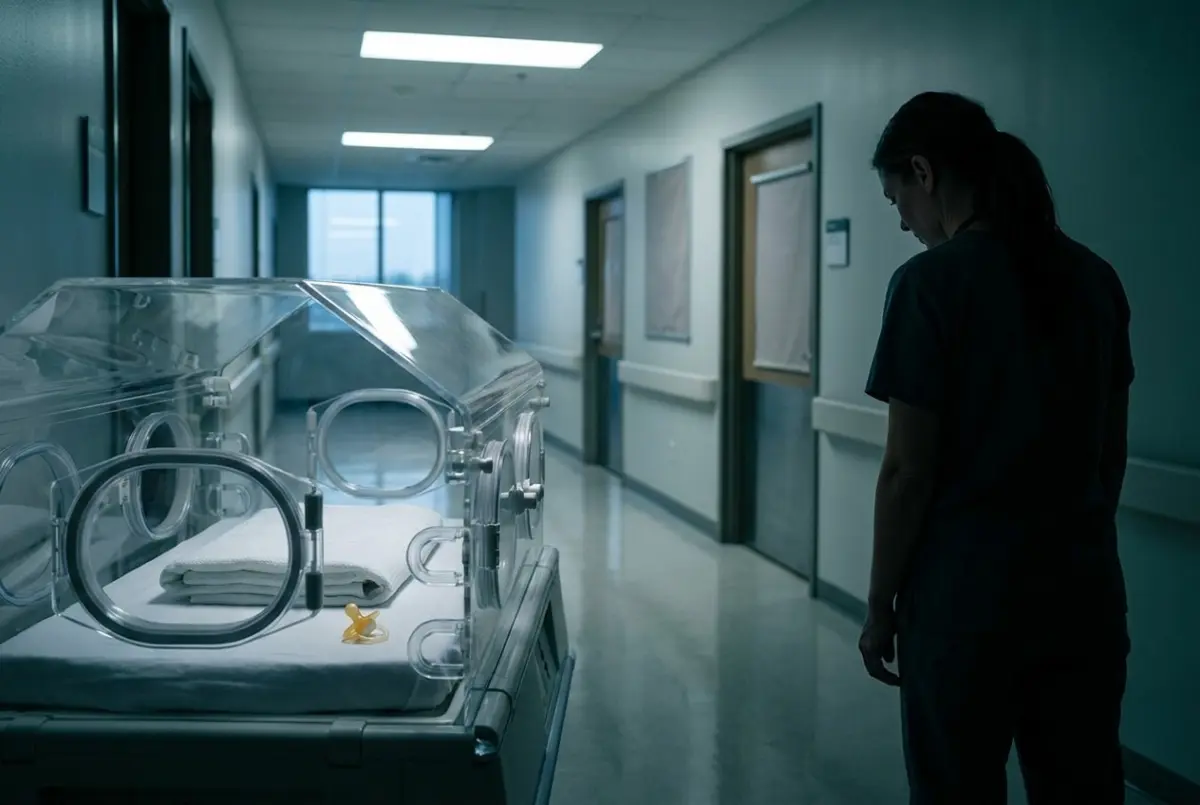
A particularly dangerous oversight in contemporary emergency planning is the neglect of electronic medical dependencies. Millions of Americans rely on devices and medications that require continuous refrigeration or power—ranging from CPAP machines and oxygen concentrators to insulin and biologic therapies.
Standard emergency kits rarely account for these needs. The report urges households to actively stockpile extra prescription medications (in consultation with physicians) and integrate portable, battery-backed power stations or medical-grade solar generators into their primary emergency planning. Furthermore, foundational kits must include robust analog items: high-lumen battery-powered or hand-crank lights, heavy-duty water filtration systems, and hard currency (cash or prepaid debit cards), which remain essential when electronic payment processing terminals are knocked offline.
Official Responses and Expert Insights on Communication and Roles
Emergency management professionals and survival authors emphasize that hardware and supplies are only as good as the people deploying them. When communication infrastructure collapses, psychological preparedness and clear delegation of responsibilities become the ultimate lines of defense.
Dismantling the "We’d Just Call Each Other" Myth
In From Ham Radio to Satellite, Zoey Sky warns that relying exclusively on smartphones and cellular networks creates a catastrophic single point of failure. During major disasters, cell towers are routinely overwhelmed by traffic, disabled by power outages, or physically damaged.
The report states that phrases like "We’d just call each other if we get separated" do not constitute an emergency plan; they represent a fragile hope dependent entirely on external infrastructure outside a citizen’s control. To counter this, families are urged to adopt a layered communication strategy, which includes:
- Designating a mandatory out-of-town contact person whom all separated family members will attempt to call (as long-distance lines often function when local circuits fail).
- Utilizing alternative communication devices, such as family two-way radios (walkie-talkies) or localized HAM radio networks.
- Establishing a fixed, pre-determined physical rally point that everyone knows to travel to if communication blackout conditions persist.
Delegating Tasks and Eliminating the Single Point of Failure
In many households, disaster preparation falls entirely on one individual—often dubbed the "primary planner." This creates a severe organizational vulnerability. If that individual is injured, absent, or overwhelmed when a crisis occurs, the entire household response collapses because no one else knows how to operate equipment, shut off gas lines, or navigate evacuation routes.
To build institutional resilience within the home, experts recommend:
- Clear Role Assignment: Assigning specific emergency tasks to every capable household member—such as managing pets, gathering medical kits, or securing windows.
- Engaging the "Reluctant Member": Spouses or teenagers who display reluctance or skepticism toward preparedness should be given one specific, meaningful job. According to the report, assigning ownership over a distinct task builds psychological buy-in and drastically reduces panic.
- Cross-Training: Ensuring that multiple household members know how to execute critical survival tasks, such as starting a generator, turning off the home’s main water valve, or administering first aid. As Jim Cobb notes in Countdown to Preparedness, clearly defining who is supposed to do what goes a long way toward lessening panic and anxiety during high-stress moments.
Practical Implications: Stress-Testing and Incremental Improvement
The overarching takeaway of the report is that emergency preparedness is an active, ongoing practice rather than a static checklist to be completed and forgotten.
Designing for the "Worst Day"
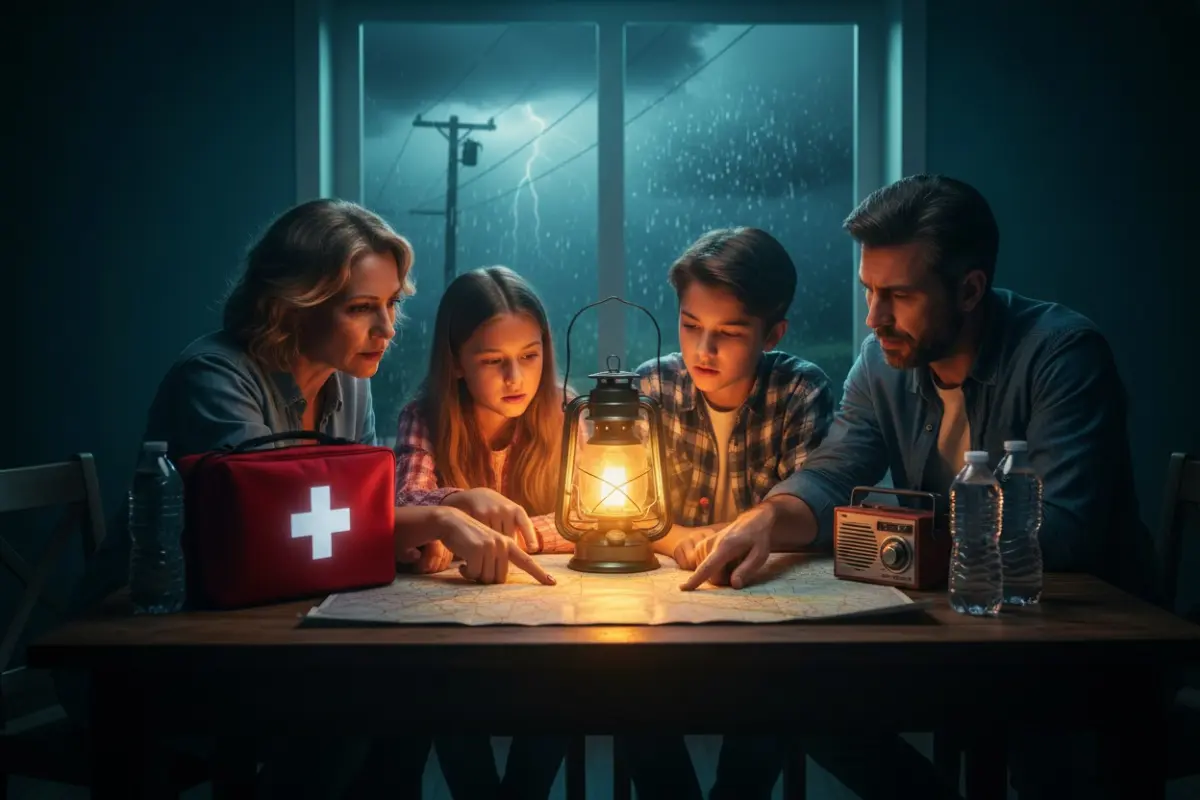
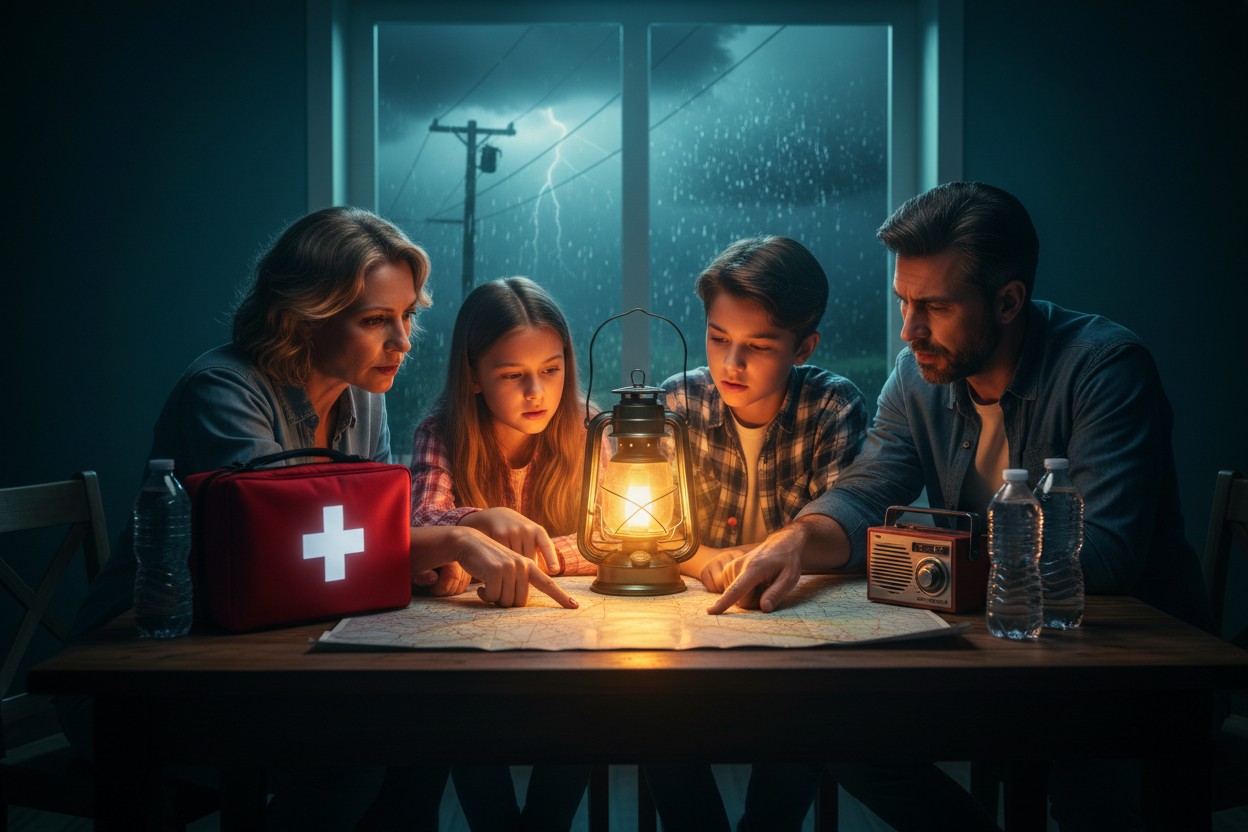
Families are strongly advised to stress-test their plans by evaluating them against worst-case scenarios rather than ideal conditions. Planners must assume they are not home, not awake, and not calm when an emergency strikes.
- What happens if a disaster hits at 2:00 a.m. during a torrential downpour?
- How does the plan hold up if the primary breadwinner is stuck at work across town?
- What adjustments are necessary if a family member is down with a severe illness or flu when the power cuts out?
Actionable Next Steps for Households
Acknowledging that no emergency plan is ever flawless on its first iteration, The Survival Mom report encourages a philosophy of continuous, incremental improvement rather than overwhelming perfectionism.
To assist households, the platform offers a free printable worksheet titled the Family Weakest Link Self-Assessment. This resource guides families through targeted questions designed to expose hidden vulnerabilities before an emergency forces a brutal real-world test. Preparedness experts recommend that households sit down together to discuss just one question from the assessment each week, transforming preparedness from a daunting chore into an approachable family dialogue. Furthermore, families are encouraged to tie their plan reviews to routine biannual household maintenance—such as changing the batteries in smoke detectors every six months.
Ultimately, the report delivers a reassuring yet challenging message: true readiness is not measured by the height of freeze-dried food stacks or the expense of tactical gear, but by the clarity of communication, the strength of shared knowledge, and the calm resilience of a family that has practiced for the worst before it ever arrives.