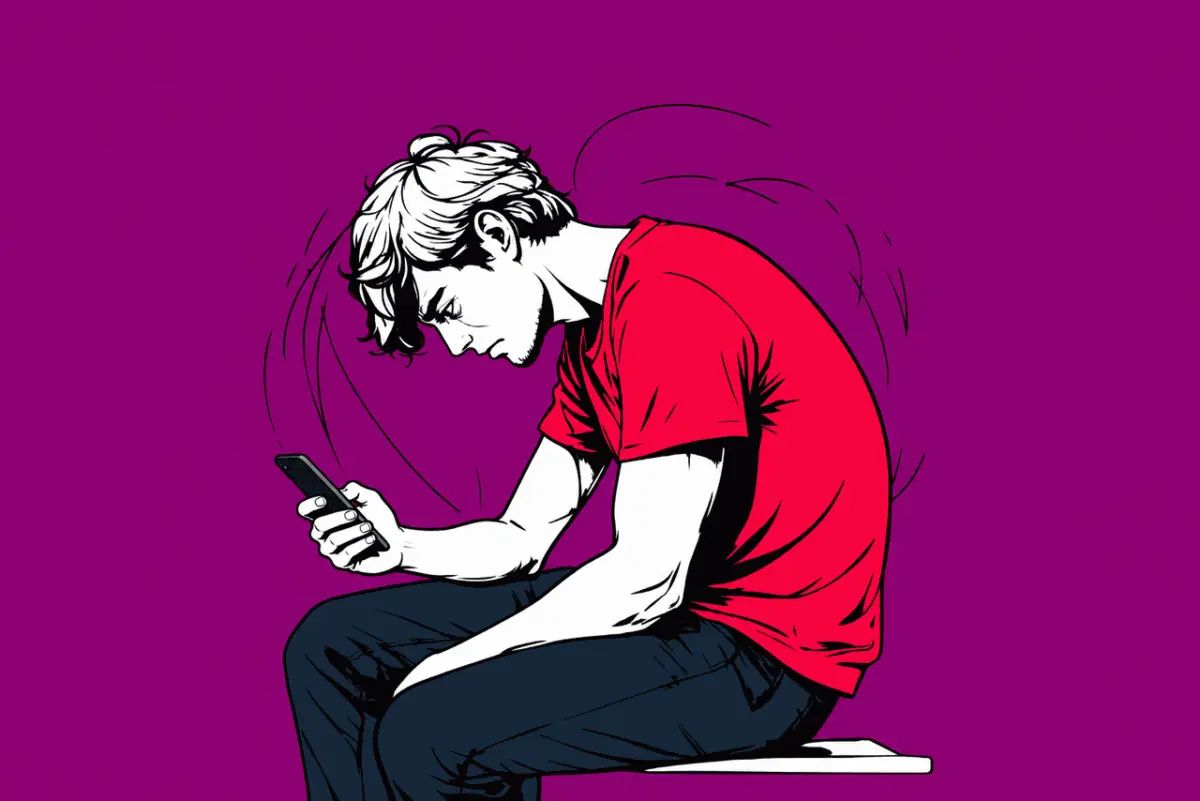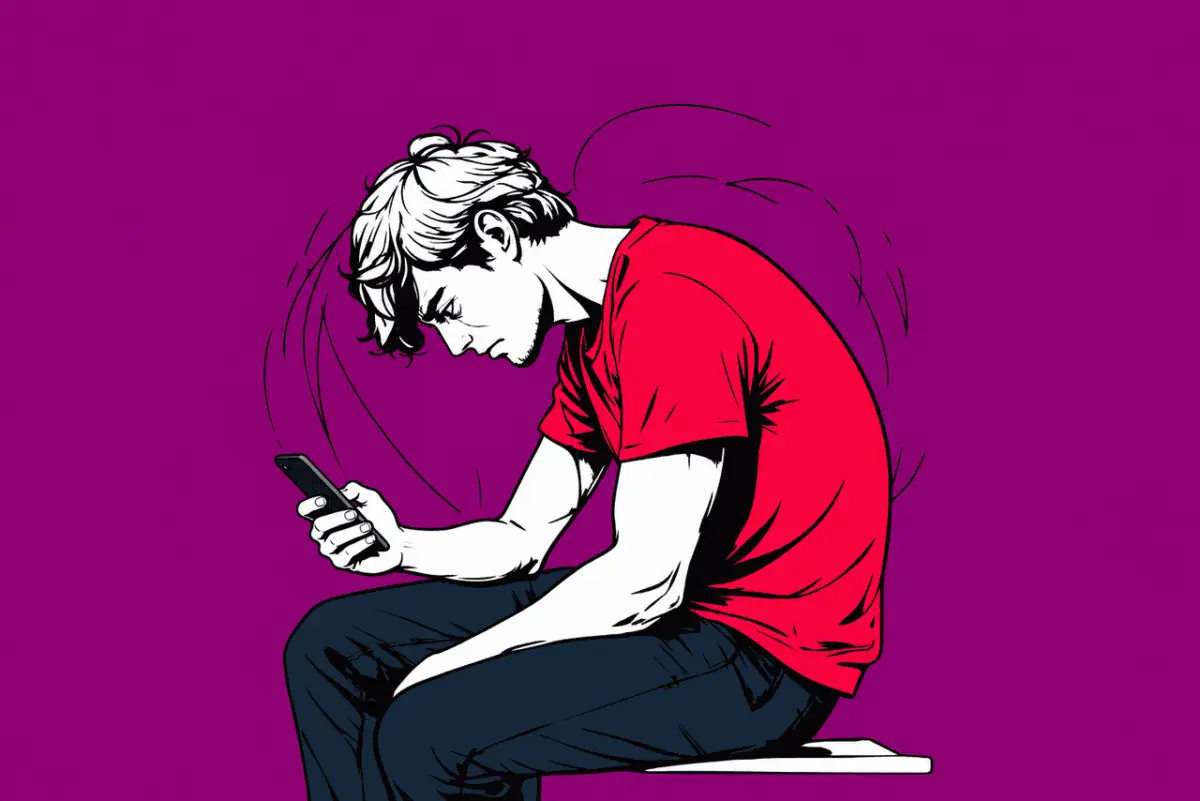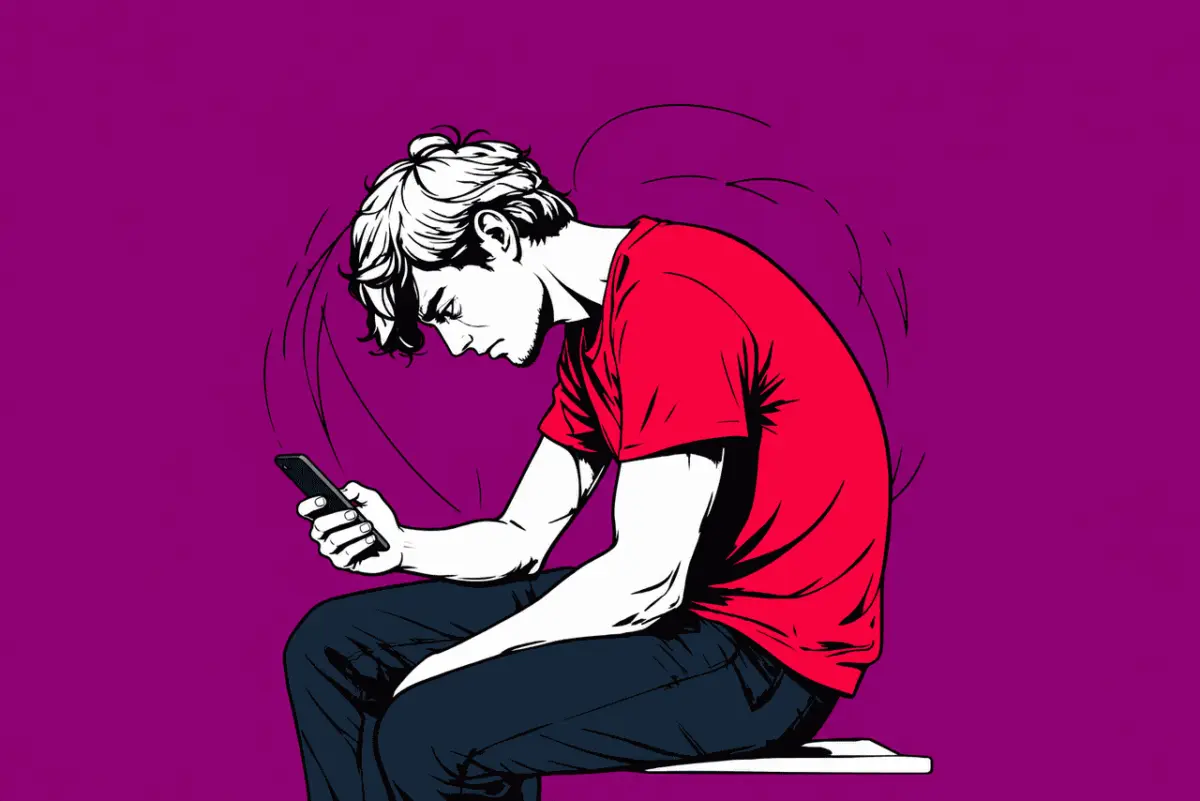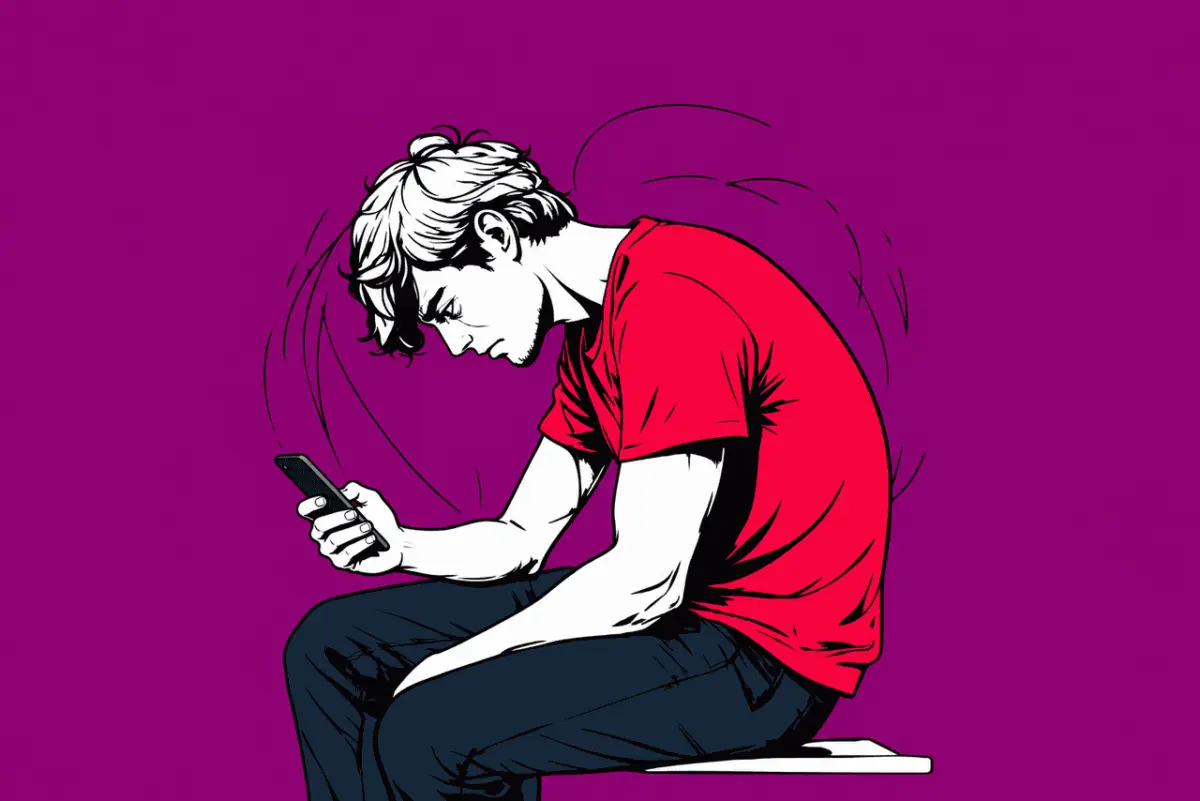
BARCELONA — In the modern pursuit of well-being, society often leans heavily on the illusion of control. People meticulously plan careers, engineer diets, and optimize daily routines, operating under the assumption that effort equals immunity. For Jose Segurado, a former banking professional based in Barcelona, that illusion shattered completely in 2014. At just thirty-one years old, Segurado was handed a diagnosis of multiple sclerosis (MS) and a sobering medical prognosis: he could face severe mobility loss within a year.
What followed was more than a personal health crisis; it was a profound psychological reckoning. More than a decade later, Segurado has defied his initial medical warnings, enjoying over twelve years free of clinical relapses. His journey offers a unique lens through which to examine chronic illness, the fine line between accountability and self-blame, and the psychological architecture of hope without guarantees.
Main Facts: The Turning Point of a Medical Prognosis
The core narrative centers on an abrupt transition from stability to vulnerability. In 2014, Segurado was established in a predictable, high-performing corporate banking career. However, his body began signaling distress through a cascade of baffling neurological symptoms: sudden bouts of vertigo, unexplained falls, loss of coordination, cognitive hurdles with reading, disorientation, and localized numbness.
Subsequent medical imaging delivered the turning point. An MRI revealed over thirty lesions in Segurado’s brain and more than twenty in his spinal cord. The neurological mapping led directly to a diagnosis of multiple sclerosis. Given the high density and specific placement of the lesions, specialists delivered a grim outlook regarding his long-term mobility.
- Patient: Jose Segurado
- Year of Diagnosis: 2014
- Age at Diagnosis: 31
- Initial Prognosis: High risk of severe mobility deterioration within 6 to 12 months.
- Diagnostic Findings: 30+ brain lesions; 20+ spinal cord lesions.
- Current Status: 12+ years without a clinical relapse; active lifestyle, strength training regimen, and professional practice as a health and life coach.
Chronology: From Corporate Certainty to Neurological Chaos
To understand Segurado’s evolution, it is essential to trace the timeline of his disease management and the subsequent transformation of his mindset.
Phase 1: The Onset of Symptoms (Early 2014)
Months prior to his formal diagnosis, Segurado experienced erratic physical phenomena. Navigating city streets became hazardous as sudden losses of balance disrupted his walks. Simple tasks like reading a document required immense cognitive effort as words resisted mental processing.
Phase 2: The Shock of Diagnosis (Mid-2014)
The MRI results ended months of ambiguity, replacing it with an overwhelming prognosis. Segurado recalls the moment not just for the clinical verdict, but for the psychological impact. The prediction of impending immobility felt like an immediate foreclosure on his future. Having relied on planning, calculation, and professional organization in banking, he faced a reality that defied spreadsheet logic.
Phase 3: The Perfectionist Healing Trap (2014–2016)
In the wake of the shock, Segurado launched an aggressive self-care campaign. He modified his nutrition, focused on gut health, integrated mindfulness meditation, and adopted movement modalities such as yoga, Pilates, and strength training. Concurrently, he evaluated long-standing emotional patterns, including chronic stress, perfectionism, and anger.
Yet, this period was marked by anxiety. Segurado initially approached wellness with the same rigidity that governed his corporate career. Every meal was a test; every physical ache was scrutinized as a potential failure. Fear was dictating his lifestyle choices, masking itself as high-discipline health management.
Phase 4: Psychological Shift and Acceptance (2016–Present)
Gradually, Segurado recognized that trying to control health outcomes through hyper-perfectionism was counterproductive. By untangling personal responsibility from toxic self-blame, he developed a sustainable approach to well-being. Subsequent MRIs showed lesion stability, and his physical health stabilized. Stepping away from banking, he transitioned into life coaching and authored I Choose Life, sharing his framework with others navigating chronic illness and burnout.
Supporting Data: Understanding Multiple Sclerosis and Lifestyle Factors
Multiple sclerosis is a chronic, often disabling autoimmune disease that attacks the central nervous system, comprising the brain and spinal cord. According to the International Multiple Sclerosis Federation, over 2.8 million people live with MS worldwide.

While medical interventions—such as disease-modifying therapies (DMTs)—remain the cornerstone of modern MS treatment, integrative health approaches are gaining attention in clinical settings. Research published in neurological journals increasingly highlights the complementary role of lifestyle modifications in managing symptom burden:
- Physical Activity: Controlled strength training and aerobic conditioning have been shown to improve balance, muscle strength, and fatigue management in MS patients.
- Diet and Gut Health: Anti-inflammatory dietary patterns are frequently studied for their potential to modulate systemic inflammation, a primary driver of neurological damage.
- Stress Reduction: Chronic psychological stress can exacerbate inflammatory pathways. Mindfulness and somatic therapies assist in down-regulating the sympathetic nervous system.
However, medical experts consistently emphasize that individual responses to lifestyle interventions vary wildly. Segurado’s clinical stability cannot be cleanly reverse-engineered into a universal prescription, underscoring the necessity of personalized medical care alongside lifestyle adjustments.
Official Responses and Expert Perspectives Within Healthcare
The medical community frequently addresses the delicate psychological balance required when treating chronic and progressive conditions like multiple sclerosis. Neurologists and behavioral health specialists point out that the mind-body connection is fraught with ethical and emotional traps.
The Danger of Patient-Blame Culture
In integrative medicine, there is a risk of inadvertently fostering a culture of victim-blaming. When patients are told that lifestyle choices dictate disease progression, any subsequent relapse can be internalized as a personal failure of discipline or positive thinking.
Clinical psychologists who specialize in chronic illness advocate for a compassionate paradigm shift. Healthcare systems are increasingly moving toward trauma-informed and supportive care models that emphasize patient agency without imposing moral judgments on physical decline. Segurado’s public advocacy directly mirrors this clinical consensus: distinguishing between taking proactive responsibility ("What can support me today?") and enduring unwarranted blame ("If I am sick, I must have erred").
Implications: Redefining Recovery and Life Transitions
The broader implications of Segurado’s journey extend far beyond the neurology clinic. They offer a blueprint for individuals facing catastrophic life disruptions, whether through chronic illness, sudden unemployment, or profound personal loss.
1. Dismantling the Illusion of Control
Modern society encourages the belief that safety can be engineered through sheer willpower and financial stability. Segurado’s experience in the banking sector—coupled with his sudden neurological vulnerability—demonstrates that certainty is an illusion. Accepting this lack of absolute control is often the first step toward psychological resilience.
2. Redefining Recovery
Recovery is frequently conceptualized as a return to the baseline: healing to become the exact person one was before the crisis. Segurado’s narrative challenges this assumption. True recovery often involves shedding outdated identities, toxic professional environments, and rigid psychological frameworks to emerge as someone fundamentally transformed.
3. Practical Action Over Grand Transformations
For those paralyzed by a frightening diagnosis or chronic burnout, the pressure to enact an immediate, flawless lifestyle overhaul can induce paralysis. Segurado’s philosophy champions micro-actions: a single supportive meal, a short walk, unforced rest, or a moment of honest communication. These incremental steps build physical and emotional momentum without demanding clinical perfection.
Conclusion
Jose Segurado’s story is neither a miracle cure narrative nor a standardized medical protocol. It is a deeply human account of adaptation, resilience, and the shedding of fear-based control. By refusing to let a diagnosis dictate the entirety of his narrative, Segurado illustrates that hope does not require guaranteed outcomes. Instead, true hope lives in the quiet space where individuals continue to make imperfect, meaningful choices, reclaim their agency, and build a life of purpose against the odds.