By Global Health & Science Desk
Published September 2023
Main Facts
In an era defined by mounting environmental stressors, digital radiation, and biochemical challenges, the pursuit of genetic resilience has taken center stage in alternative health discussions. Chapter 9 of Mike Adams’ comprehensive docuseries, "UNBREAKABLE"—which premiered on September 6 on the streaming platform BrightU—shifts its focus away from futuristic medical laboratories and toward the primordial history of Earth. The episode highlights an unexpected biological alliance from the microscopic world: chlorella and spirulina.
Rather than presenting these two ancient microalgae merely as standard dietary supplements or trendy "superfoods," Adams frames them as complementary, functionally distinct biological tools designed to support the human body’s intrinsic capacity to protect and repair its genetic machinery.
The core premise of the installment rests on a strategic division of labor:
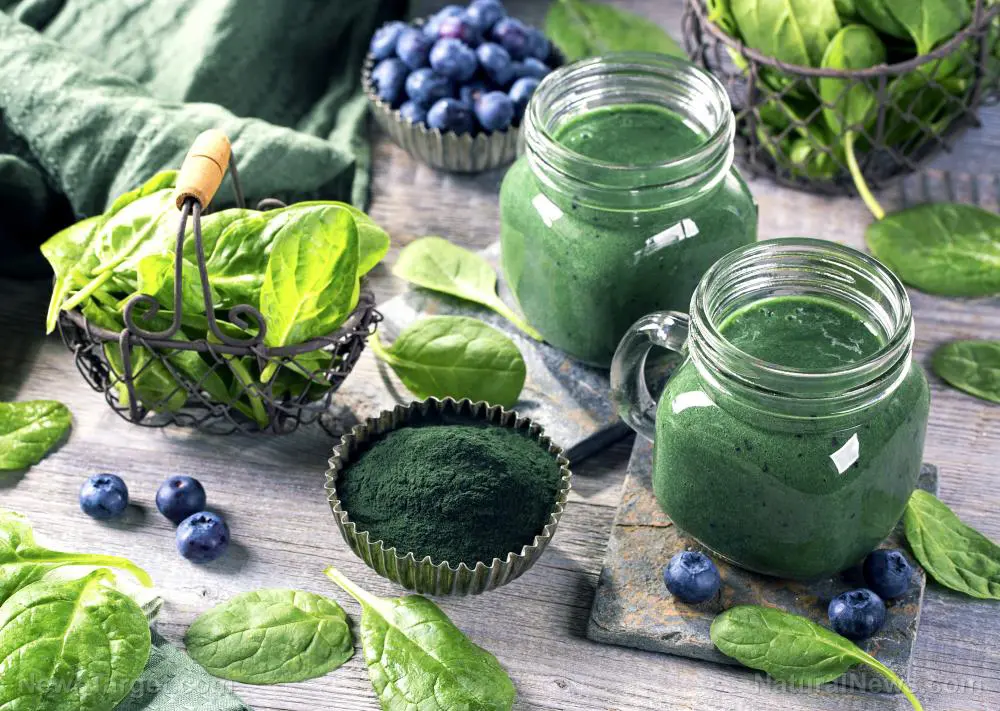
- Chlorella acts as the ultimate raw-material supplier, distinguished by a high concentration of nucleic acids (RNA and DNA components) that contribute vital molecular building blocks directly to cellular pools.
- Spirulina functions as a defensive shield, anchored by its signature blue pigment-protein complex, phycocyanin, which plays a central role in mitigating oxidative stress and bolstering antioxidant defenses.
By examining how nutrition intersects with genetic maintenance, the episode challenges viewers to rethink how ancient organisms might offer modern solutions for cellular survival, DNA integrity, and environmental adaptation.
Chronology
To fully understand the context of Chapter 9, it is necessary to trace the developmental arc of Mike Adams’ "UNBREAKABLE" series and the broader conversation surrounding microalgae in nutritional science.
- Pre-Production and Conceptualization: Long before the launch of UNBREAKABLE, Adams spent years researching cellular degradation, nutritional deficiencies, and the growing vulnerability of human DNA to modern toxic loads, ranging from electromagnetic fields to industrial pollutants.
- The Launch of BrightU: As alternative streaming platforms gained traction for hosting uncensored, deep-dive educational content, BrightU became the home for Adams’ multi-part series, designed to unpack the mechanics of human survival in a hostile world.
- September 6: Chapter 9 of UNBREAKABLE officially airs on BrightU, narrowing its macro-lens on genetic survival down to the microscopic level of single-celled algae. The episode details how chlorella and spirulina work in tandem to support biological structures under siege.
- Post-Airwave Analysis and Educational Outreach: Following the broadcast, the conversation expanded across independent health networks, emphasizing the accessibility of ancient superfoods as practical additions to modern preparedness and longevity protocols. The full 13-chapter curriculum continues to be distributed via Brighteon University, offering continuous education on cellular repair pathways.
Supporting Data
The scientific exploration within Chapter 9 is grounded in biochemical properties that have long fascinated researchers studying longevity, cellular biology, and marine botany.
1. Chlorella: The Nucleic Acid Reservoir
Chlorella is a single-celled, freshwater green microalga that has existed on Earth for over two billion years. Its resilience is written into its cellular structure, which includes a tough, fibrous outer cell wall and a dense internal cytoplasm rich in vitamins, minerals, and notably, nucleic acids.
- Molecular Building Blocks: Adams points to chlorella’s dense concentration of RNA and DNA components. When cells undergo constant replication, maintenance, and—crucially—repair, they require a steady influx of nucleotides.
- The Repair Equation: Without an adequate supply of raw molecular materials, cellular machinery cannot efficiently patch genetic lesions. Chlorella is presented in the series as a direct reservoir capable of replenishing this intracellular pool, ensuring that the body has the structural components necessary for structural restoration.
2. Spirulina: The Phycocyanin Shield
Spirulina, a blue-green microalga (cyanobacterium), offers a contrasting yet complementary biochemical profile. While it also contains proteins and essential amino acids, its defining feature is phycocyanin, the pigment-protein complex responsible for its rich blue-green hue.
- Combating Oxidative Stress: Oxidative stress—driven by reactive oxygen species (ROS) and free radicals—is a primary driver of cellular and genetic damage.
- Enzymatic Activation: Rather than acting merely as a passive sponge that absorbs free radicals, phycocyanin has been studied for its potential to help upregulate the body’s endogenous antioxidant enzymes (such as superoxide dismutase and catalase). In the narrative of UNBREAKABLE, spirulina does not just clean up cellular debris; it helps protect the very enzymatic capacity required to maintain cellular integrity.
3. The Synergy: "Spirulina Protects, Chlorella Repairs"
Synthesizing these attributes, Adams summarizes the relationship with two striking assertions:
"Chlorella provides the building blocks," while spirulina "protects the enzymatic capacity."
"Spirulina helps prevent the lesions and Chlorella helps provide the building block support for repairing the lesions."
This duality bridges the gap between prevention and intervention, linking nutritional inputs directly to the delicate mechanics of genetic preservation.
Official Responses
While mainstream nutritional science frequently categorizes chlorella and spirulina as nutrient-dense dietary supplements rich in protein, iron, and B-vitamins, independent researchers and educators in the functional health space have increasingly gravitated toward their potential cellular-level applications.
Holistic practitioners and biochemists who advocate for preventative wellness strategies have praised the UNBREAKABLE series for translating complex molecular biology into actionable dietary concepts. Commentators note that as modern populations face unprecedented exposure to environmental toxins, radiation, and metabolic stressors, shifting the public conversation toward evolutionary biology and ancient superfoods represents a paradigm shift away from purely synthetic pharmacology.
Mainstream regulatory bodies, such as the U.S. Food and Drug Administration (FDA), generally classify chlorella and spirulina as safe (GRAS – Generally Recognized As Safe) food sources. However, mainstream institutions typically avoid making direct claims regarding DNA repair or genetic protection without extensive, large-scale human clinical trials. Proponents of Adams’ work argue that institutional science often lags behind the pioneering biochemical investigation of synergistic whole foods, leaving individuals to explore these preventative strategies independently.
Implications
The implications of Chapter 9 extend far beyond the dietary inclusion of green powders into morning smoothies. By framing chlorella and spirulina within a rigorous framework of genetic survival, the episode prompts several critical takeaways for health-conscious individuals:
1. A Shift Toward Biological Preparedness
In an environment where cellular damage is virtually unavoidable—stemming from UV radiation, pollution, processed foods, and everyday electromagnetic exposure—passive wellness is no longer sufficient. The UNBREAKABLE framework encourages a proactive posture toward health, urging individuals to supply their bodies with the exact tools required for ongoing genetic maintenance.
2. The Wisdom of Ancient Organisms
There is a profound philosophical and biological lesson in the survival of microalgae. Having endured cataclysmic environmental shifts over billions of years, organisms like chlorella and spirulina have evolved robust internal mechanisms to protect their own genetic material against radiation, oxidative stress, and resource scarcity. By consuming them, humans tap into evolutionarily refined survival chemistries.
3. Holistic Integration in the "UNBREAKABLE" Curriculum
Chapter 9 does not exist in a vacuum. It serves as a vital bridge within the broader 13-chapter UNBREAKABLE course, which guides viewers through complex biological landscapes—including:
- Non-Homologous End Joining (NHEJ) and Homologous Recombination
- Double-strand DNA breaks and repair pathways involving proteins like BRCA1, 53BP1, and CHK1
- The physiological impacts of nuclear fallout, heavy metals, and modern spike proteins
- Practical nutritional strategies designed to fortify cellular resilience against environmental hazards
For those seeking to dive deeper into the science and philosophy of genetic preservation, the complete course package remains available through Brighteon University, offering comprehensive educational materials for both novices and advanced health seekers alike.
Ultimately, Chapter 9 of UNBREAKABLE reframes our understanding of nutrition: food is not merely fuel for energy, but information and raw materials that communicate directly with our genes, offering a lifeline of resilience from the oldest inhabitants of our planet.