









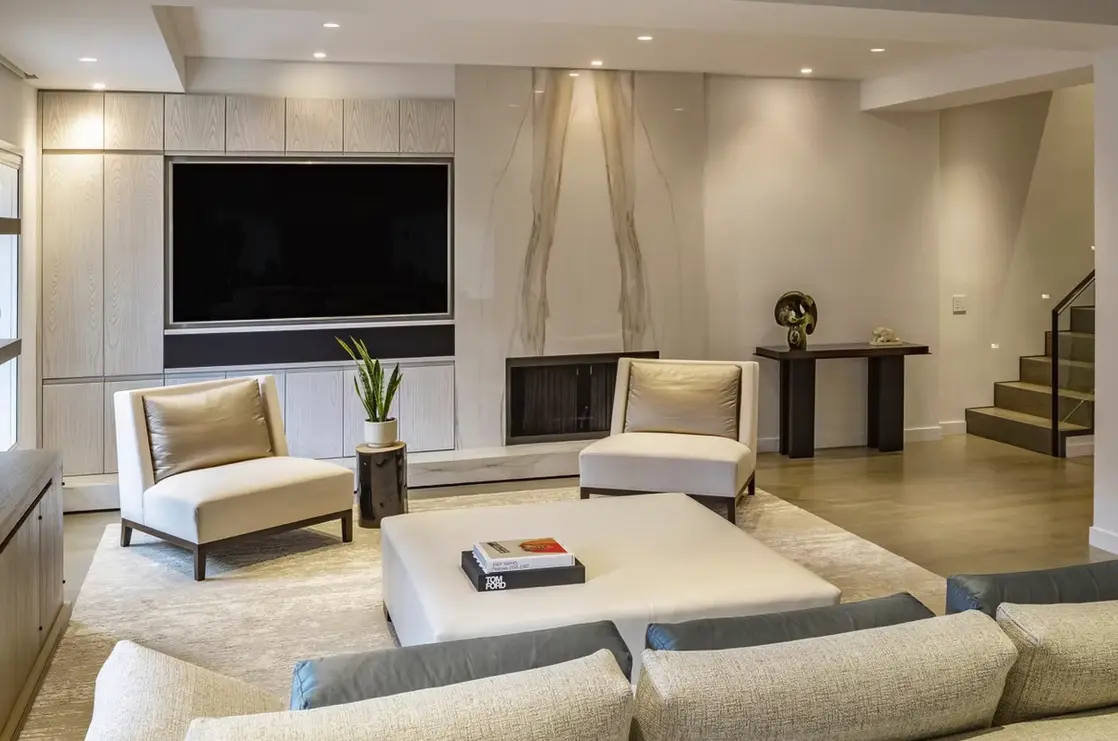
NEW YORK — In a contemporary design landscape frequently dominated by sensory overload, trend-chasing algorithms, and maximalist noise, Manhattan-based designer Nitzan Tagansky has carved out a distinct and enduring reputation through a radical commitment to quietude. Known for crafting spaces that are dramatically simple yet deeply inviting, Tagansky champions a warm-modern aesthetic that rejects cold, austere minimalism in favor of a restrained elegance. It is a design philosophy that requires immense professional confidence—one where every single element must justify its presence, and where rooms feel less like curated museum exhibits and more like instinctive extensions of the people who inhabit them.
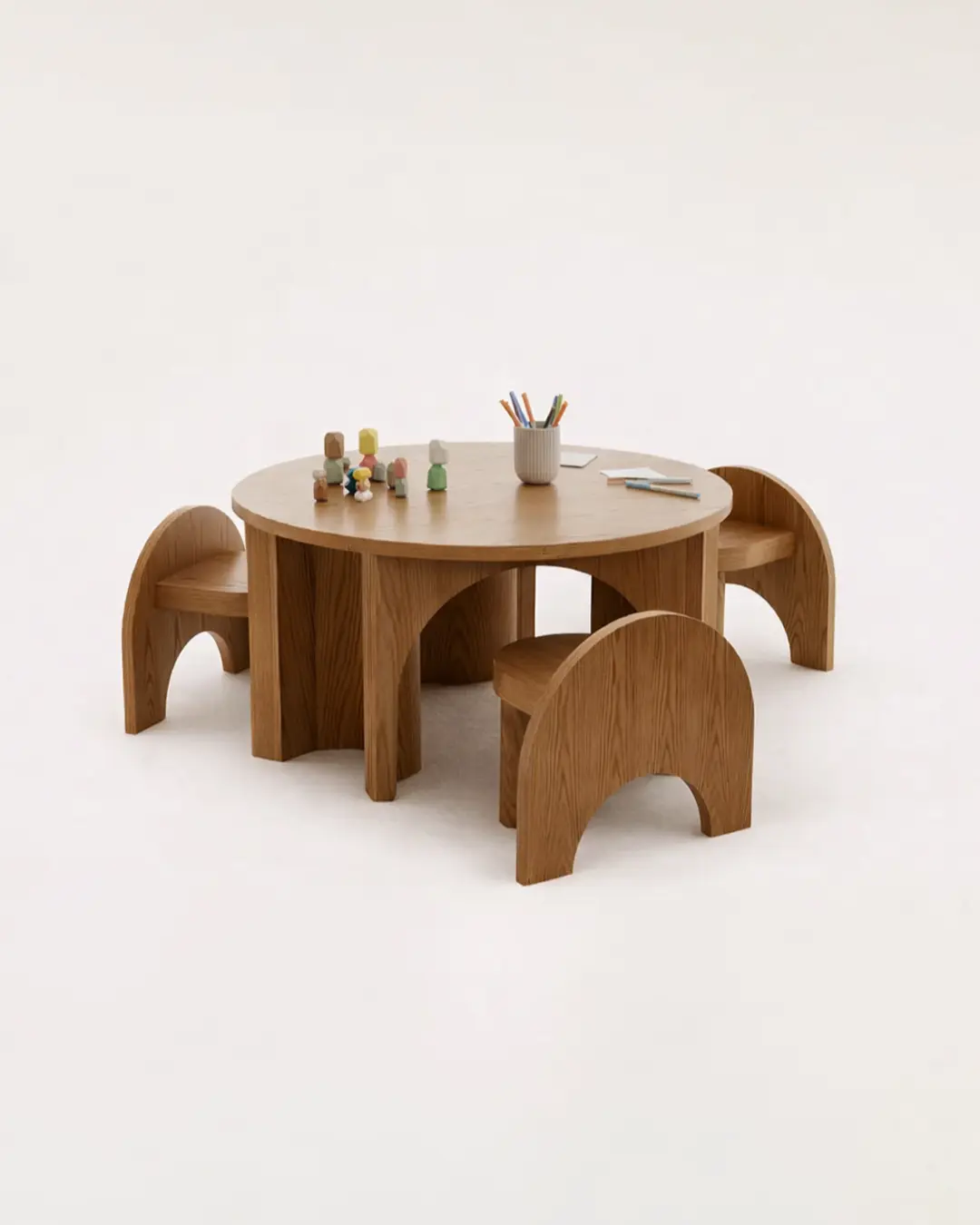
Operating out of New York City, Tagansky’s multidisciplinary practice extends far beyond local residential work. Alongside his partner, Dale, he has developed Nitzan Home, a bespoke furniture collection whose pieces have been specified for luxury hotels and high-end residential developments across the globe. From sweeping New York apartments, industrial-chic lofts, and historic townhouses to sun-drenched summer houses in the Hamptons, a sophisticated London pied-à-terre, and conceptual hospitality designs for a hotel in Jerusalem, Tagansky’s geographic footprint is diverse. Yet, across every project, a singular, unwavering design sensibility prevails.
Main Facts: The Philosophy of Essentialism
At the core of Tagansky’s work is an uncompromising adherence to foundational design principles. When asked to define the core ingredients of good design, he distills his entire creative methodology into four succinct concepts:
"Scale, proportion, a certain timelessness in design, and quality craftsmanship are the ingredients of good design."
Rather than relying on convoluted theoretical frameworks or shifting trends, Tagansky measures every creative decision against this four-word metric:
- Scale: Does the object fundamentally belong within the volumetric dimensions of the room?
- Proportion: Does it maintain a harmonious relationship with every surrounding element?
- Timelessness: Will this design choice still resonate with grace two decades from now?
- Craftsmanship: Is the object fabricated with a level of mastery that honors its place in the home?
This disciplined approach influences how Tagansky views external influences. In an era where designers are perpetually bombarded by a digital saturation of architecture, art, fashion, photography, and nature via social media and global connectivity, Tagansky looks past the noise.
"Inspiration can really come from anywhere, and we are continually bombarded with images on a daily basis," Tagansky reflects. "It’s when something is done in a particularly simple but clever or striking way that I find inspiration in."

Crucially, he emphasizes that true simplicity is never easy to achieve. It is the hard-won result of relentless editing—stripping away the superfluous until only the essential and precisely correct elements remain.
Chronology: A Global Practice Rooted in Manhattan
While Tagansky’s current hub is firmly established in Manhattan, his career trajectory has unfolded on an international stage, characterized by steady expansion, collaborative product development, and high-stakes residential commissions.
- Foundational Years & Manhattan Base: Tagansky established his interior architecture practice in New York City, quickly gaining recognition for his ability to infuse clean architectural lines with tactile warmth. His early projects focused primarily on urban living spaces—transforming typical New York apartments, sprawling lofts, and classic townhouses into sanctuaries of calm.
- Geographic Expansion: As his reputation for restrained luxury grew, Tagansky’s portfolio expanded outward geographically. Commissions began to encompass seasonal retreats in the Hamptons, international properties such as a sophisticated London pied-à-terre, and commercial-scale hospitality ventures, including visionary design concepts for a hotel project in Jerusalem.
- The Launch of Nitzan Home: Recognizing a gap in the market for furniture that mirrored his architectural philosophy—objects defined by clean lines, exceptional materials, and unpretentious utility—Tagansky partnered with Dale to launch Nitzan Home. The collection quickly gained traction, earning specifications in elite residential and hospitality projects worldwide.
- The Tribeca Milestone: Among the defining milestones of his career was a high-profile, high-stakes commission involving a 5,000-square-foot loft in Tribeca. Executed entirely sight-unseen for a family relocating from Australia, the project tested the limits of designer-client trust and yielded one of the most emotionally resonant finishes in his firm’s history.
Supporting Data: The Anatomy of a Tagansky Project
An analysis of Tagansky’s completed works reveals specific recurring patterns in spatial planning, material selection, and atmospheric curation.
Geographic and Project Typology Distribution
- Primary Urban Residential: New York City apartments, historic townhouses, and open-plan industrial lofts (approx. 55% of portfolio).
- Suburban / Seasonal Retreats: Luxury homes in the Hamptons and coastal enclaves (approx. 25% of portfolio).
- International & Commercial: London pied-à-terre residences and international hospitality concepts, including Jerusalem hotel design spaces (approx. 20% of portfolio).
Material Palette and Spatial Tactics
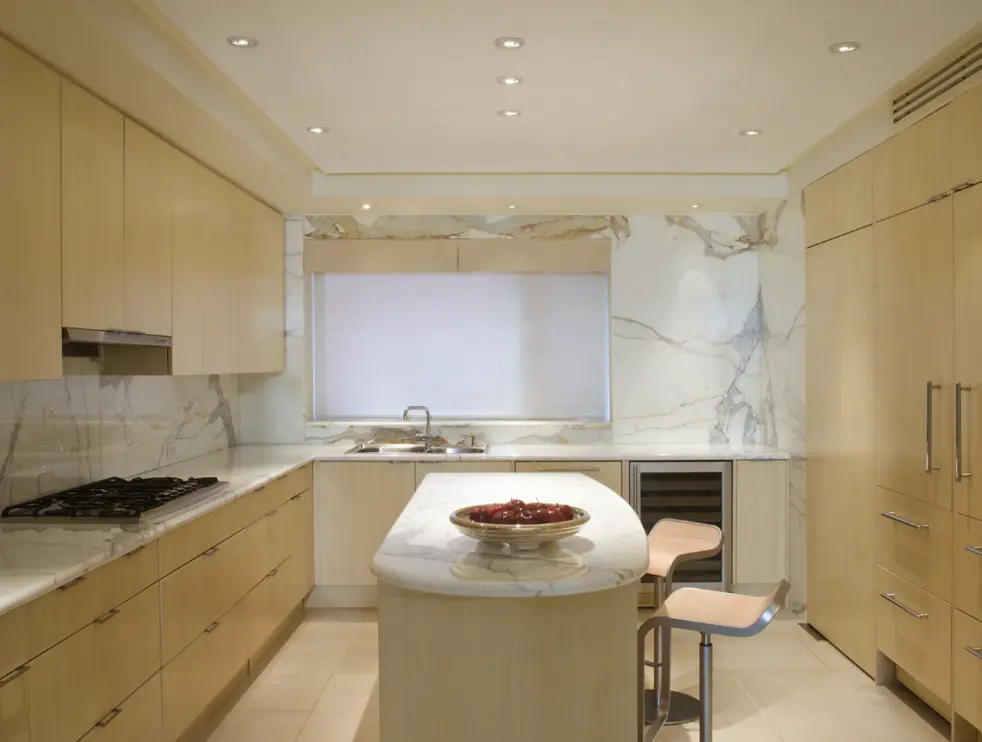
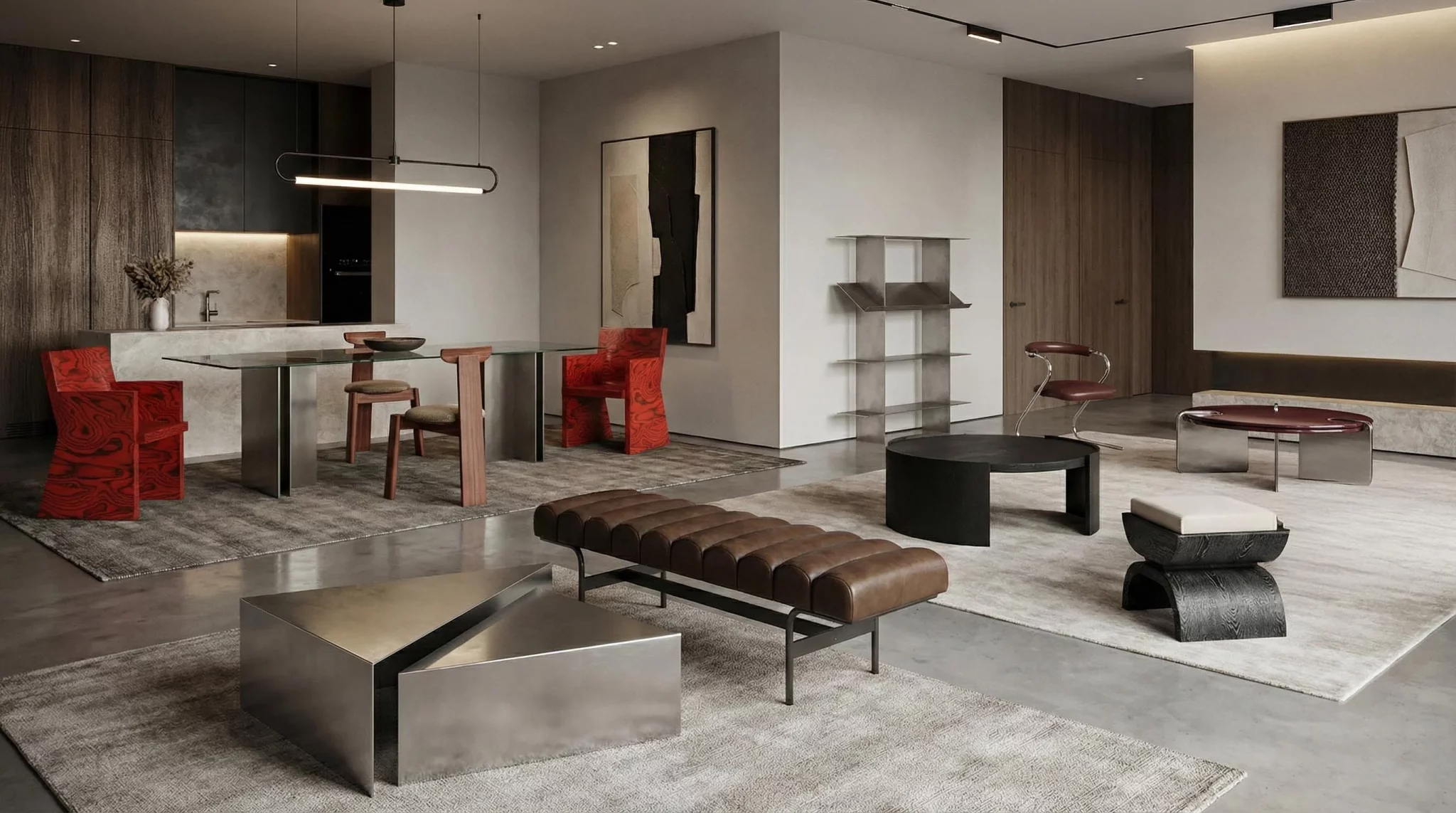
Tagansky’s interiors rely heavily on a tactile, organic material palette designed to age gracefully over time. Rather than depending on heavy ornamentation, his spaces utilize:
- Natural Textures: Unfinished or lightly oiled woods, natural stone slabs, brushed metals, and tactile natural fibers like linen, wool, and jute.
- Acoustic and Visual Calm: Muted, neutral colorways that absorb light and create a cocoon-like sense of tranquility within chaotic urban environments.
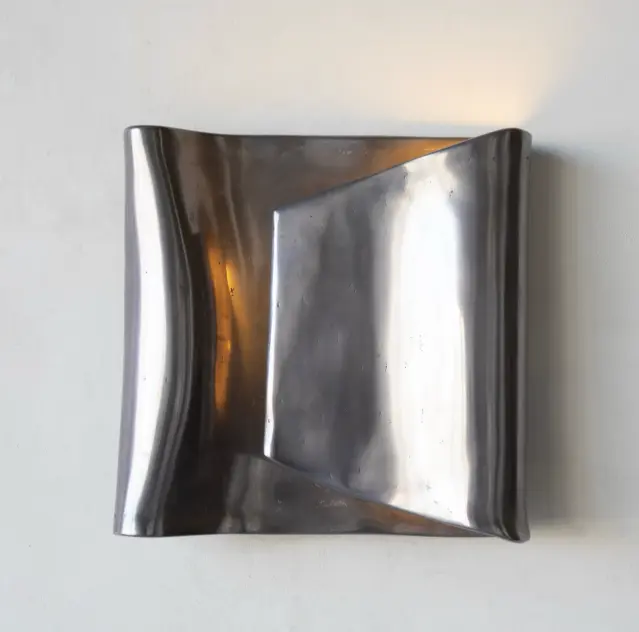
- Strategic Illumination: Eschewing the harshness of generalized overhead architectural lighting in favor of targeted, intimate illumination. When asked what single product most drastically transforms a room, Tagansky provides a surprisingly intimate answer: a good lamp. By focusing on localized pools of light rather than massive chandeliers or aggressive statement lighting fixtures, a well-placed lamp shifts the perceived scale of a room and introduces an organic warmth that overhead fixtures simply cannot replicate.
Official Perspectives: The Dynamics of Creative Freedom
Perhaps the most defining element of Tagansky’s professional philosophy pertains to the relationship between the interior designer and the client. In an industry where micromanagement can frequently dilute a design vision, Tagansky advocates for a bold alternative rooted in mutual trust.
"The more freedom you give the designer you hired to do their thing, the more successful the outcome of the project."
Tagansky notes that this is not merely a personal preference, but an empirical observation gathered across decades of practice. Constraint invariably breeds caution, leading to safe, compromised spaces that lack a cohesive soul. Conversely, creative freedom allows a design concept to breathe, evolve, and ultimately achieve its full potential.

This philosophy was put to the ultimate test during a career-defining project that remains etched in Tagansky’s memory. A couple with three small children, preparing to emigrate from Australia to the United States, hired Tagansky to design their sprawling 5,000-square-foot Tribeca loft—entirely sight-unseen.
Entrusted with complete creative autonomy over a grueling six-month development period, Tagansky and his team poured meticulous attention into every corner of the vast industrial space. When the family finally completed their international move and stepped into their completed home for the very first time, the emotional impact was profound.
"Because of the generous creative freedom that they gave us, we worked very hard to create a beautiful and special home for them," Tagansky recalls. "When the family finally arrived after six months of work, the couple was so taken with the outcome that the wife could not stop crying from joy. We will never forget this project, and this lovely family, and have remained friends to this day."
Implications: The Future of Warm-Modern Living
The enduring appeal of Nitzan Tagansky’s work offers a compelling commentary on where high-end interior architecture is heading. As urban centers become denser and digital lives increasingly frenetic, the home has evolved from a mere status symbol into a vital psychological refuge.
By rejecting fast-moving trends in favor of timeless proportions, exquisite craftsmanship, and emotional resonance, Tagansky’s practice demonstrates that true luxury is not about excess—it is about intentionality. His spaces suggest that when clients have the courage to step back and trust the vision of a skilled practitioner, the resulting environment transcends interior decoration to become a true sanctuary for human life.
Nitzan Tagansky is based in Manhattan. His architectural and interior design portfolio can be explored at nitzandesign.com, and his bespoke furniture collection is available at nitzanhome.com.
This feature is part of the Roomhints Designer Spotlight series—ongoing conversations with the visionary designers who shape the rooms that matter most.